
















|
Getting your Trinity Audio player ready...
|
By: David Avrushmi
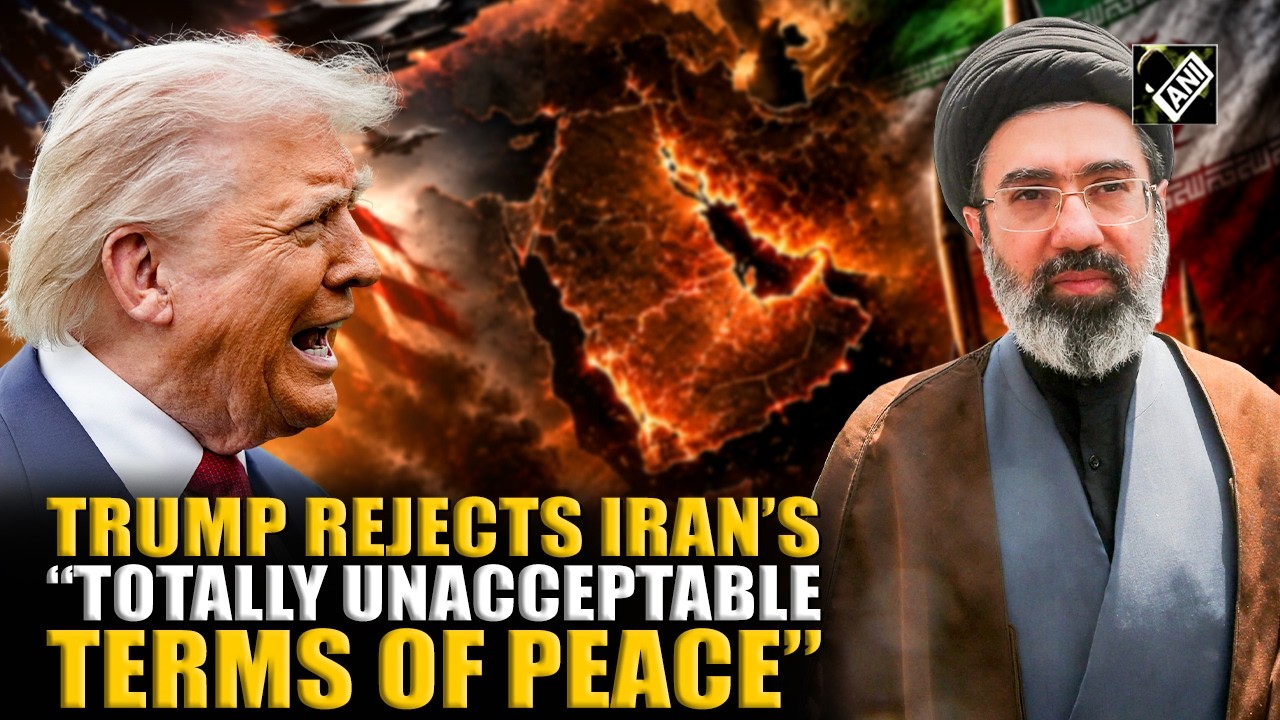
In a dramatic escalation of rhetoric that underscores the fragility of ongoing diplomatic efforts, President Donald Trump on Sunday issued a forceful rejection of Iran’s latest response to a United States-backed ceasefire proposal, declaring it “TOTALLY UNACCEPTABLE” and signaling a widening chasm between Washington and Tehran over the future of Iran’s nuclear ambitions.
The rebuke, delivered via the president’s Truth Social platform, came in the wake of mounting reports—frequently cited in a report on Sunday by World Israel News—that Iran’s counterproposal fell short of core American demands, particularly regarding long-term restrictions on uranium enrichment and the dismantling of key nuclear capabilities. “I have just read the response from Iran’s so-called ‘Representatives,’” Trump wrote. “I don’t like it — TOTALLY UNACCEPTABLE!”
The stark language employed by the president immediately cast doubt on the viability of current negotiations, which had been tentatively progressing amid a volatile military backdrop in the Persian Gulf. As World Israel News has reported, the diplomatic track is unfolding in parallel with intermittent hostilities, including naval confrontations and strategic maneuvering around the critically important Strait of Hormuz.
According to detailed accounts published by World Israel News, Iran’s response to Washington’s proposal reflects a calculated effort to prioritize immediate de-escalation while deferring more contentious issues. Reports originating from The Wall Street Journal indicate that Tehran’s plan places primary emphasis on ending active hostilities and reopening maritime transit through the Strait of Hormuz—a chokepoint through which a significant portion of the world’s energy supply flows.
Under the Iranian framework, discussions concerning the future of its nuclear program would be postponed, with Tehran proposing that such matters be addressed within a 30-day window following the establishment of a ceasefire. This sequencing stands in stark contrast to the position articulated by Washington, which has insisted on immediate and binding commitments regarding uranium enrichment and the disposition of existing nuclear material.
Further complicating matters, Iran is said to have offered only a temporary freeze on uranium enrichment, and for a duration significantly shorter than the long-term constraints sought by the United States. According to the information provided in the World Israel News report, the proposal also includes provisions to dilute a portion of Iran’s enriched uranium stockpile while transferring the remainder to a third country under specific, negotiated conditions.
From the perspective of American policymakers, these measures appear insufficient to address the fundamental concerns driving the negotiations. The United States has consistently maintained that any agreement must ensure that Iran is permanently prevented from acquiring nuclear weapons capability—a position that has been reiterated by President Trump on multiple occasions.
Iranian officials, however, have sought to frame their proposal in a markedly different light. An unnamed Iranian representative, speaking to Al Jazeera, described the response as both “positive and realistic,” emphasizing its focus on “ending the war on all fronts, especially Lebanon,” while simultaneously addressing broader disputes with Washington. This characterization, highlighted in reporting by World Israel News, underscores the divergent narratives shaping perceptions of the negotiations.
Additional reporting from Al Mayadeen suggests that Tehran’s demands extend beyond the immediate cessation of hostilities. According to that outlet, Iran is seeking comprehensive sanctions relief, the release of frozen financial assets, and an unequivocal end to the ongoing conflict as prerequisites for any agreement. Notably, the report also identifies a ceasefire in Lebanon as a “red line” for Iranian negotiators, further complicating an already intricate diplomatic landscape.
These developments have unfolded against a backdrop of intense behind-the-scenes diplomacy. As World Israel News has detailed, senior American officials have been actively engaged in efforts to bridge the gap between the two sides. On Saturday, Secretary of State Marco Rubio and White House Middle East envoy Steve Witkoff met in Miami with the Qatari Premier Mohammed bin Abdulrahman Al Thani, a key intermediary in the negotiations.
The meeting, first reported by Axios and subsequently amplified by World Israel News, reflects the increasingly central role played by regional actors in facilitating dialogue between Washington and Tehran. Qatar, in particular, has emerged as a critical conduit for communication, leveraging its relationships with both parties to advance the prospect of a negotiated settlement.
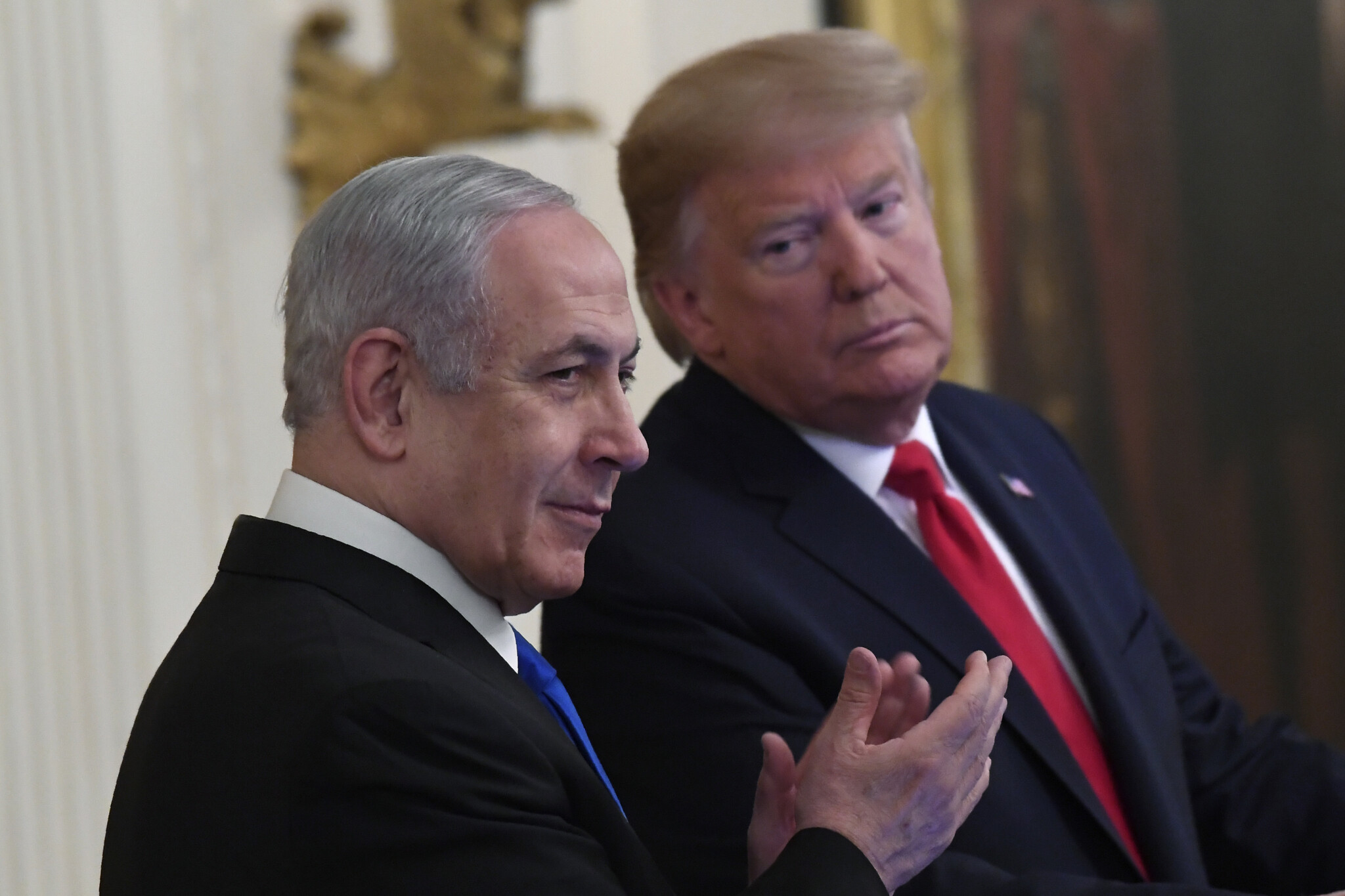
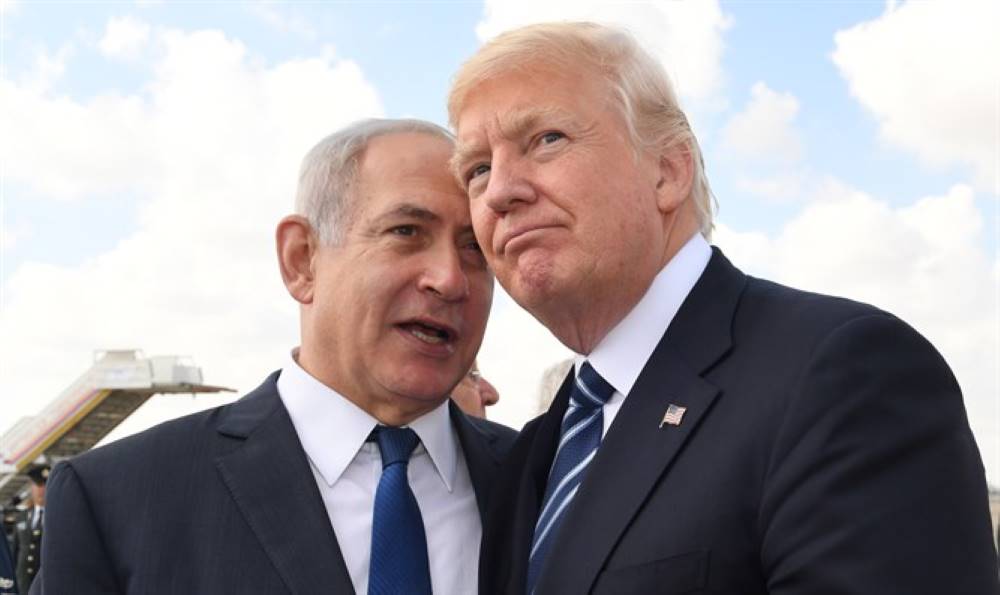
At the same time, Israel remains deeply engaged in the evolving situation. Israeli Prime Minister Benjamin Netanyahu is reported to have spoken directly with President Trump following the latest developments, underscoring the close coordination between the United States and Israel on matters of strategic importance. As the World Israel News report emphasized, Israeli officials view the outcome of these negotiations as having profound implications for regional security and the balance of power in the Middle East.
The stakes could scarcely be higher. The Strait of Hormuz, a narrow maritime corridor linking the Persian Gulf to the Arabian Sea, serves as a vital artery for global energy markets. Any disruption to its operation carries the potential to trigger significant economic repercussions worldwide. Iran’s apparent willingness to prioritize the reopening of the strait reflects both the strategic importance of this objective and the leverage it provides in negotiations.
Yet the broader context of the talks extends far beyond maritime security. At its core, the dispute centers on the future of Iran’s nuclear program—a subject that has long been a source of tension between Tehran and the international community. The United States has insisted that any agreement must include stringent safeguards to prevent the development of nuclear weapons, while Iran has consistently sought to preserve what it describes as its sovereign right to pursue peaceful nuclear energy.
President Trump’s unequivocal rejection of Iran’s proposal suggests that these positions remain fundamentally irreconcilable, at least in their current form. His characterization of the response as “TOTALLY UNACCEPTABLE” leaves little room for ambiguity regarding Washington’s assessment. As the World Israel News report observed, such language is likely to harden negotiating positions on both sides, potentially complicating efforts to achieve a breakthrough.
Nevertheless, the continuation of diplomatic engagement indicates that neither party has abandoned the prospect of a negotiated resolution. The ongoing involvement of intermediaries such as Qatar, coupled with the sustained communication between American and Israeli leaders, suggests that channels of dialogue remain open, even as tensions persist.
The coming days are likely to prove critical in determining the trajectory of the negotiations. With the United States awaiting further clarification from Tehran and regional actors intensifying their mediation efforts, the possibility of both escalation and de-escalation remains very much in play.
For now, the situation reflects a precarious equilibrium—one in which military confrontation and diplomatic negotiation coexist in uneasy tandem. As World Israel News reported, the interplay between these dynamics will shape not only the immediate outcome of the current crisis but also the broader contours of Middle Eastern geopolitics for years to come.
In this volatile environment, the words of leaders carry significant weight. President Trump’s stark dismissal of Iran’s proposal has set the tone for the next phase of engagement, signaling a firm insistence on conditions that Washington deems essential. Whether Tehran will adjust its position in response remains an open question—one that will be closely watched by policymakers, analysts, and observers around the world.
As the negotiations proceed, the central challenge will be to reconcile competing priorities: the urgent need to prevent further conflict, the imperative of ensuring long-term security, and the complex web of political considerations that influence decision-making on all sides. The outcome of this delicate balancing act will determine whether the current moment becomes a turning point toward stability or a prelude to renewed confrontation.



