

















Rubio Defends Administration’s Iran Strategy, Says Risks Were Understood but Nuclear-Armed Tehran Was ‘Unacceptable’
By: Fern Sidman
Secretary of State Marco Rubio delivered a forceful defense of the Trump administration’s handling of the conflict with Iran during testimony before Congress on Wednesday, arguing that while officials fully anticipated retaliation from Tehran following military operations, the prospect of allowing the Islamic Republic to acquire a nuclear weapon represented a far greater danger to the United States, its allies, and the broader international community.
According to a report on Wednesday at Israel National News, Rubio appeared before the House Foreign Affairs Committee amid continuing tensions across the Middle East, where military, diplomatic, and economic repercussions from the conflict continue to reverberate throughout the region.
Throughout his testimony, Rubio repeatedly emphasized a central theme that has become a cornerstone of administration policy: every potential consequence of military action was carefully weighed, but none was deemed as severe as the possibility of Iran successfully obtaining nuclear weapons capabilities.
“The president and the administration was aware there would be consequences to action, but the consequences of Iran having a nuclear weapon were worse,” Rubio told lawmakers when questioned about whether the administration anticipated Iran’s response, including the possibility of a blockade of the strategically vital Strait of Hormuz.
As Israel National News reported, Rubio stressed that the administration entered the confrontation with a comprehensive understanding of the risks involved. “All the risk factors were understood,” Rubio stated, “but the important risk factor was Iran cannot have a nuclear weapon.”
The secretary’s remarks reflected the administration’s longstanding position that preventing Iran from achieving nuclear weapons capability remains a paramount national security objective, one that justifies substantial military, diplomatic, and economic efforts.
A significant portion of the congressional hearing focused on the Strait of Hormuz, the narrow maritime corridor through which a substantial percentage of the world’s energy supplies transit each day.
Lawmakers pressed Rubio regarding whether administration officials anticipated Iranian efforts to disrupt shipping or threaten maritime commerce through the waterway.
According to the Israel National News report, Rubio responded unequivocally that such possibilities had been extensively discussed before military action was undertaken. “Everyone was aware of what Iran might do in retaliation,” he said.
The secretary argued that Iranian responses, while potentially disruptive and dangerous, were never unexpected.
Rather than being surprised by Tehran’s actions, Rubio suggested the administration had prepared contingency plans for multiple scenarios, including threats to regional shipping lanes, missile attacks, and strikes against American allies. Again emphasizing the administration’s central concern, Rubio reiterated, “They cannot have a nuclear weapon.”
The repeated phrase underscored what administration officials appear determined to present as a clear strategic calculation: the risks associated with military action were considered manageable compared to the dangers posed by a nuclear-capable Iran.
Members of Congress also questioned whether the White House anticipated attacks against American partners and allies throughout the Middle East. Israel National News reported that Rubio offered a similar response when addressing those concerns. “Everyone knew what Iran would do in response, we were prepared for any response,” Rubio said.
He again returned to the administration’s principal argument. “But they can’t have a nuclear weapon.”
The secretary’s testimony suggested that U.S. intelligence agencies and military planners had spent considerable time evaluating potential Iranian retaliation scenarios before operations commenced.
Regional analysts have long warned that Tehran possesses numerous avenues through which it can project power, including missile forces, naval capabilities, proxy organizations, and allied militant groups operating throughout the Middle East. Rubio’s remarks indicated that such threats were neither unforeseen nor underestimated.
The hearing also provided Rubio with an opportunity to clarify the objectives behind what he described as Operation Epic Fury. According to the Israel National News report, lawmakers sought clarification regarding whether the operation was intended to destabilize or overthrow Iran’s ruling regime.
Rubio rejected that interpretation. He stated that the operation’s purpose was not regime change.
At the same time, however, he acknowledged that the administration would welcome political transformation in Tehran if it occurred independently. Rubio explained that while the United States would “love to see” regime change in Iran, the military operation itself was not designed to accomplish that objective.
Instead, he characterized the mission as a targeted effort aimed at weakening critical Iranian capabilities. According to Rubio, the goal was to “degrade” the defensive systems that Iran allegedly intended to use in support of its nuclear ambitions.
The secretary suggested that Iranian military infrastructure had been developed in part to shield nuclear-related activities from outside interference.
By targeting those systems, the administration sought to undermine Tehran’s ability to continue pursuing what American officials describe as dangerous nuclear advancements.
The Israel National News report noted that Rubio repeatedly framed the operation as a defensive measure designed to reduce long-term threats rather than provoke broader regional instability.
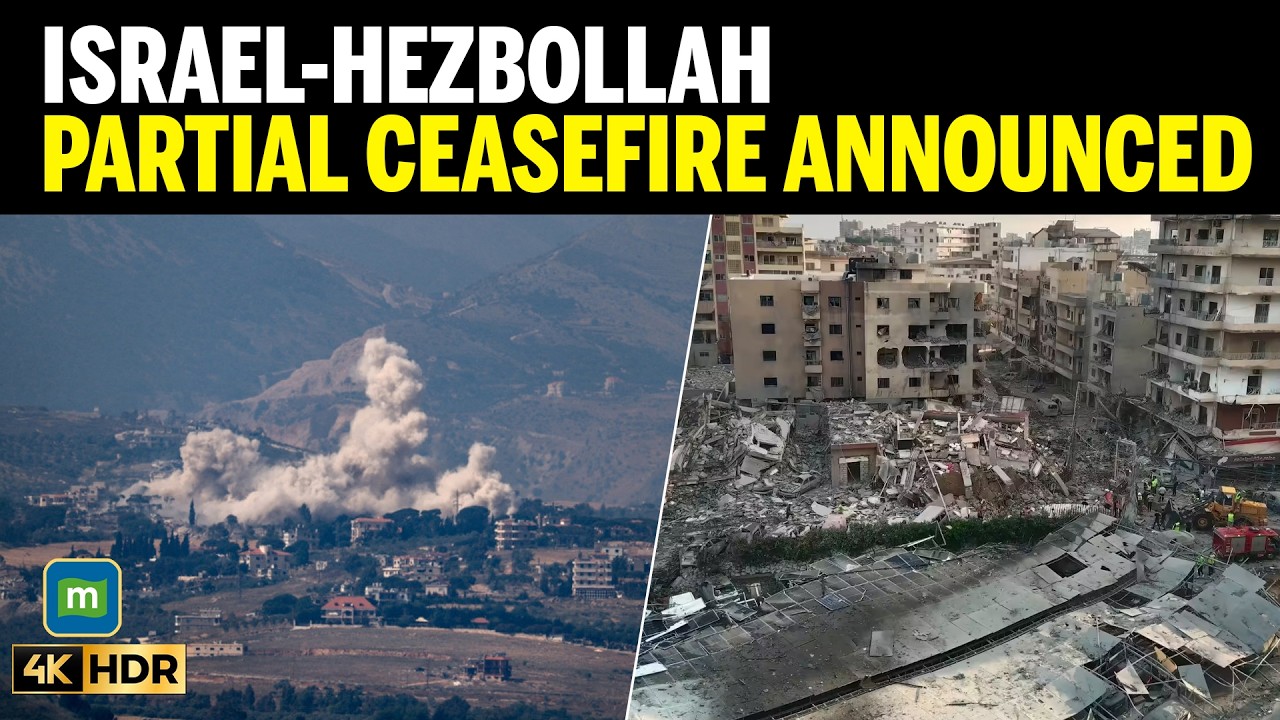
The hearing also addressed the continuing conflict involving Hezbollah in Lebanon, a subject that has become increasingly significant amid ongoing regional tensions. Israel National News reported that Rubio strongly defended Israel’s actions against Hezbollah while criticizing the Iranian-backed organization for violating ceasefire arrangements.
When asked about the deteriorating security situation along Israel’s northern frontier, Rubio argued that responsibility for renewed hostilities rests primarily with Hezbollah. According to the secretary, Hezbollah violated the ceasefire framework announced earlier by President Donald Trump.
Rubio maintained that Israel’s responses must be understood within that context. Rather than criticizing Jerusalem’s actions, he praised Israeli restraint. The secretary specifically highlighted Israel’s decision not to carry out large-scale attacks in Beirut despite repeated provocations.
According to the Israel National News report, Rubio described Israel’s conduct as measured and proportionate under challenging circumstances. His comments represented one of the administration’s strongest recent defenses of Israeli military policy in Lebanon.
The secretary’s remarks also reflected Washington’s broader concern regarding the influence of Iranian-backed organizations operating throughout the region. For American policymakers, Hezbollah remains among the most powerful and heavily armed non-state actors in the Middle East.
Successive U.S. administrations have accused the organization of serving as an extension of Iranian regional strategy.
Rubio’s testimony occurred at a moment when policymakers continue to grapple with the broader consequences of the conflict. Energy markets remain sensitive to developments involving the Strait of Hormuz.
Regional governments continue monitoring Iranian military activity. Diplomatic efforts aimed at reducing tensions remain fragile.
Against that backdrop, Rubio’s appearance before Congress served as both a defense of past decisions and a signal regarding future policy. Throughout the hearing, the secretary consistently returned to a single argument: every action taken by the administration must be evaluated against the potential consequences of a nuclear-armed Iran.
As was reported by Israel National News, Rubio left little doubt that the administration views that objective as non-negotiable. His testimony suggested that while the administration remains aware of the economic, military, and diplomatic risks associated with confronting Tehran, officials believe those challenges are outweighed by the necessity of preventing Iran from crossing the nuclear threshold.
By the conclusion of the hearing, Rubio had delivered a message that was as much directed toward foreign audiences as it was toward members of Congress.
The secretary repeatedly stressed that American policymakers entered the conflict with a realistic understanding of the likely consequences. Nothing, he suggested, has fundamentally altered the administration’s assessment. “The president and the administration was aware there would be consequences to action,” Rubio said.
Yet the central message remained unchanged. “The consequences of Iran having a nuclear weapon were worse.”
As the Israel National News report observed, Rubio’s testimony represented a comprehensive defense of the administration’s strategy, one grounded in the conviction that preventing Iranian nuclear capability remains an overriding national security imperative.
Whether future developments validate that approach remains a subject of intense debate in Washington and abroad. For now, however, Rubio’s message was unmistakable: the administration anticipated the risks, prepared for retaliation, and remains committed to ensuring that Iran never acquires a nuclear weapon.


