




























Middle East Erupts Overnight as IRGC Launches Strikes on Kuwait and Bahrain Following US Operation
Middle East Security Crisis Deepens After Overnight Attacks Trigger Air Defenses in Kuwait and Bahrain
By: Yisroel David
A new and potentially dangerous chapter in the ongoing confrontation between Iran and the United States unfolded early Wednesday morning, as reports of explosions, missile launches, drone attacks, and retaliatory military action reverberated across the Persian Gulf region, heightening fears that the fragile ceasefire currently in place could face renewed strain.
According to a report by Israel National News, a series of dramatic developments began in the early hours of Wednesday when explosions were reported on Iran’s strategically significant Qeshm Island, a key location situated near the Strait of Hormuz, one of the world’s most critical maritime energy corridors.
The incidents quickly triggered a cascade of military responses throughout the region. Air defense systems were activated in Kuwait, warning sirens echoed across Bahrain, and both Iranian and American military authorities issued competing statements regarding responsibility for the escalating violence.
The sequence of events underscored the persistent volatility that continues to characterize relations between Tehran and Washington, despite ongoing diplomatic efforts aimed at preserving stability following months of military confrontation.
According to information cited in the Israel National News report, Iran’s Mehr news agency reported that explosions were heard on Qeshm Island during the early morning hours.
Qeshm Island occupies an exceptionally important strategic position in the Persian Gulf and has long been regarded as a vital component of Iran’s military infrastructure and maritime defense network. The island sits adjacent to the Strait of Hormuz, through which a substantial percentage of the world’s oil exports pass each day.
While Iranian media initially provided only limited details regarding the explosions, the reports immediately attracted international attention because of the island’s military significance and its proximity to major shipping lanes.
Military analysts have frequently described Qeshm as one of Iran’s most important forward operating locations, housing various military installations and surveillance capabilities designed to monitor maritime traffic throughout the Gulf.
As news of the explosions spread, neighboring countries began reporting their own security incidents.
Shortly afterward, Kuwait’s military announced that its air defense systems had been activated in response to what officials described as hostile aerial threats.
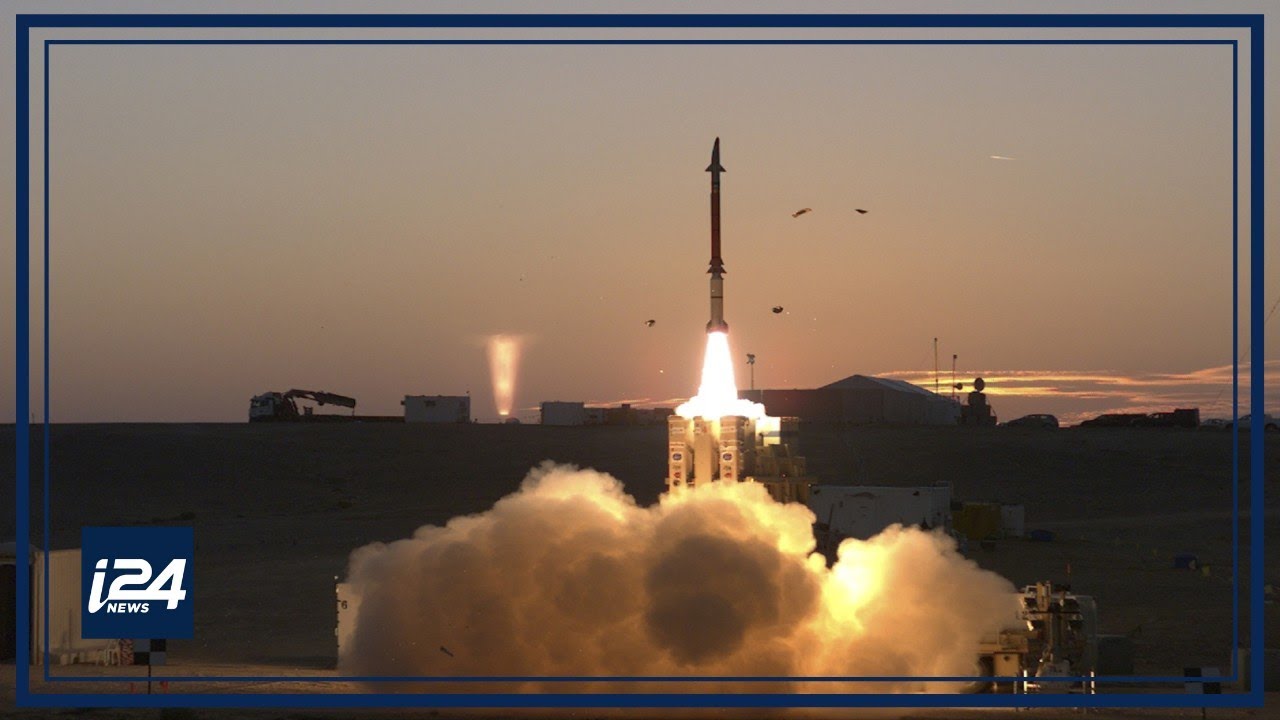
According to the Israel National News report, Kuwaiti authorities stated that the country was responding to incoming missiles and drones and was working to intercept those threats before they could reach their intended targets.
The activation of Kuwait’s air defenses represented one of the most serious security alerts experienced by the Gulf nation in recent months and reflected growing concerns regarding regional instability.
Kuwaiti officials did not immediately provide detailed information regarding the origin of the missiles and drones. However, subsequent statements from both Iranian and American officials would shed additional light on the rapidly developing situation.
At approximately the same time, residents in Bahrain reported hearing sirens and explosions following what was described as a missile attack.
As was reported by Israel National News, the alarm systems were activated as air defense forces responded to incoming threats.
Bahrain hosts critical military installations and has long served as a strategic partner of the United States in the Gulf region. The country is home to significant American military assets and serves as a major operational hub for U.S. naval activities.
The activation of emergency systems in both Kuwait and Bahrain highlighted the broad geographic scope of the incident and reinforced concerns that regional tensions could quickly spread beyond any single battlefield.
Security officials throughout the Gulf closely monitored developments as reports continued to emerge.
Iran’s Islamic Revolutionary Guard Corps eventually claimed responsibility for the missile and drone attacks, as was noted in the Israel National News report.
The IRGC reportedly characterized the strikes as retaliation for what it described as an American attack on Qeshm Island. Iranian military officials asserted that their actions constituted a direct response to aggression and framed the operation as a defensive measure intended to protect Iranian sovereignty.
The claim immediately intensified international attention, as it suggested that the incidents represented part of a broader cycle of action and retaliation involving two of the region’s most powerful military actors.
The IRGC has long served as a central pillar of Iran’s military establishment and frequently takes responsibility for operations that Tehran characterizes as defensive or retaliatory in nature.
The most detailed account of the confrontation came from the United States Central Command, commonly known as CENTCOM. In a statement cited in the Israel National News report, CENTCOM declared that American forces had successfully defeated multiple Iranian missile and drone attacks while simultaneously carrying out what it described as self-defense operations. “US forces successfully defeated multiple Iranian ballistic missiles and drones, and conducted self-defense strikes on Qeshm Island in response to attempted attacks by Iran across the Middle East, June 2,” the statement said.
The American military further asserted that Iran had launched several ballistic missiles toward neighboring countries but that none had successfully reached their intended targets.
According to CENTCOM: “Iran launched several ballistic missiles toward regional neighbors; however, all failed to hit their intended targets.” The command offered additional details regarding specific attacks directed at Kuwait and Bahrain. “Two Iranian missiles fired at Kuwait fell short or broke apart enroute, and three missiles launched at Bahrain were immediately intercepted by U.S. and Bahrain air defense forces,” the statement continued.
The declaration emphasized the effectiveness of allied air defense systems and portrayed the incident as a successful defensive operation against Iranian aggression.
Beyond the missile attacks, CENTCOM reported that American forces also confronted aerial threats directed toward civilian maritime traffic.
According to the statement cited by Israel National News: “Moments earlier, US Central Command (CENTCOM) forces shot down three one-way attack drones launched by Iran toward civilian mariners that were rightfully transiting regional waters.” The reference to civilian maritime traffic immediately drew attention because of the critical importance of regional shipping lanes.
The Strait of Hormuz remains one of the world’s most strategically significant waterways, and any threat to commercial shipping can have far-reaching economic consequences. International markets have repeatedly reacted sharply to disruptions in the region, given its importance to global energy supplies.
The reported drone interceptions therefore carried significance not only from a military perspective but also from an economic and geopolitical standpoint.
CENTCOM further disclosed that American forces had conducted strikes against an Iranian military facility on Qeshm Island.
The statement specified that U.S. personnel targeted what was described as an Iranian military ground control station. “American forces also conducted self-defense strikes on an Iranian military ground control station on Qeshm Island,” CENTCOM stated.
Such facilities are often used to coordinate unmanned aerial operations, including drone missions and surveillance activities.
The reported strike suggests that American commanders sought to degrade what they believed were operational capabilities directly connected to the attacks. Military analysts note that targeting command-and-control infrastructure is often viewed as a method of reducing future threats without necessarily engaging in broader offensive operations.
CENTCOM emphasized that no American personnel were harmed during the confrontation. The command stated: “No US personnel were harmed.” The absence of casualties is likely to be viewed by military planners as a significant achievement given the scale of the reported attacks.
The statement also sought to reassure allies and regional partners that American forces remain fully prepared to respond to future threats. “CENTCOM forces remain vigilant and ready to defend against unwarranted Iranian aggression during the ongoing ceasefire,” the command added.
That language underscored Washington’s position that its actions were defensive in nature and intended to preserve regional stability.
As reported by Israel National News, the latest exchange of missile launches, drone interceptions, and retaliatory strikes represents one of the most significant security incidents since the implementation of the current ceasefire framework. The developments raise fresh questions regarding the durability of existing diplomatic arrangements and whether regional actors can prevent further escalation.
With Iran, the United States, Gulf Arab states, and allied military forces all involved directly or indirectly in the unfolding crisis, the situation remains highly fluid.
While both sides continue to frame their actions as defensive responses to aggression, the latest events demonstrate how quickly tensions can reignite in one of the world’s most strategically sensitive regions.
For now, military forces throughout the Gulf remain on heightened alert as governments assess the implications of the latest confrontation and monitor whether the uneasy calm established in recent months can survive another major test.



