






















Iran Suspends U.S. Talks; Hezbollah May be Ready for Ceasefire
By: Fern Sidman
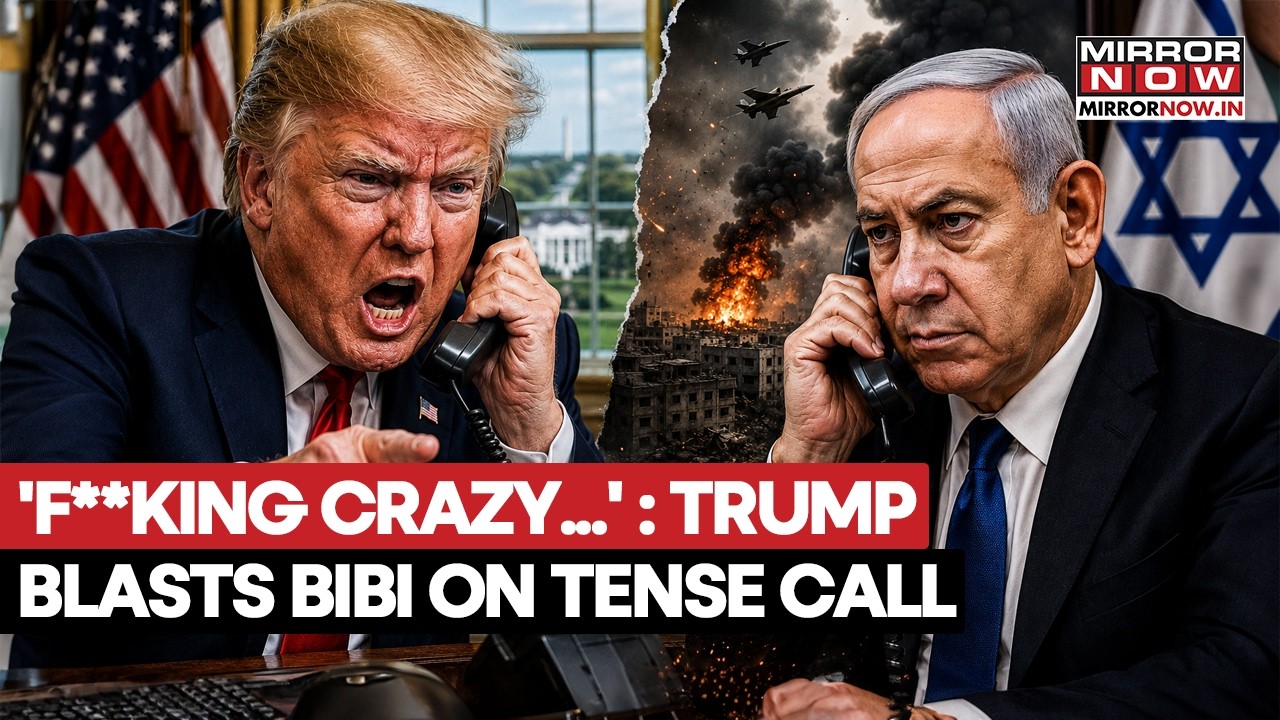
A new and potentially consequential obstacle has emerged in the already precarious diplomatic efforts aimed at ending months of conflict between the United States, Israel, and Iran, as Tehran announced om Monday that it is suspending indirect negotiations with Washington amid Israel’s expanding military campaign against Hezbollah in southern Lebanon.
According to reports cited by Reuters and statements carried by Iran’s semi-official Tasnim News Agency, Iranian negotiators have halted the exchange of messages with the United States through international mediators as well as blocking the Strait of Hormuz. They argue that recent Israeli military operations in Lebanon have fundamentally altered the strategic environment surrounding ongoing diplomatic discussions. The Israeli army is heading towards Beirut in their objective of dismantling Hezbollah infrastructure.

The development represents a significant setback for efforts that, until recently, appeared to be moving cautiously toward a broader understanding between Washington and Tehran. Reuters had previously reported that negotiators were exploring a framework that could extend existing ceasefire arrangements and potentially open the door to discussions concerning Iran’s nuclear activities, sanctions relief, maritime security, and broader regional stability.
Now, however, the increasingly volatile situation in Lebanon threatens to derail those diplomatic ambitions.
The suspension of communications comes as Israeli forces intensify military operations against Hezbollah positions in southern Lebanon, while Iranian officials insist that developments on the Lebanese front cannot be separated from the broader regional confrontation.
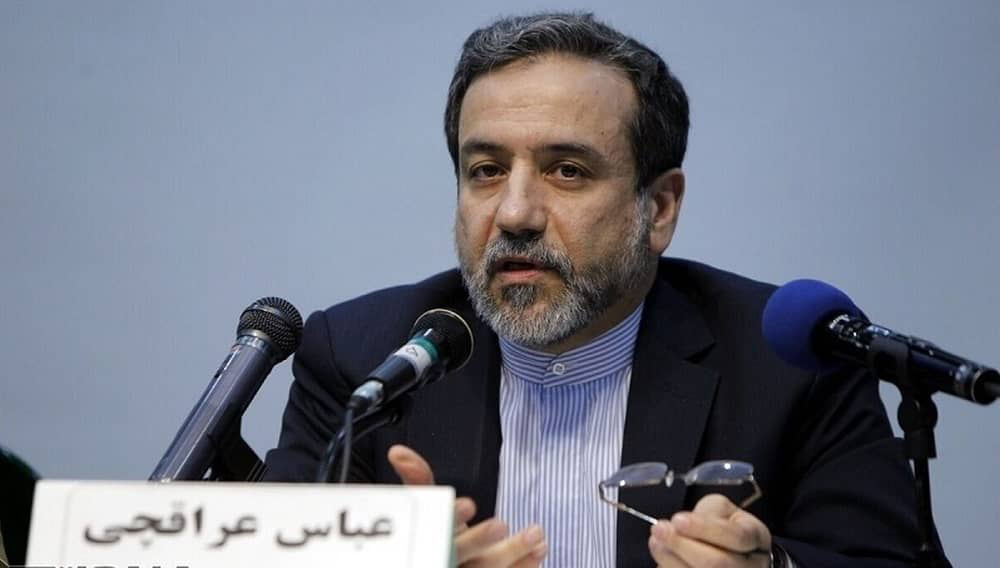
Iranian Foreign Minister Abbas Araqchi articulated that position in unusually direct language.
“Violation on one front is a violation of the ceasefire on all fronts,” Araqchi declared in remarks referenced by Reuters. “The U.S. and Israel are responsible for the consequences of any violation.”
Those comments reflect Tehran’s longstanding position that regional theaters of conflict are interconnected and cannot be compartmentalized during negotiations.
The suspension of indirect talks arrives at a particularly delicate moment.
Only days earlier, multiple reports suggested that negotiators had been examining potential arrangements that could extend existing ceasefire understandings and facilitate discussions on several contentious issues, including freedom of navigation through the Strait of Hormuz, sanctions relief, and Iran’s nuclear program.
While no final agreement had been reached, diplomatic observers viewed the discussions as one of the most serious attempts in months to prevent a broader regional conflagration.
Reuters reported previously that negotiators had considered a framework under which difficult questions regarding highly enriched uranium, maritime access, sanctions, and security guarantees would be addressed through subsequent negotiations following an initial ceasefire extension.
Yet the underlying tensions that complicated those discussions never disappeared.
Iranian officials repeatedly insisted that any lasting understanding would have to account for developments in Lebanon, where Hezbollah remains one of Tehran’s most important regional allies. Reuters had previously reported that Iran consistently sought an end to Israeli military operations in Lebanon as part of any broader diplomatic arrangement.
That linkage has now moved from a negotiating position to a central obstacle.
The renewed focus on Lebanon underscores how deeply interconnected the region’s security crises have become.
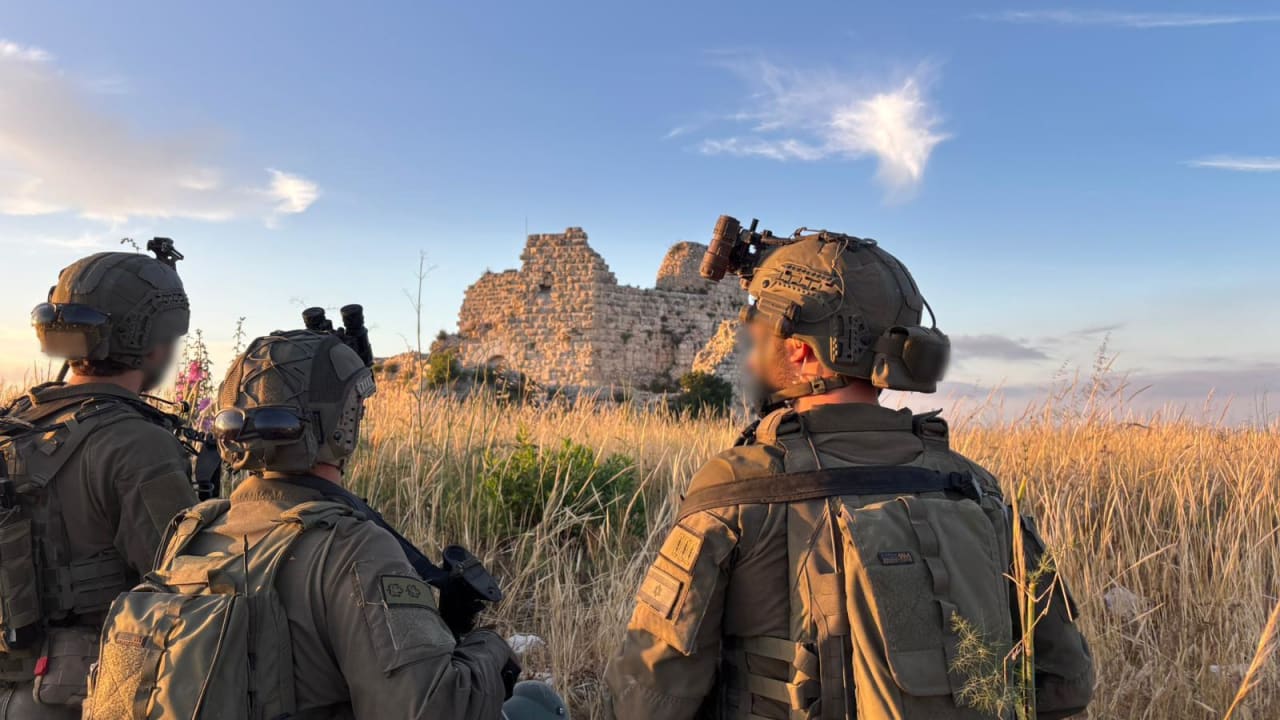
Israeli Prime Minister Benjamin Netanyahu recently indicated that Israeli forces would continue expanding operations against Hezbollah infrastructure, describing the campaign as part of a broader effort to degrade the organization’s military capabilities and restore security along Israel’s northern frontier. Reports cited by Reuters indicate that Israeli forces have moved deeper into southern Lebanon while military operations continue against Hezbollah targets.
The situation has generated alarm among regional actors and international observers alike.
Diplomatic efforts involving Lebanon and Israel had previously shown signs of progress. Reuters reported in May that U.S.-facilitated discussions between Lebanese and Israeli representatives were described by American officials as “productive and positive,” suggesting at least some possibility of reducing tensions.
However, the deterioration of conditions on the ground has cast uncertainty over those efforts.
Iranian officials now argue that continued military activity in Lebanon undermines confidence in broader diplomatic initiatives.
Tasnim reported that Tehran views developments in Lebanon as inseparable from negotiations with Washington and regards Israeli military actions as incompatible with the atmosphere necessary for productive diplomacy.
Financial markets responded immediately to reports of the diplomatic suspension.
Oil prices surged sharply after news emerged that Iran was halting indirect communications with the United States.
Reuters reported that crude oil prices climbed by more than $5 per barrel as traders assessed the possibility of escalating regional instability and renewed threats to critical maritime shipping routes.
The reaction reflects the central importance of the Strait of Hormuz to the global energy system.
The narrow waterway remains one of the world’s most strategically significant maritime corridors, serving as a vital route for international oil and liquefied natural gas shipments. Any perceived threat to navigation through the strait typically reverberates immediately through global energy markets.
Reuters reported that Iranian-aligned sources suggested discussions had taken place regarding possible actions affecting both the Strait of Hormuz and the Bab el-Mandeb Strait, another critical maritime chokepoint connecting the Red Sea to the Gulf of Aden.
Although the practical implementation of such measures remains uncertain, even the possibility of disruptions has heightened concerns among governments, shipping operators, and financial institutions.
Complicating matters further is the reality that military tensions between Iran and the United States have persisted even as diplomatic contacts continued.
Reuters reported that recent days witnessed additional military exchanges involving both countries. American officials stated that U.S. forces targeted Iranian military assets following what Washington characterized as threatening actions toward maritime operations in the region.
Iran, for its part, announced retaliatory measures and accused Washington of violating ceasefire understandings.
Iran’s Islamic Revolutionary Guard Corps stated that it had targeted a facility used by American forces in response to U.S. military actions. Meanwhile, U.S. military officials reported intercepting ballistic missiles directed toward American personnel stationed in the Gulf region.
The exchange highlights the paradox confronting diplomats.
Even as negotiators seek pathways toward de-escalation, military incidents continue generating new grievances and reinforcing mutual distrust.
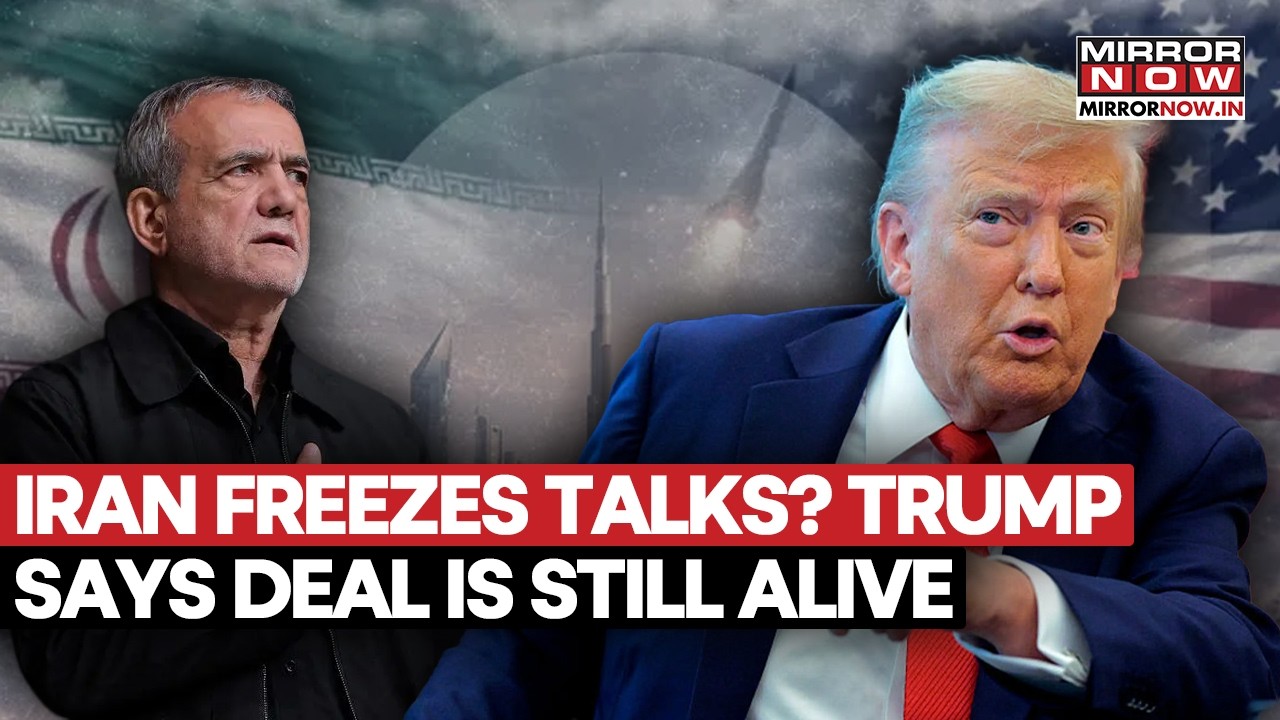
Despite the latest setback, President Trump has publicly expressed confidence that an agreement remains achievable.
In comments referenced by Reuters, Trump argued that Tehran ultimately wants a deal and urged critics to remain patient.
“Iran really wants to make a deal,” Trump stated in a social media message cited by Reuters. He also criticized what he described as negative commentary surrounding the negotiations and insisted that observers should “sit back and relax.”
The President faces substantial political and strategic pressures as negotiations continue.
One of Washington’s principal objectives remains preventing Iran from obtaining nuclear weapons capability. Trump has repeatedly emphasized that point while also seeking mechanisms to restore stability to maritime shipping routes and reduce pressure on global energy markets. ([Reuters][8])
At the same time, any agreement with Tehran risks drawing criticism from hard-line voices who oppose concessions to the Islamic Republic.
Iranian officials, meanwhile, have accused Washington of inconsistency.
Foreign Ministry spokesman Esmaeil Baghaei criticized what he described as shifting American demands and contradictory negotiating positions.
“The other party is constantly changing its views and putting forward new or contradictory demands,” Baghaei said, according to Reuters. He added that such conditions naturally prolong negotiations rather than facilitate their conclusion.
Baghaei also reiterated Tehran’s position that U.S. and Israeli actions should be viewed together rather than separately.
IRGC Khatam Al Anbiya’s terror commander, Brigadier General Abdollahi said, “Benjamin Netanyahu has threatened to bomb Dahiya and Beirut and issued an evacuation warning to their residents. If this threat is actualized, we warn residents of the northern sectors and military settlements in the occupied territories to evacuate the area if they wish to avoid harm.”
That perspective reflects a broader Iranian narrative that Washington bears responsibility not only for its own military decisions but also for developments involving Israel and regional allies.
Even before the latest diplomatic disruption, substantial disagreements remained.
Questions surrounding Iran’s nuclear program continue to occupy a central place in negotiations.
The future of Iran’s enriched uranium stockpiles, potential restrictions on enrichment activities, sanctions relief, frozen Iranian financial assets, and maritime access all remain subjects of disagreement.
The Strait of Hormuz itself has been identified repeatedly as one of the most contentious topics.
Reuters previously reported that Iranian and American negotiators continued to disagree over conditions governing maritime access and security arrangements in the strategically critical waterway.
Now the addition of Lebanon to that already complex agenda further complicates prospects for a breakthrough.
The suspension of indirect communications does not necessarily signify the collapse of diplomacy.
History demonstrates that negotiations between adversaries frequently experience interruptions, setbacks, and periods of heightened tension.
Yet the current situation illustrates how fragile the diplomatic process remains.
The interconnected conflicts involving Iran, Israel, Hezbollah, and regional actors have created an environment in which developments on one front can rapidly affect negotiations elsewhere.
As Reuters has consistently reported, efforts to establish a lasting peace framework face the challenge of reconciling military realities, political pressures, economic interests, and deep-rooted strategic rivalries.
For now, the diplomatic pathway remains open but increasingly uncertain.
Whether negotiators can restore momentum in the coming days may determine not only the future of U.S.-Iran relations but also the trajectory of one of the most consequential geopolitical crises confronting the Middle East today.
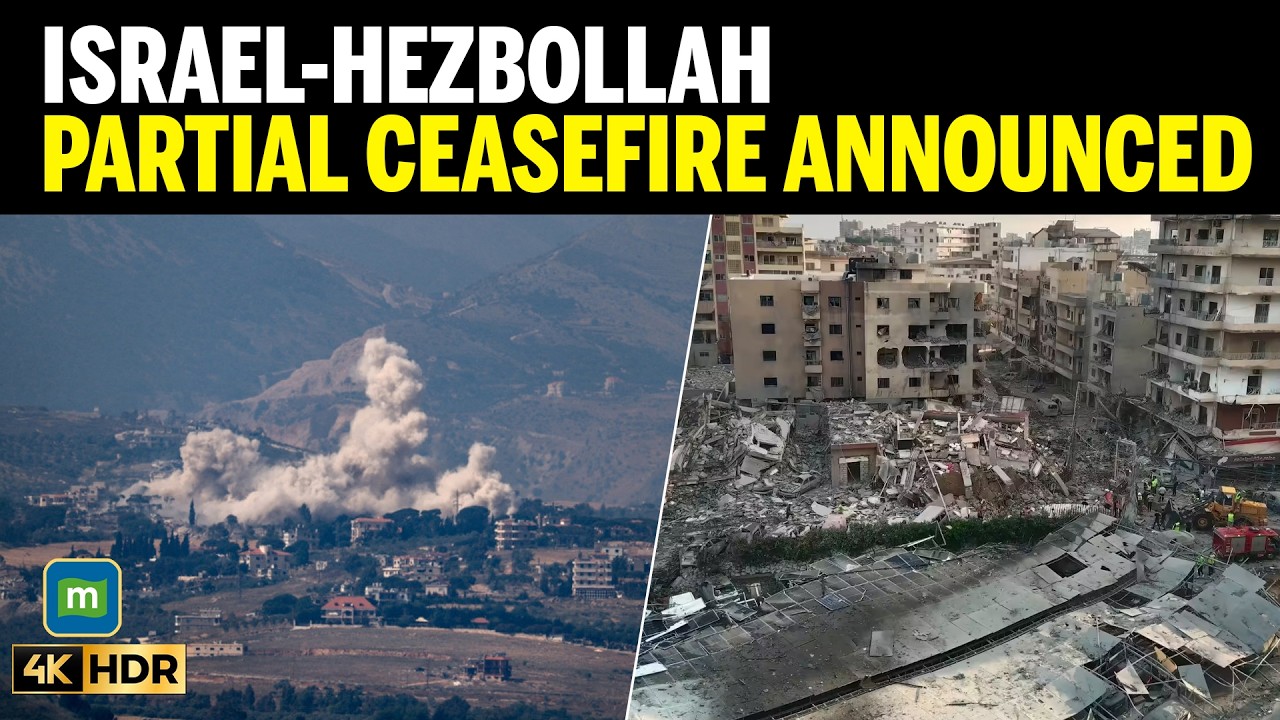
Also on Monday, a potentially significant diplomatic development has emerged amid the intensifying confrontation along Israel’s northern frontier, as senior Lebanese officials reportedly conveyed to the United States that Hezbollah is prepared to enter into a comprehensive and immediate ceasefire with Israel, according to information reported by Israel National News and detailed further by Axios.
The reported message arrives at a critical juncture in the regional crisis, with military tensions continuing to rise in Lebanon, Israeli leaders threatening expanded operations against Hezbollah positions, and Iran signaling increasing frustration over developments that it views as jeopardizing broader diplomatic efforts across the Middle East.
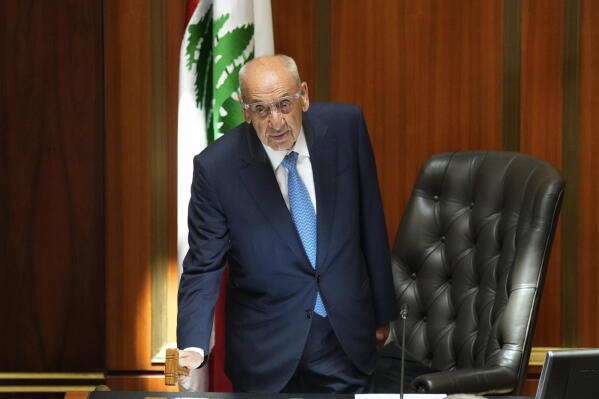
According to a report at Israel National News, Lebanese Parliament Speaker Nabih Berri informed representatives of the Trump administration that Hezbollah is willing to commit to a full ceasefire arrangement and would abide by its terms if such an agreement could be reached. The report, citing Axios, described the communication as a potentially important opening in efforts to prevent further deterioration of the security situation along the Israel-Lebanon border.
Ali Hamdan, an adviser to Speaker Berri, told Axios that the message was delivered to United States Ambassador to Lebanon Michel Issa during discussions held on Sunday.
According to Hamdan, Berri informed the American envoy that Hezbollah was prepared to adhere to a broad ceasefire agreement immediately and that he himself was willing to serve as a guarantor of the arrangement.
The reported communication has attracted considerable attention among diplomatic observers because it appears to represent a broader framework than previous proposals that had been under discussion.
According to Axios, American officials had previously explored a more limited formula aimed at reducing immediate hostilities. Under that proposal, Hezbollah would suspend attacks against northern Israeli communities while Israel would refrain from conducting strikes against Beirut.
However, Hamdan rejected suggestions that Berri’s response had been ambiguous or incomplete.
Instead, according to both Israel National News and Axios, the Lebanese parliamentary speaker advocated moving directly toward a comprehensive cessation of hostilities rather than pursuing a phased or incremental arrangement.
Hamdan stated that Berri’s proposal called for ending military activity across all domains.
“He advocated a complete ceasefire rather than a phased approach,” Hamdan reportedly explained. According to the proposal described by Axios, the ceasefire would encompass operations “on land, at sea, and in the air.”
The framework would also seek to halt the destruction of residential structures in southern Lebanon, an issue that has generated significant concern among Lebanese political leaders and local residents.
The reported proposal underscores the growing urgency among Lebanese officials who fear that continued escalation could trigger a wider conflict with potentially devastating consequences for Lebanon’s already fragile political and economic environment.
Despite the apparent significance of the proposal, substantial questions remain regarding its prospects.
Axios reported that a source familiar with ongoing discussions indicated that American officials expressed skepticism about whether Israeli Prime Minister Benjamin Netanyahu would agree to the arrangement in its current form.
That assessment reflects the continuing complexity of negotiations involving multiple actors whose strategic objectives do not always align.
Israeli officials have consistently emphasized that any ceasefire arrangement must address Hezbollah’s military capabilities and prevent future attacks against Israeli civilians.
Nevertheless, Axios reported that an Israeli official confirmed Hezbollah had signaled a willingness to enter a full ceasefire arrangement even without demanding an immediate Israeli military withdrawal from southern Lebanon.
That detail is particularly noteworthy because questions surrounding Israeli troop deployments have frequently represented one of the most contentious elements of previous negotiations.
The reported flexibility could potentially provide diplomats with additional room to explore compromise solutions.
A key component of the proposal appears to be Speaker Berri’s unique position within Lebanon’s political landscape.
Hamdan emphasized that Berri maintains direct channels of communication with Hezbollah leadership and possesses the ability to relay messages to the organization’s Secretary-General, Naeem Qassem.
According to Hamdan, this relationship gives Berri confidence that any commitments made through the proposed arrangement would be respected.
“Hezbollah would honor a comprehensive ceasefire,” Hamdan reportedly told Axios.
At the same time, he stressed the urgency of the moment, warning that the opportunity for diplomacy may not remain open indefinitely.
His remarks reflected growing concern that continued military escalation could rapidly outpace diplomatic initiatives.
The reported diplomatic outreach occurred against the backdrop of increasingly forceful warnings from Israeli leadership.
According to the Israel National News report, Prime Minister Netanyahu and Defense Minister Israel Katz warned on Monday that Israel could launch additional operations against Hezbollah targets in Beirut’s Dahieh district.
Israeli officials have repeatedly described the suburb as one of Hezbollah’s primary operational strongholds and have accused the organization of violating existing ceasefire understandings.
The warnings signaled that Jerusalem’s patience with continued attacks from Lebanese territory may be diminishing.
Israeli officials have maintained that Hezbollah’s repeated actions constitute unacceptable threats to communities throughout northern Israel and require a firm military response.
The statements from Netanyahu and Katz were widely interpreted as a signal that Israel is prepared to intensify pressure if attacks continue



