





















By: Fern Sidman
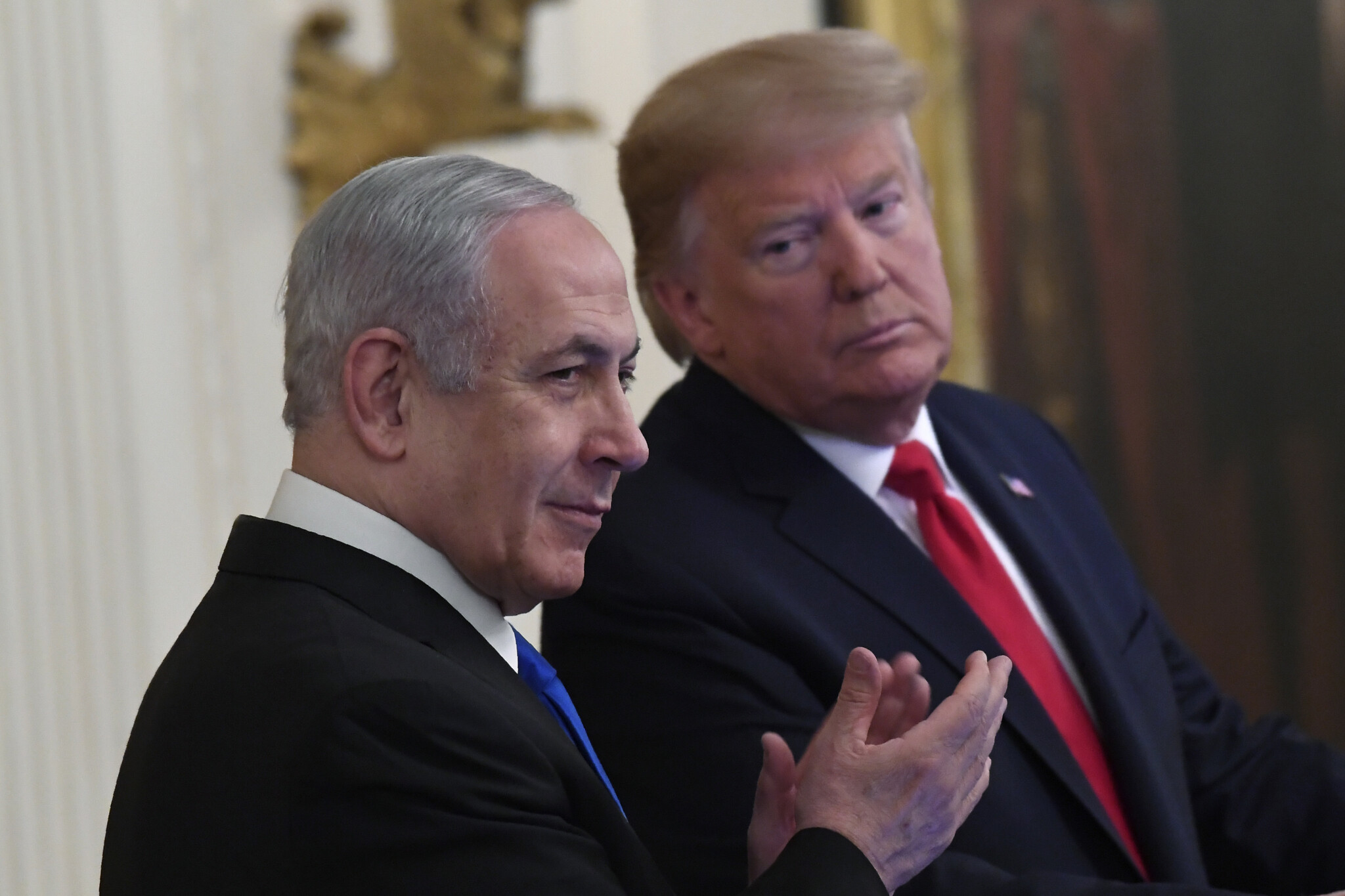
The controversy surrounding a reported private telephone conversation between President Donald Trump and Israeli Prime Minister Benjamin Netanyahu erupted into a major political and national security dispute on Monday evening after Fox News host and conservative commentator Mark Levin forcefully condemned the disclosure of details from the alleged exchange, calling for a federal investigation into what he described as an unlawful leak that could undermine American strategic interests and benefit hostile foreign actors.
MORE RE YESTERDAY’S LEAK ABOUT THE PHONE CALL BETWEEN POTUS AND BIBII
Barack Ravid at Axios should be fired. Reason: his story was largely fabricated by those leaking anonymously leaking to him. The media need to take seriously the accuracy of what they report and these media…
— Mark R. Levin (@marklevinshow) June 2, 2026
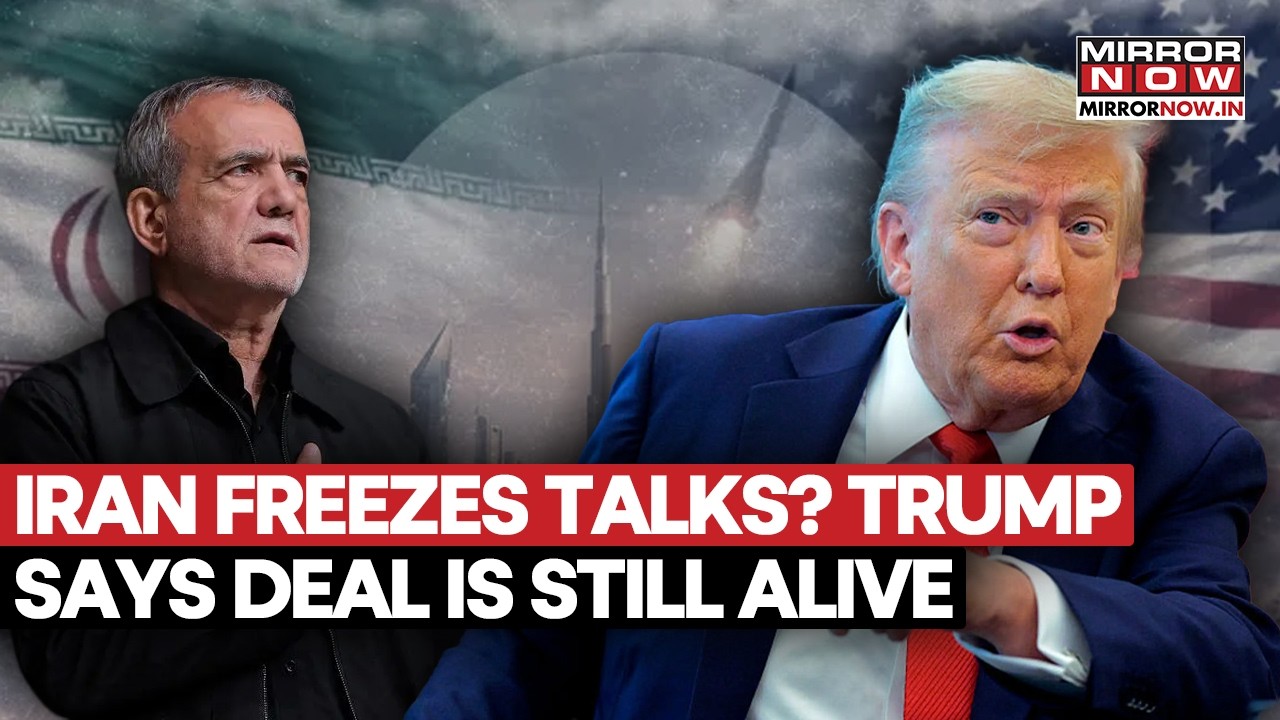
The uproar began after Axios published a report citing anonymous US officials and sources familiar with the matter who claimed that President Trump engaged in an unusually heated and profanity-laced discussion with Netanyahu regarding the escalating conflict between Israel and Hezbollah in Lebanon, as well as broader diplomatic efforts involving Iran.
According to the report, Trump allegedly expressed intense frustration over Israel’s military actions in Lebanon and questioned Netanyahu’s handling of the situation. The report characterized the conversation as tense and confrontational, with the president reportedly accusing the Israeli leader of jeopardizing delicate diplomatic negotiations that Washington has been attempting to advance in the region.
The publication of the alleged details immediately generated international attention, particularly because it surfaced amid an increasingly fragile geopolitical environment involving the United States, Israel, Iran, and Hezbollah.
Among the most vocal critics of the leak was Mark Levin, a longtime supporter of Israel and one of the most influential conservative voices in American media. Levin responded with unmistakable outrage, arguing that the disclosure of what was purportedly a confidential conversation between two heads of government represented far more than a routine political leak.
Taking to social media, Levin denounced the disclosure in emphatic terms.
“THE LEAK IN AXIOS WAS A VIOLATION OF FEDERAL LAW AND PROVIDED SUPPORT TO THE IRANIAN REGIME AND ITS HEZBOLLAH PROXY,” Levin wrote.
His remarks reflected concerns among some national security observers that the disclosure of sensitive diplomatic communications could potentially complicate ongoing negotiations and strategic planning at a particularly volatile moment in the Middle East.
Levin further argued that the reported leak was not merely harmful to President Trump or Prime Minister Netanyahu as individuals but potentially damaging to the broader interests of both nations.
“Whomever leaked that story to Barak Ravid at Axios did a grave disservice to our country, to our president, to Israel, and to Israel’s prime minister,” Levin stated.
The conservative commentator contended that adversaries of both the United States and Israel could interpret the reported details as evidence of division between Washington and Jerusalem at a time when unity is considered strategically important.
“The Iranian regime will benefit from that leak,” Levin asserted, warning that Tehran could perceive the disclosure as an indication of weakness or desperation in the American negotiating posture. “Viewing us as weak and desperate for a deal — even coming to Hezbollah’s defense,” he continued.
Levin also suggested that many Israelis would react negatively to the publication of the reported conversation because of the continuing security threats facing communities near Israel’s northern border. “The Israeli people will also be furious,” Levin wrote. “The missiles are aimed at them, not Washington.”
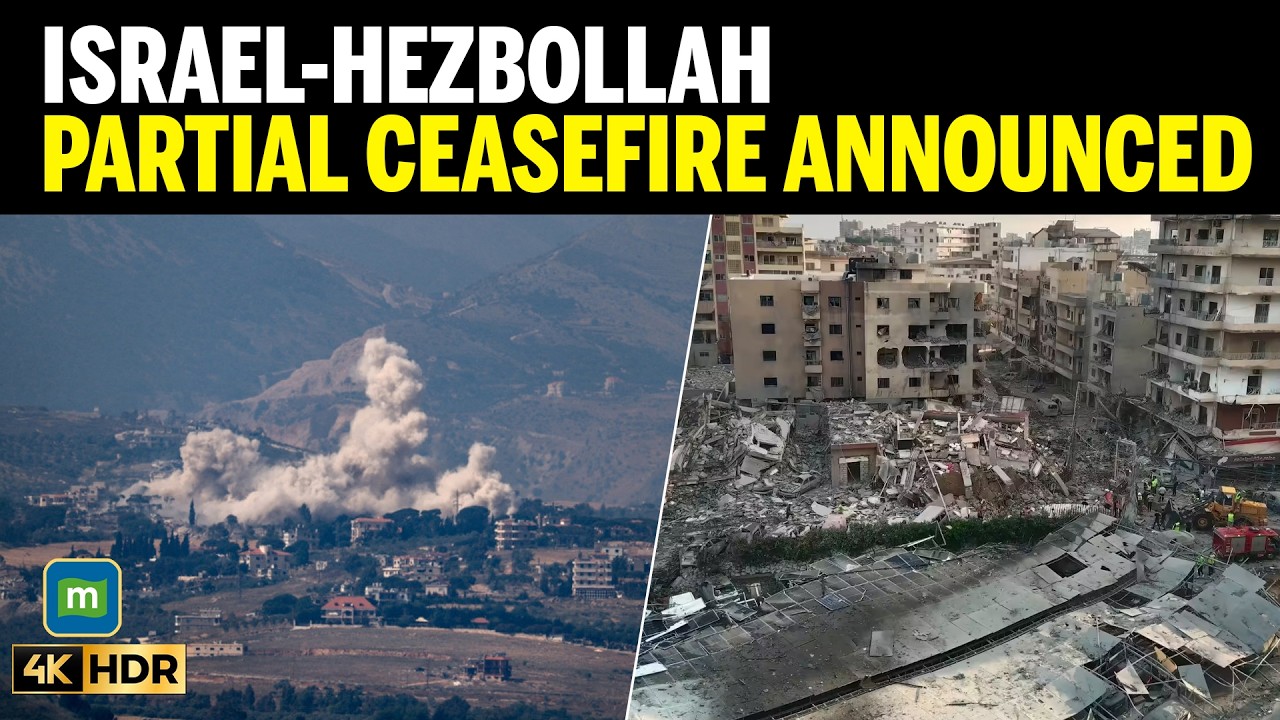
His comments came against the backdrop of ongoing military confrontations involving Hezbollah, the Iranian-backed terrorist organization that has launched repeated attacks against Israeli territory. Israeli officials have argued that military operations in southern Lebanon are necessary to protect civilians living in northern Israel from rocket, missile, and drone attacks.
The reported disagreement between Trump and Netanyahu emerged as diplomatic efforts aimed at reducing regional tensions faced mounting challenges. Various reports have indicated that negotiations involving Iran have become increasingly complicated by developments on multiple fronts, including Lebanon.
Levin argued that leaking details of high-level diplomatic communications could have serious consequences extending well beyond domestic political considerations. “And for 100 other reasons, what was thought to be a devastating political hit on Netanyahu by the leakers about a private call between heads of state has done much damage to us and our military and our diplomatic strategy,” he wrote.
His comments reflected a broader concern frequently expressed by national security experts that unauthorized disclosures can alter diplomatic calculations, reveal negotiating positions, and create unintended consequences during sensitive international crises.
The veteran broadcaster also warned against any expectation that Israel should compromise what he views as essential security interests in pursuit of a diplomatic arrangement.
“And if the leakers or others believe Israel should abandon its survival for some deal, they will have a very hard lesson to learn,” Levin declared. Perhaps most significantly, Levin called for a formal federal investigation to determine the source of the disclosure. “If the substance of the call is accurate, it is bad enough in my view,” he wrote. “Will there be an FBI investigation to determine who leaked? If not, why not?”
That demand quickly became a focal point of the debate, raising broader questions about the handling of confidential communications involving senior government officials.
Historically, leaks involving sensitive diplomatic conversations have generated controversy across multiple administrations. Such disclosures frequently ignite disputes over national security, government transparency, political accountability, and the protection of classified or privileged communications.
Supporters of investigations into such incidents often argue that unauthorized disclosures can undermine diplomatic trust and damage relationships with foreign leaders who expect confidential discussions to remain private.
Critics, meanwhile, sometimes contend that public disclosure can provide insight into policymaking processes and governmental decision-making during moments of significant international consequence.
In this instance, Levin clearly positioned himself on the side of those demanding accountability for the leak itself rather than focusing exclusively on the substance of the reported conversation.
The controversy also highlights the increasingly complex relationship between media reporting, national security concerns, and political warfare in the digital age. Reports based on anonymous sourcing often become central drivers of public debate, particularly when they involve high-profile leaders and sensitive international negotiations.
Whether federal authorities ultimately examine the origins of the disclosure remains unclear. As of now, no public announcement regarding a formal investigation has been made.
What is certain, however, is that the report has intensified scrutiny of U.S.-Israel relations at a particularly delicate moment. It has also amplified longstanding debates regarding the balance between journalistic reporting and the protection of confidential government communications.
For Levin, the issue transcends partisan politics.
His argument is that the unauthorized disclosure of sensitive diplomatic conversations carries consequences that extend far beyond a single news cycle. In his view, the reported leak potentially affects military strategy, diplomatic leverage, regional stability, and the ability of the United States and its allies to confront shared threats.
As tensions continue to simmer across the Middle East and negotiations involving Iran remain uncertain, the controversy surrounding the reported Trump-Netanyahu conversation appears likely to remain a subject of intense political and media attention in the days ahead.
Whether the focus ultimately centers on the substance of the alleged remarks or on the source of the disclosure itself may determine how the episode is remembered. For now, Levin’s demand for answers has ensured that the debate over the leak is unlikely to fade anytime soon.



