



















By: Fern Sidman
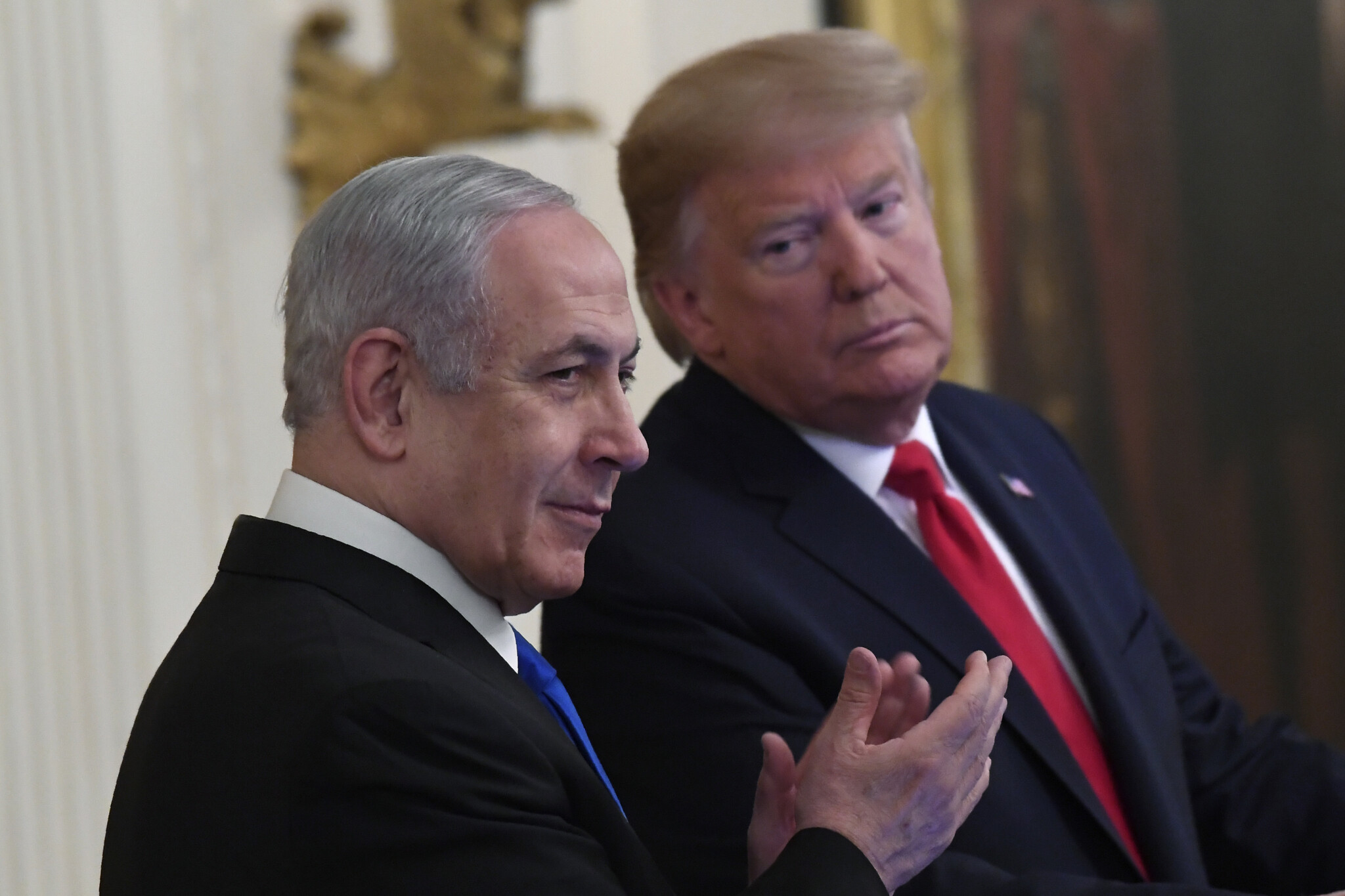
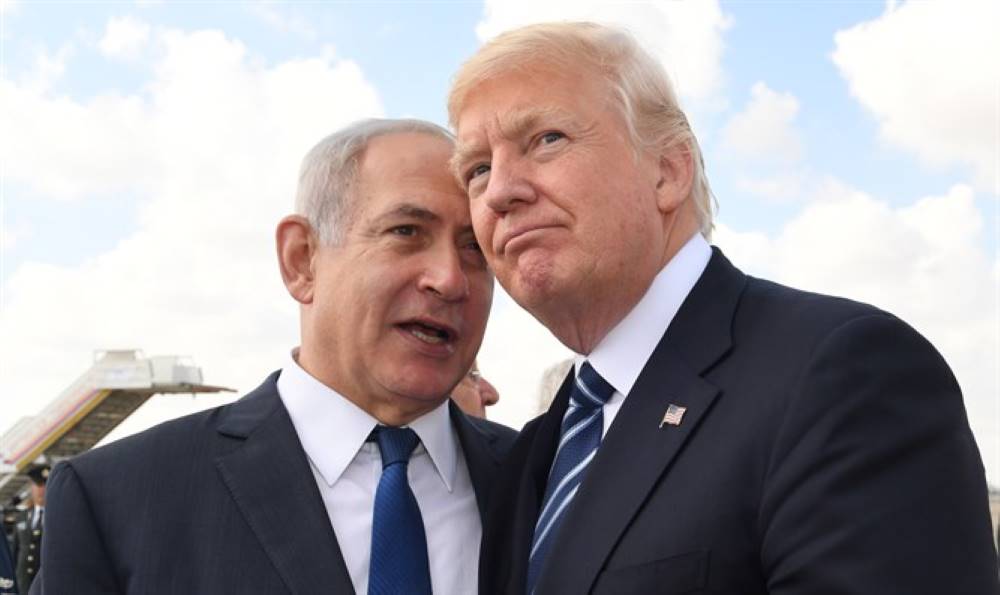
Israeli Prime Minister Benjamin Netanyahu sought on Wednesday to downplay reports of a heated exchange with President Donald Trump over developments in Lebanon, emphasizing instead the broad strategic alignment that continues to define relations between Jerusalem and Washington on the critical issue of Iran.
Speaking in an interview with CNBC, Netanyahu addressed growing media speculation regarding what several reports described as a contentious telephone conversation between the two leaders earlier this week. While the prime minister declined to discuss the details of the reported exchange, he made clear that disagreements between close allies should not be interpreted as evidence of a deeper rupture.
According to a report at Israel National News, Netanyahu underscored that both leaders remain firmly united on the overarching objectives of preventing Iran from acquiring nuclear weapons and countering the Islamic Republic’s regional ambitions.
“President Trump and I agree on the main issues concerning Iran,” Netanyahu stated. “Sometimes we have tactical disagreements, but we resolve them.”
The remarks represented Netanyahu’s first public comments following widespread reports alleging that discussions between the Israeli and American leaders became unusually tense amid ongoing diplomatic and military developments involving Iran and Lebanon.
While declining to directly confirm or deny specific details surrounding the reported telephone conversation, Netanyahu appeared eager to project an image of continuity and cooperation between the two governments. “There are arguments even in good families,” he said, employing a phrase that suggested occasional disagreements are inevitable even among the closest allies.
The prime minister’s comments, as reported by Israel National News, come at a particularly sensitive moment in Middle Eastern diplomacy, as the United States continues efforts to secure broader regional understandings involving Iran while Israel remains focused on the threats posed by Tehran and its network of allied militant organizations.
Throughout the interview, Netanyahu repeatedly returned to what he characterized as the central challenge confronting both Israel and the United States: the future conduct of the Iranian regime.
The prime minister indicated that uncertainty remains regarding Tehran’s intentions and whether the Islamic Republic is prepared to abandon confrontation in favor of diplomacy. “The question is whether Iran wants to return to another round of fighting,” Netanyahu said. “We’ll wait and see, as they say.”
The comment reflected the persistent volatility that continues to characterize relations between Iran and its adversaries across the region. According to the Israel National News report, Netanyahu stressed that Washington and Jerusalem remain committed to pursuing common strategic goals, even as discussions continue regarding the most effective methods for achieving them. “The United States and we have shared goals,” he said. “We will see what we can achieve through an agreement.”
The statement suggested cautious openness toward diplomatic initiatives while simultaneously preserving the option of more forceful measures should negotiations fail to deliver meaningful results.
For Netanyahu, the issue of Iran’s nuclear ambitions remains the defining security challenge facing Israel. The prime minister has spent years warning that Tehran’s nuclear program represents not only a threat to Israel but also a danger to regional and global stability. His comments to CNBC echoed that longstanding position while highlighting continued cooperation with the Trump administration.
The reported disagreement between Netanyahu and Trump has attracted significant international attention because of the historically close relationship between the two leaders.
Over the years, Netanyahu has frequently cited Trump’s policies as among the most consequential pro-Israel actions undertaken by any American administration. Those policies included the relocation of the U.S. Embassy to Jerusalem, recognition of Israeli sovereignty over the Golan Heights, and support for the Abraham Accords.
Against that backdrop, reports of a heated conversation generated widespread speculation regarding the state of the relationship.
Yet Netanyahu’s remarks appeared designed to reassure observers that tactical disagreements should not be mistaken for strategic divergence. His description of occasional disputes as the equivalent of disagreements within a family suggested that differences are a normal feature of complex alliances rather than evidence of fundamental conflict.
Political analysts have long noted that close cooperation between allied nations often involves intense private discussions, particularly during periods of heightened regional instability. By declining to engage directly with reports of the alleged exchange while simultaneously emphasizing shared objectives, Netanyahu appeared to strike a careful balance between acknowledging political realities and preserving diplomatic unity.
Netanyahu’s comments come amid continuing concerns regarding the possibility of renewed military escalation involving Iran and Iranian-backed organizations operating throughout the Middle East.
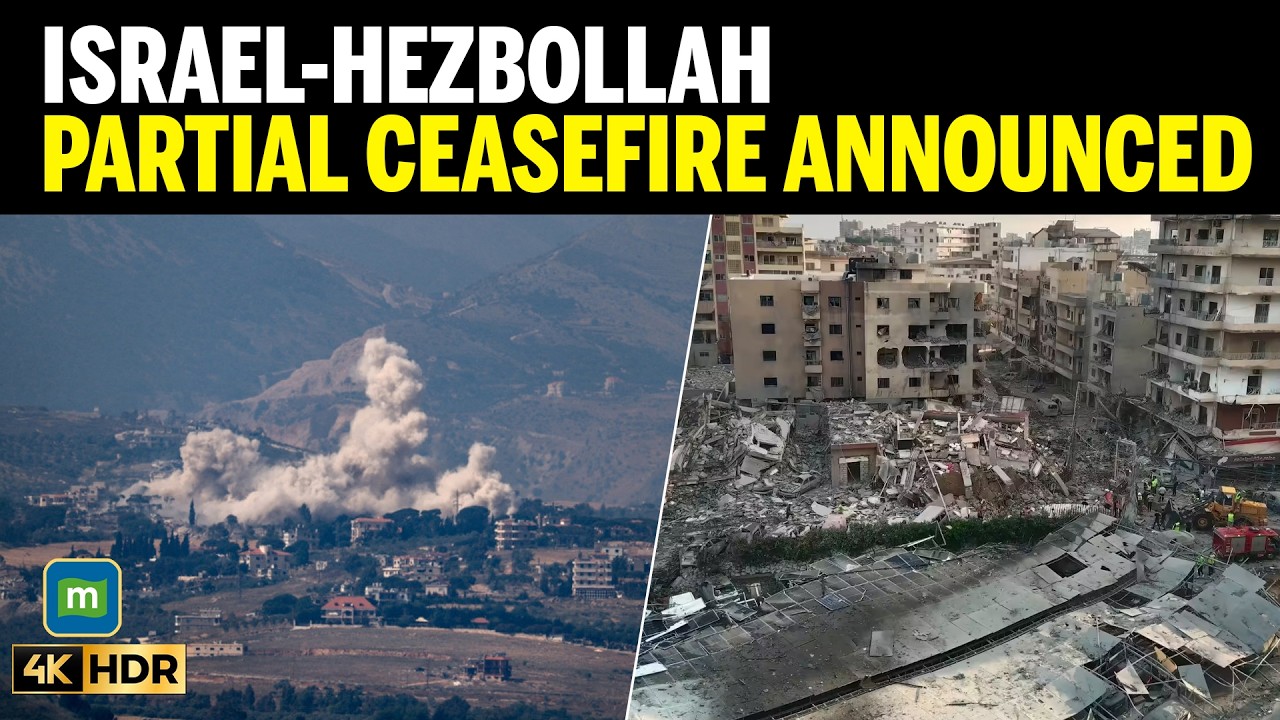
According to the Israel National News report, recent developments in Lebanon have intensified those concerns, raising questions about the durability of ceasefire arrangements and the broader security environment.
For Israel, Hezbollah remains one of the most formidable threats along its northern frontier. The Iranian-backed organization possesses extensive military capabilities and has been at the center of repeated confrontations with Israel over the past two decades. Israeli officials have consistently argued that Hezbollah functions as a central component of Tehran’s regional strategy and serves as a forward operating force for Iranian interests.
Against that backdrop, discussions involving Lebanon inevitably intersect with broader debates about Iran’s role throughout the region.
Beyond addressing relations with Washington, Netanyahu used the CNBC interview to launch a forceful critique of European political leaders. In some of the interview’s most striking remarks, the prime minister accused European governments of lacking the resolve necessary to confront radical Islamist extremism. “It is shameful how European leaders surrender to radical Islamic minorities in their countries,” Netanyahu declared.
The statement reflected frustrations that Israeli leaders have increasingly expressed regarding what they view as inconsistent European responses to security threats and regional conflicts.
Netanyahu argued that Europe has benefited from Israel’s efforts to confront forces that he believes threaten Western civilization more broadly. “They know that we are defending them as well,” he said.
The prime minister then intensified his criticism by accusing European leaders of failing to stand firmly behind principles they privately recognize as essential. “But they do not have the courage to stand with what is right,” Netanyahu continued, “the side that will save our civilization from the barbarians.”
The remarks are likely to generate significant discussion across European capitals, where debates regarding immigration, integration, extremism, and national security have become increasingly prominent political issues.
Netanyahu’s comments were notable not only for their diplomatic implications but also for the broader civilizational framework through which he chose to present current geopolitical challenges.
Rather than portraying the confrontation with Iran and its allies solely as a regional conflict, the prime minister framed it as part of a larger struggle involving democratic societies and extremist movements. That perspective has long been central to Netanyahu’s political worldview.
He has frequently argued that Israel serves as a frontline defender of democratic values and that threats directed against the Jewish state ultimately threaten other Western nations as well.
His comments to CNBC reflected that same argument, linking Israel’s security concerns to broader questions about the future of democratic societies and the willingness of political leaders to confront extremist ideologies.
As diplomatic efforts continue and regional tensions remain elevated, Netanyahu’s remarks offered a glimpse into how Israel’s leadership is navigating a particularly complex geopolitical landscape.
While reports of disagreements between Jerusalem and Washington have generated headlines, the prime minister’s message was ultimately one of continuity rather than division. His emphasis on shared objectives with President Trump, combined with his insistence that tactical differences can be resolved, suggested confidence in the durability of the U.S.-Israel alliance.
At the same time, his warnings regarding Iran and his pointed criticism of European governments underscored his belief that the challenges confronting Israel remain both immediate and profound. According to the Israel National News report, Netanyahu’s comments reflected a leader determined to project strength, maintain strategic partnerships, and keep international attention focused on what he views as the central threat posed by Iran and its regional network of allies.
Whether diplomacy ultimately succeeds or tensions once again escalate remains uncertain. For now, however, Netanyahu’s message was unmistakable: Israel and the United States remain aligned on their fundamental objectives, and Jerusalem intends to remain steadfast in confronting the security challenges it believes lie ahead.