













By: Fern Sidman
New York City Mayor Zohran Mamdani reignited a contentious political debate on Monday after expressing sharp objections to the participation of several Israeli government ministers in the annual Israel Day Parade, a celebration that drew thousands of participants and spectators to Manhattan’s Fifth Avenue over the weekend.
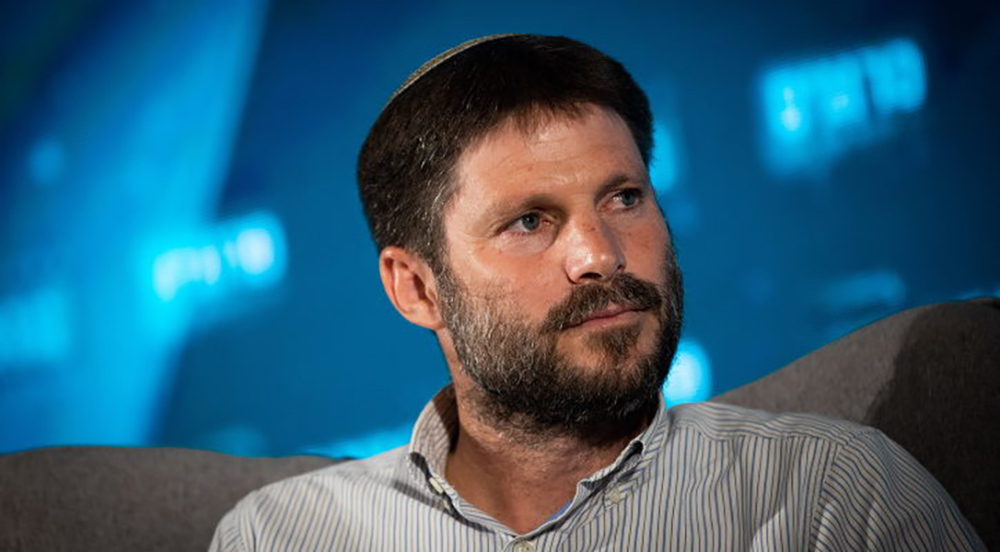
According to a report at Israel National News, Mamdani, who chose not to attend the parade on Sunday and became the first New York City mayor in decades to forgo the event, singled out Israeli Finance Minister Bezalel Smotrich for criticism during an interview with MSNOW. His remarks immediately drew renewed scrutiny from critics who have long accused the mayor of maintaining an adversarial posture toward Israel and alienating many pro-Israel New Yorkers.
The controversy unfolded against the backdrop of a parade that has traditionally served as one of the most visible public demonstrations of solidarity between New York’s Jewish community and the State of Israel. The event has historically attracted elected officials from across the political spectrum, including governors, mayors, members of Congress, community leaders, clergy, and representatives of numerous civic organizations.
Speaking about the participation of Smotrich and other Israeli officials, Mamdani did not conceal his disapproval. “I’ve made clear time and time again over the course of the campaign my criticisms of the Israeli government,” Mamdani said. “And you can see in the participation of the far-right Israeli minister Smotrich, as well as a number of other ministers, a vision of annihilation, a complicity in genocide, and frankly, a belief that does not have much value for even the sanctity of children in Gaza. And I am offended, as I know many New Yorkers are, by their participation.”
The comments, reported by Israel National News, immediately intensified an already heated debate regarding the mayor’s relationship with New York’s Jewish community and his broader approach to Israel-related issues.
For many critics, the remarks represented the latest chapter in a pattern of statements and actions that have generated concern among Jewish organizations and pro-Israel advocates. Supporters of Israel argue that the mayor’s repeated condemnations of Israeli policies frequently cross from policy criticism into rhetoric that many Jewish New Yorkers find troubling and divisive.
At the same time, Mamdani defended his decision not to participate in the parade, maintaining that his absence did not diminish his administration’s commitment to public safety.
Addressing the participation of members of his administration in the event, Mamdani emphasized that officials were free to make their own decisions. “I allow them to make their own decisions as to what marches they would like to participate in,” he stated.
The mayor also reiterated that ensuring security for the parade remained a municipal responsibility regardless of whether he personally attended. “As I’ve said time and time again, as the mayor of this city, I need not be present to ensure the security of a march,” Mamdani said. “And also that this is a march to celebrate Israel. That is something that many New Yorkers attended, many New Yorkers did not.”
Seeking to reassure Jewish residents, he added, “When it comes to the sanctity and the security of Jewish life in this city, that is something that we are fully committed to — to ensuring that each and every Jewish New Yorker is not just safe in this city, but is celebrated.”
Nevertheless, the mayor’s explanation has done little to quiet criticism from opponents who view his decision to boycott the parade as symbolic of a broader estrangement from a community that represents one of New York City’s most significant demographic and cultural constituencies.
According to the Israel National News report, New York Governor Kathy Hochul, who participated in the parade, also criticized Smotrich’s appearance at the event. “Bezalel Smotrich is a far-right extremist whose hateful and divisive rhetoric is fundamentally at odds with the values we hold dear in New York,” Hochul said in a statement. “Yesterday’s parade was a celebration of Jewish pride, community, and unity. I strongly condemn his participation.”
While Hochul’s criticism focused specifically on Smotrich, her attendance at the parade stood in sharp contrast to Mamdani’s absence, a distinction that many political observers noted.
The dispute over the parade has also revived discussion of Mamdani’s record on Israel and Middle East issues, a subject that has generated controversy throughout his political career.
The Israel National News report noted that during his mayoral campaign, Mamdani repeatedly faced questions regarding the phrase “globalize the intifada,” a slogan that is equivalent to a call to violence against Israelis and Jews. Critics argued that his refusal to explicitly repudiate the phrase fueled concerns about his willingness to confront antisemitic rhetoric when it emerges within activist circles aligned with his political base.
Mamdani also attracted criticism for comments made on October 8, 2023, one day after Hamas terrorists carried out their unprecedented massacre in southern Israel. Opponents argued that his early public statements focused heavily on criticism of Israel at a moment when the world was still absorbing the scale of the atrocities committed against Israeli civilians.
Since then, the mayor has repeatedly accused Israel of committing war crimes during its military campaign against Hamas in Gaza. He has also vowed to arrest Israeli Prime Minister Benjamin Netanyahu should the Israeli leader visit New York City, citing international legal proceedings.
Those positions have made Mamdani a prominent figure among progressive critics of Israel but have simultaneously deepened concerns among many Jewish voters who believe such rhetoric contributes to a hostile political atmosphere.
Additional controversy emerged shortly after Mamdani assumed office.
According to the Israel National News report, one of his earliest actions as mayor involved rescinding executive orders implemented by former Mayor Eric Adams concerning Israel and antisemitism.
Among the measures reversed was an executive order formally adopting the International Holocaust Remembrance Alliance’s working definition of antisemitism. The IHRA definition has been embraced by numerous governments, institutions, and organizations worldwide as a tool for identifying and combating antisemitism.
Another rescinded order prohibited mayoral appointees and agency personnel from participating in boycotts or divestment campaigns targeting Israel.
The cancellations drew immediate criticism from Jewish advocacy organizations, which argued that the measures had represented meaningful steps toward addressing rising antisemitism and strengthening relations between New York City and Israel.
The mayor has also faced additional scrutiny stemming from reports involving members of his family. Israel National News recently cited reports indicating that Mamdani’s wife, Rama Dawaji, had liked several social media posts that were supportive of or sympathetic toward Hamas’s October 7, 2023, attack on Israel.
The reports generated significant controversy and further intensified criticism from opponents who contend that the mayor has consistently failed to demonstrate sufficient sensitivity toward Jewish concerns during a period marked by rising antisemitic incidents in New York and across the United States.
For supporters of Israel, the latest dispute over the Israel Day Parade represents more than a disagreement about a single event. They view it as part of a broader ideological divide regarding the legitimacy of Zionism, the relationship between New York and Israel, and the role elected officials should play in fostering communal unity during a period of heightened tensions.
The political fallout from the mayor’s decision to boycott the parade and his subsequent comments appear unlikely to fade anytime soon.
With New York remaining home to the largest Jewish population outside Israel, the debate surrounding Mamdani’s relationship with the Jewish community is poised to remain a central and intensely scrutinized aspect of his mayoralty in the months and years ahead.
By: Fern Sidman
New York City Mayor Zohran Mamdani reignited a contentious political debate on Monday after expressing sharp objections to the participation of several Israeli government ministers in the annual Israel Day Parade, a celebration that drew thousands of participants and spectators to Manhattan’s Fifth Avenue over the weekend.
According to a report at Israel National News, Mamdani, who chose not to attend the parade on Sunday and became the first New York City mayor in decades to forgo the event, singled out Israeli Finance Minister Bezalel Smotrich for criticism during an interview with MSNOW. His remarks immediately drew renewed scrutiny from critics who have long accused the mayor of maintaining an adversarial posture toward Israel and alienating many pro-Israel New Yorkers.
The controversy unfolded against the backdrop of a parade that has traditionally served as one of the most visible public demonstrations of solidarity between New York’s Jewish community and the State of Israel. The event has historically attracted elected officials from across the political spectrum, including governors, mayors, members of Congress, community leaders, clergy, and representatives of numerous civic organizations.
Speaking about the participation of Smotrich and other Israeli officials, Mamdani did not conceal his disapproval. “I’ve made clear time and time again over the course of the campaign my criticisms of the Israeli government,” Mamdani said. “And you can see in the participation of the far-right Israeli minister Smotrich, as well as a number of other ministers, a vision of annihilation, a complicity in genocide, and frankly, a belief that does not have much value for even the sanctity of children in Gaza. And I am offended, as I know many New Yorkers are, by their participation.”
The comments, reported by Israel National News, immediately intensified an already heated debate regarding the mayor’s relationship with New York’s Jewish community and his broader approach to Israel-related issues.
For many critics, the remarks represented the latest chapter in a pattern of statements and actions that have generated concern among Jewish organizations and pro-Israel advocates. Supporters of Israel argue that the mayor’s repeated condemnations of Israeli policies frequently cross from policy criticism into rhetoric that many Jewish New Yorkers find troubling and divisive.
At the same time, Mamdani defended his decision not to participate in the parade, maintaining that his absence did not diminish his administration’s commitment to public safety.
Addressing the participation of members of his administration in the event, Mamdani emphasized that officials were free to make their own decisions. “I allow them to make their own decisions as to what marches they would like to participate in,” he stated.
The mayor also reiterated that ensuring security for the parade remained a municipal responsibility regardless of whether he personally attended. “As I’ve said time and time again, as the mayor of this city, I need not be present to ensure the security of a march,” Mamdani said. “And also that this is a march to celebrate Israel. That is something that many New Yorkers attended, many New Yorkers did not.”
Seeking to reassure Jewish residents, he added, “When it comes to the sanctity and the security of Jewish life in this city, that is something that we are fully committed to — to ensuring that each and every Jewish New Yorker is not just safe in this city, but is celebrated.”
Nevertheless, the mayor’s explanation has done little to quiet criticism from opponents who view his decision to boycott the parade as symbolic of a broader estrangement from a community that represents one of New York City’s most significant demographic and cultural constituencies.
According to the Israel National News report, New York Governor Kathy Hochul, who participated in the parade, also criticized Smotrich’s appearance at the event. “Bezalel Smotrich is a far-right extremist whose hateful and divisive rhetoric is fundamentally at odds with the values we hold dear in New York,” Hochul said in a statement. “Yesterday’s parade was a celebration of Jewish pride, community, and unity. I strongly condemn his participation.”
While Hochul’s criticism focused specifically on Smotrich, her attendance at the parade stood in sharp contrast to Mamdani’s absence, a distinction that many political observers noted.
The dispute over the parade has also revived discussion of Mamdani’s record on Israel and Middle East issues, a subject that has generated controversy throughout his political career.
The Israel National News report noted that during his mayoral campaign, Mamdani repeatedly faced questions regarding the phrase “globalize the intifada,” a slogan that is equivalent to a call to violence against Israelis and Jews. Critics argued that his refusal to explicitly repudiate the phrase fueled concerns about his willingness to confront antisemitic rhetoric when it emerges within activist circles aligned with his political base.
Mamdani also attracted criticism for comments made on October 8, 2023, one day after Hamas terrorists carried out their unprecedented massacre in southern Israel. Opponents argued that his early public statements focused heavily on criticism of Israel at a moment when the world was still absorbing the scale of the atrocities committed against Israeli civilians.
Since then, the mayor has repeatedly accused Israel of committing war crimes during its military campaign against Hamas in Gaza. He has also vowed to arrest Israeli Prime Minister Benjamin Netanyahu should the Israeli leader visit New York City, citing international legal proceedings.
Those positions have made Mamdani a prominent figure among progressive critics of Israel but have simultaneously deepened concerns among many Jewish voters who believe such rhetoric contributes to a hostile political atmosphere.
Additional controversy emerged shortly after Mamdani assumed office.
According to the Israel National News report, one of his earliest actions as mayor involved rescinding executive orders implemented by former Mayor Eric Adams concerning Israel and antisemitism.
Among the measures reversed was an executive order formally adopting the International Holocaust Remembrance Alliance’s working definition of antisemitism. The IHRA definition has been embraced by numerous governments, institutions, and organizations worldwide as a tool for identifying and combating antisemitism.
Another rescinded order prohibited mayoral appointees and agency personnel from participating in boycotts or divestment campaigns targeting Israel.
The cancellations drew immediate criticism from Jewish advocacy organizations, which argued that the measures had represented meaningful steps toward addressing rising antisemitism and strengthening relations between New York City and Israel.
The mayor has also faced additional scrutiny stemming from reports involving members of his family. Israel National News recently cited reports indicating that Mamdani’s wife, Rama Dawaji, had liked several social media posts that were supportive of or sympathetic toward Hamas’s October 7, 2023, attack on Israel.
The reports generated significant controversy and further intensified criticism from opponents who contend that the mayor has consistently failed to demonstrate sufficient sensitivity toward Jewish concerns during a period marked by rising antisemitic incidents in New York and across the United States.
For supporters of Israel, the latest dispute over the Israel Day Parade represents more than a disagreement about a single event. They view it as part of a broader ideological divide regarding the legitimacy of Zionism, the relationship between New York and Israel, and the role elected officials should play in fostering communal unity during a period of heightened tensions.
The political fallout from the mayor’s decision to boycott the parade and his subsequent comments appear unlikely to fade anytime soon.
With New York remaining home to the largest Jewish population outside Israel, the debate surrounding Mamdani’s relationship with the Jewish community is poised to remain a central and intensely scrutinized aspect of his mayoralty in the months and years ahead.



