



























U.S.-Brokered Ceasefire Marks Significant Diplomatic Breakthrough Between Israel and Lebanon
Washington-Led Initiative Seeks to Halt Hostilities and Lay Groundwork for Broader Regional Stability
By: Tzirel Rosenblatt
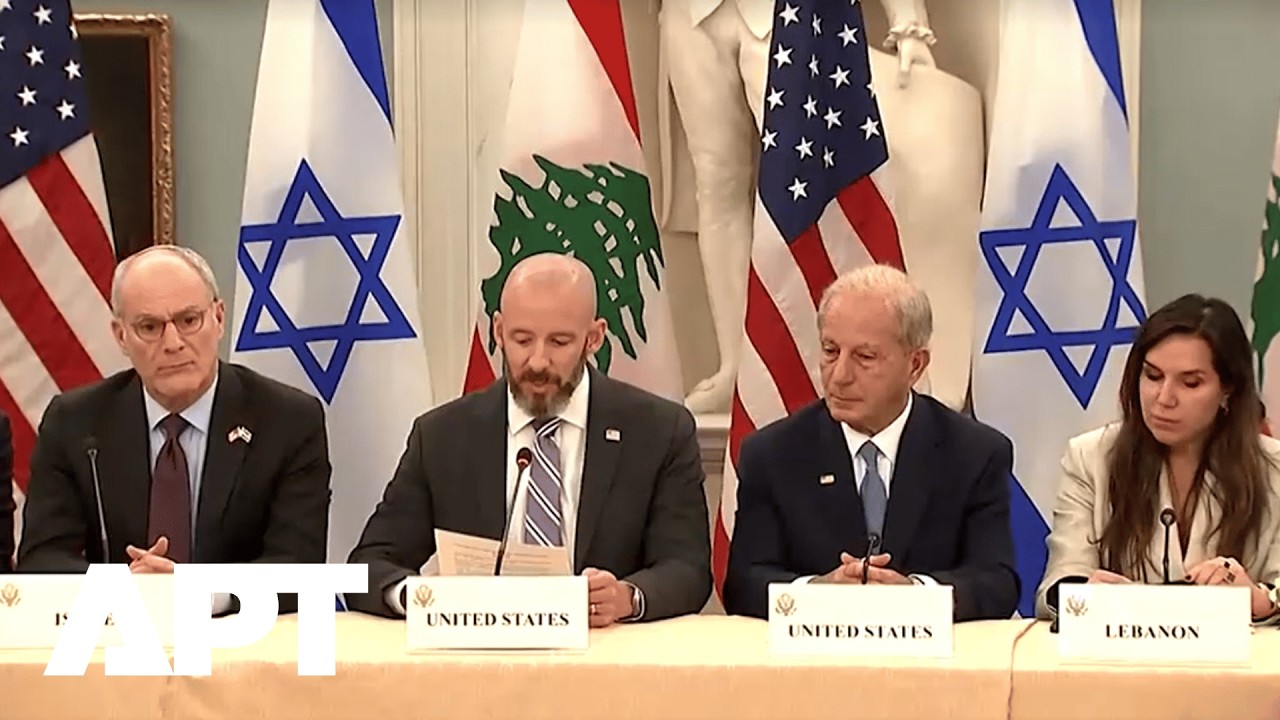
In what American officials are describing as a major diplomatic achievement in one of the Middle East’s most volatile arenas, the Department of State announced on Wednesday evening that Washington has successfully brokered a significant ceasefire arrangement between Israel and Lebanon, a development that could potentially alter the trajectory of a conflict that has repeatedly threatened to ignite into a broader regional war.
According to report by Fox News, the breakthrough emerged following intensive American-led negotiations that culminated in a trilateral meeting held on June 2 and June 3. The diplomatic process reportedly began several days earlier on May 29, with American officials working to bridge longstanding divisions and create a framework capable of reducing tensions along the increasingly combustible Israel-Lebanon frontier.
The announcement was greeted as a notable diplomatic accomplishment by U.S. officials, who emphasized that the agreement represents an important first step toward a more durable peace arrangement between the neighboring countries.
“As a result of the U.S.-led negotiations, Israel and Lebanon agreed to the implementation of a ceasefire,” the State Department declared in a joint statement cited by Fox News.
The statement further underscored the broader aspirations attached to the agreement, noting that, “Israel and Lebanon reaffirmed that they have no hostile intent toward one another and committed to continuing direct negotiations to build confidence, resolve all outstanding issues, and work toward a comprehensive agreement between the two countries.”
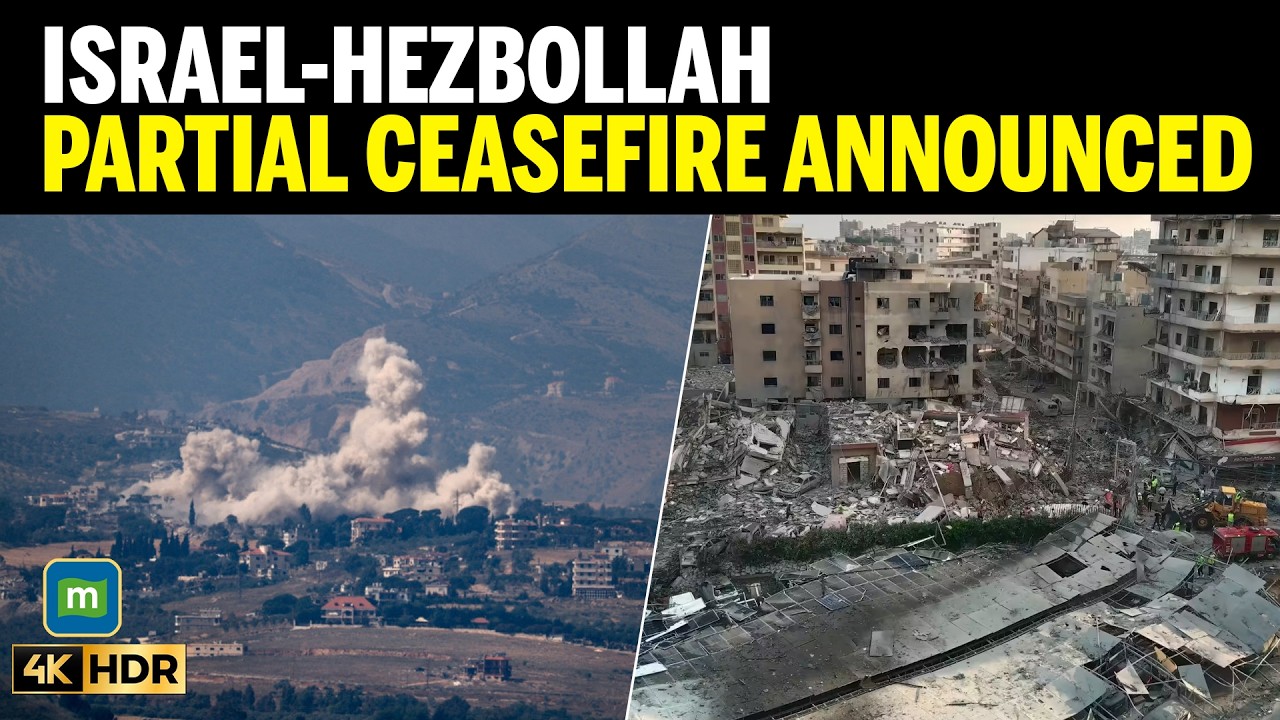
The announcement comes after months of instability and military confrontation along Israel’s northern border, where exchanges of fire, rocket attacks, drone incidents, and military operations have heightened fears of a wider regional conflagration.
Despite the optimistic tone surrounding the announcement, officials cautioned that the ceasefire remains conditional and dependent upon compliance by all relevant parties.
According to the information provided in the Fox News report, one of the most significant conditions involves Hezbollah, the Iran-backed terrorist organization that has long operated as a dominant military and political force within Lebanon.
American officials stressed that the success of the agreement will largely depend on Hezbollah’s willingness to halt offensive operations and cease attacks directed against Israel.
Under the terms outlined by the State Department, Hezbollah must immediately stop all attacks, withdraw its fighters from southern Lebanon’s South Litani Sector, and prevent the re-establishment of unauthorized armed groups within designated areas.
The requirements reflect longstanding Israeli security concerns regarding Hezbollah’s military presence near the border and the group’s extensive arsenal of rockets, missiles, drones, and military infrastructure.
Officials indicated that the ceasefire framework is designed not merely to stop current hostilities but also to address the conditions that have repeatedly led to conflict in previous years.
One of the most consequential elements of the arrangement involves the creation of specially designated pilot security zones within southern Lebanon.
Fox News reported that these areas will be placed under the exclusive authority and operational control of the Lebanese Armed Forces. The objective, according to officials, is to prevent militant organizations and non-state armed actors from exploiting security vacuums or using civilian areas as launching grounds for military operations.
The initiative represents an effort to strengthen the authority of the Lebanese state while reducing the influence of armed groups operating independently of the country’s official government institutions. American diplomats have long argued that durable stability in southern Lebanon requires greater control by recognized governmental authorities and reduced operational freedom for armed organizations functioning outside state command structures.
By placing designated zones under the exclusive control of the Lebanese military, negotiators hope to create an environment less susceptible to renewed escalation.
In discussing the ceasefire agreement, U.S. officials offered some of their strongest public criticism of Hezbollah to date.
As was reported by Fox News, American representatives emphasized that Hezbollah’s activities have harmed not only Israel and the United States but Lebanon itself. “Hezbollah is not just an enemy of Israel and an enemy of America, but that it is an enemy of Lebanon,” officials stated.
That assessment reflects Washington’s longstanding position that Hezbollah’s military activities have repeatedly undermined Lebanese sovereignty, weakened state institutions, and contributed to instability throughout the region.
American policymakers have consistently argued that Hezbollah’s ties to Iran and its extensive military capabilities place Lebanon at risk of becoming a battleground for broader geopolitical struggles.
The latest ceasefire effort appears aimed in part at reducing those risks while empowering Lebanese state institutions.
The agreement also highlights the increasingly central role being played by the United States in efforts to stabilize multiple conflict zones across the Middle East. According to the Fox News report, American officials served as the primary mediators throughout the negotiations and will continue overseeing future discussions.
The State Department indicated that while the ceasefire represents an important milestone, a permanent settlement remains a longer-term objective that will require sustained diplomatic engagement. Officials emphasized that any final peace arrangement must ultimately be negotiated directly between Israel and Lebanon. The United States, however, is expected to continue serving as the principal intermediary and facilitator.
Diplomatic observers note that direct negotiations between Israel and Lebanon remain politically sensitive given decades of conflict, mutual distrust, and unresolved territorial and security disputes. As a result, Washington’s role as a broker may prove indispensable in maintaining momentum.
The ceasefire announcement was accompanied by plans for additional negotiations later this month. The Fox News report noted that representatives from both countries are expected to reconvene during the week of June 22 to continue discussions aimed at transforming the current arrangement into a more comprehensive agreement.
Those talks are expected to focus on confidence-building measures, security guarantees, dispute resolution mechanisms, and other issues that have long complicated relations between the two nations.
While officials declined to provide extensive details regarding future negotiations, they stressed that the ultimate objective remains a broader and more permanent framework capable of ending recurring cycles of violence.
The language employed by negotiators suggests ambitions extending well beyond a temporary cessation of hostilities. References to “building confidence,” “resolving all outstanding issues,” and pursuing “a comprehensive agreement” indicate a desire to address the structural causes of conflict rather than merely managing its symptoms.
The significance of the ceasefire extends beyond Israel and Lebanon. Regional analysts have noted that stability along the Israeli-Lebanese frontier carries implications for broader Middle Eastern security, particularly given Hezbollah’s relationship with Iran and the interconnected nature of various regional conflicts.
Any successful reduction in hostilities could ease pressure on multiple fronts and potentially create opportunities for broader diplomatic initiatives.
At the same time, experts caution that numerous ceasefire agreements in the region have faced significant challenges in implementation. The durability of the current arrangement will depend heavily on enforcement mechanisms, political will, and the willingness of armed actors to abide by their commitments. For that reason, many observers view the coming weeks as critical.
As reported by Fox News, U.S. officials remain cautiously optimistic regarding the agreement’s prospects. The ceasefire represents one of the most significant diplomatic developments between Israel and Lebanon in recent months and offers a potential pathway away from escalating confrontation. Nevertheless, officials have repeatedly emphasized that the arrangement remains contingent upon compliance, particularly from Hezbollah.
Should attacks resume or commitments go unfulfilled, the ceasefire could face immediate strain.
For now, however, the agreement provides a rare moment of diplomatic progress in a region often defined by volatility and conflict.
Whether it evolves into a lasting peace framework or becomes another temporary pause in a longstanding struggle will likely depend on the actions taken by all parties in the weeks ahead.
What is clear, according to Fox News and statements from the U.S. Department of State, is that Washington views the agreement as a significant achievement and an opportunity to advance broader efforts aimed at promoting security, stability, and eventual reconciliation between two countries whose relationship has been shaped by decades of hostility.
The upcoming negotiations scheduled for the week of June 22 may ultimately determine whether this ceasefire becomes merely a temporary respite or the foundation for a historic diplomatic transformation in the Middle East.



