






















|
Getting your Trinity Audio player ready...
|
By: Fern Sidman
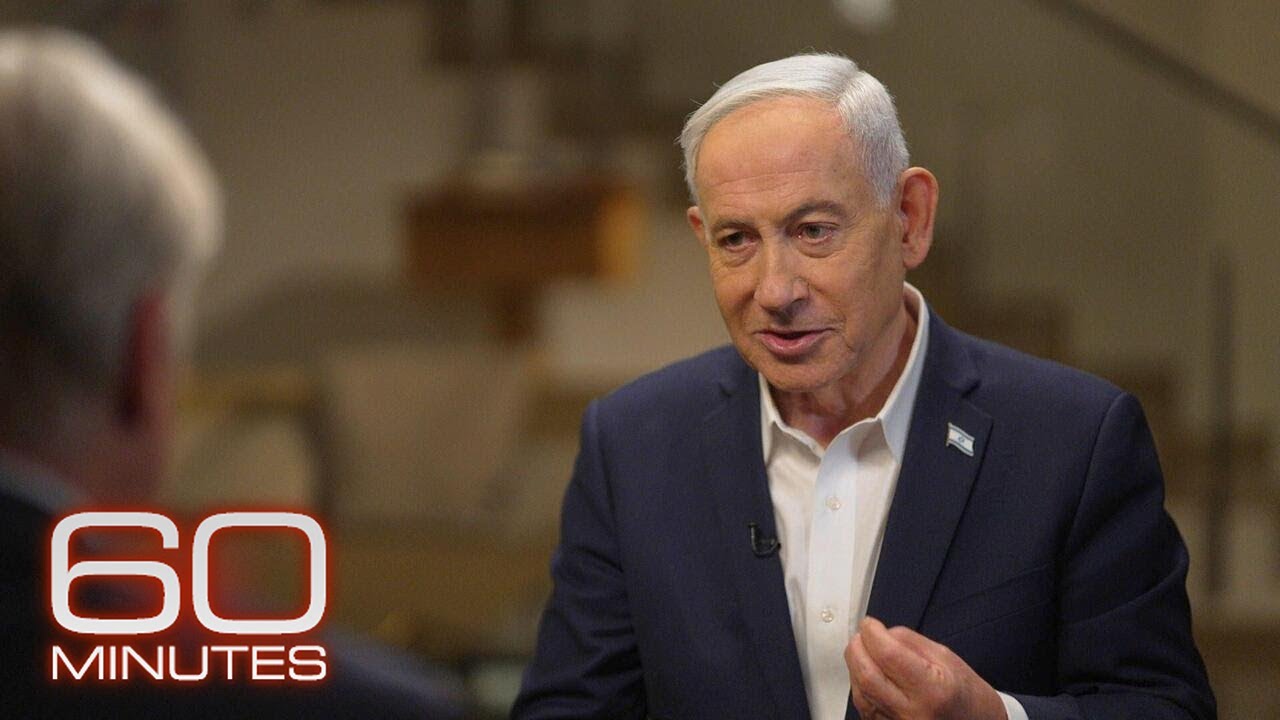
In a move that could recalibrate one of the most enduring pillars of the U.S.-Israel alliance, Benjamin Netanyahu announced that Israel intends to gradually eliminate its reliance on American military assistance, proposing a structured reduction of the current $3.8 billion in annual aid to zero over the coming decade. The declaration, delivered during a widely viewed interview on CBS’ 60 Minutes, has sparked both intrigue and debate across diplomatic, military, and policy circles, as reported on Sunday by VIN News.
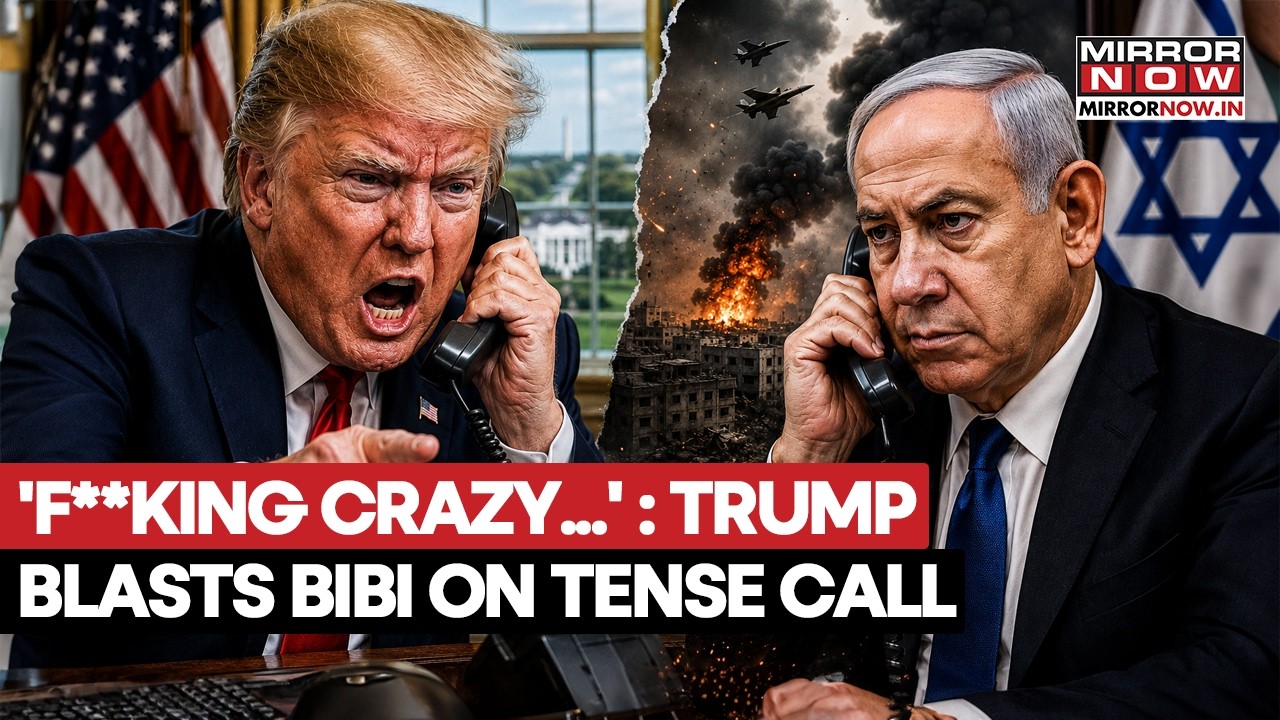
Netanyahu’s remarks, notable for their clarity and ambition, reflect what he described as a broader strategic evolution rooted in Israel’s expanding economic resilience and the increasing sophistication of its domestic defense capabilities. “I’ve said this to President Trump. I’ve said it to our own people,” Netanyahu stated candidly. “Their jaws dropped, but I said I want to draw down to zero the American financial support, the financial component of the military cooperation that we have — because we receive 3.8 billion dollars a year.”
The Israeli leader’s comments, cited in the VIN News report as a central development in transatlantic relations, underscore a deliberate effort to redefine the nature of military cooperation between Jerusalem and Washington. While the United States has long been Israel’s most significant defense partner, providing substantial financial assistance alongside technological collaboration, Netanyahu’s proposal suggests a pivot toward greater self-sufficiency.
“I think that it’s time that we weaned ourselves from the remaining military support,” Netanyahu continued. “I want to start now.” The language employed by the prime minister conveys both urgency and conviction, signaling a desire to initiate the transition immediately rather than defer the process to future administrations or congressional negotiations.
The current framework governing U.S. military aid to Israel is anchored in a memorandum of understanding that guarantees $3.8 billion annually through 2028. This arrangement, which has historically enjoyed robust bipartisan support in Washington, has been a cornerstone of bilateral relations, enabling Israel to maintain qualitative military superiority in a region characterized by persistent volatility.
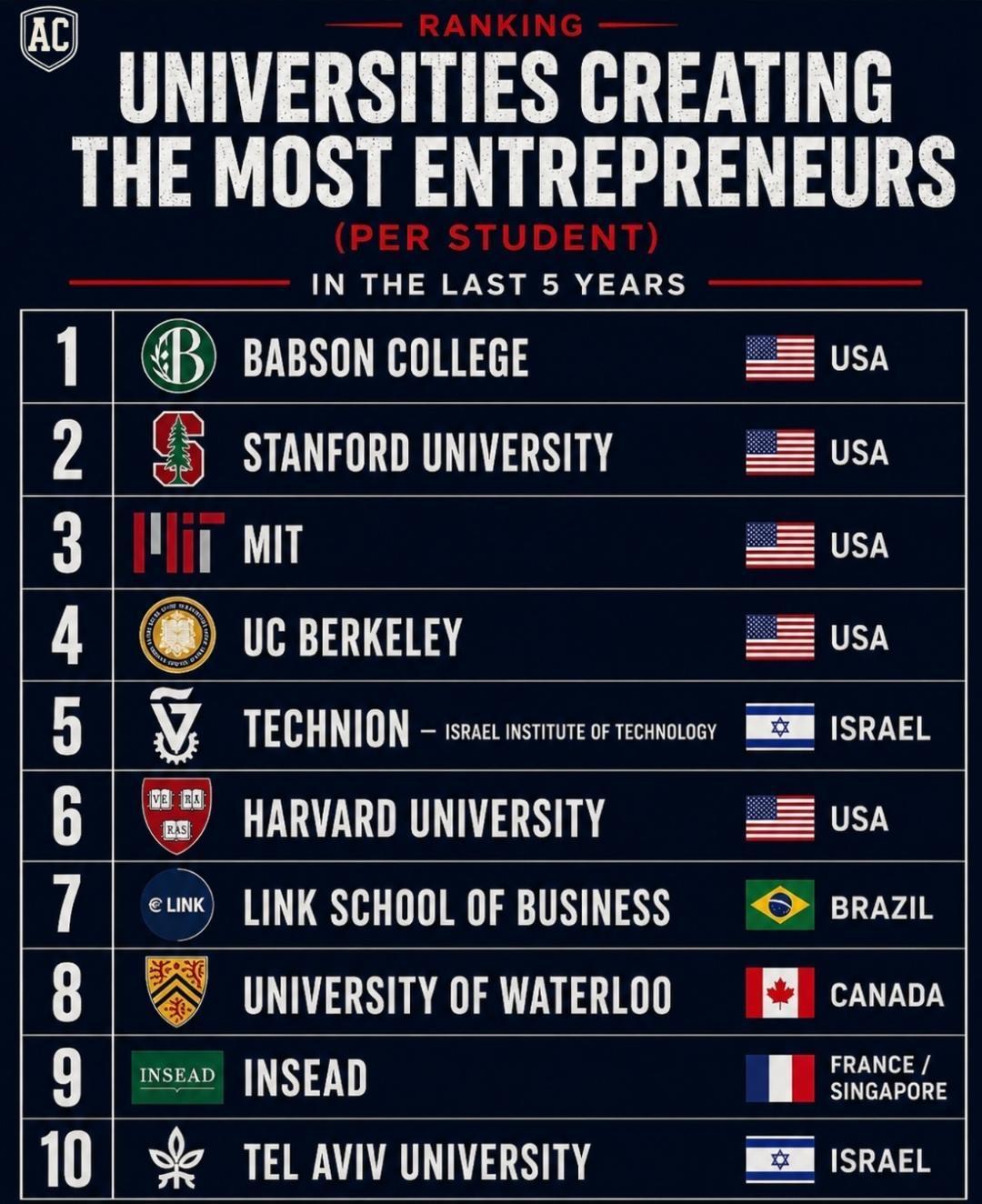
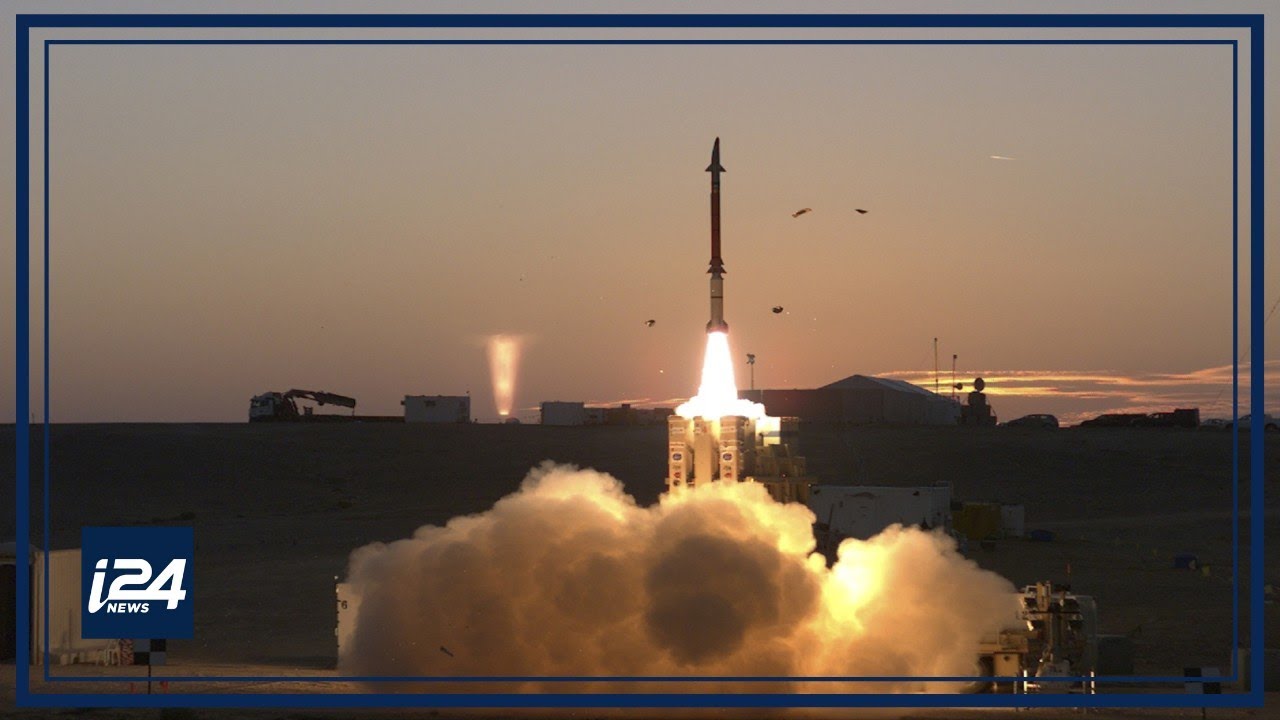
Yet as the VIN News report observed, Netanyahu’s proposal does not signify a retreat from strategic partnership but rather a recalibration of its financial dimension. The prime minister emphasized that Israel’s evolving economic landscape and burgeoning defense sector have diminished its dependence on external funding. Over the past decades, Israel has emerged as a global leader in defense innovation, with advanced capabilities in missile defense, cyber warfare, and aerospace technology.
Netanyahu’s rationale is rooted in this transformation. By reducing reliance on American aid, Israel seeks to assert its status as a mature and self-reliant strategic actor. The move, he suggested, would align the financial aspects of the alliance with the realities of Israel’s current capabilities. “I want to start now,” he reiterated, indicating that the process could unfold more rapidly than the projected 10-year timeline if conditions permit.
The announcement has not been without surprise, even within Israel’s own political and defense establishment. Netanyahu acknowledged that his proposal elicited astonishment among Israeli officials. “Their jaws dropped,” he remarked, highlighting the extent to which the initiative challenges longstanding assumptions about the indispensability of American financial support.
At the same time, the prime minister framed the decision as a natural progression in the bilateral relationship. Israel, he argued, has reached a stage of development where continued reliance on foreign aid may no longer be necessary or strategically optimal. This perspective echoes comments Netanyahu has made in previous interviews, including discussions with The Economist, in which he characterized the gradual reduction of aid as a reflection of Israel’s maturity as a partner.
The potential implications of this policy shift are multifaceted. From a fiscal standpoint, the phased elimination of U.S. aid would require Israel to assume full responsibility for funding its defense expenditures, a task that could place additional demands on the national budget. However, proponents of the plan argue that Israel’s robust economy and thriving technology sector provide a solid foundation for such a transition.
From a diplomatic perspective, the move could redefine the optics of the U.S.-Israel relationship. By reducing financial dependence, Israel may seek to project an image of greater autonomy, potentially altering perceptions both within the region and among international observers. As the VIN News report noted, this could have broader implications for how alliances are conceptualized in an era of shifting geopolitical dynamics.
Despite the significance of Netanyahu’s announcement, immediate reactions from American officials have been notably absent. Neither the White House nor members of Congress have issued formal responses, leaving open questions about how Washington will interpret and respond to the proposal. Historically, U.S. military assistance to Israel has been viewed not only as a mechanism of support but also as a strategic investment in regional stability and shared security interests.
The absence of an immediate reaction, as highlighted by VIN News, suggests that policymakers may be taking time to assess the broader ramifications of Netanyahu’s plan. Any adjustment to the current framework would likely require extensive consultation and coordination between the two governments, as well as consideration of congressional perspectives.
It is also important to note that Netanyahu’s proposal pertains specifically to the financial component of military cooperation. The broader strategic partnership between the United States and Israel encompasses a wide range of activities, including joint exercises, intelligence sharing, and collaborative development of defense technologies. These elements are expected to remain intact, even as the financial dimension undergoes potential restructuring.
In this context, the proposed phase-out of aid can be understood not as a diminution of the alliance but as an evolution in its structure. By assuming greater financial responsibility, Israel may seek to enhance its strategic flexibility while maintaining close coordination with its American counterpart.
As the VIN News report observed, the coming months will be critical in determining how this proposal is received and whether it gains traction within both Israeli and American policy circles. The timeline outlined by Netanyahu provides a framework for gradual implementation, allowing for adjustments and recalibrations as needed.
Ultimately, the significance of Netanyahu’s announcement lies not only in its immediate policy implications but also in what it reveals about Israel’s self-perception and strategic ambitions. The decision to move toward financial independence reflects a broader confidence in the nation’s capabilities and a desire to redefine its role within the international system.
Whether this vision will be realized remains to be seen. What is clear, however, is that the proposal has introduced a new dimension to the discourse surrounding U.S.-Israel relations, one that will undoubtedly shape discussions for years to come. As Netanyahu himself articulated, the process is intended to begin now—a signal that the era of unquestioned reliance on American military aid may be entering a new phase.



