






















Ben Gvir Denounces Lebanon Ceasefire, Warns Agreement Could Strengthen Hezbollah
Israeli National Security Minister Calls Proposed Truce a “Grave Mistake,” Urges Netanyahu to Take More Independent Stance
By: Fern Sidman
Israeli National Security Minister Itamar Ben Gvir launched a forceful public attack on the emerging ceasefire arrangement between Israel and Lebanon on Thursday, arguing that the proposed agreement risks undermining Israel’s long-term security interests and could ultimately allow Hezbollah to rebuild its military capabilities.
According to a report at Israel National News, Ben Gvir expressed deep skepticism regarding the understandings reportedly reached with Lebanon and strongly questioned whether the agreement would achieve its stated objective of reducing the threat posed by the Iran-backed Hezbollah organization along Israel’s northern frontier.
The minister’s remarks underscore growing divisions within Israel’s political leadership regarding the appropriate strategy for confronting Hezbollah following months of hostilities and heightened regional tensions.
Speaking publicly on Thursday morning, Ben Gvir characterized the proposed ceasefire as fundamentally flawed and warned that it could create conditions favorable to Hezbollah rather than weaken the organization. “The ceasefire with Lebanon is a grave mistake and pipe dream by advisers who are dragging the Prime Minister into incorrect decisions,” Ben Gvir declared, according to statements cited by Israel National News.
His criticism centered on the belief that the agreement would fail to remove Hezbollah fighters and infrastructure from areas that Israel considers strategically threatening. “Hezbollah will not leave the area south of the Litani, and the Lebanese army has no way to force it to evacuate,” Ben Gvir asserted.
The Litani River has long occupied a central place in Israeli security planning regarding Lebanon. Israeli officials have repeatedly argued that Hezbollah’s military presence south of the river creates an unacceptable threat to communities throughout northern Israel. Successive Israeli governments have maintained that international agreements and Lebanese government commitments have often failed to prevent Hezbollah from maintaining or rebuilding military positions in sensitive areas.
Ben Gvir’s comments reflect those longstanding concerns while also signaling a broader distrust of Lebanon’s ability to enforce any future security arrangements.
According to the Israel National News report, the minister went beyond criticism of Hezbollah itself and questioned the role of the Lebanese state in any ceasefire framework. In his assessment, Lebanon cannot be viewed as a neutral actor capable of restraining Hezbollah. “The State of Lebanon is a partner of Hezbollah,” Ben Gvir said. “There are ministers in its government on behalf of Hezbollah, and relatives of Hezbollah members serve in the Lebanese army.”
The assertion reflects a view held by some Israeli political leaders that Hezbollah’s influence within Lebanese political and governmental institutions has become so extensive that meaningful separation between the organization and the state is no longer possible.
Supporters of a ceasefire have argued that diplomatic arrangements can reduce violence and create opportunities for greater stability, but Ben Gvir rejected that premise, contending that any pause in hostilities would ultimately benefit Hezbollah.
According to Israel National News, he warned that ending military operations at this stage could allow the organization to recover from battlefield setbacks and prepare for future confrontations. “If the fighting stops,” Ben Gvir cautioned, “in practice, Hezbollah will only grow stronger, and instead of defeating it, Israel is coming to terms with its very existence.”
That statement reflects one of the central debates within Israel’s security establishment: whether sustained military pressure is necessary to degrade Hezbollah’s capabilities or whether diplomatic mechanisms can provide a durable reduction in hostilities.
Ben Gvir’s remarks suggest he firmly believes that only continued pressure can prevent Hezbollah from reconstituting its military infrastructure. A substantial portion of the minister’s criticism was directed toward the role of the United States in shaping the current ceasefire framework.
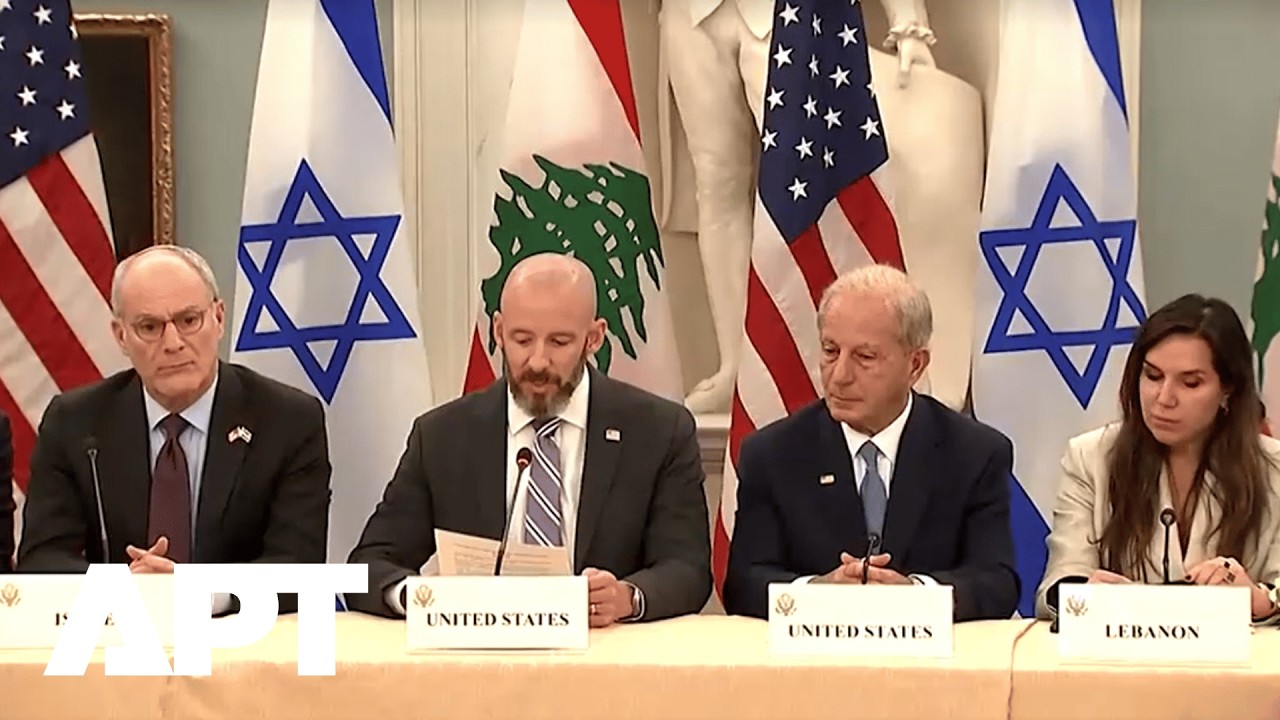
Washington has played a significant role in diplomatic efforts aimed at reducing tensions between Israel and Lebanon, with American officials frequently acting as intermediaries in negotiations involving regional security concerns. Ben Gvir, however, indicated that he believes Israel should maintain a more independent posture even when facing pressure from close allies.
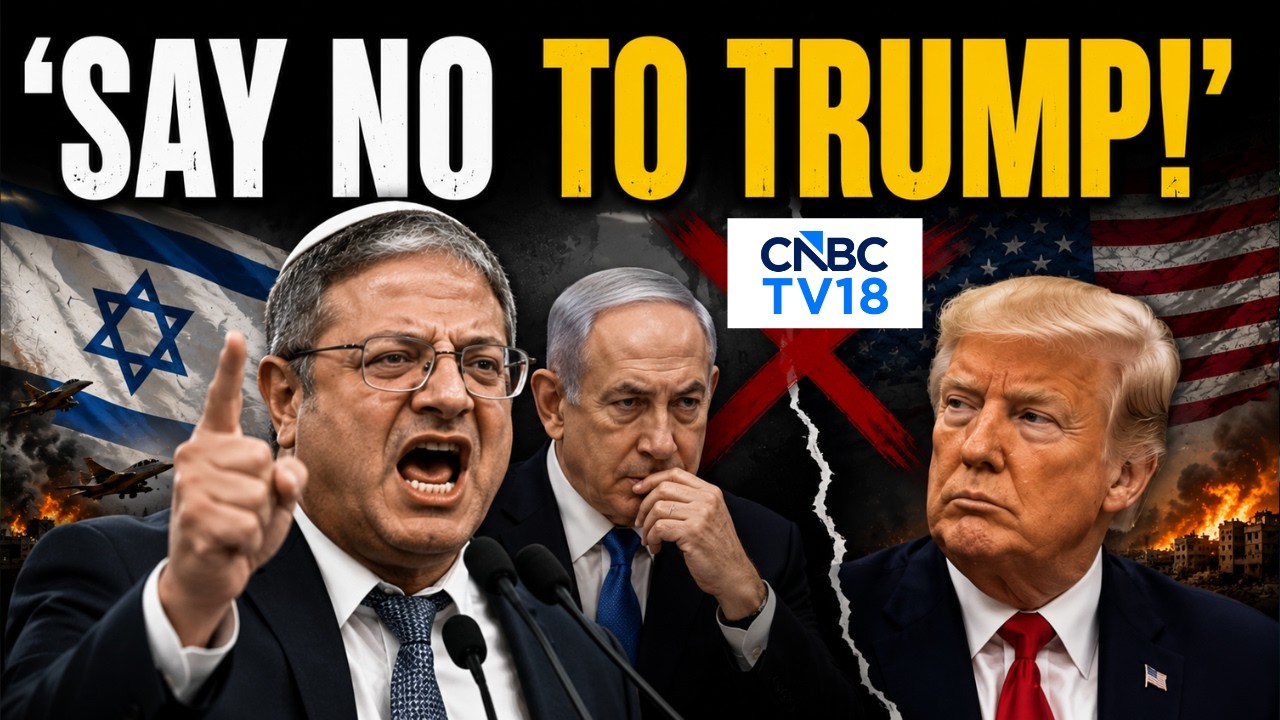
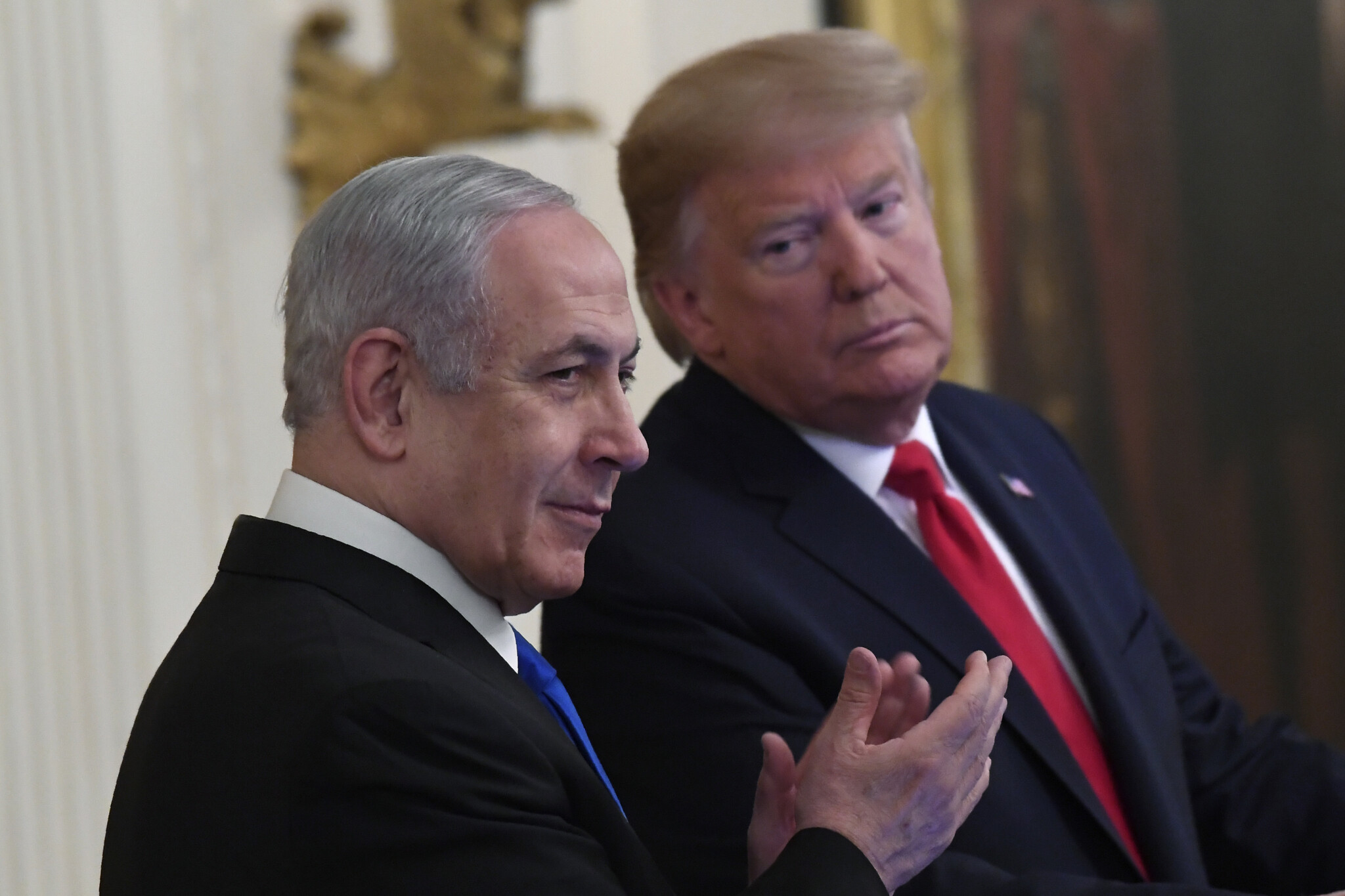
According to the Israel National News report, he argued that Israeli leaders must be prepared to reject proposals that they believe could compromise national security. “The Prime Minister should have said to President Trump: We love and appreciate you, but Israel is a sovereign and independent state, and it cannot accept the strengthening or very existence of a terror organization on our border,” Ben Gvir stated.
The comments highlight the delicate balance Israeli leaders often attempt to maintain between preserving strategic cooperation with the United States and asserting independent decision-making on matters involving national defense.
Israel and the United States have long shared a close strategic partnership, but disagreements over tactics and regional policy have occasionally surfaced even during periods of strong bilateral cooperation. Ben Gvir suggested that this moment represents one of those occasions where Israel must prioritize its own assessment of security realities. “There are moments when one must know how to say ‘no’ even to the President of the United States,” he said.
The minister warned that failure to do so could produce dangerous consequences in the future. “And when that is not done, we will meet Hezbollah next time when it is much stronger and more dangerous,” he added.
His warning reflects a broader concern among critics of ceasefire arrangements that temporary reductions in violence can sometimes provide militant organizations with opportunities to regroup, replenish weapons stockpiles, strengthen command structures, and prepare for future military engagements.
Supporters of negotiated agreements, by contrast, often argue that ceasefires can reduce civilian suffering, prevent escalation, and create conditions for longer-term diplomatic solutions. The debate has become increasingly significant as policymakers weigh the costs and benefits of continued military operations versus negotiated understandings.
Beyond criticizing the substance of the proposed arrangement, Ben Gvir also called for a more formal governmental review process before any agreement is finalized. According to the Israel National News report, he demanded that Prime Minister Benjamin Netanyahu convene an orderly cabinet discussion to examine the terms and implications of the ceasefire. The request reflects the importance of collective decision-making within Israel’s security and political leadership during periods of heightened regional tension.
Cabinet deliberations frequently play a crucial role in determining Israeli policy on major national security matters, particularly those involving military operations, ceasefires, and international negotiations.
Ben Gvir’s remarks come amid ongoing uncertainty regarding the future trajectory of Israel’s confrontation with Hezbollah and broader regional developments involving Iran and its network of allied organizations. The situation remains fluid, with competing diplomatic and military considerations shaping policy discussions in Jerusalem, Washington, Beirut, and other regional capitals.
As reported by Israel National News, the national security minister’s intervention places him among the most vocal opponents of the proposed ceasefire and underscores the significant political debate surrounding the agreement.
Whether the ceasefire ultimately succeeds in reducing tensions or whether concerns such as those raised by Ben Gvir prove prescient remains a matter of intense discussion among policymakers, military analysts, and regional observers.
For now, the minister’s message was unequivocal: he believes that any arrangement which leaves Hezbollah intact and capable of rebuilding its military strength represents a strategic error that could create greater dangers for Israel in the years ahead. His warnings, delivered in unusually direct language, are likely to ensure that the debate over the ceasefire remains at the forefront of Israeli political discourse as leaders continue weighing the costs, risks, and potential benefits of the proposed agreement.



