





























|
Getting your Trinity Audio player ready...
|
By: Jason Ostedder
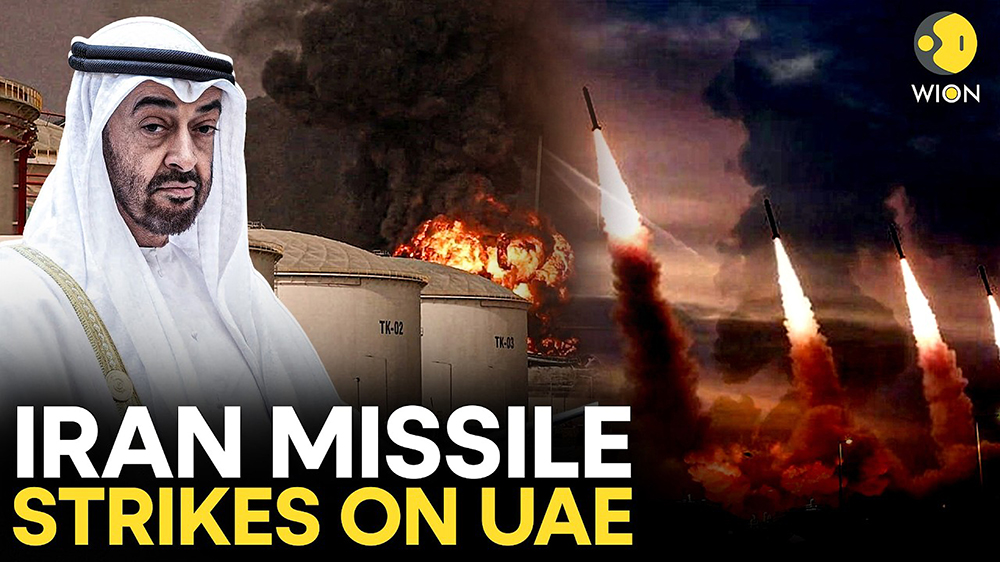
A dramatic and deeply alarming escalation unfolded across the Persian Gulf on Monday evening as Iran launched multiple salvoes of cruise missiles targeting the United Arab Emirates, marking a significant intensification of hostilities in an already volatile region. The attack, confirmed and detailed on Monday by Israel National News, has raised urgent concerns about the prospect of a broader regional conflagration involving not only Iran and Gulf states but also the United States and Israel.
The strikes, which followed hours of heightened alert and public warnings, underscore the increasingly precarious security environment in the Gulf, where military movements, technological deployments, and diplomatic tensions are converging in a manner that threatens to spiral beyond containment.
According to the information provided in the Israel National News report, residents across the United Arab Emirates received emergency alerts on their mobile devices approximately two hours before the missile launches, warning of an imminent threat and instructing them to seek shelter in protected areas. These alerts, unprecedented in their scope and urgency, reflected the seriousness of the intelligence assessments that preceded the attack.
The first wave of missiles—comprising four cruise projectiles—was partially neutralized by defensive systems. Three of the missiles were successfully intercepted, while the fourth fell harmlessly into the sea. Despite this initial success, the subsequent salvo proved more consequential.

In the second wave, additional missiles penetrated defensive measures, resulting in injuries to three individuals. Though casualties were limited, the incident has amplified fears regarding the capacity of even advanced defense systems to fully neutralize sustained missile barrages.
Shortly after the attacks, authorities issued an all-clear message, signaling the immediate cessation of the threat. Yet the psychological and strategic impact of the strikes is likely to endure far beyond the brief period of active engagement.
Compounding the severity of the missile assault, Iranian forces also deployed attack drones, further complicating the defensive challenge faced by the UAE. As reported by Israel National News, at least one drone successfully struck a petrochemical facility, causing damage and raising concerns about the vulnerability of critical infrastructure.
The use of drones in conjunction with missile strikes reflects a broader tactical evolution in Iran’s military strategy. By combining different types of aerial threats, Tehran has sought to overwhelm defensive systems and exploit potential gaps in coverage.
This approach has been observed in previous engagements across the region, but its application against the UAE represents a significant escalation, particularly given the country’s strategic importance as a hub of global trade and energy production.
The Iranian strikes occurred against the backdrop of a growing American military presence in the region. Earlier in the day, the United States military announced that guided-missile destroyers had entered the Persian Gulf after transiting the Strait of Hormuz, a critical chokepoint for global shipping.
This deployment forms part of “Project Freedom,” a U.S.-led initiative aimed at ensuring the uninterrupted flow of commercial maritime traffic through the strait. As highlighted in the Israel National News report, the operation seeks to restore confidence in one of the world’s most vital shipping lanes, which has been increasingly threatened by regional instability.
In a significant early success, two U.S.-flagged merchant vessels successfully navigated the strait under American protection, continuing safely on their routes. This achievement, while limited in scope, demonstrates the operational capabilities of U.S. forces and their commitment to maintaining maritime security.
However, the proximity of American naval assets to the site of Iranian missile launches introduces a new layer of complexity. The potential for direct confrontation between U.S. and Iranian forces, whether intentional or accidental, remains a persistent and troubling possibility.
Israel’s Expanding Role in Gulf Defense
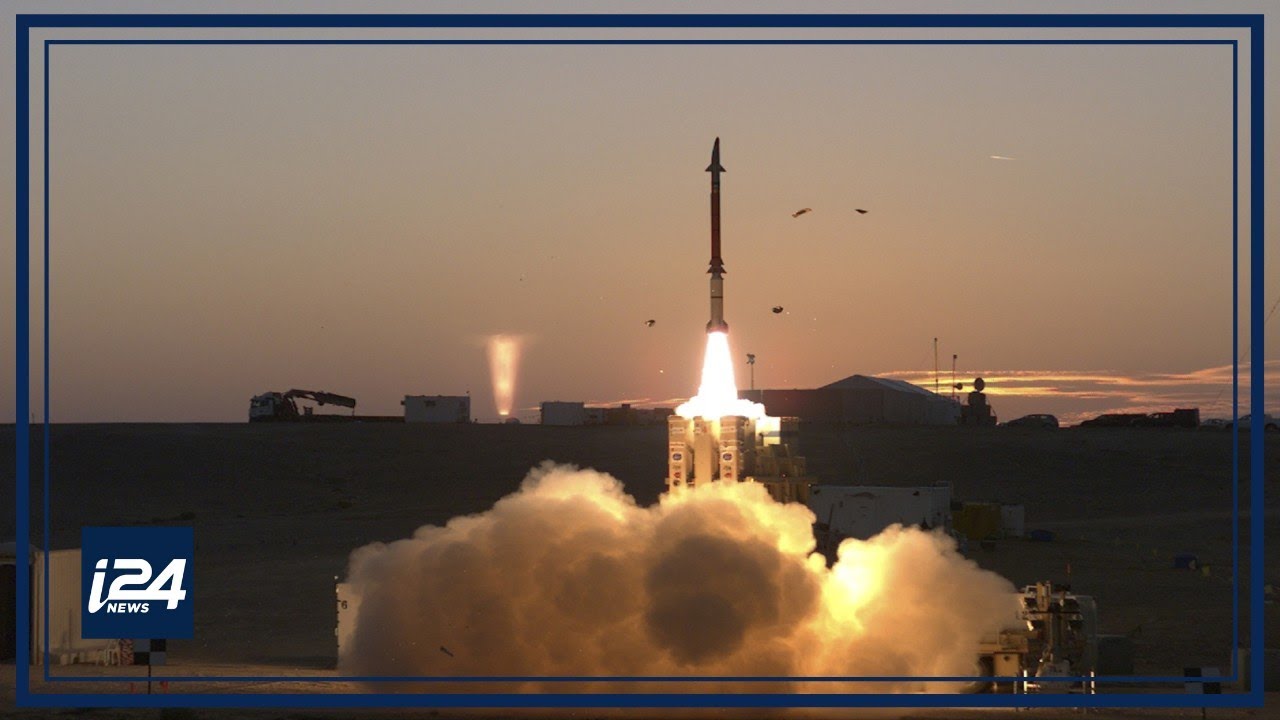
Amid the escalating tensions, Israel has emerged as a key contributor to the region’s defensive posture. According to the Israel National News report, Israel has transferred its advanced “Iron Beam” air defense system to Abu Dhabi in recent days.
This cutting-edge technology, based on laser interception capabilities, represents a significant advancement in the field of missile and drone defense. Unlike traditional systems that rely on kinetic interceptors, Iron Beam uses directed energy to neutralize incoming threats, offering the potential for rapid and cost-effective defense against large volumes of projectiles.

The deployment of Iron Beam is part of a broader, multi-layered defense architecture that also includes the “Spectro” system developed by Elbit Systems. This system enhances the detection and tracking of drones at distances of up to 20 kilometers, providing an additional layer of situational awareness.
In addition, Iron Dome batteries—renowned for their effectiveness in intercepting short-range rockets—have reportedly been deployed in the UAE. These systems, combined with Israeli personnel and advisors on the ground, form a comprehensive defensive network designed to counter the evolving threat posed by Iran.
The convergence of Iranian offensive actions, American naval deployments, and Israeli defensive support has created a highly combustible environment. As the Israel National News report emphasized, the situation is characterized by rapid escalation and limited margins for error.
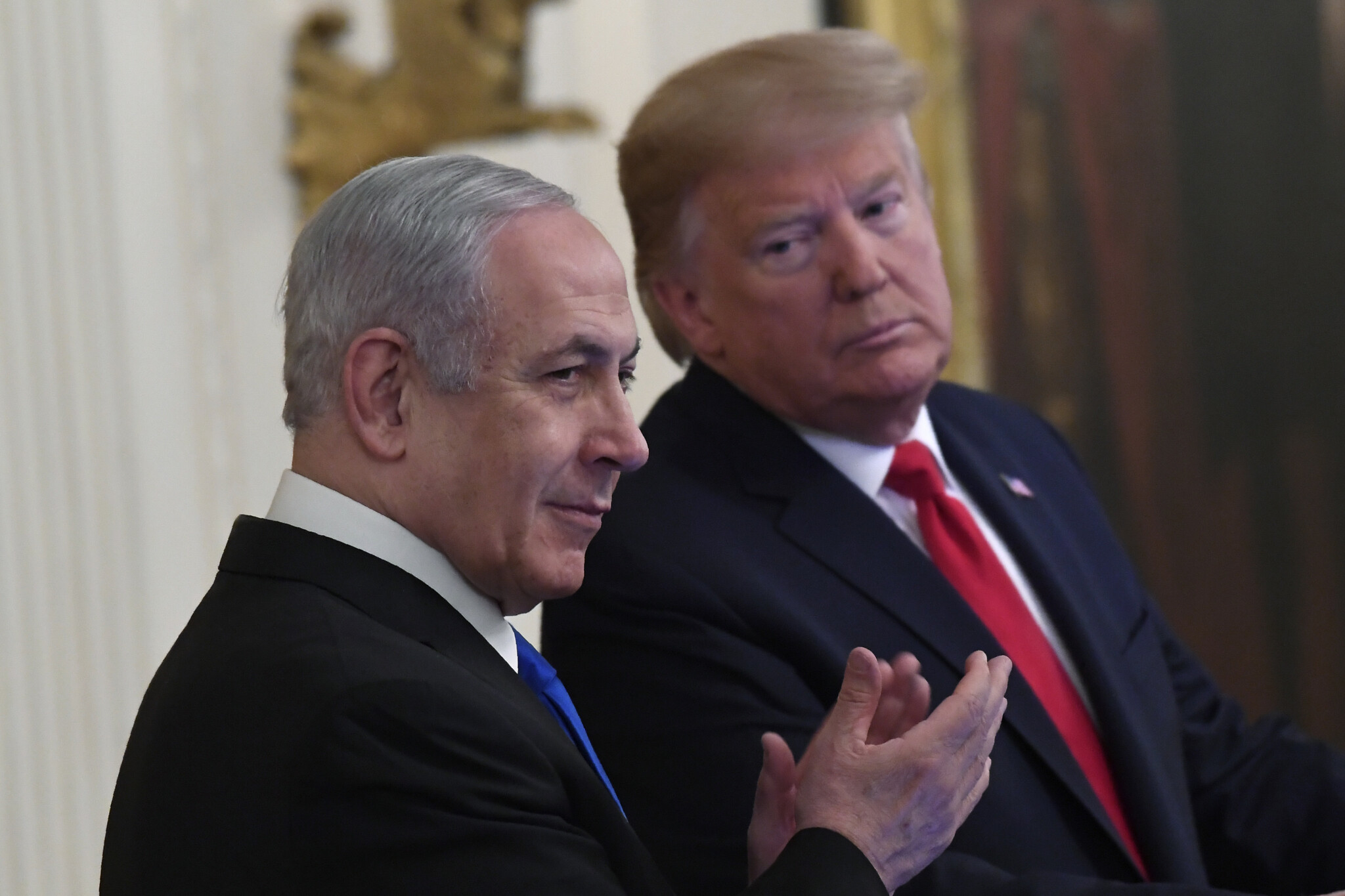
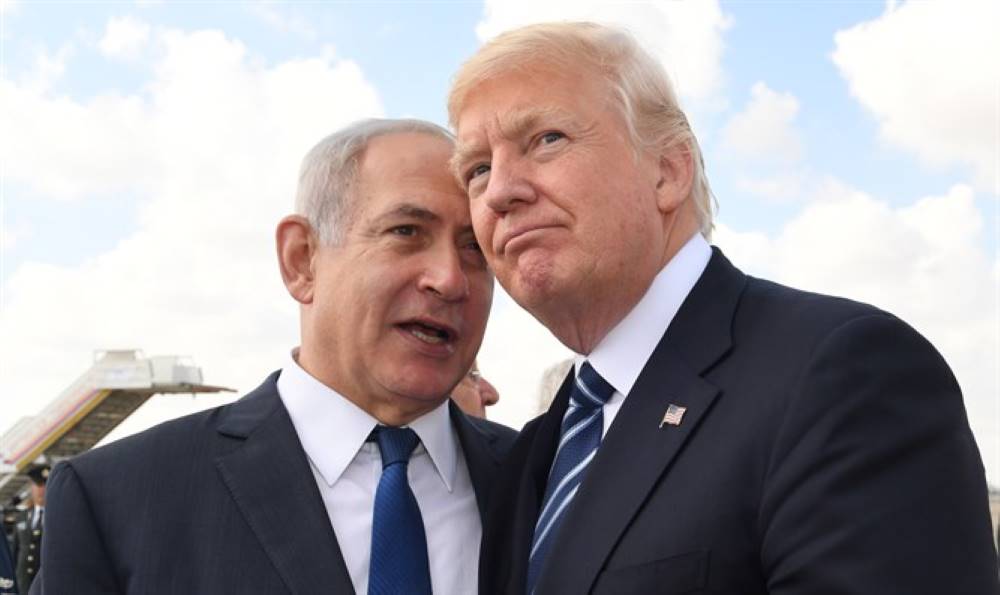
Adding to the sense of urgency, a senior UAE official indicated that a joint U.S.-Israeli response to Iran could be imminent, potentially within the next 24 hours. While details of any planned operation remain undisclosed, the prospect of retaliatory strikes raises the specter of a broader conflict that could engulf the region.
Such a development would have profound implications not only for the Middle East but also for global security and economic stability. The Gulf region’s central role in energy production and maritime trade ensures that any sustained disruption would have far-reaching consequences.
In Israel, military authorities have responded to the unfolding crisis with heightened vigilance. A senior defense source, cited by Israel National News, confirmed that the Israel Defense Forces are closely monitoring developments and maintaining a high state of readiness.
“Our air defense systems and offensive capabilities are on high alert,” the source stated, emphasizing that existing precautionary measures remain in place. At the same time, officials have sought to reassure the public by noting that there has been no change in home front instructions, reflecting a desire to balance preparedness with stability.
This posture underscores Israel’s dual role as both a regional actor directly affected by Iranian actions and a strategic partner to Gulf states facing similar threats.
The events of Monday evening represent a critical juncture in the evolving conflict between Iran and its regional adversaries. The use of cruise missiles and drones against the UAE signals a willingness by Tehran to expand the scope of its operations, potentially drawing additional actors into the fray.
At the same time, the coordinated response by the United States and Israel highlights the emergence of a more integrated security framework in the Gulf, one that seeks to counter Iranian capabilities through a combination of technological innovation and military presence.
As the Israel National News report noted, the trajectory of the conflict will depend on a complex interplay of military actions, diplomatic efforts, and strategic calculations. The immediate future may hinge on whether the anticipated response by U.S. and Israeli forces materializes—and, if so, how Iran chooses to react.
The missile and drone attacks on the United Arab Emirates have transformed an already tense situation into a moment of acute crisis. They serve as a stark reminder of the fragility of regional stability and the ever-present risk of escalation in a region defined by deep-seated rivalries and competing interests.

With American warships in the Gulf, Israeli defense systems deployed on foreign soil, and Iranian forces demonstrating their offensive capabilities, the stage is set for a potentially transformative chapter in Middle Eastern geopolitics.
In the words and ongoing analysis of Israel National News, the region now stands at a crossroads—one where the decisions made in the coming hours and days could determine whether the current crisis is contained or allowed to expand into a far more devastating conflict.
Also on Monday, the United States military has categorically denied explosive claims emanating from Iranian state-affiliated media alleging that an American naval vessel was struck by missile fire near the Strait of Hormuz. The denial, reported by World Israel News, comes amid a crescendo of tension that threatens to push the region toward direct military confrontation.
The disputed incident, which Iranian outlets portrayed as a decisive act of retaliation against what they described as American “violations of maritime security,” underscores the volatile information environment that now accompanies the physical conflict in the Persian Gulf. At stake is not only the credibility of competing narratives but also the stability of a region through which a substantial portion of the world’s energy supply flows.
According to Iranian reports disseminated by agencies such as Fars and the Iranian Labour News Agency, Iranian forces allegedly targeted the USS Mahan, a guided-missile destroyer, with two missiles near the port of Jask, located southeast of the Strait of Hormuz. These reports claimed that the strike was a direct response to perceived American encroachments on maritime norms.
However, as emphasized by World Israel News, these assertions were swiftly and unequivocally rejected by American officials. A senior United States defense official dismissed the claims outright, stating that no such incident had occurred. The denial was subsequently reinforced by U.S. Central Command, which issued a formal statement addressing the allegations.
“Iranian state media claims that Iran’s Islamic Revolutionary Guard Corps hit a U.S. warship with two missiles,” the statement read. “Truth: No U.S. Navy ships have been struck.”
This stark contradiction between Iranian claims and American denials highlights the pervasive fog of information that now envelops the conflict. Independent verification has proven elusive, with international agencies unable to substantiate either version of events.
Despite the lack of confirmation, the mere circulation of the Iranian claim had immediate and tangible consequences. Global energy markets reacted with alarm, as oil prices surged by approximately five percent in response to fears of escalating hostilities in the Gulf. As noted in the World Israel News report, this volatility speaks volumes about the profound sensitivity of global markets to developments in the Strait of Hormuz.
The waterway, a narrow maritime corridor linking the Persian Gulf to the open ocean, serves as a critical conduit for international oil shipments. Any disruption—whether real or perceived—has the potential to reverberate across the global economy, affecting energy prices, trade flows, and financial stability.
The denial of the alleged strike comes against the backdrop of an increasingly assertive American military posture in the region. The United States has launched a comprehensive operation known as “Project Freedom,” aimed at ensuring the safe passage of commercial vessels through the strait and countering Iranian attempts to disrupt maritime traffic.
As detailed in the World Israel News report, the operation involves a formidable array of military assets, including guided-missile destroyers, drones, more than one hundred aircraft, and approximately fifteen thousand personnel. This deployment reflects both the scale of the challenge and the strategic importance Washington attaches to maintaining open sea lanes.
The mission’s initial phase has already seen American forces advising commercial vessels on how to navigate mine-infested waters, while naval and aerial units stand ready to intervene in the event of hostile action. The establishment of an “enhanced security area” near the Omani side of the strait further illustrates the extent of the precautionary measures being implemented.
Iran, for its part, has issued stark warnings against foreign military presence in the region. Senior Iranian officials have declared that any unauthorized approach by foreign forces—particularly those of the United States—would be met with force.
Maj. Gen. Pilot Ali Abdollahi, speaking through state media, warned that American military movements in the strait would be interpreted as hostile and could trigger retaliatory action. Similarly, Iranian parliamentary figures have characterized U.S. involvement as a violation of ceasefire arrangements, framing it as an unacceptable intrusion into regional affairs.
These statements reflect a broader strategy of deterrence, aimed at discouraging external intervention while asserting Iran’s control over the waterway.
Compounding the situation is a pattern of near-daily attacks on vessels attempting to traverse the strait. Over the past week, multiple incidents have been reported involving harassment, attempted interdictions, and suspected mine deployments.
This persistent instability has prompted the U.S.-led Joint Maritime Information Center to issue advisories urging ships to avoid certain routes and utilize safer corridors within Omani waters. Even these alternative pathways, however, are not entirely free from risk, as mines and other hazards remain incompletely mapped.



