





















|
Getting your Trinity Audio player ready...
|
By: Fern Sidman
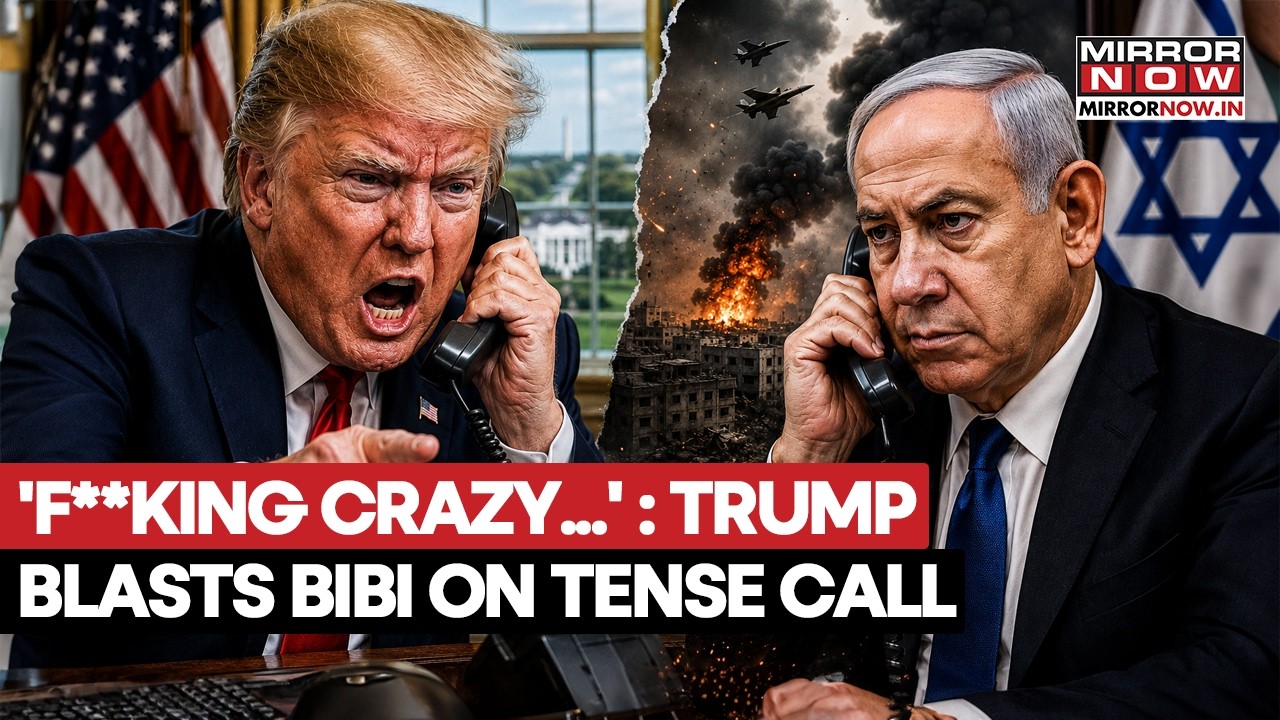
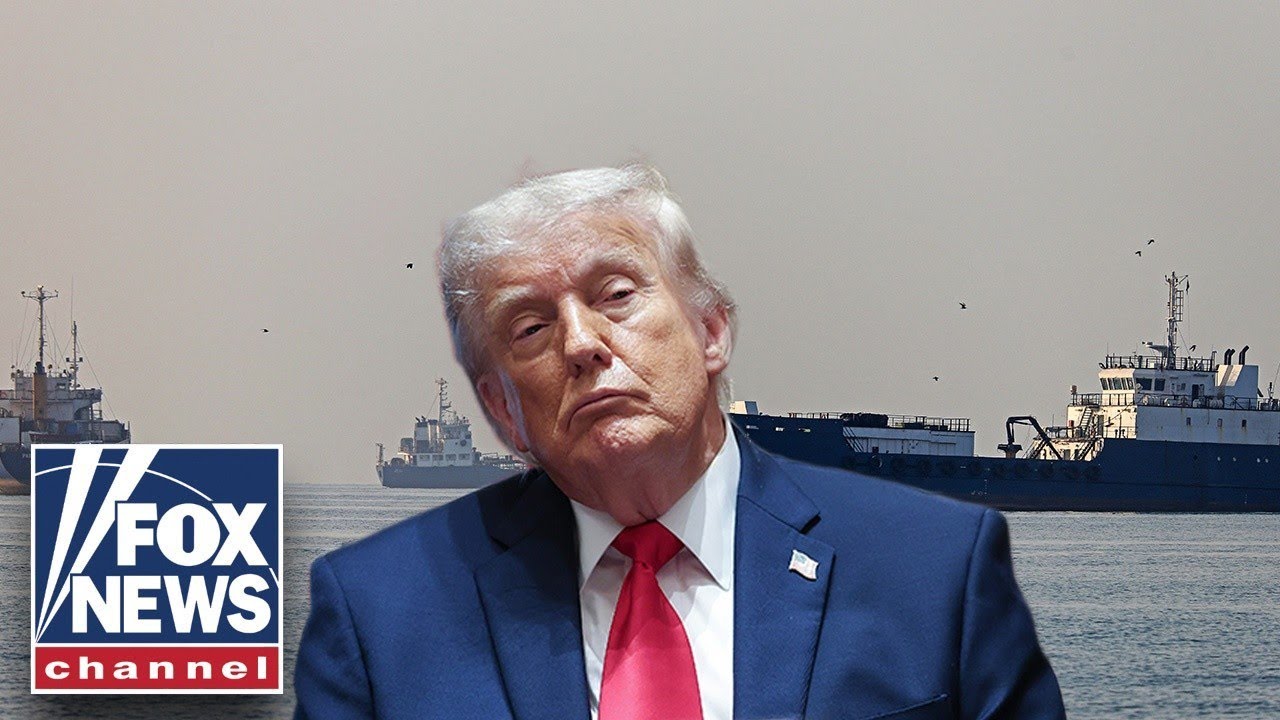
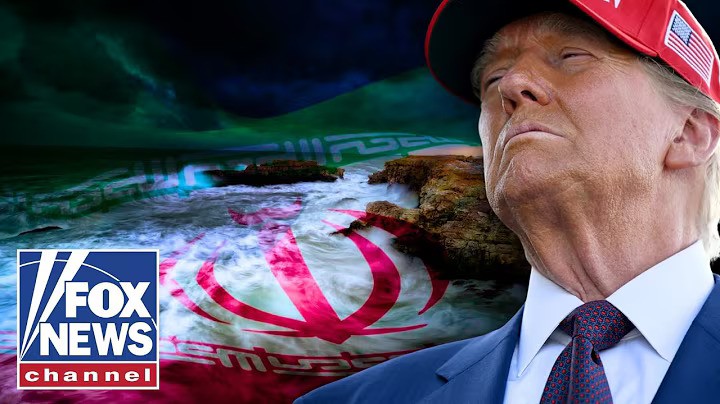
In a moment of acute geopolitical strain, President Donald Trump delivered a forceful and unambiguous warning to Iran, declaring that any attack on United States naval vessels would provoke overwhelming retaliation. His stark assertion—that Iran would be “blown off the face of the Earth” should it strike American forces—has injected new urgency into an already volatile confrontation unfolding in and around the Strait of Hormuz.
As reported extensively on Monday by World Israel News, the president’s remarks come amid a swirl of conflicting claims, escalating military maneuvers, and fragile diplomatic engagements. Together, these elements form a precarious tableau in which miscalculation could have consequences of global magnitude.
The president’s comments were delivered during an interview with Fox News correspondent Trey Yingst, where he balanced cautious optimism about ongoing negotiations with a resolute commitment to defend American interests. While suggesting that Iran has shown signs of increased flexibility at the negotiating table, Donald Trump made clear that such developments would not temper the United States’ readiness to act decisively.
“We have more weapons and ammunition at a much higher grade than we had before,” he stated. “We have the best equipment. We have bases all over the world, and they are fully stocked. We can use all of that, and we will if necessary.”
According to the information provided in the World Israel News report, this dual-track posture—combining diplomatic engagement with unmistakable military preparedness—reflects a broader strategic approach designed to pressure Tehran while preserving the possibility of a negotiated resolution.
The president’s warning was prompted in part by reports emanating from Iranian state-affiliated media alleging that Iranian forces had struck a United States naval vessel near the Strait of Hormuz. Specifically, Iranian outlets claimed that missiles had hit the USS Mahan, a guided-missile destroyer, near the port of Jask.
These assertions, however, were swiftly and categorically denied by US Central Command. In a public statement, the command declared: “The truth is, no US military vessel has been attacked.”
Senior American officials reinforced this denial, dismissing the Iranian narrative as fabricated. One official, cited in coverage highlighted by World Israel News, characterized the claims as a deliberate attempt to manipulate perceptions and inflame tensions.
“The Revolutionary Guards fabricated the story about an attack on a US Navy ship,” the official said. “This is a false account.”
The stark divergence between these competing narratives has contributed to an atmosphere of uncertainty, where information itself has become a contested battleground.
In a subsequent clarification, an Iranian official suggested that the incident involved the firing of warning shots rather than a direct missile strike. According to this version, Iranian forces sought to deter the American vessel from entering contested waters, though the extent of any impact remains unclear.
This revised account, while less dramatic than the initial claims, nonetheless underscores the heightened risk of confrontation in a region where military forces operate in close proximity and with limited communication.
As the World Israel News report emphasized, even minor incidents—whether accurately reported or not—carry the potential to escalate rapidly, particularly when accompanied by forceful rhetoric on both sides.
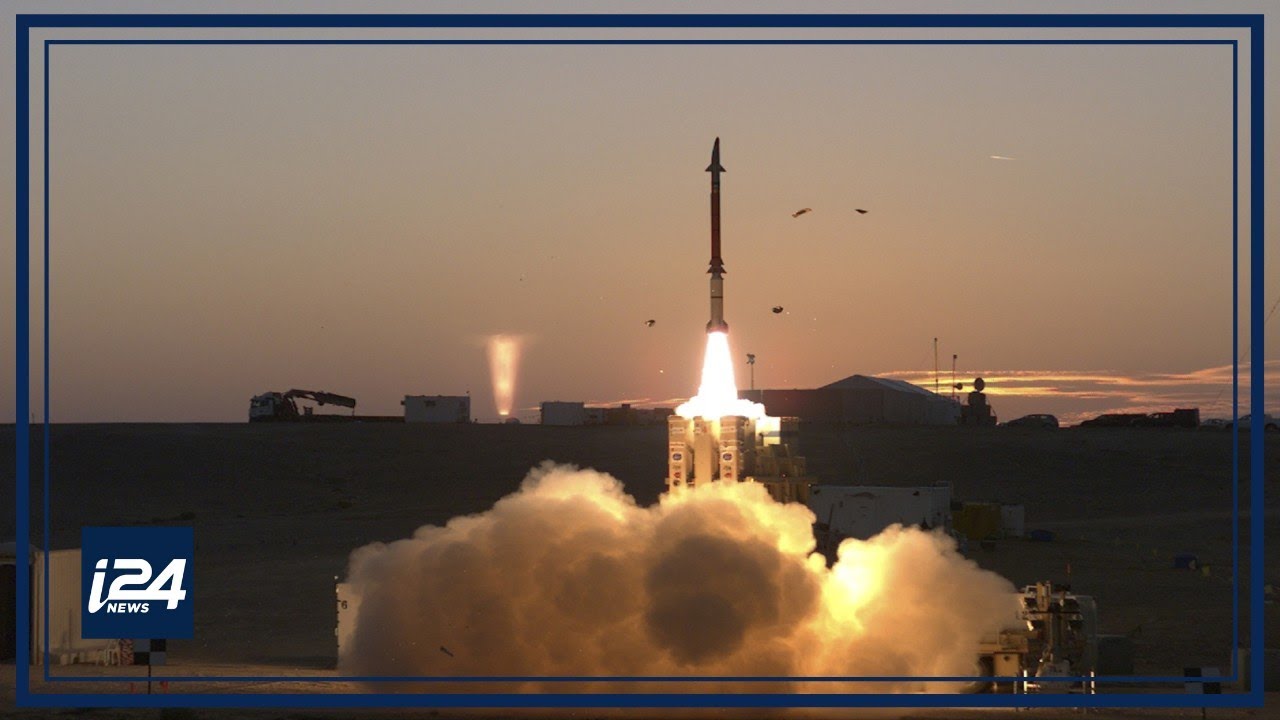
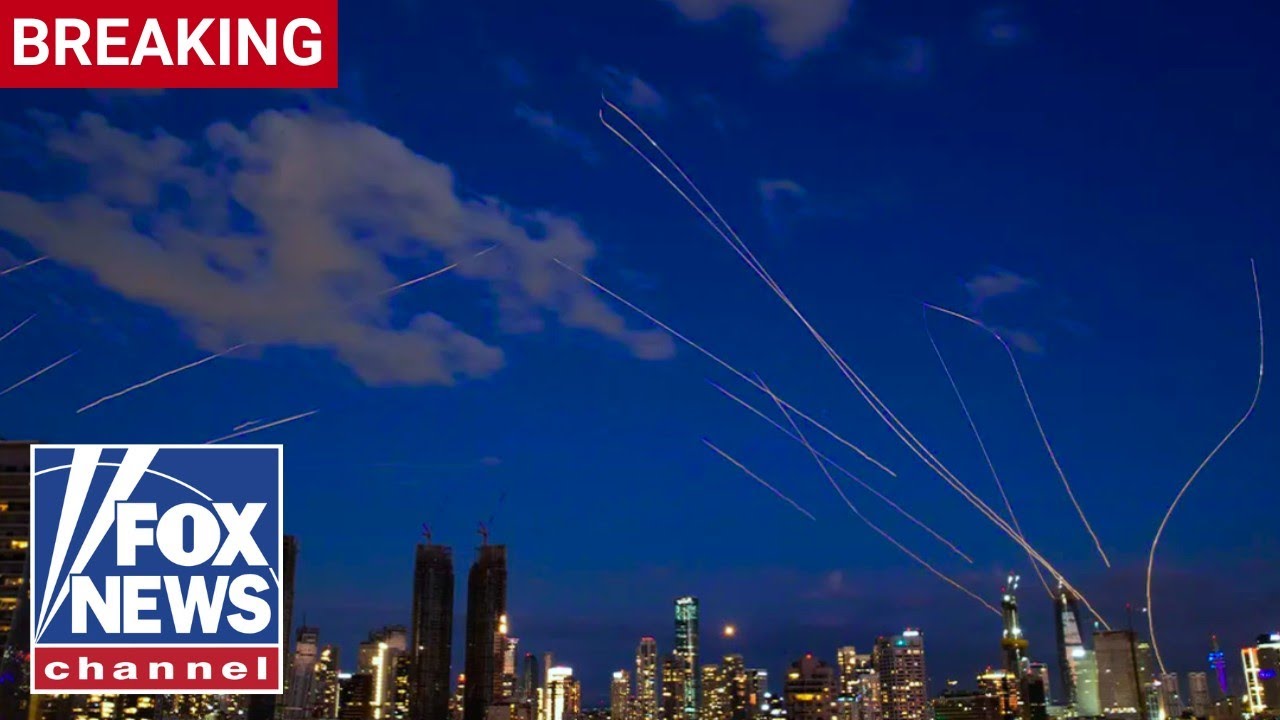
While the dispute over the alleged naval incident unfolded, Iran carried out a series of attacks against the United Arab Emirates, further intensifying the regional crisis. According to the World Israel News report, three missiles were launched toward the UAE, all of which were intercepted by air defense systems.
However, the missile barrage was accompanied by a drone strike that inflicted tangible damage. In Fujairah, an industrial facility was set ablaze, and three individuals—identified as Indian nationals—were injured. Additional explosions were reported at Jebel Ali Port in Dubai, while a cargo vessel off the UAE coast caught fire following an apparent attack.
These incidents highlight the evolving nature of Iran’s military strategy, which increasingly integrates missile and drone capabilities to exert pressure on regional adversaries. The ability to target both infrastructure and maritime assets underscores the breadth and sophistication of the threat.
The Strait of Hormuz remains central to the unfolding crisis. This narrow maritime corridor serves as a critical conduit for global energy supplies, with a significant percentage of the world’s oil shipments passing through its waters.
As World Israel News has consistently reported, disruptions in the strait—whether real or perceived—have immediate and far-reaching implications for global markets. The mere suggestion of a naval strike was sufficient to trigger a surge in oil prices, reflecting the sensitive nature of the area.
Shipping companies, insurers, and governments alike are closely monitoring developments, aware that prolonged instability could disrupt trade flows and exacerbate economic uncertainty.
In response to the escalating situation, the United States has maintained a robust military presence in the region. Naval forces, including guided-missile destroyers, are actively operating in and around the Strait of Hormuz, while additional assets remain on standby.
According to the World Israel News report, the United States has also initiated a comprehensive operation aimed at safeguarding maritime navigation and deterring further aggression. This effort includes coordination with commercial vessels, intelligence gathering, and the deployment of advanced defense systems.
President Trump’s emphasis on the global reach and readiness of American forces serves as both reassurance to allies and a warning to adversaries.
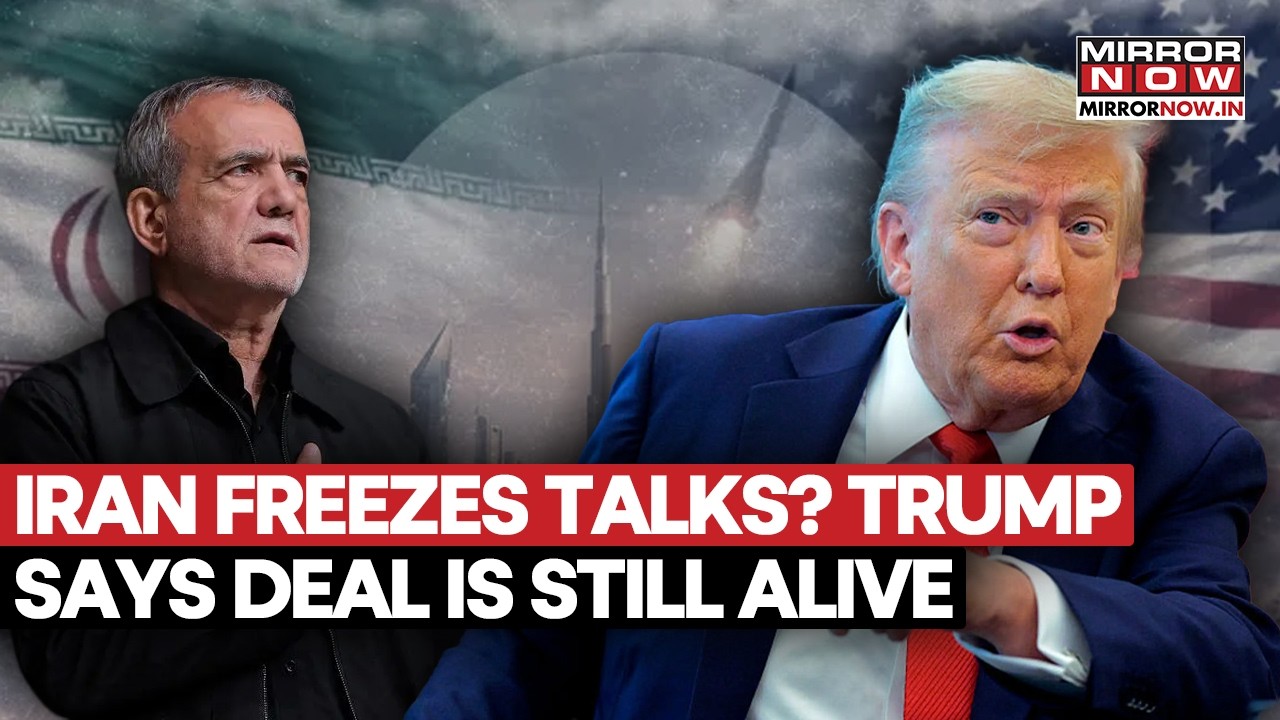
Despite the mounting tensions, diplomatic efforts to resolve the crisis remain ongoing. Negotiations between Washington and Tehran continue, though progress has been uneven and fraught with challenges.
The president’s observation that Iran has become “more malleable” suggests that some movement may be occurring behind the scenes. However, as the World Israel News report noted, the juxtaposition of negotiation and confrontation creates a complex dynamic in which each side seeks to maximize leverage without provoking outright conflict.
The outcome of these talks will likely play a large role in determining whether the current standoff evolves into a broader conflict or is resolved through diplomatic compromise.
The events of recent days illustrate the fragile equilibrium that now defines the Persian Gulf. On one hand, there is a clear recognition among all parties of the catastrophic consequences that a full-scale conflict would entail. On the other, the accumulation of military incidents, rhetorical escalations, and strategic maneuvers has created an environment in which the margin for error is exceedingly narrow.
As the World Israel News report emphasized, the situation remains fluid and highly unpredictable. The interplay of military capability, economic pressure, and diplomatic negotiation will shape the trajectory of the crisis in the days and weeks ahead.
President Trump’s stark warning represents a defining moment in the current confrontation. Coupled with the denial of Iranian claims regarding a naval strike and the confirmation of missile and drone attacks on the United Arab Emirates, it underscores the seriousness of the threat environment.
The coming days will be critical in determining whether the crisis can be contained or whether it will escalate into a broader conflict with global implications. For now, as chronicled in detail by World Israel News, the world watches a high-stakes contest unfold—one defined by uncertainty, strategic calculation, and the ever-present risk of escalation.