

















|
Getting your Trinity Audio player ready...
|
On the Eve of Passover, Netanyahu Declares Relentless War on Iran’s ‘Axis of Evil’ as Israel Signals Historic Turning Point
By: Fern Sidman
In a speech infused with historical resonance and wartime defiance, Israeli Prime Minister Benjamin Netanyahu addressed the nation on the eve of Passover, presenting Israel’s ongoing military campaign against Iran and its regional proxies as both a strategic necessity and a civilizational struggle. Delivered at a moment of heightened regional tension, the address framed the conflict not merely as a series of military engagements, but as a transformative chapter in Israel’s modern history—one that may redefine the balance of power across the Middle East.
As reported on Tuesday by Israel National News, Netanyahu’s remarks sought to situate the war within a broader narrative of resilience, liberation, and historical continuity. Drawing on the symbolism of Passover—the ancient commemoration of deliverance from oppression—he cast Israel’s current struggle as a contemporary parallel, asserting that the nation stands on the threshold of a new era of strength and security.
Netanyahu speaks at 25 minutes
“On the eve of this Festival of Our Freedom,” Netanyahu declared, “Israel is stronger than ever. We are systematically crushing the Iranian regime.” The language, deliberate and emphatic, underscored the government’s conviction that its military campaign has not only achieved tactical successes but has also fundamentally weakened its principal adversary.
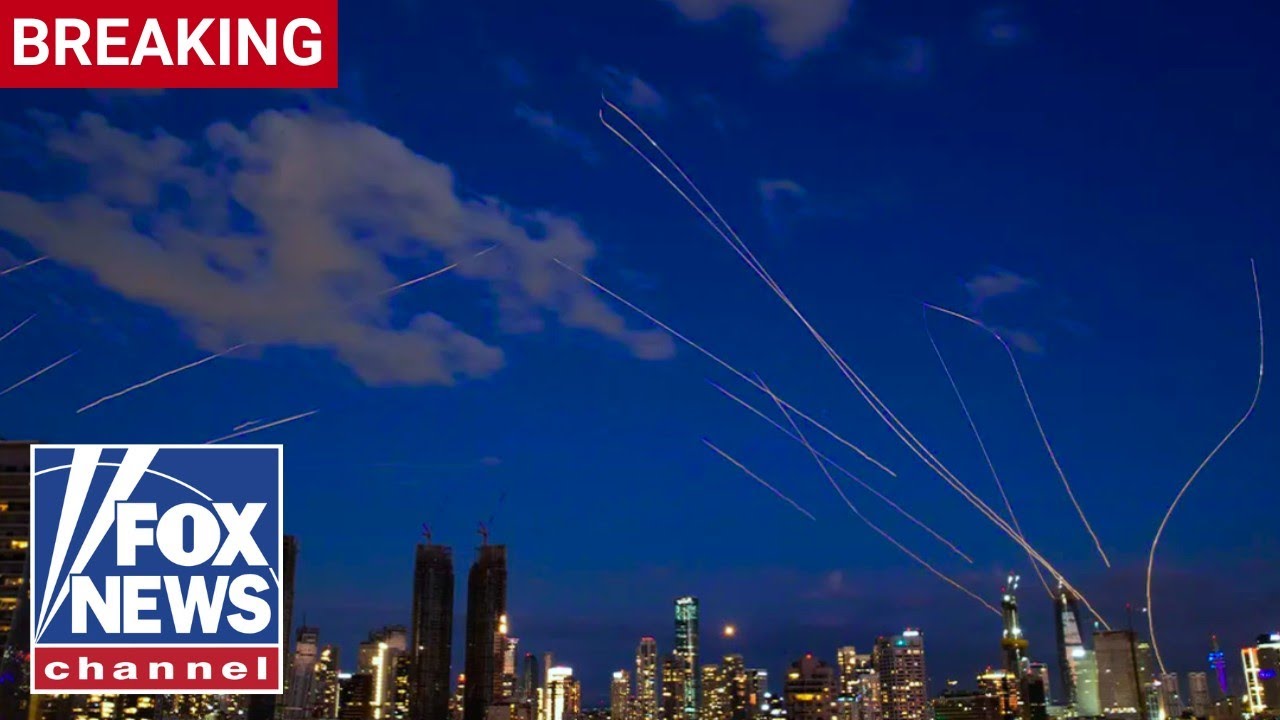
Central to Netanyahu’s address was a striking rhetorical device: the invocation of “ten plagues,” echoing the biblical narrative associated with Passover. According to the report at Israel National News, the Prime Minister outlined a series of coordinated blows delivered against what he termed the “axis of evil,” encompassing Iran and its network of allied forces.
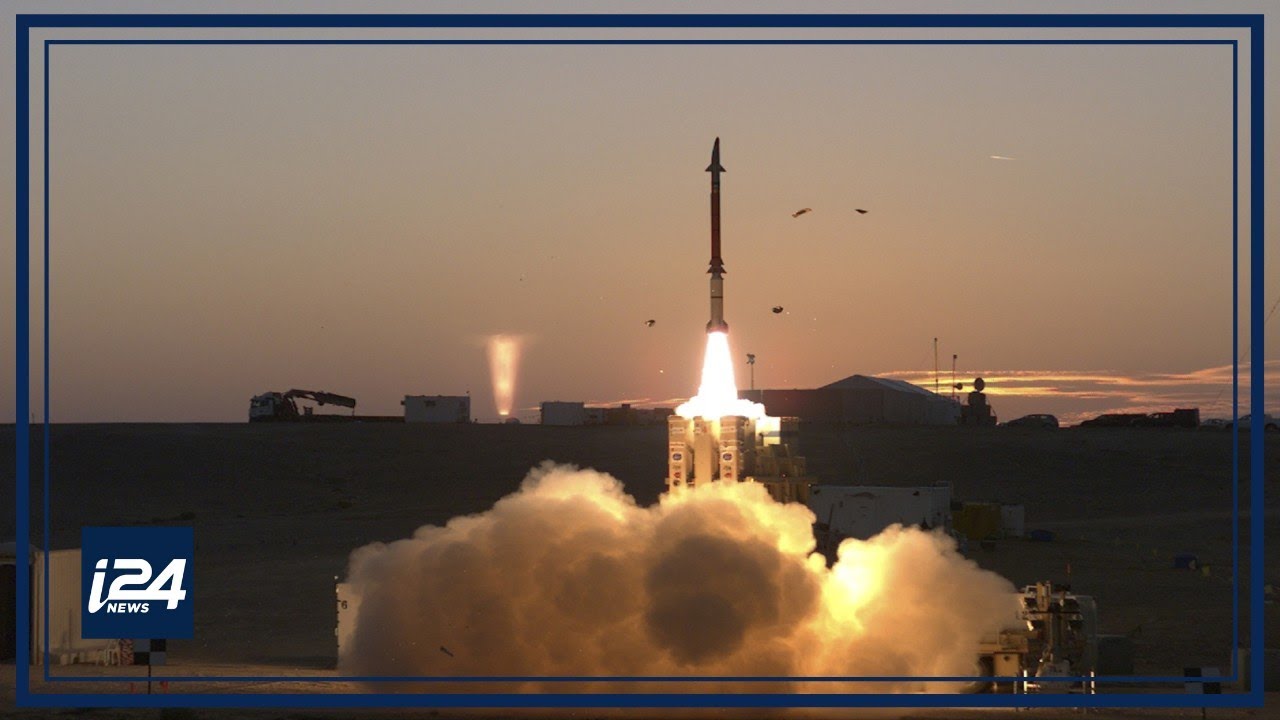
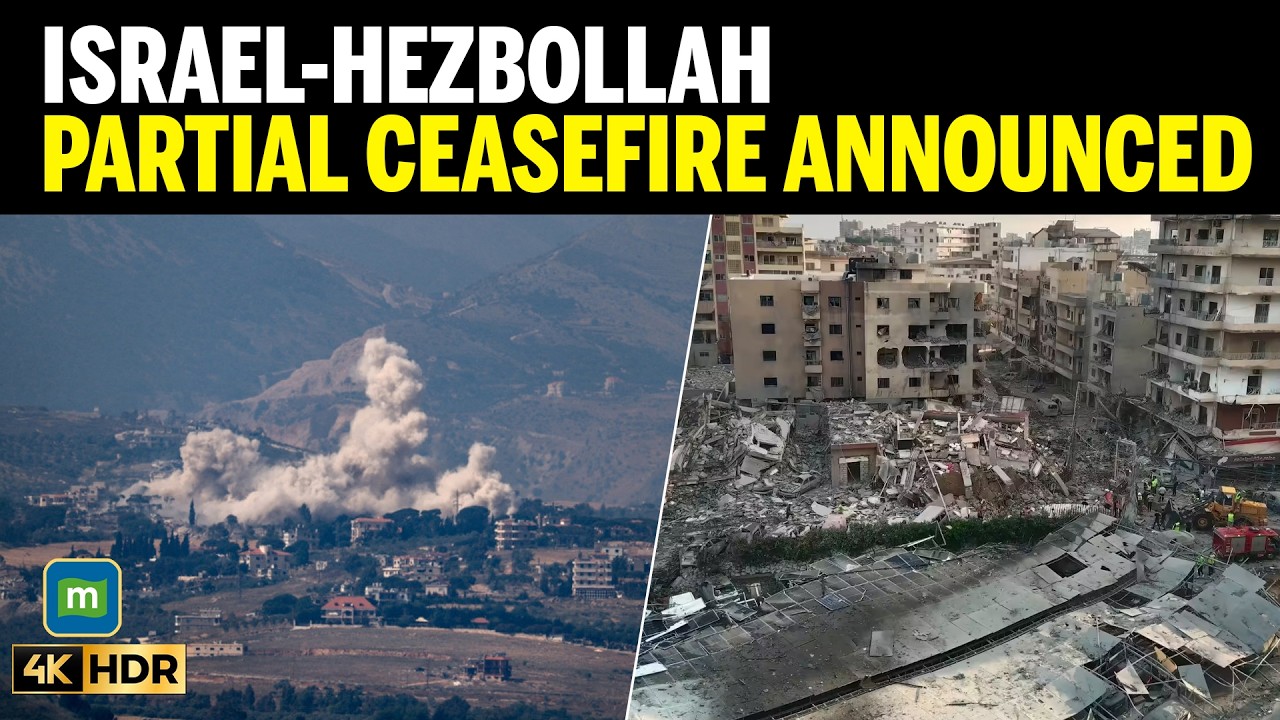
These “plagues,” as enumerated by Netanyahu, span multiple theaters of conflict. They include the dismantling of Hamas capabilities in Gaza, sustained military pressure against Hezbollah in Lebanon, the destabilization of the Assad regime in Syria, and operations targeting terrorist organizations in Judea and Samaria. Additional campaigns have been directed against the Houthis in Yemen, further illustrating the geographically expansive nature of Israel’s strategy.
Beyond these regional engagements, Netanyahu detailed what he described as five direct “plagues” inflicted upon Iran itself: the degradation of its nuclear program, the destruction of missile capabilities, the dismantling of critical infrastructure, the weakening of its internal security apparatus, and the targeted elimination of senior officials.
This framing serves both a symbolic and strategic purpose. It situates Israel’s actions within a narrative of divine justice and historical inevitability, while also emphasizing the cumulative impact of its military operations.
Netanyahu’s remarks reflect a broader strategic vision that extends beyond immediate battlefield outcomes. By characterizing the campaign as a systematic effort to erode Iran’s capabilities, he articulated a doctrine of sustained pressure aimed at achieving long-term transformation.
“The price we exacted from Iran was not just money,” he stated, highlighting the economic and structural toll of the conflict. According to Netanyahu, Iran has expended vast resources—approaching a trillion dollars—in its efforts to undermine Israel. He argued that these investments have yielded diminishing returns, leaving the regime weakened and increasingly vulnerable.
“The trillion has gone down the drain,” he asserted, suggesting that Iran’s strategic ambitions have been fundamentally undermined by the combined efforts of Israel and its allies.
This assessment aligns with reporting from Israel National News, which has documented the extensive damage inflicted on Iran’s military infrastructure and its diminishing capacity to project power across the region. The cumulative effect of these operations, Netanyahu implied, may ultimately precipitate the regime’s collapse.
Perhaps the most consequential element of Netanyahu’s address was his explicit reference to the potential downfall of Iran’s leadership. “The regime in Iran is weaker than ever, and sooner or later we foresee its fall,” he declared.
Such statements, while not unprecedented, carry significant implications. They suggest that Israel’s objectives extend beyond containment or deterrence to encompass the possibility of systemic change within Iran itself. This perspective reflects a belief that the current conflict has created conditions conducive to a fundamental reordering of the Iranian political landscape.
However, as the Israel National News report observed, the prospect of regime change remains fraught with uncertainty. While military pressure can weaken a regime, the dynamics of internal political transformation are inherently complex and unpredictable. Nonetheless, Netanyahu’s remarks indicate a willingness to contemplate outcomes that were once considered beyond the scope of Israeli strategy.
A recurring theme in Netanyahu’s address was the transformation of Israel’s international position. He contrasted the present moment with earlier periods in which Israel often found itself isolated in confronting regional threats.
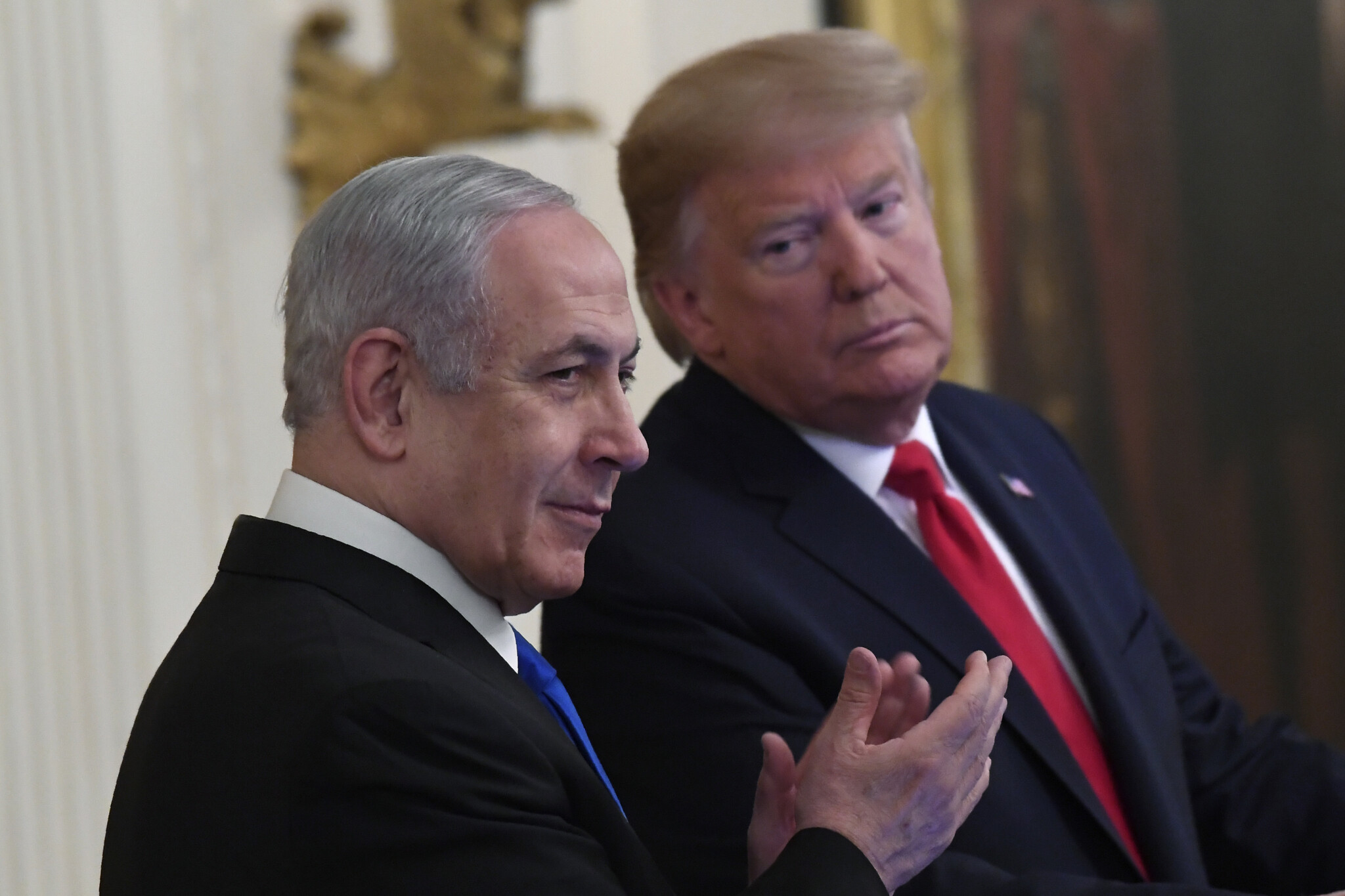
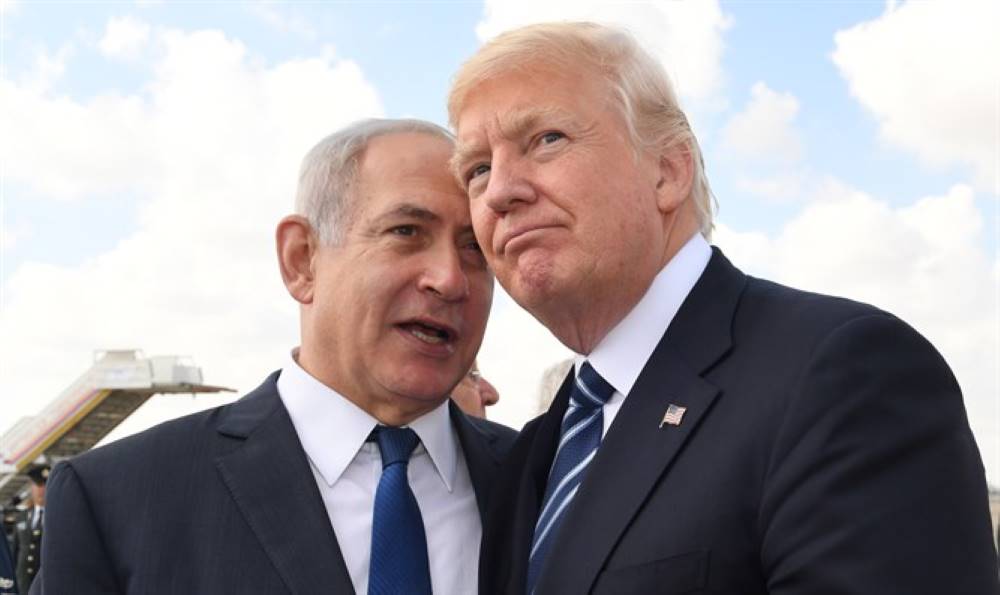
“In the past, we fought alone,” he noted. “Today we fight shoulder to shoulder with the United States and create new alliances in the region against the Iranian threat.”
This evolution reflects a broader shift in geopolitical alignments, as shared concerns about Iran’s activities have fostered closer cooperation between Israel and a range of international partners. Israel National News reported that these emerging alliances may represent one of the most significant strategic developments of the current conflict.
Netanyahu hinted at further announcements regarding these partnerships, suggesting that additional diplomatic breakthroughs may be forthcoming. Such developments could have far-reaching implications, not only for the immediate conflict but for the long-term architecture of regional security.
Another key element of Netanyahu’s address was his assertion that Israel’s actions have heightened global awareness of the Iranian threat. “We have awakened the world to the danger that Iran poses to all of humanity,” he stated.
This claim reflects a broader effort to frame the conflict in universal terms, emphasizing its relevance beyond the immediate region. By positioning Iran as a threat to global stability, Israel seeks to galvanize international support and legitimize its actions on the world stage.
As Israel National News has reported, this narrative has gained traction among several key actors, contributing to a more cohesive international response to Iran’s activities. However, the extent to which this consensus can be sustained remains an open question, particularly as the conflict continues to evolve.
The timing of Netanyahu’s address—on the eve of Passover—adds a layer of symbolic significance that transcends the immediate political context. By invoking themes of liberation and resilience, he sought to connect contemporary events with the foundational narratives of Jewish history.
This interplay between history and strategy is a hallmark of Netanyahu’s rhetoric, reflecting an effort to frame current challenges within a broader continuum. As the report at Israel National News noted, such framing serves to reinforce national unity and underscore the moral dimensions of the conflict.
Netanyahu’s address presents a vision of Israel at a pivotal moment—emboldened by military success, strengthened by alliances, and poised to reshape the regional order. Yet it also underscores the uncertainties inherent in such a transformative period.
The assertion that Iran’s regime may ultimately fall reflects both ambition and risk, highlighting the high stakes of the current conflict. At the same time, the emphasis on international cooperation and strategic alignment suggests a recognition that Israel’s objectives cannot be achieved in isolation.
As reported by Israel National News, the coming weeks and months will be critical in determining whether the gains outlined by Netanyahu can be consolidated into lasting outcomes. For now, the nation stands at a crossroads, guided by a narrative of strength and resilience, yet mindful of the challenges that lie ahead.
On the eve of a festival that commemorates freedom, Israel finds itself engaged in a struggle that may define its future—a struggle that, in Netanyahu’s telling, is as much about destiny as it is about defense.



