


















|
Getting your Trinity Audio player ready...
|
By: Fern Sidman
In a dramatic escalation of legal and diplomatic tensions spanning Europe and the Middle East, an Israeli legal advocacy organization has filed a sweeping complaint with the International Criminal Court, seeking a formal investigation into Pedro Sánchez over allegations that his government facilitated the transfer of materials potentially used in Iranian military operations. The move, reported on Wednesday by The Algemeiner, marks one of the most consequential attempts in recent years to hold a Western leader legally accountable for indirect involvement in armed conflict through export policy.
At the center of the case is Shurat HaDin, a prominent Israeli non-governmental organization known for pursuing litigation tied to terrorism financing and international accountability. The group’s filing contends that Spain, under Sánchez’s leadership, authorized the export of so-called “dual-use” goods—materials that, while ostensibly civilian in application, can also serve critical functions in military systems—to the Islamic Republic of Iran. According to the complaint, these exports were made in full awareness of Iran’s entrenched role in supporting armed proxy groups across the Middle East.
The implications of such allegations are profound. Under established principles of international humanitarian law, the provision of components that materially enable the functioning of weapons systems—particularly when their eventual use against civilian populations is foreseeable—can constitute aiding and abetting war crimes. The complaint submitted to the court asserts precisely this: that Spanish exports, though classified under civilian categories, may have played a substantive role in facilitating acts of violence carried out by Iranian forces or affiliated groups.
As The Algemeiner reported, official data from Spain’s Ministry of Trade indicates that over €1.3 million worth of such dual-use materials were exported to Iran during 2024 and the first half of 2025. These shipments reportedly included explosive-related components, specialized laboratory reagents, and advanced control software—items that, in certain configurations, could be integrated into weapons systems or military research programs.
The broader scope of Spain’s trade with Iran further amplifies concerns. Since Sánchez assumed office in 2018, cumulative authorizations for dual-use exports to Iran have reportedly reached approximately $7 million. Additionally, machinery exports alone surged to an estimated $80 million in 2024, suggesting a level of economic engagement that extends well beyond incidental transactions. While not all such exports are inherently problematic, critics argue that the destination and context—namely, a regime widely accused of supporting militant organizations—render these transactions highly contentious.
Shurat HaDin’s argument rests heavily on this contextual framework. The organization emphasizes Iran’s well-documented support for groups such as Hezbollah, Hamas, and the Houthis, all of which have been implicated in regional conflicts involving civilian casualties. By supplying materials that could be repurposed for military use, the complaint contends, Spain may have contributed—directly or indirectly—to the operational capabilities of these actors.
In a sharply worded statement cited by The Algemeiner, the group asserted that the exported materials “are not innocent industrial products, but critical components that enable explosive devices to function.” This characterization underscores the central thesis of the case: that the distinction between civilian and military applications becomes increasingly tenuous when dealing with regimes engaged in active conflict and proxy warfare.
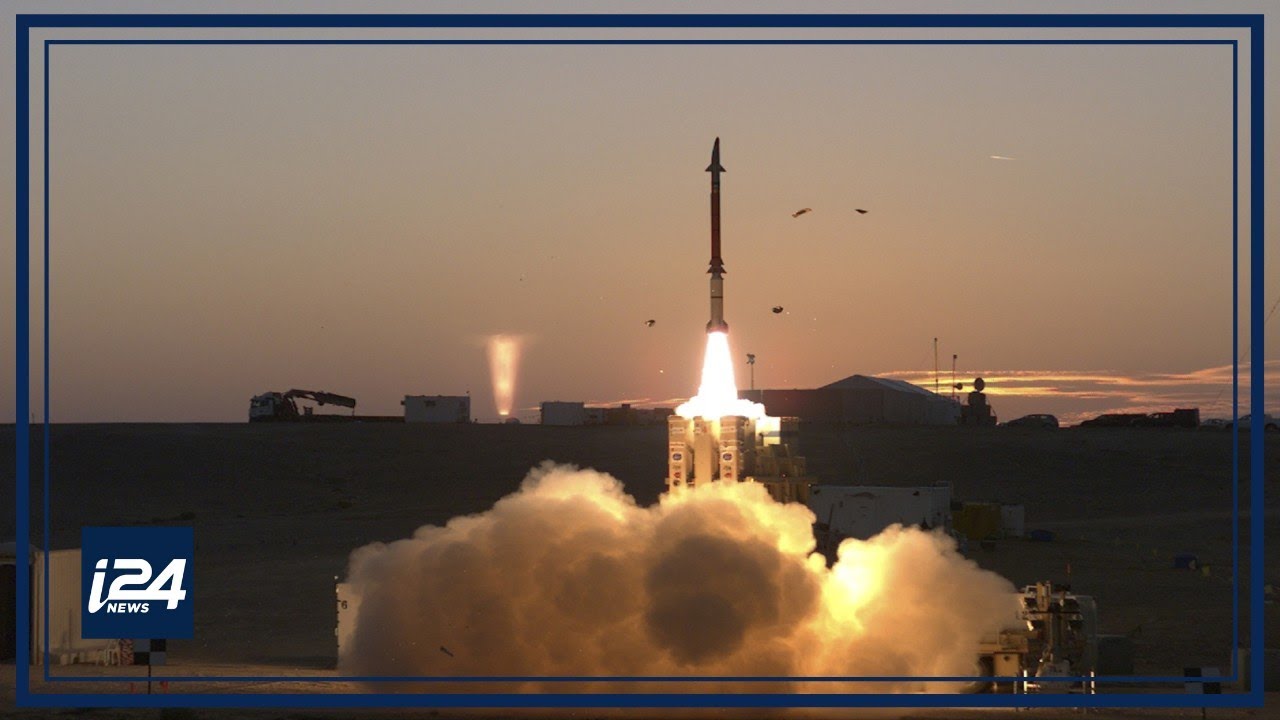
The complaint also references a recent Iranian propaganda campaign that featured imagery of a missile aimed at what it described as “United States and Israeli assets,” accompanied by a message expressing gratitude toward the Spanish leadership. While the authenticity and intent of such propaganda are subject to interpretation, Shurat HaDin cites it as indicative of a perceived alignment between Madrid and Tehran—a perception that, if substantiated, could carry significant geopolitical ramifications.
The legal action unfolds against the backdrop of deteriorating relations between Spain and Israel. As detailed in The Algemeiner report, tensions between the two countries have intensified since the outbreak of the Gaza conflict and have been further exacerbated by broader regional escalation involving Iran. Spain’s increasingly critical stance toward Israeli military operations has drawn sharp rebukes from Jerusalem, contributing to a climate of mutual distrust.
One of the most contentious developments has been Spain’s unilateral recognition of a Palestinian state, a move that Israel has viewed as both premature and politically motivated. This decision was followed by a series of statements from Sánchez condemning Israeli actions in Gaza and Lebanon, including the use of the term “genocide” to describe the conflict. Such rhetoric has been met with strong opposition from Israeli officials, who argue that it misrepresents the nature of the war and undermines efforts to combat terrorism.
The diplomatic rift has manifested in concrete measures. Israel recently expelled Spain from the United States’ Civil-Military Coordination Center in Kiryat Gat, a facility designed to facilitate humanitarian operations in Gaza. This decision, as reported by The Algemeiner, was framed as a response to Spain’s “continued hostility” and its perceived alignment with positions critical of Israeli policy.
Spain’s actions in relation to Iran have further complicated its standing among Western allies. Despite its membership in NATO, Madrid has reportedly taken steps that diverge from broader alliance strategies, including closing its airspace to certain United States aircraft and restricting the use of its bases for operations targeting Iran. These decisions have raised questions about Spain’s strategic orientation and its commitment to collective security frameworks.
The reopening of Spain’s embassy in Tehran, announced shortly after the withdrawal of its ambassador from Israel, has added another layer of controversy. Critics argue that this move signals a recalibration of diplomatic priorities, one that places greater emphasis on engagement with Iran at a time of heightened regional tension. Supporters, however, contend that maintaining diplomatic channels is essential for dialogue and conflict resolution.
Domestically, Sánchez’s policies have sparked debate within Spain itself. Political opponents and representatives of the Jewish community have expressed concern that the government’s rhetoric and actions may be contributing to a climate of increased antisemitism. Reports of targeted violence and hostility toward Jewish institutions have heightened these fears, prompting calls for greater vigilance and accountability.
The ICC complaint thus intersects with a complex array of legal, political, and social issues. From a legal perspective, the case raises important questions about the scope of responsibility for states engaged in the export of dual-use goods. The challenge lies in establishing a clear causal link between such exports and specific acts of violence—a task that requires both technical expertise and rigorous evidentiary standards.
From a political standpoint, the case has the potential to reshape perceptions of Spain’s role on the international stage. An investigation by the International Criminal Court, if initiated, would represent a significant escalation, placing Sánchez under unprecedented scrutiny. While the court has historically focused on individuals directly involved in armed conflict, the evolving nature of warfare and supply chains may prompt a broader interpretation of liability.
The response from the Spanish government has yet to be fully articulated, but it is likely to emphasize the legality of its export practices and the regulatory frameworks governing dual-use goods. Spain, like other European Union member states, operates under strict export control regimes designed to prevent the misuse of sensitive materials. Whether these safeguards were adequately applied in the case of Iran will be a central issue in any potential investigation.
As The Algemeiner report noted, Shurat HaDin is calling not only for an investigation but also for the issuance of an arrest warrant against Sánchez and a broader inquiry into the role of other officials involved in export decisions. Such demands, while ambitious, reflect the organization’s longstanding commitment to pursuing accountability through legal channels.
In the broader context of international relations, the case underscores the interconnected nature of modern conflicts. Supply chains, financial networks, and diplomatic relationships all play a role in shaping outcomes on the battlefield. As a result, the line between direct and indirect involvement becomes increasingly blurred, challenging traditional concepts of responsibility and culpability.
The unfolding situation serves as a reminder that decisions made in the realm of trade and diplomacy can have far-reaching consequences. Whether the ICC will take up the case remains uncertain, but the very act of filing the complaint has already sparked a global conversation about the responsibilities of states in an era of complicated and interconnected conflict.
In the coming months, the trajectory of this case will be closely watched by governments, legal experts, and civil society organizations alike. Its outcome could set important precedents, influencing how similar cases are approached in the future and shaping the evolving landscape of international law.
For now, the allegations against Pedro Sánchez stand as a stark illustration of the challenges inherent in balancing economic engagement, diplomatic strategy, and ethical responsibility. As reported by The Algemeiner, the stakes are considerable, and the implications extend far beyond the immediate parties involved, touching upon fundamental questions about justice, accountability, and the rule of law in an increasingly complex world.