






















|
Getting your Trinity Audio player ready...
|
By: Tzirel Rosenblatt
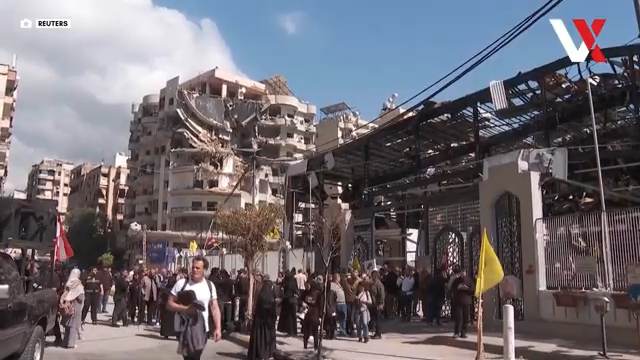
In a decisive and highly consequential military development, Israel National News reported on Wednesday that Israeli Prime Minister Benjamin Netanyahu and Israeli Defense Minister Israel Katz jointly confirmed an Israeli strike in Beirut targeting a senior commander within Hezbollah’s elite Radwan Force. The operation, executed with direct authorization from Israel’s top political leadership, underscores an intensifying campaign aimed at neutralizing high value threats emanating from Lebanon’s entrenched terrorist infrastructure.
The announcement, delivered through an official joint statement, framed the strike not merely as a tactical maneuver but as part of a broader strategic doctrine that seeks to dismantle the operational capabilities of groups responsible for sustained attacks against Israeli territory. According to the information provided in the Israel National News report, the targeted individual was identified as a key figure within the Radwan Force, an elite Hezbollah unit long associated with cross border incursions, sophisticated assault operations, and direct engagements with Israeli forces.
The statement issued by Netanyahu and Katz was unequivocal in its language and intent. “The operation was carried out with our authorization,” the leaders declared, emphasizing both the deliberateness and the political backing of the mission. The targeted commander, they asserted, had played a central role in orchestrating attacks against Israeli communities in the north and in directing operations that resulted in harm to soldiers of the Israel Defense Forces.
“No terrorist has immunity; the long arm of Israel will reach every enemy and murderer,” the statement continued, encapsulating a doctrine of persistent reach and unrelenting accountability. The phrasing, widely cited by Israel National News, reflects a longstanding Israeli policy that seeks to deter adversaries through the credible threat of precision retaliation, regardless of geographic boundaries.
Officials indicated that the strike was designed not only to eliminate an immediate operational threat but also to disrupt the broader command structure of the Radwan Force, thereby degrading its capacity to plan and execute future attacks.
The Radwan Force, named after a senior Hezbollah figure, is widely regarded as one of the organization’s most capable and dangerous units. Specializing in infiltration tactics and rapid assault operations, it has been at the forefront of Hezbollah’s efforts to challenge Israeli defenses along the northern border.
According to the Israel National News report, operatives within this unit have been directly linked to numerous incidents targeting both civilian populations and military personnel. Their activities have included coordinated drone strikes, rocket launches, and attempts to penetrate Israeli territory.
The elimination of a senior commander within this unit, if confirmed, would represent a significant operational setback for Hezbollah, though analysts caution that the group retains a deep bench of experienced personnel capable of assuming leadership roles.
The Beirut strike comes against the backdrop of a marked escalation in hostilities along Israel’s northern frontier. Earlier in the day, the Israel Defense Forces reported that a soldier from Battalion 9 sustained serious injuries in the village of Naqoura, located in southern Lebanon, following an explosive drone attack attributed to Hezbollah.
The incident, detailed in the Israel National News report, highlights the evolving nature of the threat environment, with unmanned aerial systems increasingly deployed to target Israeli positions. “A soldier was seriously wounded as a result of a Hezbollah explosive drone attack,” the military confirmed, noting that the injured serviceman was promptly evacuated for medical treatment.
In addition to this incident, two other soldiers were reported to have sustained moderate and light injuries in separate attacks involving both drones and rockets. “The wounded were evacuated to a hospital for medical treatment, and their families were notified,” the military stated, underscoring the human cost of the ongoing confrontation.
Netanyahu and Katz used the announcement of the Beirut strike to reiterate their broader strategic objectives, emphasizing a commitment to restoring security for Israeli citizens, particularly those residing in northern communities that have borne the brunt of Hezbollah’s aggression.
“We promised to bring security to the residents of the North. This is how we act and this is how we will continue to act,” they declared, framing the operation as part of a sustained effort to fulfill that pledge.
The language reflects a determination to maintain operational momentum and to signal to both domestic and international audiences that Israel remains steadfast in its approach.
The strike in Beirut must also be understood within the wider context of regional tensions, which have seen multiple flashpoints emerge in recent months. Hezbollah’s alignment with broader regional actors and its integration into a network of terrorist groups have elevated the stakes of any confrontation.
Israeli officials have repeatedly warned that attacks on their territory will be met with decisive action, a stance that appears to have guided the decision to carry out the Beirut operation. By targeting a high ranking commander within a key operational unit, Israel aims to impose tangible costs on Hezbollah while reinforcing its deterrent posture.
While the operation may achieve immediate tactical objectives, it also carries the potential for further escalation. Strikes within Beirut, a densely populated urban center, inevitably draw international attention and scrutiny, raising questions about the risk of broader conflict.
Analysts note that Hezbollah’s response will be a critical factor in determining the trajectory of the situation. Retaliatory actions could lead to a cycle of escalation, while restraint might signal a recalibration of strategy.
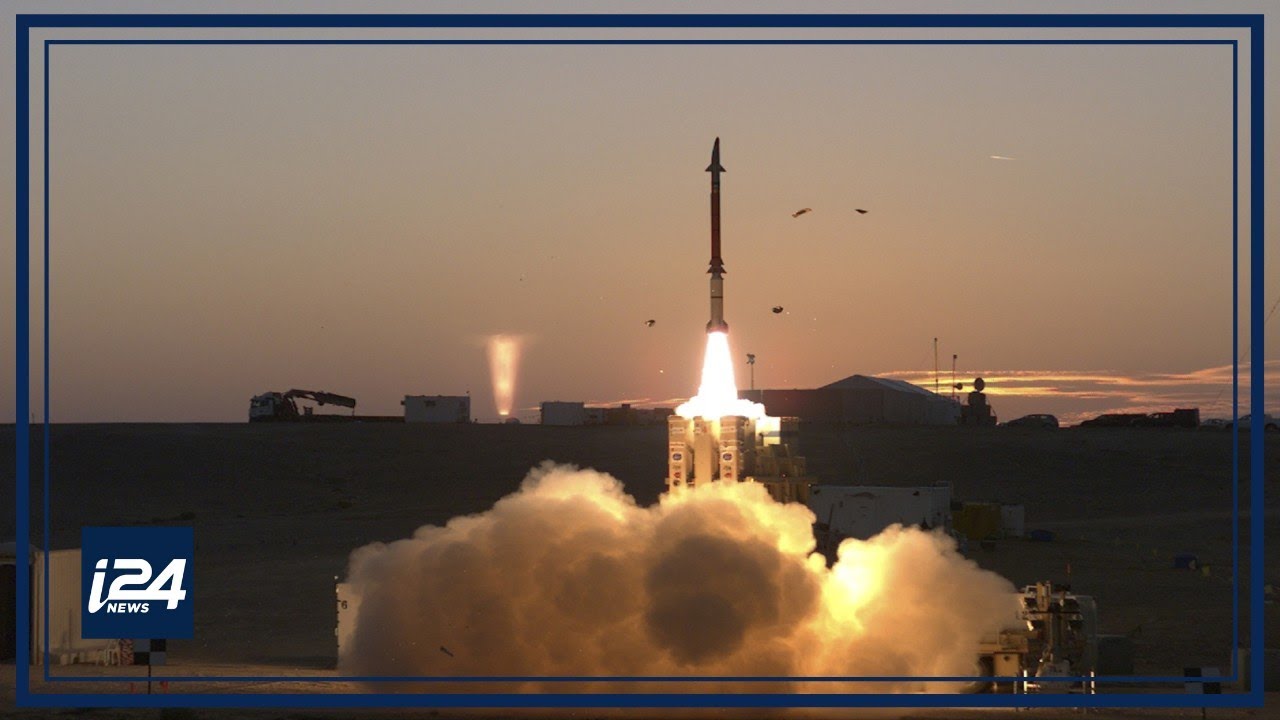
For now, Israeli leadership appears prepared for either scenario, emphasizing readiness and vigilance. Military sources cited by Israel National News indicate that air defense systems remain on high alert and that contingency plans are in place to respond to further attacks.
Amid the strategic calculations and military operations, the human dimension of the conflict remains ever present. The injuries sustained by Israeli soldiers serve as a stark reminder of the risks faced by those on the front lines, while the broader population continues to navigate the uncertainties of life under threat.
Residents in northern Israel, many of whom have experienced repeated disruptions due to hostilities, are watching developments closely. For them, the promise of restored security is not an abstract policy goal but a deeply personal aspiration.
The targeted strike in Beirut represents a significant moment in the ongoing confrontation between Israel and Hezbollah, one that encapsulates the complexities and dangers of the current security environment. As Israel National News has consistently reported, the situation remains fluid, with each development carrying implications that extend far beyond the immediate battlefield.
In the words of Israel’s leadership, “No terrorist has immunity,” a declaration that underscores the guiding principle behind the operation. Whether this approach will achieve its intended outcomes—deterring further aggression and restoring stability—remains to be seen.
What is certain, however, is that the events unfolding in Beirut and along the northern border will continue to shape the regional landscape, demanding careful attention from policymakers, analysts, and citizens alike as the next chapter of this enduring conflict begins to unfold.