

















|
Getting your Trinity Audio player ready...
|
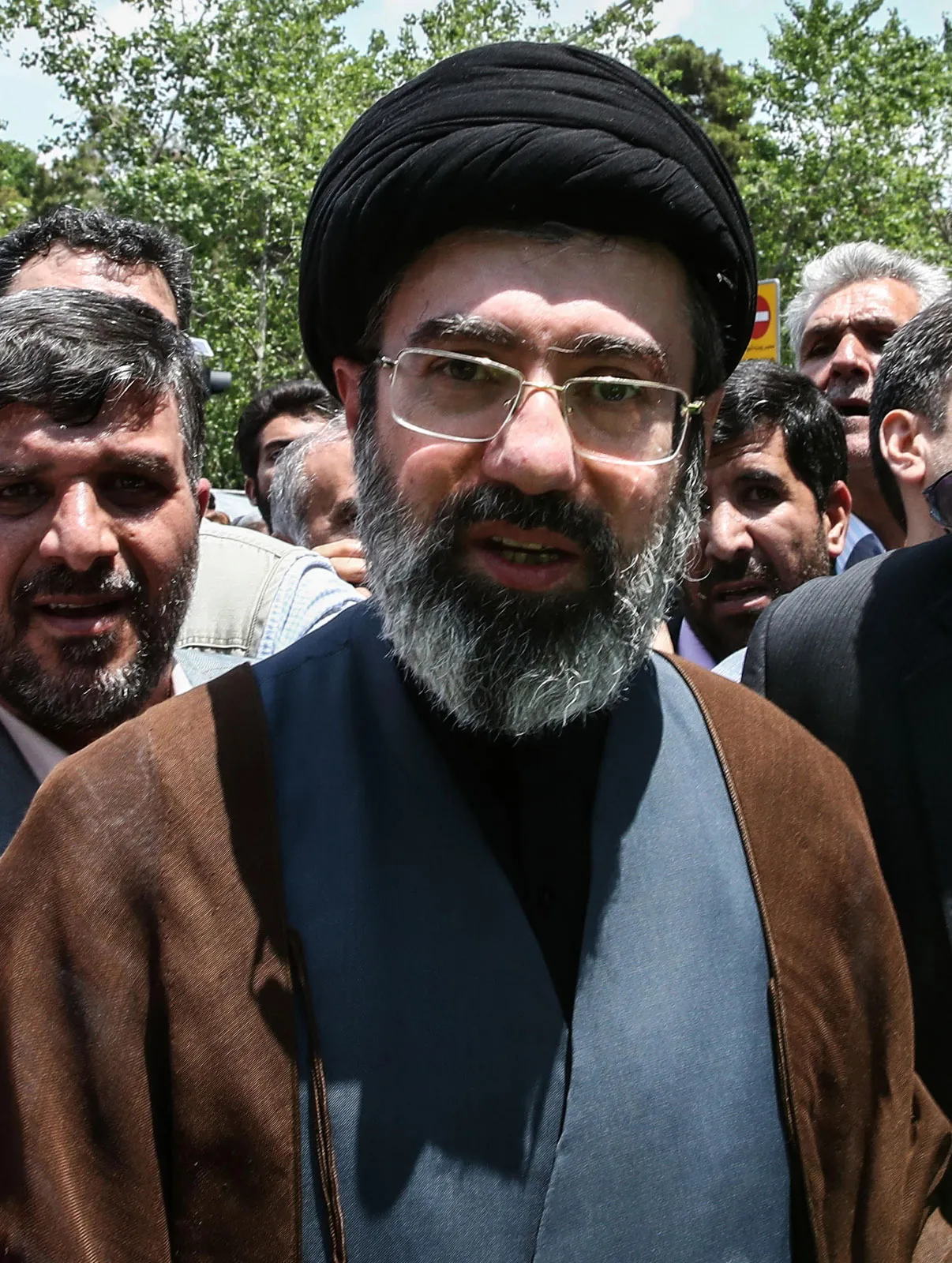
(TJV NEWS) Iran’s Supreme Leader Mojtaba Khamenei has issued a direct order to the country’s armed forces to continue and intensify military operations against what Tehran describes as the United States and Israel, according to Iranian state-linked media reports cited by multiple outlets, including ZeroHedge and IRIB.
The directive, framed as “new guiding measures,” signals a potential escalation in Iran’s regional posture at a time when tensions across the Middle East remain extremely volatile.
Supreme Leader Issues “Decisive Operations” Directive
According to the report, Khamenei’s order was delivered during a high-level meeting with Major General Ali Abdollahi, commander of Iran’s Khatam al-Anbiya Central Headquarters, the body responsible for coordinating Iran’s military strategy and wartime operations.
During the meeting, the Supreme Leader reportedly praised Iran’s armed forces and instructed them to maintain “decisive operational readiness” and continue confronting adversaries without hesitation.
The message emphasized continuity in Iran’s military doctrine, particularly in relation to long-standing hostility toward the United States and Israel.
Iran Signals Readiness for Broader Regional Conflict
The directive comes as Iranian officials increasingly warn of retaliation against any perceived military pressure from Western powers or regional allies of the United States.
Iranian military leadership has repeatedly stated that the Islamic Republic is prepared to respond with “swift and severe” countermeasures if attacked, while also signaling readiness to expand operations beyond its borders if necessary.
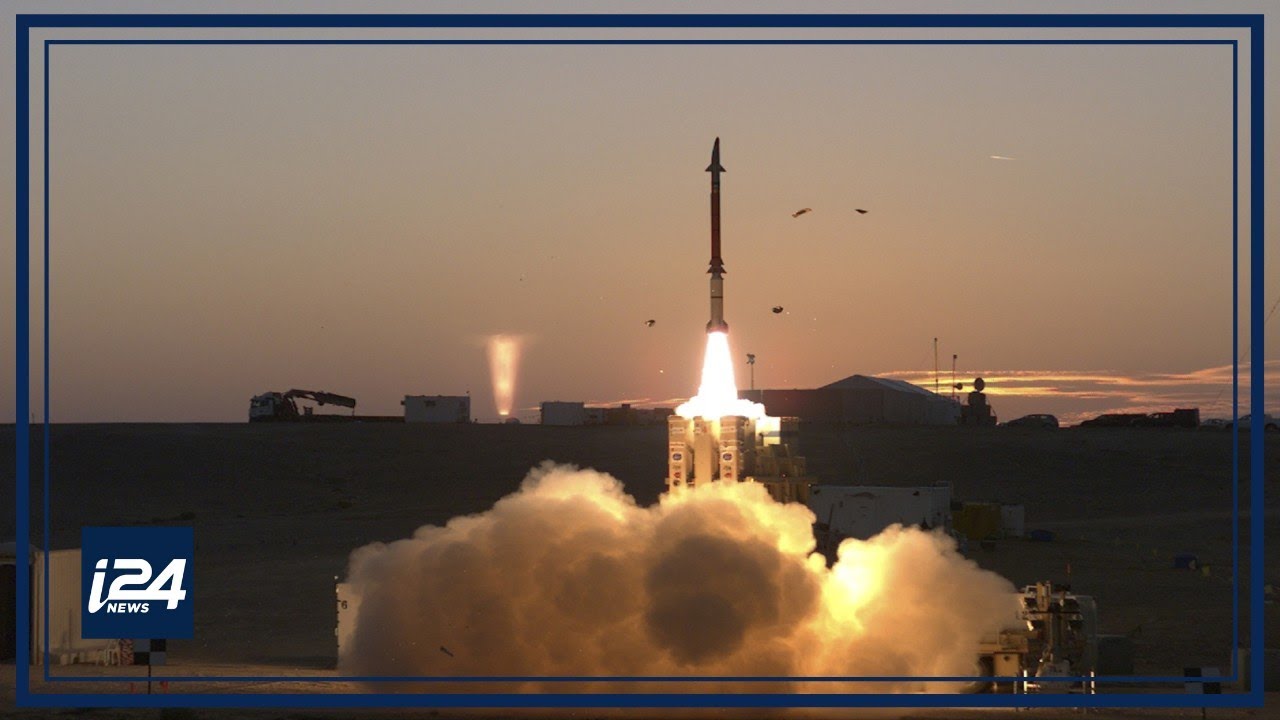
Recent statements from Tehran have also focused on strategic waterways such as the Strait of Hormuz, a critical global shipping route for oil and gas, where Iran has threatened action against foreign naval presence.
Heightened U.S.–Iran–Israel Tensions Fuel Escalation Fears
The latest directive adds to growing concerns among Western intelligence analysts that the Middle East is entering a new phase of strategic confrontation, particularly involving Iran’s Islamic Revolutionary Guard Corps (IRGC) and its network of allied regional militias.
Iran continues to frame its military posture as defensive, while accusing Washington and Tel Aviv of destabilizing the region through sanctions, covert operations, and military pressure.
At the same time, U.S. intelligence assessments suggest Iran’s leadership remains deeply engaged in shaping war strategy despite internal challenges and leadership uncertainty.
Regional Security at a Breaking Point
The broader geopolitical environment remains highly unstable, with multiple flashpoints across the Middle East involving naval deployments, proxy conflicts, and drone or missile exchanges.
Security analysts warn that any miscalculation could quickly escalate into a wider regional conflict involving global energy routes, particularly if tensions around the Strait of Hormuz intensify further.
Iranian officials, however, insist that the country will not back down from what it calls its “right to self-defense” and continued resistance against U.S. and Israeli military pressure.
Conclusion: A Dangerous New Phase of Confrontation
Khamenei’s latest directive underscores Iran’s continued commitment to an assertive regional military strategy, despite rising international pressure and the risk of broader escalation.
As both Washington and Tehran harden their positions, the Middle East appears to be entering another period of heightened instability—one that could have significant implications for global security, oil markets, and diplomatic relations across the region.




1 Comment
D Miller
May 11, 2026I object to your reference to the U.S. and Israel was ‘Washington and Tel Aviv’. The capital of Israel is Jerusalem, not Tel Aviv.