
















|
Getting your Trinity Audio player ready...
|
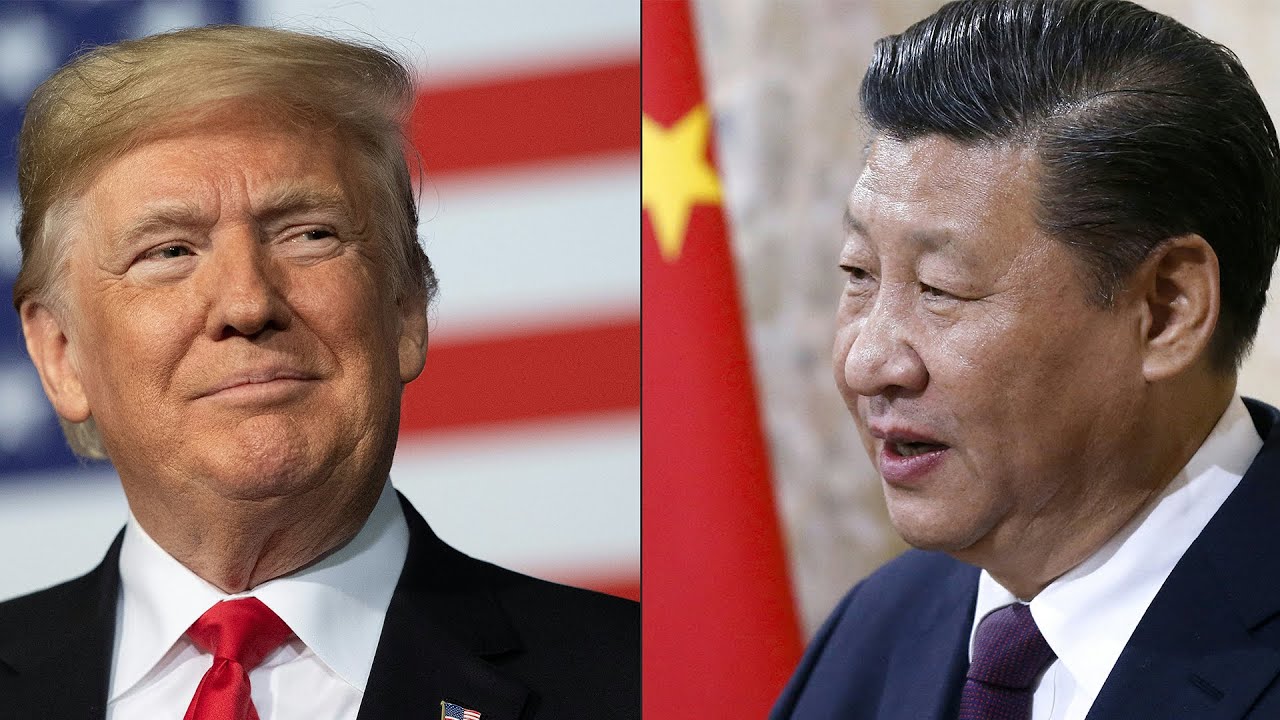
(JNS) President Donald Trump is expected to directly pressure Chinese President Xi Jinping over Beijing’s ongoing support for Iran during upcoming high-level talks in Beijing, according to White House officials, as tensions between Washington, Tehran, and Beijing continue to escalate.
A senior U.S. administration official confirmed that Trump will raise concerns about China’s economic and energy ties with Iran, particularly its continued purchase of Iranian crude oil, which Washington views as a key lifeline for Tehran amid sanctions and regional conflict, according to the report originally cited by JNS.
“I would expect the president to apply pressure,” the official said, noting that Trump has already imposed sanctions on Chinese entities linked to Iranian oil transactions in previous rounds of U.S. economic measures.
China remains Iran’s largest oil customer, accounting for a dominant share of Tehran’s exports, a relationship that has repeatedly drawn criticism from U.S. policymakers who argue it undermines international efforts to isolate Iran over its nuclear program and regional activities.
The Trump-Xi meeting comes at a sensitive moment, as broader U.S.-China relations are already strained by disputes over trade, technology, Taiwan, and military influence in the Asia-Pacific region. Iran, however, has emerged as an increasingly central flashpoint in the bilateral agenda.
Analysts say Washington’s strategy is aimed at leveraging the summit to push Beijing to reduce its economic support for Tehran, while also seeking broader cooperation on Middle East stability. China, meanwhile, has signaled interest in maintaining diplomatic engagement with Iran while resisting what it views as unilateral U.S. pressure.
The expected confrontation over Iran adds another layer of complexity to the already high-stakes talks between the two global powers, with outcomes likely to shape not only Middle East dynamics but also the trajectory of U.S.-China relations in the months ahead.
As JNS reports, the discussions underscore how Iran has become a central point of geopolitical friction between Washington and Beijing, intersecting with broader concerns over energy security, sanctions enforcement, and global diplomatic influence.



