































|
Getting your Trinity Audio player ready...
|
By: Justin Winograd
Egregious Cases of Medical Negligence
While statistics provide a broad overview, it is individual cases that illuminate the human cost of medical error.
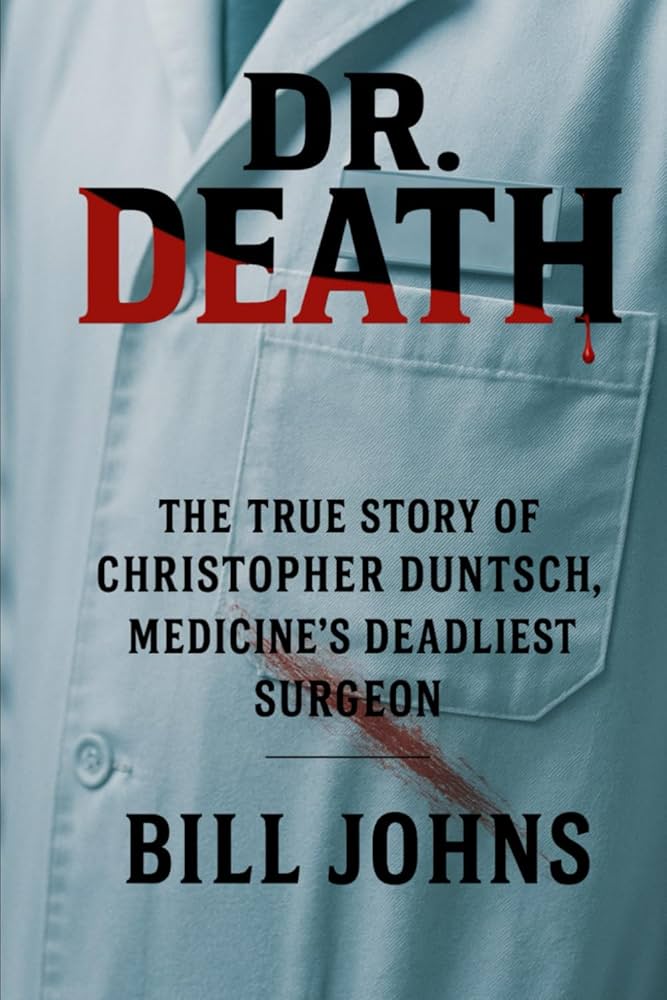
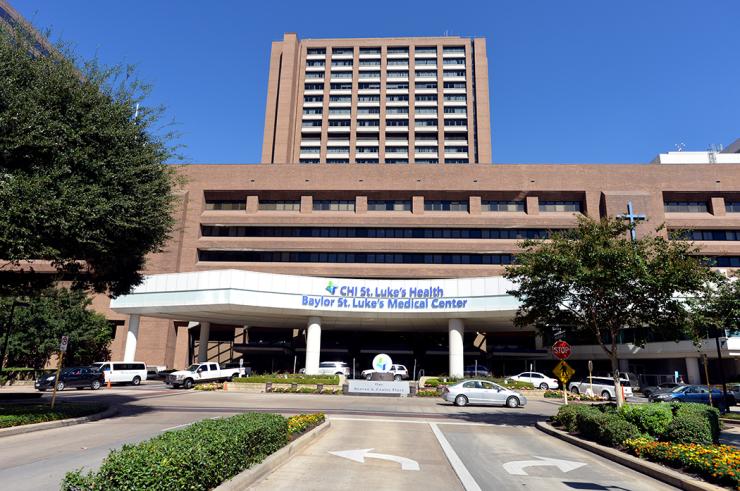
The case of Christopher Duntsch, infamously dubbed “Dr. Death,” remains one of the most harrowing examples of medical malpractice and systemic failure in the United States. After completing his neurosurgical training, Duntsch relocated to Dallas, Texas in late 2010 and began practicing spine surgery in July 2011 at Baylor Regional Medical Center in Plano and other facilities across the Dallas–Fort Worth area. What initially appeared to be the promising start of a surgical career soon devolved into a pattern of catastrophic outcomes that would ultimately shock both the medical community and the public.

Between 2011 and 2013, Duntsch performed dozens of spinal procedures—approximately 37 to 38 in total—with devastating consequences. During this period, 31 patients were left seriously injured or permanently disabled, while two others died as a direct result of his surgeries. As early as 2012, concerns about his surgical performance had been formally reported to the Texas Medical Board, signaling that warning signs had emerged well before decisive action was taken. Despite mounting evidence of harm, Duntsch was able to continue operating across multiple institutions, exposing critical weaknesses in oversight and reporting systems.
Regulatory intervention finally came in 2013. On June 26 of that year, the Texas Medical Board suspended Duntsch’s license, and by December 6, 2013, it was permanently revoked, effectively ending his medical career. Yet the legal consequences extended far beyond professional discipline. In July 2015, Duntsch was arrested in Dallas and charged with multiple felonies, including five counts of aggravated assault and one count of injury to an elderly patient. His case proceeded to trial in February 2017, focusing on one particularly severe incident that left a patient permanently paralyzed.
On February 20, 2017, a jury convicted Duntsch, and he was sentenced to life imprisonment in what became a landmark ruling in American legal history. His conviction was later upheld on appeal in December 2018, and the Texas Court of Criminal Appeals declined further review on May 8, 2019, exhausting his legal options. Duntsch remains incarcerated and will not be eligible for parole until July 2045. His case is widely regarded as the first in which a physician was criminally convicted for conduct occurring directly in the operating room, and it exposed profound systemic failures that allowed a dangerous practitioner to continue operating despite repeated and unmistakable signs of harm.
On February 20, 2017, a jury convicted Duntsch, and he was sentenced to life imprisonment in what became a landmark ruling in American legal history. His conviction was later upheld on appeal in December 2018, and the Texas Court of Criminal Appeals declined further review on May 8, 2019, exhausting his legal options. Duntsch remains incarcerated and will not be eligible for parole until July 2045.
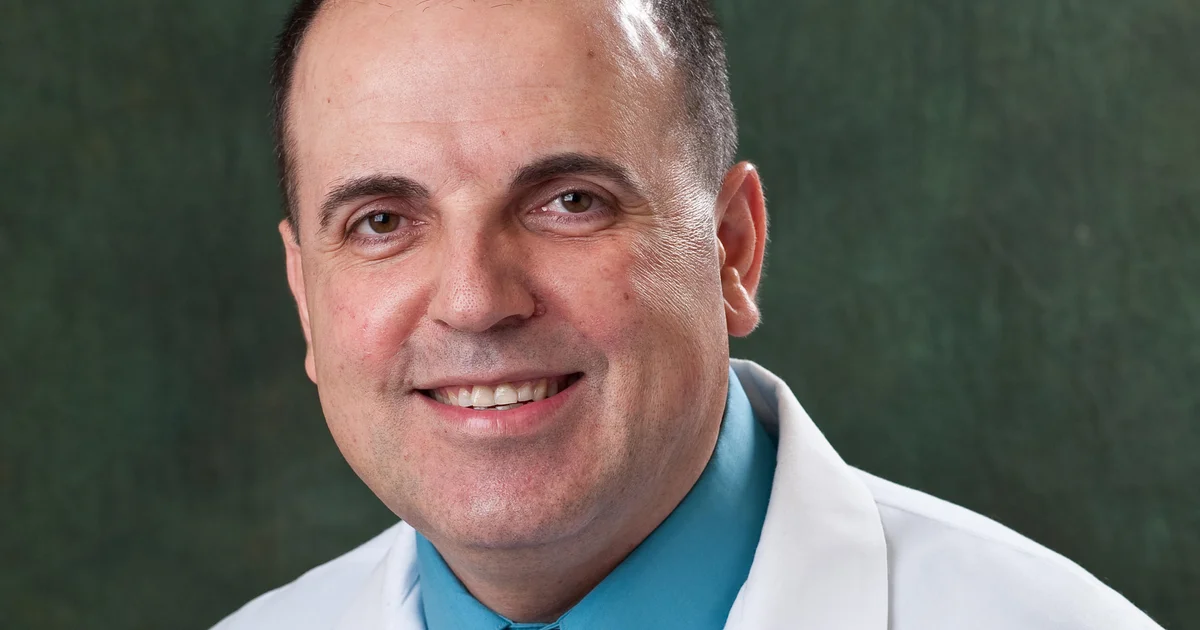
The case of Farid Fata stands as one of the most disturbing examples of physician misconduct in modern American medical history, illustrating how calculated deception within the healthcare system can yield devastating human consequences. For years, Dr. Fata operated a prominent oncology practice in Michigan, cultivating the image of a trusted cancer specialist while, in reality, subjecting patients to unnecessary and often harmful treatments. His actions were not the result of negligence or error, but rather a deliberate scheme motivated by financial gain, ultimately affecting hundreds of vulnerable individuals who had entrusted him with their lives.
The unraveling of Fata’s enterprise began in 2013, when a whistleblower within his practice raised concerns about irregular treatment patterns. Federal authorities swiftly initiated an investigation, culminating in his arrest on August 6, 2013. Prosecutors alleged that Fata had systematically misdiagnosed patients, falsely informing some that they had cancer while administering aggressive chemotherapy and infusion therapies that were medically unwarranted. Over the course of the investigation, it became evident that his actions generated tens of millions of dollars in fraudulent billings to Medicare and private insurers, while inflicting severe physical and emotional harm on his patients.
On September 16, 2014, Fata pleaded guilty in federal court, admitting to healthcare fraud, money laundering, and conspiracy. During his plea, he acknowledged that his conduct was driven by greed and represented a profound violation of the ethical obligations inherent in the medical profession. The full magnitude of the damage became apparent through victim testimonies, which described not only the physical toll of unnecessary chemotherapy but also the psychological trauma of being falsely diagnosed with life-threatening illness.
Fata was sentenced on July 10, 2015, to 45 years in federal prison—one of the harshest penalties ever imposed in a healthcare fraud case. The presiding judge characterized his actions as a grave betrayal of trust, emphasizing the irreversible harm inflicted upon patients and their families. Today, the case continues to serve as a stark reminder of the critical need for vigilant oversight within the healthcare system, as well as the catastrophic consequences that can arise when that trust is exploited for personal gain.
Systemic Failures and Oversight Gaps
These cases, while extreme, are not anomalies in isolation. Rather, they reflect broader systemic weaknesses that allow negligence to occur—and, in some instances, to persist. Hospital credentialing processes, state medical boards, and peer review systems are designed to identify and address problematic practitioners. However, fragmentation and inconsistencies in these mechanisms can impede timely intervention.
Fata was sentenced on July 10, 2015, to 45 years in federal prison—one of the harshest penalties ever imposed in a healthcare fraud case. The presiding judge characterized his actions as a grave betrayal of trust, emphasizing the irreversible harm inflicted upon patients and their families
One of the most troubling aspects of the malpractice landscape is the phenomenon of repeat offenders. Physicians with prior claims are significantly more likely to incur additional claims in subsequent years, suggesting that early warning signs are not always acted upon. This raises questions about the effectiveness of current monitoring systems and the willingness of institutions to confront internal problems.
The Human and Economic Toll
The consequences of medical negligence extend far beyond individual cases. For patients and their families, the impact can be devastating, encompassing physical injury, emotional trauma, and financial hardship. For the healthcare system, malpractice contributes to increased costs, defensive medicine practices, and diminished trust.
Financially, malpractice claims result in billions of dollars in payouts each year, with average indemnity payments often exceeding hundreds of thousands of dollars per case. Yet these figures represent only a portion of the true cost, which includes legal expenses, lost productivity, and the broader societal impact of preventable harm.
Toward Reform and Accountability
Addressing medical negligence requires a multifaceted approach that balances accountability with the realities of clinical practice. Potential reforms include enhanced transparency in reporting adverse events, improved data sharing among regulatory bodies, and stronger enforcement of disciplinary actions against repeat offenders.
Technological innovation also offers promising avenues for reducing error. Electronic health records, decision-support systems, and artificial intelligence tools have the potential to enhance diagnostic accuracy and streamline communication. However, these tools must be implemented thoughtfully to avoid introducing new sources of risk.
Equally important is the cultivation of a culture of safety within healthcare institutions—one that encourages the reporting of errors without fear of retribution and prioritizes continuous improvement over blame.
Medical negligence in the United States represents a complex and deeply consequential challenge, one that defies simple solutions. The statistics reveal a profession under constant legal scrutiny, while individual cases expose the profound human cost of failure. From routine misdiagnoses to catastrophic surgical errors, the spectrum of malpractice underscores the necessity of vigilance at every level of the healthcare system.
As the nation grapples with these issues, the imperative is clear: to ensure that the promise of modern medicine is matched by an equally robust commitment to safety, accountability, and ethical integrity. Only through sustained effort—by policymakers, practitioners, and institutions alike—can the silent epidemic of medical negligence be meaningfully addressed.



