









|
Getting your Trinity Audio player ready...
|
By: Fern Sidman
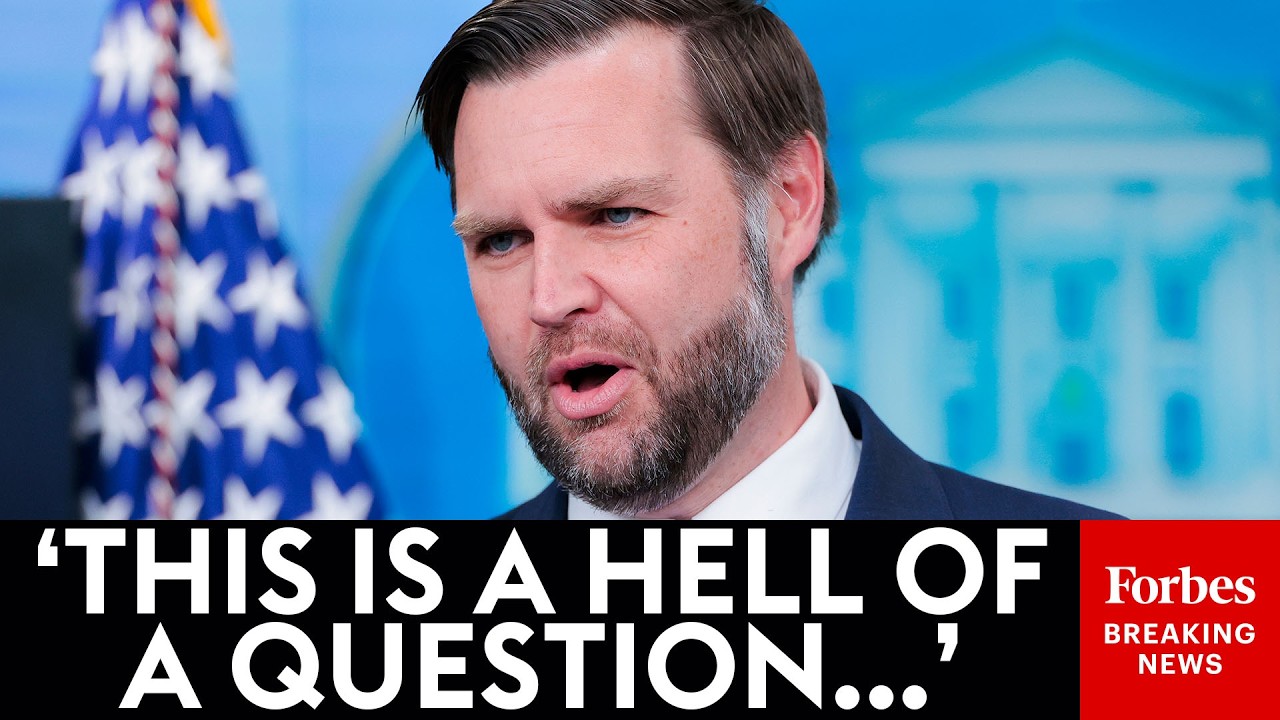
In a high-stakes appearance that underscored both the gravity of the ongoing Iran conflict and the political crosscurrents shaping Washington, Vice President JD Vance stepped to the podium at the White House press briefing on Tuesday, offering a carefully calibrated defense of the administration’s strategy while grappling with mounting uncertainty surrounding a war now approaching its third month.
As reported by the BBC, Vance’s remarks revealed the delicate balancing act he now faces: reconciling his longstanding skepticism of foreign military entanglements with the reality of serving in an administration deeply engaged in a volatile confrontation with Tehran. The briefing, part of a rotating series of Cabinet-level appearances before the press corps, quickly became dominated by questions surrounding the trajectory, purpose, and potential conclusion of the conflict.
“This is not a forever war. We’re going to take care of business and come home,” Vance declared, striking a tone that sought to reassure both war-weary observers and supporters of the administration’s “America First” ethos. Yet, as the BBC noted, the vice president stopped short of articulating a concrete roadmap for how or when such an outcome might be achieved.
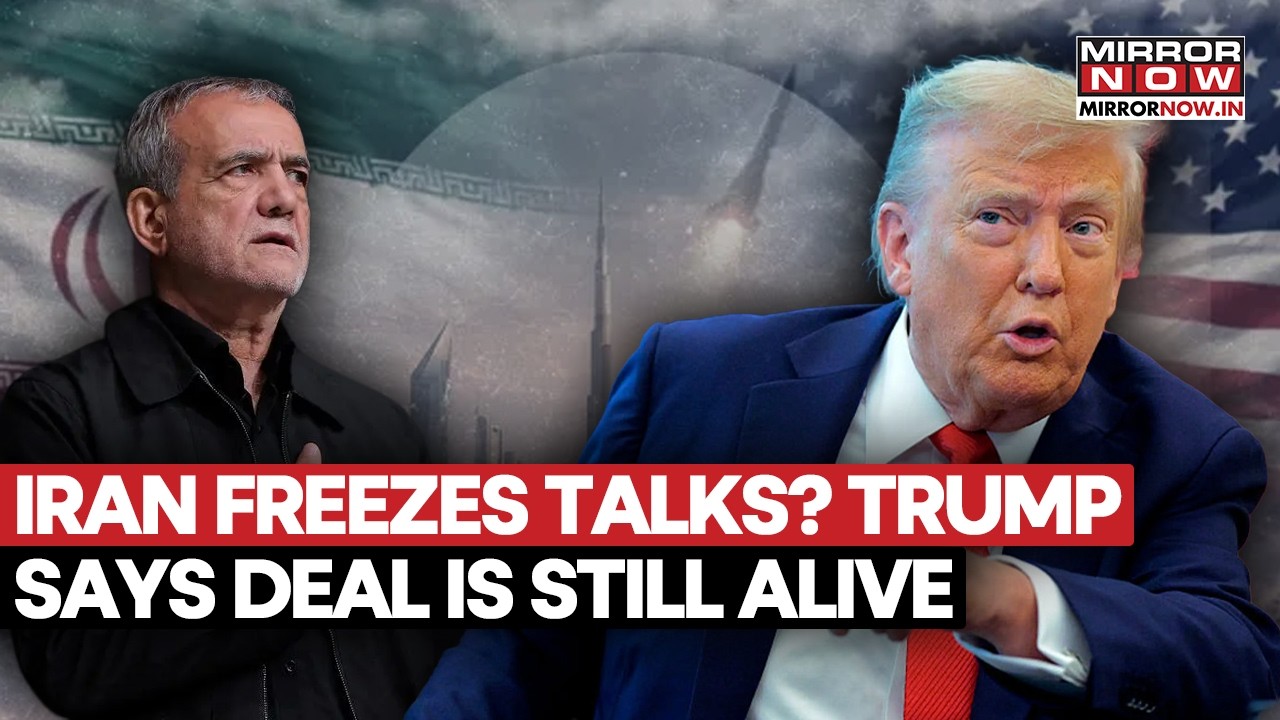
The absence of specificity was not lost on reporters, who pressed Vance repeatedly on the state of negotiations with Iran and whether any tangible progress had been made toward a diplomatic resolution. In response, he offered a cautiously optimistic assessment. “A lot of good progress has been made,” he said, while declining to elaborate on whether Washington and Tehran were any closer to bridging their substantial differences.
The ambiguity surrounding the negotiations reflects a broader uncertainty that has come to define the conflict. According to BBC coverage, Vance acknowledged the complexity of dealing with the Iranian government, describing it as a “proud civilization” populated by “amazing people,” but also as a “fractured” entity in which “it is sometimes not totally clear what the position of the negotiating team is.” This characterization, while diplomatically measured, hinted at the challenges facing U.S. negotiators as they attempt to secure meaningful concessions from a regime whose internal dynamics remain opaque.
At the core of the administration’s position, Vance reiterated, is an uncompromising stance on nuclear proliferation. “Iran cannot have a nuclear weapon,” he said emphatically, warning that such a development would trigger a cascade of regional consequences. If Tehran were to acquire nuclear capabilities, he argued, other nations would begin “scrambling” to develop their own arsenals, a scenario that would “make us all less safe.”
This framing aligns closely with the administration’s broader strategic narrative, which has consistently portrayed the conflict as a necessary measure to prevent a destabilizing shift in the global security landscape. Yet, as the BBC has observed, the persistence of the war without a clear endpoint has begun to test public patience and raise questions about the long-term implications of continued military engagement.
Compounding these concerns are the domestic political ramifications of the conflict. Vance, widely viewed as a potential contender in the 2028 presidential race, has built much of his political identity around opposition to prolonged foreign interventions. His 2024 campaign, conducted alongside President Donald Trump, emphasized a return to a more restrained foreign policy, encapsulated in the slogan of “America First.”
Now, however, Vance finds himself in the position of defending a war that appears increasingly at odds with that philosophy. As the BBC reported, this tension was evident throughout the briefing, as the vice president sought to reconcile his past rhetoric with the present realities of governance.
The challenge was particularly acute when Vance was asked to address recent comments by President Trump, who had stated, “I don’t think about Americans’ financial situation. I don’t think about anybody. I think about one thing, we cannot let Iran have a nuclear weapon. That’s all.” The remark, which drew significant attention, raised concerns about the administration’s sensitivity to the economic impact of the conflict.
Vance moved quickly to contextualize the president’s statement, insisting that it had been “totally taken out of context.” He emphasized that Trump remains deeply attuned to the concerns of ordinary Americans. “The president worries about his fellow Americans every single day,” Vance said, attempting to reassure those who fear that the costs of the conflict—both economic and human—may be overshadowed by strategic considerations.
At the same time, Vance sought to project confidence in the administration’s ability to manage the economic fallout of the war. Responding to questions about rising prices and potential disruptions to global energy markets, he expressed optimism about the future. “I feel confident that prices are going to come down after the war,” he said, though he did not provide specific details on the mechanisms that would drive such a decline.
The issue of economic impact is particularly salient given the broader context of domestic political dynamics. As the BBC has highlighted, voters are increasingly attuned to the intersection of foreign policy and economic well-being, and the administration’s handling of the Iran conflict could have significant implications for upcoming electoral contests.
Another point of contention addressed during the briefing was the status of Iran’s enriched uranium, a critical component of the ongoing negotiations. Vance acknowledged reports suggesting that Russia might take possession of some of Iran’s nuclear material, but he was quick to clarify that such an arrangement is not part of the U.S. strategy. “This is not part of our plan,” he said, adding that he would not “make commitments on negotiations” during a public briefing.
This cautious approach underscores the sensitivity of the negotiations, which involve not only the United States and Iran but also a complex web of regional and international actors. As the BBC has reported, the involvement of external powers adds another layer of complexity to an already intricate diplomatic landscape.
Throughout the briefing, Vance maintained a composed and measured demeanor, offering responses that were both polished and carefully calibrated. Yet, beneath the surface, the challenges facing the administration were evident. The war in Iran, now entering its third month, shows no clear signs of resolution, and the path forward remains fraught with uncertainty.
For Vance, the stakes are particularly high. As a leading figure within the administration and a potential future presidential candidate, his handling of the crisis will likely shape perceptions of his leadership and political viability. The need to balance ideological consistency with pragmatic governance is a test that few politicians navigate without difficulty.
The broader implications of the conflict extend beyond the immediate concerns of strategy and policy. As the BBC has noted, the war has become a focal point for debates about the role of the United States in the world, the limits of military power, and the challenges of achieving lasting peace in a volatile region.
In this context, Vance’s assertion that “this is not a forever war” carries both promise and uncertainty. It reflects an aspiration to avoid the protracted conflicts that have defined much of recent U.S. foreign policy, yet it also raises questions about how such an outcome can be realized in practice.
As the briefing concluded, the sense of unresolved tension remained palpable. The administration’s commitment to preventing Iran from acquiring nuclear weapons is clear, but the means by which that objective will be achieved—and the costs associated with it—remain subjects of intense debate.
In the weeks and months ahead, the evolution of the conflict will likely continue to dominate the national conversation, shaping not only the trajectory of U.S. foreign policy but also the political fortunes of those tasked with its execution. For Vice President JD Vance, Tuesday’s briefing was more than a routine appearance; it was a moment that encapsulated the complexities and contradictions of leadership in an era defined by both ambition and uncertainty.