
































|
Getting your Trinity Audio player ready...
|
By: Ariella Haviv
New York City and the broader Tri-State region are confronting a potent and unseasonable convergence of oppressive heat and deteriorating air quality, as meteorological conditions have triggered both a formal heat advisory and an air quality alert. The developments, extensively reported by CBS News, underscore a growing pattern of volatile early-season weather extremes that are placing increased strain on urban infrastructure and public health systems alike.
According to CBS News, the heat advisory—encompassing New York City and much of neighboring New Jersey—remains in effect from 11 a.m. Tuesday through 8 p.m. Wednesday. During this period, residents are expected to endure heat index values ranging from 95 to 100 degrees, a level of intensity that significantly amplifies the physiological stress associated with high temperatures.
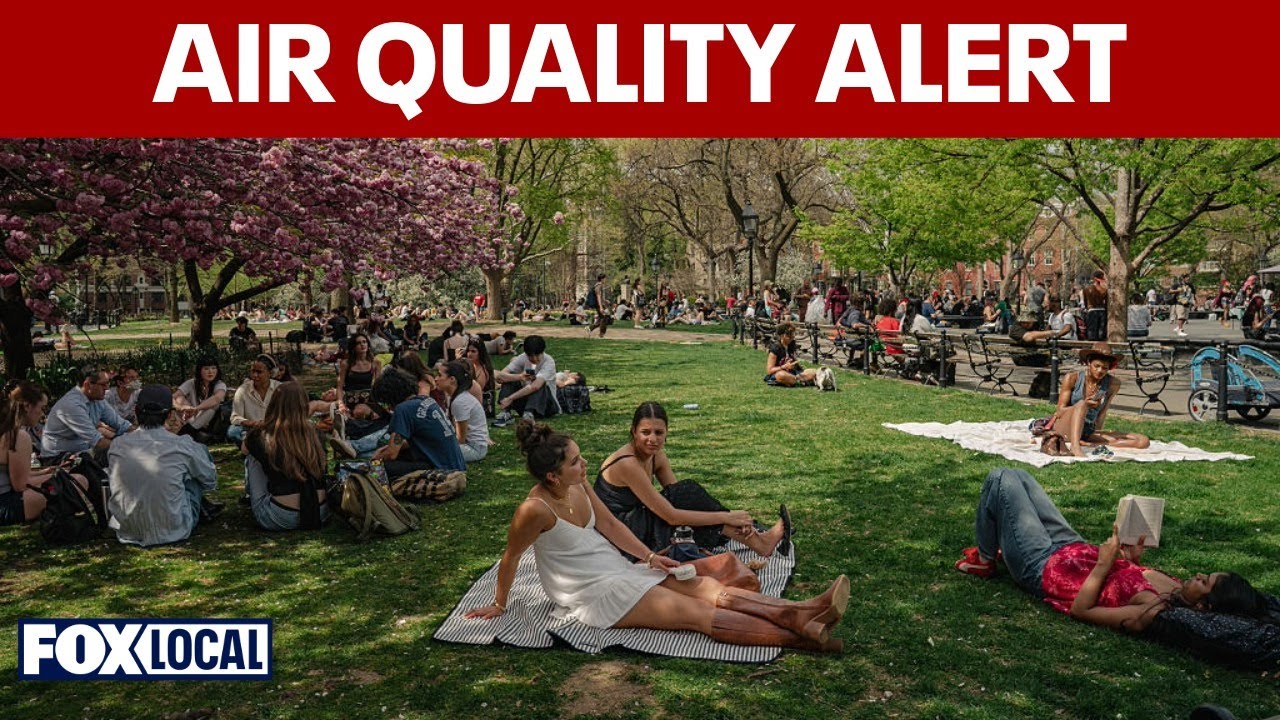
Compounding the challenge is a concurrent air quality alert, issued due to elevated levels of ground-level ozone. This condition, which persists through 11 p.m. Tuesday, introduces an additional layer of risk, particularly for vulnerable populations such as children, the elderly, and individuals with preexisting respiratory conditions. As CBS News has emphasized in its coverage, the combination of heat and poor air quality creates a “double burden” that can exacerbate health complications and increase the likelihood of heat-related illnesses.
City officials have responded by activating a network of cooling centers across all five boroughs, providing residents with access to air-conditioned spaces designed to mitigate the effects of extreme heat. These facilities, which are part of New York City’s broader emergency preparedness framework, serve as a critical lifeline during periods of elevated temperatures.
Meteorologists have designated both Tuesday and Wednesday as First Alert Weather Days, signaling heightened concern regarding the severity and persistence of the current conditions. The forecast, as detailed by CBS News, calls for hazy sunshine accompanied by high humidity, a combination that intensifies the perceived temperature and limits the body’s ability to cool itself effectively.
“Expect hazy sunshine and high humidity, pushing heat index values into the mid and upper 90s,” CBS News reported, capturing the essence of the oppressive atmospheric conditions now enveloping the region. While the likelihood of precipitation remains relatively low, with only a 20 percent chance of a stray shower or thunderstorm north and west of the city, even this minimal possibility offers little in the way of meaningful relief.
Indeed, the persistence of the heat has raised the prospect of record-breaking temperatures in certain areas. Newark, for example, is poised to reach official heat wave status, having already recorded two consecutive days with temperatures exceeding 90 degrees. A third such day would meet the criteria for a heat wave, further underscoring the anomalous nature of the current weather pattern.
The nocturnal outlook provides scant respite. Temperatures Tuesday night are expected to remain elevated, with lows only dipping into the 70s. This sustained warmth, often referred to as a “tropical night,” prevents the environment from cooling sufficiently and prolongs the period of thermal stress experienced by residents.
As CBS News has observed, “Tuesday night stays warm and stuffy,” a characterization that encapsulates the lingering discomfort that will extend well beyond daylight hours. Such conditions are particularly concerning in densely populated urban areas, where heat retention is exacerbated by the built environment.
Wednesday is forecast to bring a continuation of these challenging conditions, with heat and haze persisting throughout the day. However, the meteorological dynamics are expected to shift slightly, introducing a greater possibility of thunderstorms. Some of these storms could become strong, potentially offering localized but temporary relief from the heat.
“Wednesday brings more of the same heat and haze, but with a better chance for thunderstorms,” CBS News reported, noting that while these developments may disrupt the oppressive conditions, they also carry the potential for additional hazards, including heavy rainfall and gusty winds.
Relief, however, appears to be on the horizon. By Thursday, a significant change in the atmospheric pattern is anticipated, leading to a dramatic drop in temperatures—potentially exceeding 20 degrees. This abrupt transition underscores the volatility of current weather systems and highlights the challenges associated with forecasting and preparedness.
The broader implications of this weather event extend beyond immediate discomfort. Episodes of extreme heat and poor air quality have been linked to increased hospital admissions, reduced labor productivity, and heightened energy demand, placing additional pressure on already strained urban systems.
Public health officials have consistently emphasized the importance of precautionary measures during such events. These include staying hydrated, limiting outdoor activity during peak heat hours, and seeking refuge in air-conditioned environments. The availability of cooling centers is a critical component of this strategy, particularly for individuals without access to adequate cooling in their homes.
The current situation also serves as a reminder of the evolving nature of climate patterns. While isolated heat events are not unprecedented, their increasing frequency and intensity have prompted renewed discussions about long-term resilience and adaptation strategies.
As CBS News has documented, the convergence of high temperatures and elevated ozone levels represents a particularly challenging scenario. Ground-level ozone, a key component of smog, is formed through complex chemical reactions involving sunlight and pollutants. Its presence not only degrades air quality but also exacerbates the health risks associated with heat exposure.
For residents of New York City and the surrounding region, the immediate focus remains on navigating the current situation safely. The combination of municipal preparedness measures, public awareness, and individual action will play a crucial role in mitigating the impact of this early-season heat surge.
In the coming days, as temperatures subside and air quality improves, attention is likely to shift toward evaluating the effectiveness of the response and identifying areas for improvement. Such assessments are essential in ensuring that the city remains equipped to coping similar challenges in the future.
For now, however, the message from officials and meteorologists alike is clear: the conditions are serious, the risks are real, and vigilance is essential. As CBS News has consistently underscored, the current situation demands both caution and preparedness, as New York City weathers yet another test of its resilience in the face of increasingly unpredictable environmental forces.



