

















|
Getting your Trinity Audio player ready...
|
By: Fern Sidman
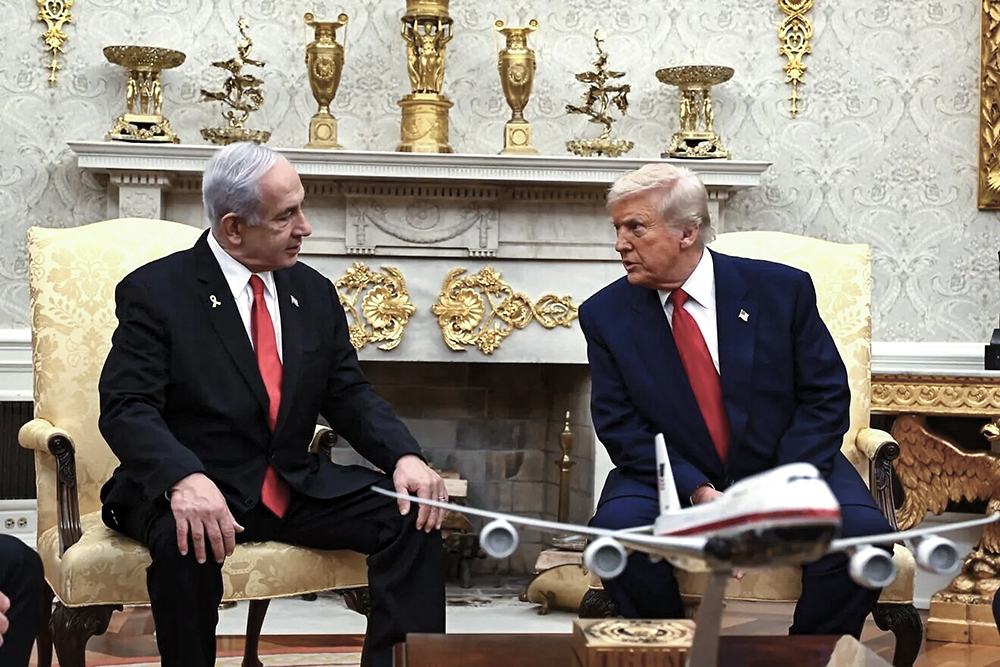
In a dramatic escalation of rhetoric and resolve, President Donald Trump has forcefully rejected claims that Israel influenced his decision to launch military operations against Iran, asserting instead that the catalyst lay in his longstanding strategic convictions and the shock of recent geopolitical violence. As reported on Monday by Fox News Digital and corroborated by other contemporaneous accounts, the president’s remarks—delivered via Truth Social and a series of emphatic public statements—underscore both his unwavering posture toward Tehran and the intensifying stakes of a conflict that continues to reverberate across the international order.
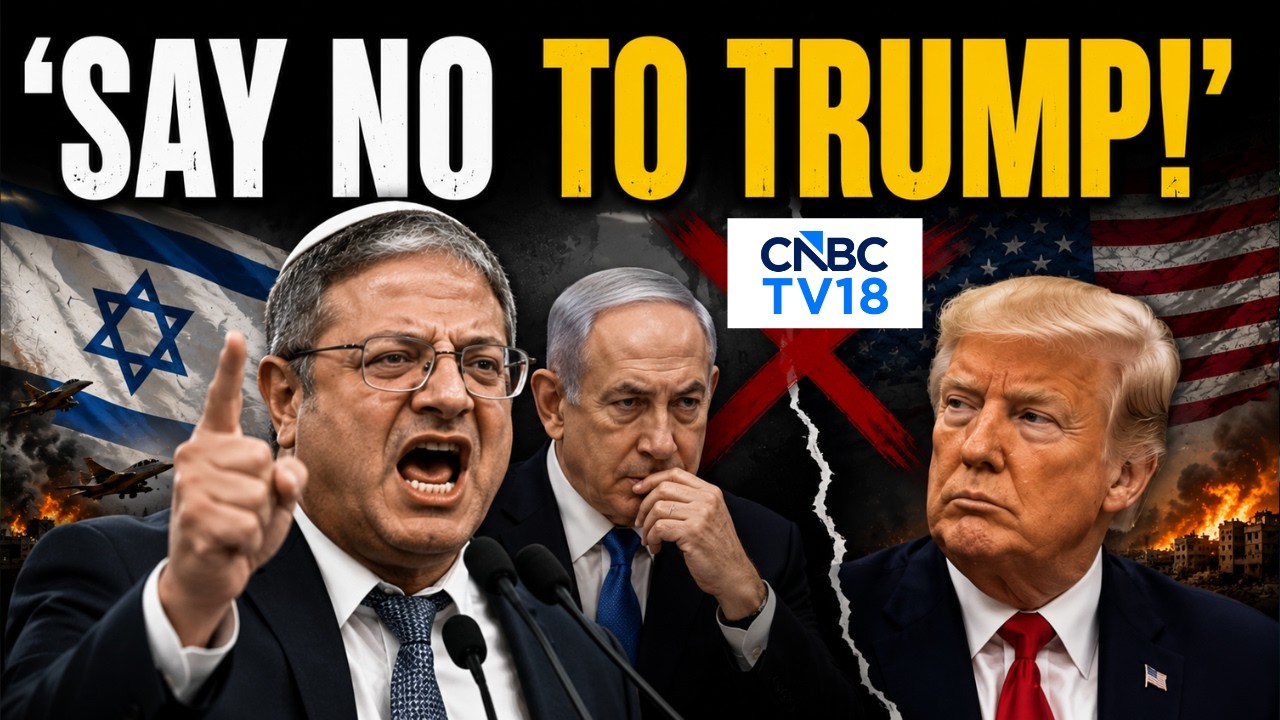
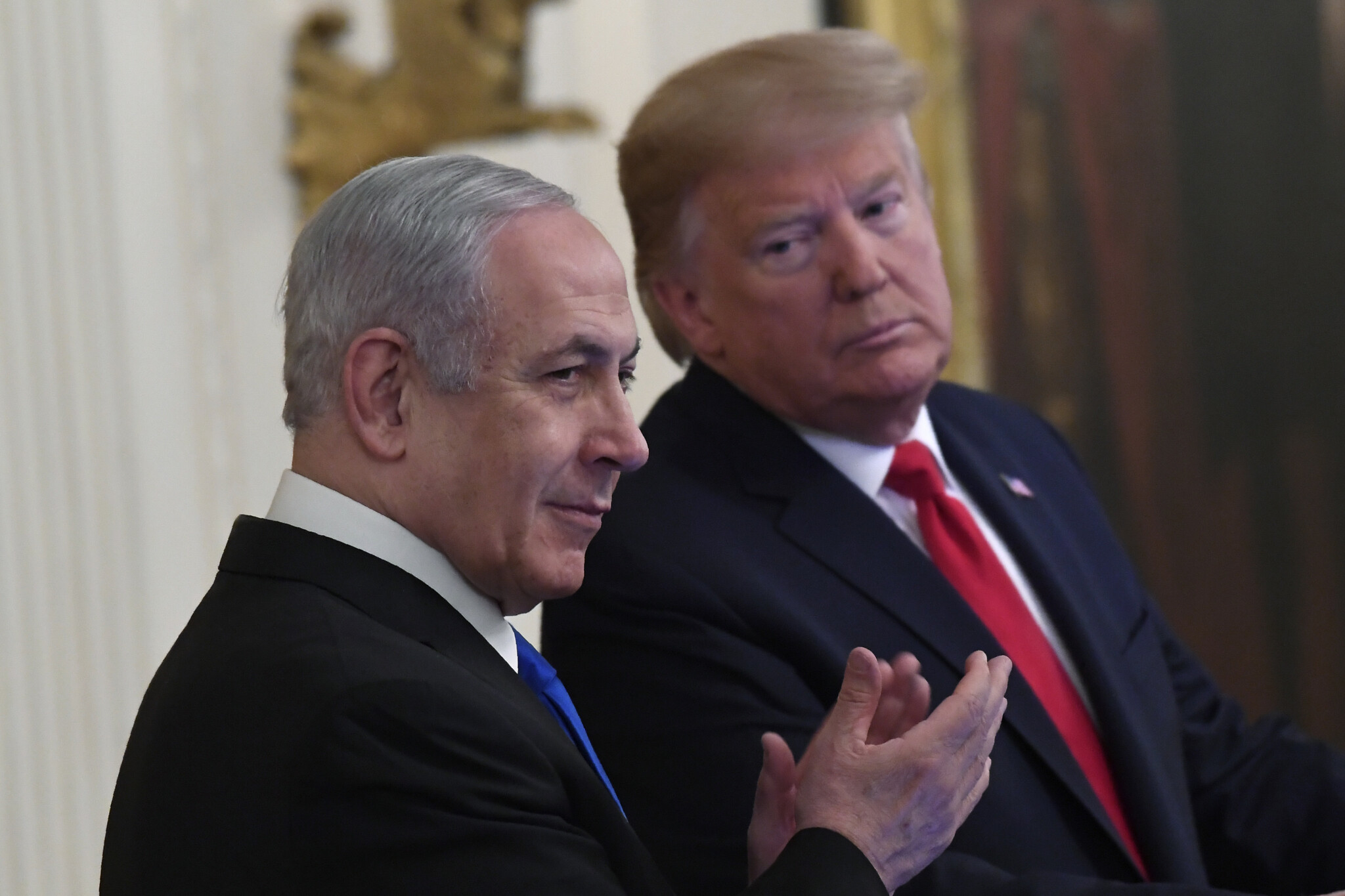
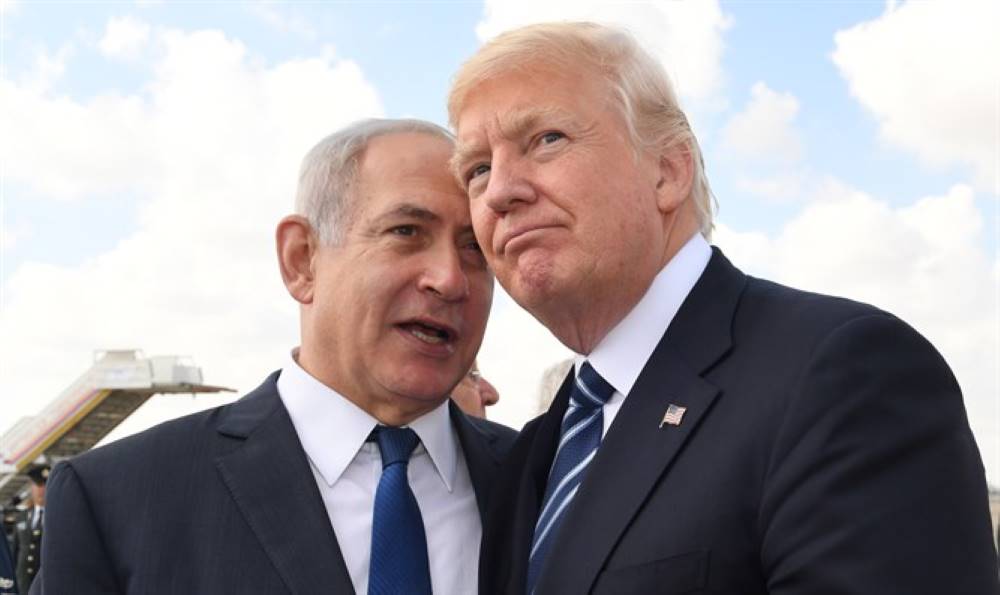
At the core of Trump’s declaration is a categorical denial of external persuasion. “Israel never talked me into the war,” he stated, framing his decision as a direct consequence of the October 7, 2023 terrorist attacks and his enduring belief that Iran must never acquire nuclear capabilities. This assertion, as reported by Fox News Digital, seeks to reposition the narrative surrounding the conflict—shifting it away from alliance-driven decision-making and toward what the president characterizes as an independent and principled strategic calculus.
The president’s argument is rooted in a broader ideological framework that has long defined his foreign policy outlook. For Trump, the specter of a nuclear-armed Iran represents not merely a regional threat, but a destabilizing force with global implications. His insistence that the Islamic Republic be permanently barred from obtaining such weapons has been a consistent theme throughout his political career, and it now serves as the central justification for a military campaign that has already reshaped the geopolitical landscape.
Yet Trump’s remarks extend beyond strategic reasoning into a broader critique of media narratives and public discourse. In language that is both combative and unambiguous, he dismissed what he described as “fake news pundits and polls,” accusing them of disseminating falsehoods and manipulating public perception. According to the Fox News Digital report, the president’s critique reflects a deep-seated skepticism toward institutions he believes have misrepresented both his intentions and the outcomes of the conflict.
This rhetorical posture is emblematic of a presidency that has frequently sought to challenge established narratives, positioning itself in opposition to what it perceives as entrenched media bias. In the context of the Iran war, this approach serves not only to defend the administration’s actions but also to galvanize support among constituencies that share its distrust of traditional information channels.
The military dimension of the conflict, meanwhile, has continued to unfold with striking intensity. Central to recent developments is the interception and seizure of the Iranian-flagged cargo vessel Touska, an operation that has become emblematic of the administration’s assertive enforcement of its naval blockade. As detailed in reports referenced by Fox News Digital, the encounter began when a United States Navy guided-missile destroyer identified the vessel as it attempted to transit toward Iranian waters in apparent violation of the blockade.
Despite repeated warnings issued over a prolonged period, the ship’s crew failed to comply, prompting a decisive response. The destroyer disabled the vessel’s propulsion system by targeting its engine room, after which United States Marines boarded and secured the ship. This sequence of events, corroborated by multiple contemporaneous reports, represents a significant escalation in the enforcement of maritime restrictions and underscores the administration’s willingness to employ force to uphold its strategic objectives.
The seizure of the Touska has not occurred in isolation. It is part of a broader campaign aimed at restricting Iran’s ability to conduct maritime commerce and project influence through critical waterways such as the Strait of Hormuz. This strategic chokepoint, through which a substantial portion of the world’s energy supply passes, has become a focal point of the conflict, with both sides asserting competing claims over its accessibility and control.
Tensions surrounding the strait have been further exacerbated by mutual accusations of ceasefire violations. Trump has alleged that Iranian forces engaged in hostile actions against vessels traversing the waterway, characterizing such behavior as a direct breach of the terms of the truce. Iranian officials, in turn, have accused the United States of undermining the ceasefire through its continued enforcement of the blockade, describing the measures as unlawful and punitive.
This cycle of accusation and counteraccusation has contributed to an atmosphere of profound uncertainty, in which the boundaries between de-escalation and renewed conflict remain perilously indistinct. The fragile nature of the ceasefire, coupled with the absence of a comprehensive diplomatic framework, has left both sides poised on the brink of further confrontation.
Against this backdrop, Trump has issued a stark ultimatum to Tehran. In statements highlighted by Fox News Digital, he warned that failure to accept the terms of a proposed agreement would result in a sweeping campaign targeting Iran’s critical infrastructure, including its power plants and transportation networks. The language employed—forceful, uncompromising, and infused with a sense of inevitability—reflects a strategy predicated on overwhelming pressure and decisive action.
“Iran will come down fast, they’ll come down easy,” the president declared, emphasizing both the scale of potential operations and his confidence in their effectiveness. Such rhetoric, while intended to convey resolve, also raises questions about the potential humanitarian and economic consequences of large-scale strikes on civilian infrastructure, as well as the broader implications for regional stability.
The interplay between military action and diplomatic engagement remains a defining feature of the current moment. While Trump has expressed optimism about the possibility of a negotiated settlement, the conditions he has outlined suggest a framework in which concessions are expected primarily from the Iranian side. The prospect of regime change, alluded to in his statements, adds an additional layer of complexity, introducing a transformative objective that extends beyond the immediate cessation of hostilities.
International observers have noted that the conflict’s trajectory will likely hinge on the ability of both sides to reconcile their respective positions on key issues, including nuclear enrichment, regional influence, and maritime access. The absence of consensus on these matters has thus far impeded progress toward a durable resolution, leaving the region in a state of protracted tension.
In this context, the role of allied and partner nations assumes heightened significance. The involvement of Israel, while central to the initial phases of the conflict, has become a subject of contention in public discourse, particularly in light of claims regarding its influence on American decision-making. Trump’s emphatic rejection of such claims, as reported by Fox News Digital, reflects both a desire to assert strategic independence and an awareness of the sensitivities surrounding perceptions of foreign influence.
At the same time, the broader international community continues to grapple with the implications of the conflict for global markets, energy security, and diplomatic norms. The disruption of shipping routes, fluctuations in oil prices, and the potential for further escalation have all contributed to a climate of uncertainty that extends far beyond the immediate theater of operations.
Ultimately, the unfolding situation represents a convergence of military, political, and ideological forces, each shaping the contours of a conflict that defies simple characterization. Trump’s statements—forceful, defiant, and imbued with a sense of historical purpose—offer a window into the administration’s strategic mindset, even as they underscore the challenges inherent in navigating a crisis of such magnitude.
As reported by Fox News Digital and other sources, the coming days will prove critical in determining whether the current trajectory leads toward resolution or renewed confrontation. For now, the interplay of rhetoric and reality continues to define a moment in which the stakes are as high as they are uncertain, and in which the outcomes will resonate far beyond the immediate confines of the conflict itself.



