





















|
Getting your Trinity Audio player ready...
|
“Peace Without Disarmament Is Illusion”: Senator Graham Warns of Fragile Ceasefire With Hezbollah
By: Fern Sidman
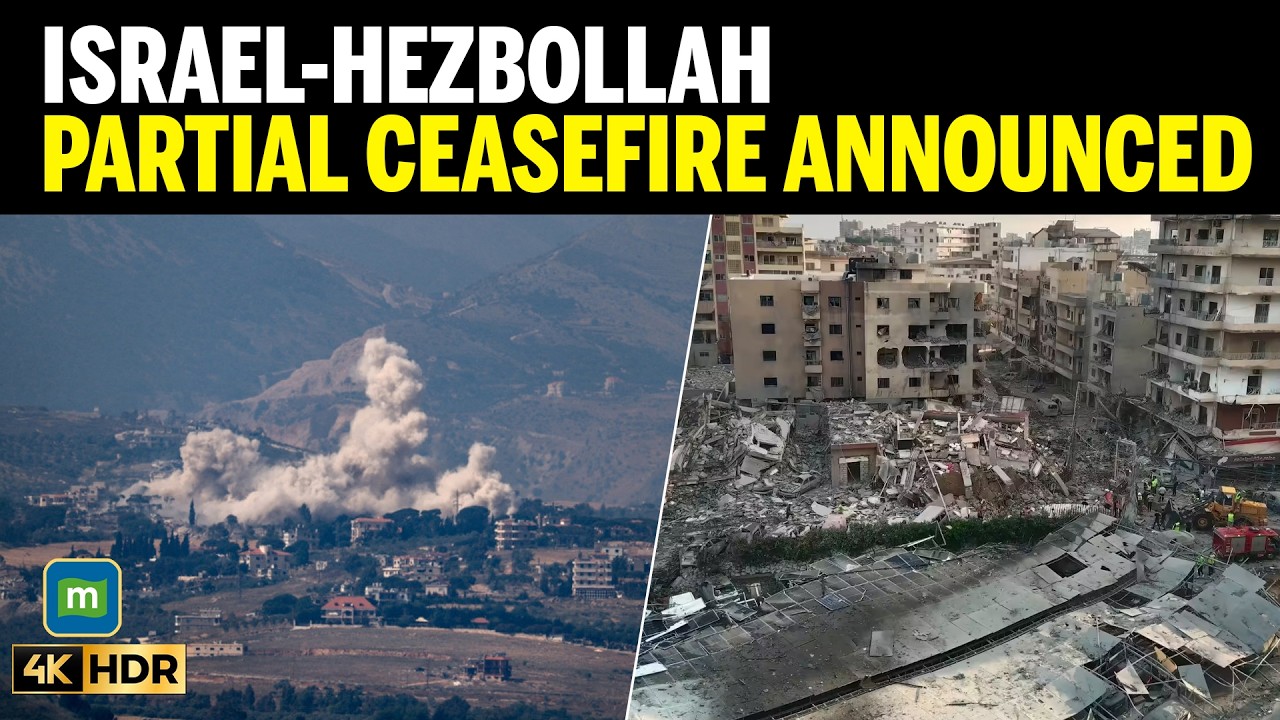
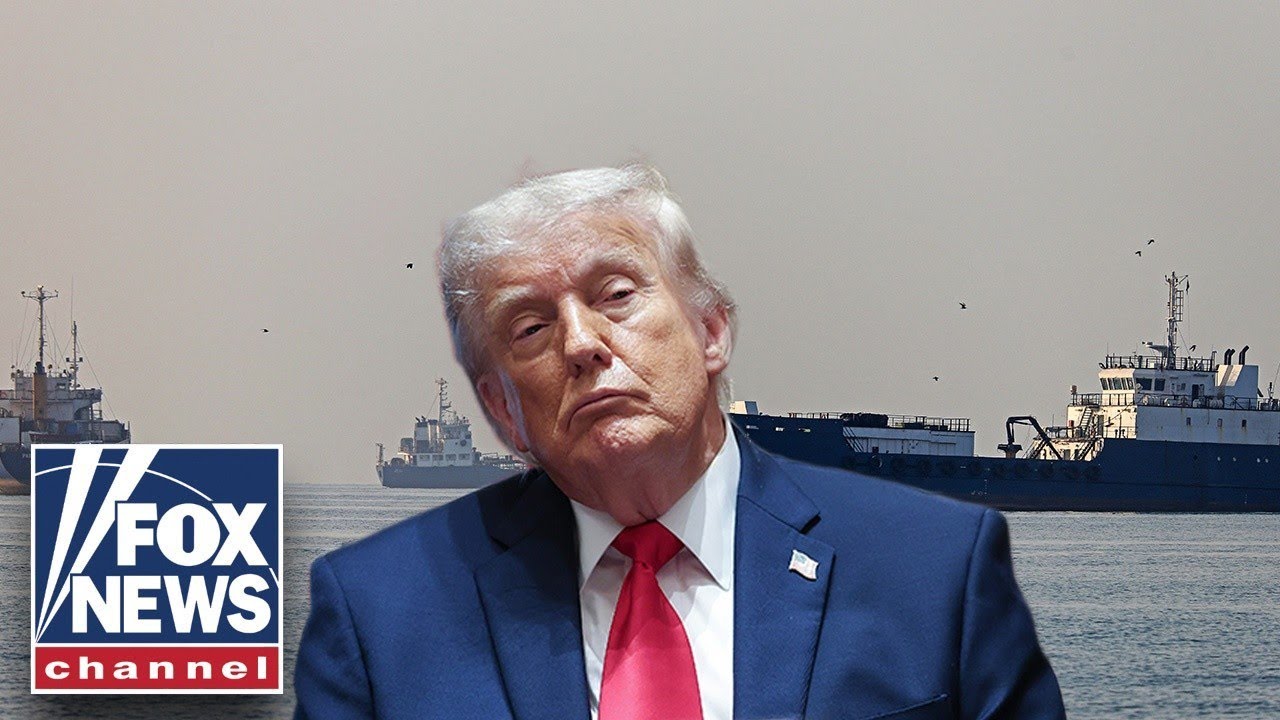
In the immediate aftermath of President Donald Trump’s announcement of a temporary ceasefire between Israel and Hezbollah, a chorus of cautious voices has begun to emerge within Washington’s foreign policy establishment. Among the most prominent is Lindsey Graham, whose response, as reported on Thursday by Israel National News, encapsulates a broader unease regarding the durability and strategic wisdom of the agreement. While expressing a universal desire for peace, Graham articulated a pointed skepticism rooted in decades of regional precedent, warning that any cessation of hostilities unaccompanied by structural change risks merely postponing the next round of conflict.
Graham’s critique centers on a fundamental premise: that Hezbollah, a powerful Iranian-backed terror proxy and political actor deeply embedded within Lebanon, cannot be reconciled with genuine peace so long as it retains its military capabilities and ideological orientation. In a statement disseminated on social media and cited in the Israel National News report, the South Carolina senator emphasized that a ceasefire, while superficially appealing, must not be mistaken for a resolution. Rather, he argued, it must serve as a mechanism for achieving tangible strategic objectives, foremost among them the disarmament of Hezbollah, which he described as one of the most formidable and dangerous terrorist organizations operating in the region.
This perspective reflects a long-standing view within certain segments of American policy circles that Hezbollah’s dual identity—as both a political entity within Lebanon and a heavily armed terrorist group aligned with Iran—renders it uniquely resistant to traditional diplomatic frameworks. Graham underscored this point by highlighting Hezbollah’s historical involvement in violence against American interests, as well as its ongoing relationship with Tehran. In his assessment, any agreement that leaves the organization intact and operational risks perpetuating the very conditions that have fueled instability across the Middle East for decades.
The senator’s concerns extend beyond Hezbollah itself to encompass the broader geopolitical architecture in which the ceasefire is situated. As noted in the Israel National News report, Graham warned that the survival of Iran’s regime—particularly if accompanied by sanctions relief—could enable both Tehran and its regional proxies to recover from recent military setbacks. Such a scenario, he suggested, would effectively nullify the gains achieved through sustained pressure and conflict, allowing adversarial forces to regroup and reassert their influence over time. In this context, the ceasefire becomes not an endpoint but a potential inflection point, the consequences of which will depend heavily on the policies that follow.
At the heart of Graham’s argument is a broader critique of ceasefire diplomacy when it is divorced from enforceable conditions. He cautioned against agreements that prioritize immediate de-escalation at the expense of long-term security, noting that history offers numerous examples of temporary truces that ultimately failed to address underlying threats. Without a credible and verifiable pathway to disarmament, he contended, the current arrangement risks becoming yet another iteration of this pattern—an interlude rather than a resolution.
Yet Graham’s remarks were not devoid of confidence in the administration’s broader strategy. Despite his reservations, he expressed trust in President Trump and his national security team, suggesting that their ultimate objective is not merely to broker peace but to ensure that it is both genuine and sustainable. This dual posture—combining skepticism with conditional support—reflects a nuanced stance that acknowledges the complexity of the situation while maintaining alignment with the administration’s overarching goals.
The debate surrounding the ceasefire also highlights the inherent tension between diplomatic pragmatism and strategic idealism. On one hand, the cessation of hostilities offers immediate relief to civilian populations and creates space for humanitarian efforts. On the other, it raises difficult questions about the trade-offs involved in negotiating with actors whose long-term intentions may remain unchanged. For policymakers, the challenge lies in balancing these competing imperatives in a manner that preserves both stability and security.
As the Israel National News report observed, the ceasefire comes at a moment of heightened volatility in the region, with multiple conflicts intersecting and influencing one another. The involvement of external powers, including the United States, further complicates the landscape, introducing additional layers of strategic calculation. In this environment, even seemingly modest developments can carry significant implications, shaping the trajectory of regional dynamics in ways that are not immediately apparent.
Graham’s intervention serves as a reminder that the success of any ceasefire will ultimately be measured not by its announcement but by its outcomes. The critical question is whether the current agreement can be leveraged into a broader process that addresses the root causes of conflict, or whether it will simply provide a temporary respite before hostilities resume. The answer will depend on a range of factors, including the willingness of all parties to engage in meaningful dialogue, the effectiveness of enforcement mechanisms, and the broader geopolitical context in which these efforts unfold.
In the final analysis, the senator’s remarks underscore the fragility of peace in a region where historical grievances, ideological divisions, and strategic rivalries remain deeply entrenched. While the aspiration for peace is universal, the path toward achieving it is fraught with complexity and uncertainty. As the ceasefire takes effect, the coming days and weeks will offer critical insights into whether this initiative represents a genuine step toward stability or merely a temporary pause in an enduring conflict.
For now, the cautious tone struck by Lindsey Graham reflects a broader sentiment within policy circles: that peace, to be meaningful, must be built on more than the absence of violence. It must be underpinned by structural changes that eliminate the capacity for renewed aggression. Without such changes, even the most well-intentioned agreements risk becoming, in the senator’s words, an illusion rather than a lasting achievement.



