





















|
Getting your Trinity Audio player ready...
|
Trump Brokers High-Stakes Ceasefire Between Israel and Lebanon Amid Ongoing Tensions
By: Fern Sidman
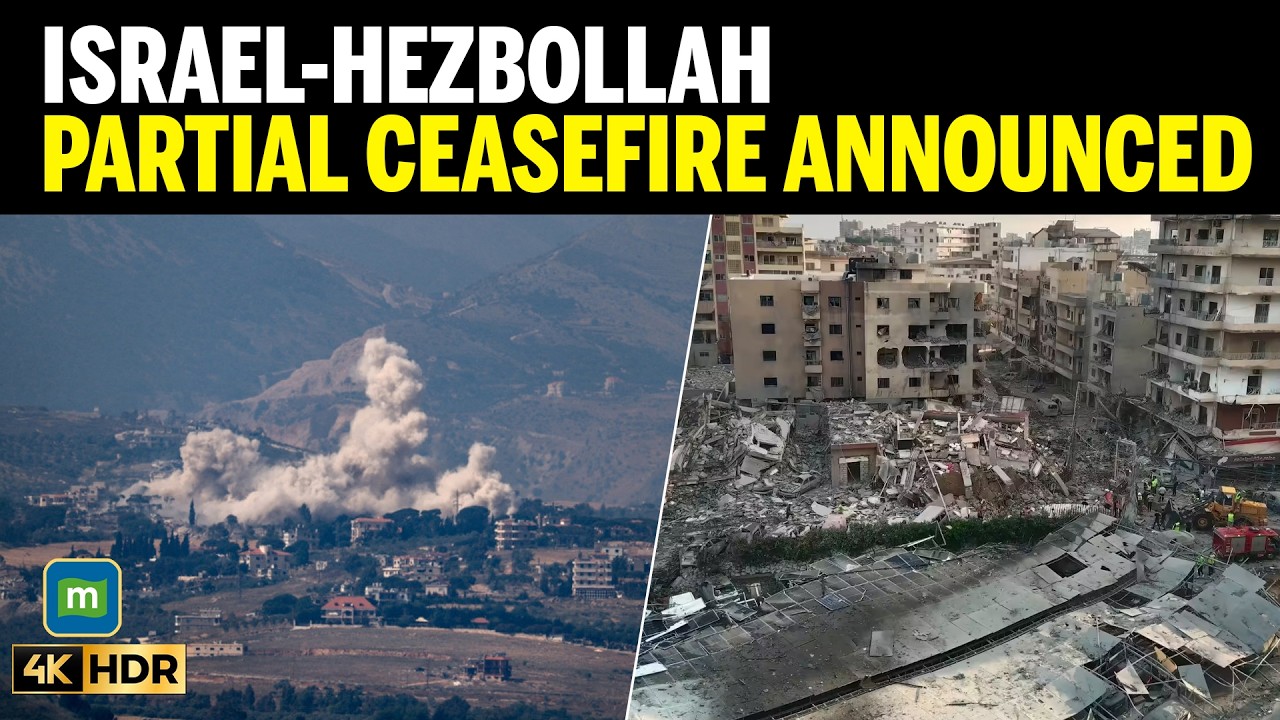
In a dramatic and diplomatically charged development that has captured the attention of the international community, President Trump announced the initiation of a ten-day ceasefire between Israel and Lebanon, a move that represents both a rare moment of de-escalation and a test of fragile regional stability. The announcement, reported on Thursday by Israel National News, follows a series of intense negotiations and high-level communications that underscore the complexity of the ongoing conflict and the precarious balance between military necessity and diplomatic resolution.
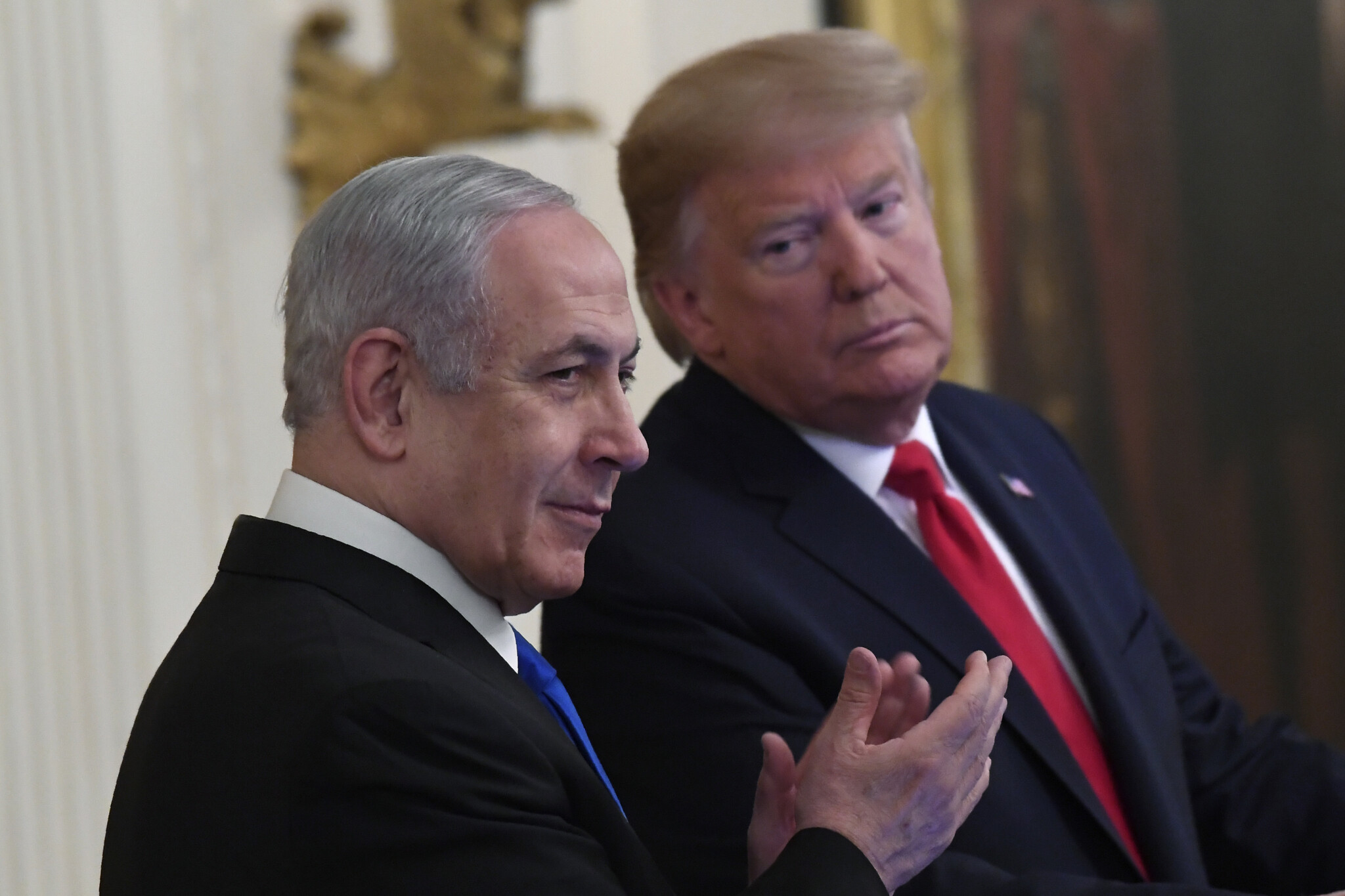
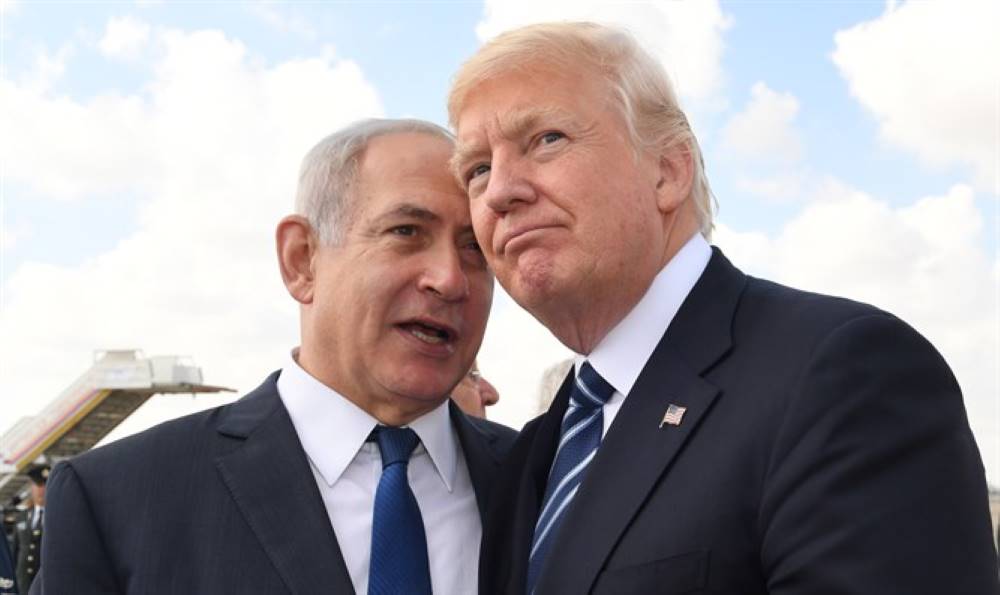
According to the President’s statement, the ceasefire is set to take effect at a designated hour, marking what he described as the first meaningful engagement between the leadership of Israel and Lebanon in more than three decades. Trump revealed that he had conducted extensive discussions with Lebanese President Joseph Aoun and Israeli Prime Minister Benjamin Netanyahu, both of whom reportedly agreed to the temporary cessation of hostilities as a preliminary step toward broader peace negotiations. Framing the development as a milestone in his diplomatic record, Trump emphasized his administration’s intent to shepherd the parties toward a more enduring settlement.
The announcement carries significant historical weight. Direct engagement between Israel and Lebanon has been exceedingly rare since the early 1980s, and the prospect of renewed dialogue—however tentative—has been met with cautious optimism in some quarters. Trump further indicated that he intends to host both leaders at the White House for what he characterized as the first substantive talks between the two nations in decades, signaling a potential shift toward formalized diplomatic engagement.
Yet beneath the rhetoric of optimism lies a far more intricate and uncertain reality. Israeli officials, speaking to international media, clarified that the ceasefire does not entail a withdrawal of the Israel Defense Forces from southern Lebanon. Instead, Israeli troops will maintain positions along what is described as the “anti-tank line,” a strategically defined boundary designed to prevent militant groups from launching anti-tank missiles at Israeli civilian communities. Moreover, the arrangement includes provisions allowing Israeli forces to respond immediately to any perceived threats, particularly those emanating from Hezbollah or other armed factions operating in the area.
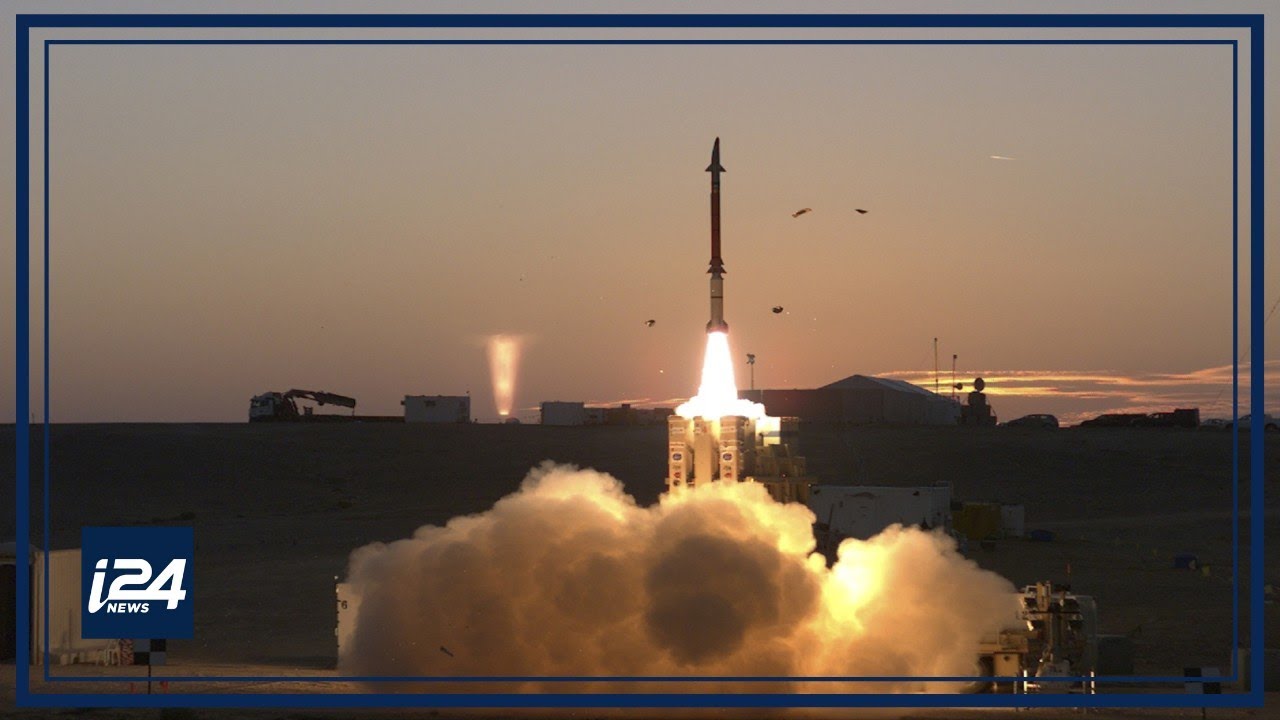
This stipulation reflects the enduring security concerns that have shaped Israeli policy in the region. While the ceasefire may temporarily halt overt hostilities, it does not resolve the underlying strategic tensions, particularly the presence and capabilities of Hezbollah, which Israel regards as a persistent and existential threat. Indeed, the tenuous nature of the truce was underscored almost immediately, as reports indicated that Hezbollah launched a volley of missiles toward Haifa shortly after the ceasefire discussions were publicized. Although defensive systems intercepted several of the projectiles and no casualties were reported, the incident served as a stark reminder of the volatility that continues to define the conflict.
From the Lebanese perspective, the ceasefire represents a long-sought objective. Prime Minister Nawaf Salam welcomed the development, describing it as a central demand that had been pursued since the earliest days of the conflict. In public remarks, Salam expressed both relief and cautious hope, emphasizing the potential for displaced citizens to return to their homes and for the nation to begin a process of recovery. He also extended gratitude to a broad coalition of international actors, including the United States, European nations, and regional allies, whose diplomatic efforts contributed to the agreement.
However, the path to this moment was neither straightforward nor universally embraced. Reports indicate that the United States played a pivotal role in initiating and facilitating the negotiations, with senior officials—including Vice President JD Vance and Secretary of State Marco Rubio—engaged in intensive diplomatic efforts. Despite these efforts, communication between the parties was marked by tension and hesitation. At one point, Lebanese leadership reportedly declined to participate in a trilateral conversation that would have included Netanyahu, highlighting the deep-seated mistrust that continues to complicate direct engagement.
Within Israel, the ceasefire has sparked a vigorous and deeply polarized debate. Opposition figures have voiced strong criticism, questioning both the strategic wisdom and the long-term implications of the agreement. Yair Lapid argued that the ceasefire risks undermining the government’s stated objective of permanently neutralizing threats to northern communities. Similarly, Avigdor Liberman characterized the move in stark terms, suggesting that it allows Hezbollah an opportunity to regroup and rearm, thereby perpetuating the cycle of conflict.
These critiques reflect a broader tension within Israeli society between the desire for immediate de-escalation and the imperative of long-term security. For residents of northern Israel, who have endured repeated rocket attacks and periods of displacement, the prospect of a temporary ceasefire offers only limited reassurance. The absence of a definitive resolution to the Hezbollah threat continues to loom large, shaping public perceptions and political discourse alike.
On the international stage, the ceasefire has been framed as a testament to the enduring influence of American diplomacy. As noted in the Israel National News report, the United States not only facilitated the negotiations but also applied considerable pressure on both parties to move toward a settlement. This involvement underscores Washington’s strategic interest in stabilizing the region, particularly in the context of broader geopolitical dynamics that include tensions with Iran and the evolving role of regional alliances.
At the same time, the ceasefire highlights the limitations of external mediation. While international actors can create the conditions for dialogue, the ultimate success of any agreement depends on the willingness of the parties themselves to engage in good faith and to address the root causes of conflict. In the case of Israel and Lebanon, these causes are deeply entrenched, encompassing territorial disputes, ideological divisions, and the influence of non-state actors.
The economic and humanitarian dimensions of the conflict further complicate the picture. In Lebanon, years of political instability and economic crisis have been exacerbated by the current hostilities, leaving large segments of the population vulnerable and displaced. The ceasefire offers a potential window for humanitarian relief and reconstruction, but its temporary nature raises questions about the sustainability of such efforts. Without a more comprehensive and lasting settlement, the risk of renewed conflict remains ever-present.
For Israel, the calculus is equally complex. The need to protect civilian populations and to deter future attacks must be balanced against the diplomatic and political costs of prolonged military engagement. The decision to enter into a ceasefire—particularly one that allows for continued military presence in southern Lebanon—reflects an attempt to navigate these competing imperatives.
As the ten-day ceasefire unfolds, its success will be measured not only by the absence of violence but also by the progress made toward a more enduring peace. The planned talks in Washington, if they materialize, could provide a forum for addressing longstanding grievances and exploring avenues for cooperation. However, the history of the region cautions against excessive optimism. Previous efforts at reconciliation have often faltered in the face of entrenched interests and shifting geopolitical realities.
In the final analysis, the ceasefire represents both an opportunity and a challenge. It offers a brief respite from the immediate horrors of conflict and a chance to recalibrate diplomatic efforts. Yet it also underscores the fragility of peace in a region where underlying tensions remain unresolved. As reported by Israel National News, the coming days will be critical in determining whether this pause in hostilities can serve as a foundation for lasting stability or merely a temporary lull before the next escalation.
For now, the world watches with cautious anticipation, aware that in the Middle East, even the most promising developments can be as fleeting as they are consequential.



