
























|
Getting your Trinity Audio player ready...
|
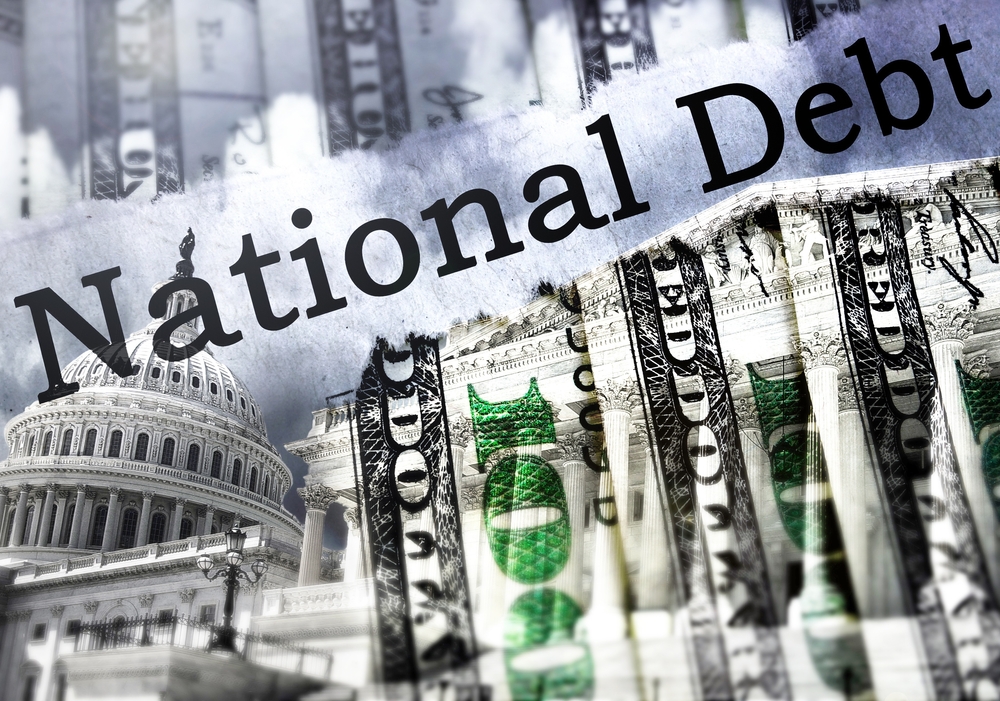
(TJV NEWS) The federal government is now spending roughly $88 billion each month just to cover interest on the national debt—an amount that rivals what it spends on major priorities like defense and education combined, according to a report by Fortune.
The figure highlights how sharply borrowing costs have surged as the nation’s debt—now around $39 trillion—continues to grow. With higher interest rates in recent years, servicing that debt has become significantly more expensive, turning interest payments into one of the fastest-rising expenses in the federal budget.
On a yearly basis, those monthly payments add up to more than $1 trillion, placing interest among the largest categories of federal spending. Experts warn that this trend is accelerating, with projections showing interest costs will remain above $1 trillion annually and could climb much higher in the coming years.
The comparison to defense and education spending underscores the scale of the issue: a growing share of taxpayer dollars is being diverted away from government programs and toward servicing past debt. Analysts caution that as interest costs rise, they could increasingly crowd out funding for other national priorities.
The broader concern, as noted by Fortune, is that the U.S. is entering a period where debt servicing is no longer a background expense but a dominant force shaping federal finances. If borrowing continues and rates remain elevated, policymakers may be forced into difficult decisions—cutting spending, raising taxes, or taking on even more debt.
In short, what was once a long-term fiscal concern is now an immediate budget reality, with massive sums going not toward new initiatives, but toward paying off the cost of previous borrowing.