













|
Getting your Trinity Audio player ready...
|
By: Fern Sidman
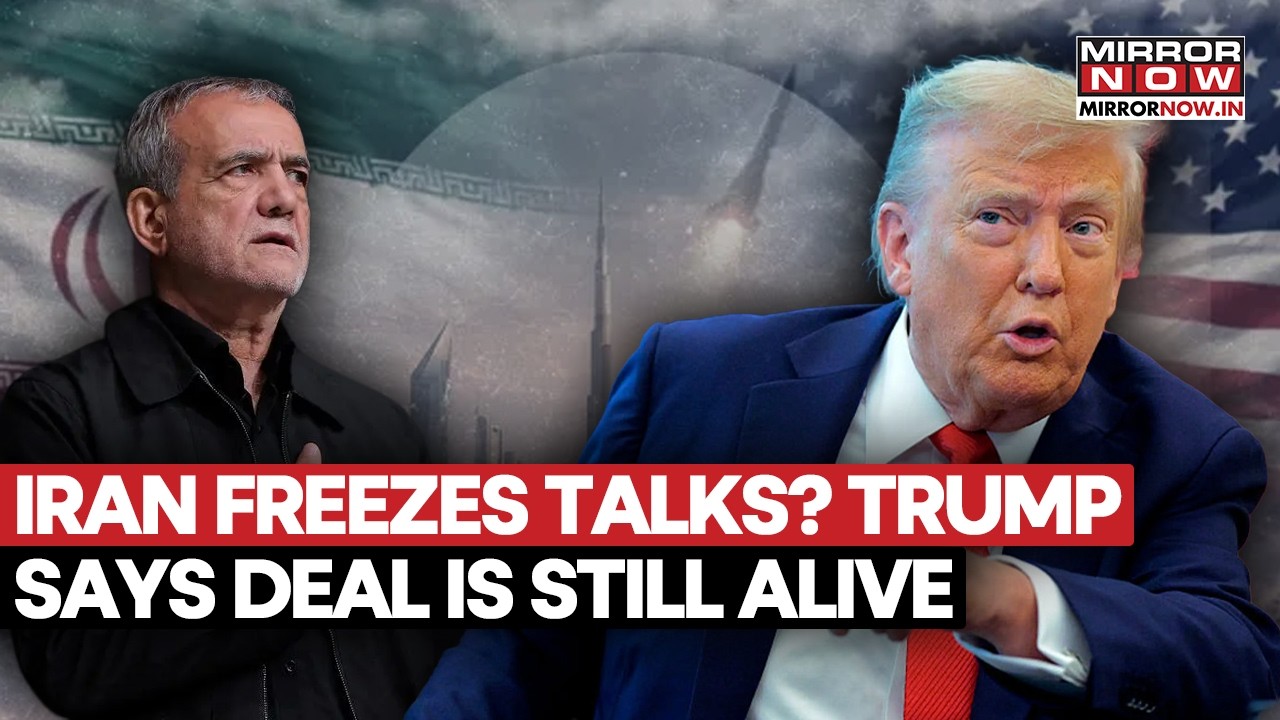
In a moment fraught with geopolitical consequence and strategic calculation, President Donald Trump on Wednesday articulated what he described as a singular and decisive opportunity for diplomatic resolution with Iran, underscoring the immediate reopening of the Strait of Hormuz as a central condition of any prospective agreement. As reported on Wednesday by Newsmax, the president’s remarks reflect both an urgency tempered by restraint and a willingness to recalibrate the trajectory of escalating tensions in one of the world’s most volatile regions.
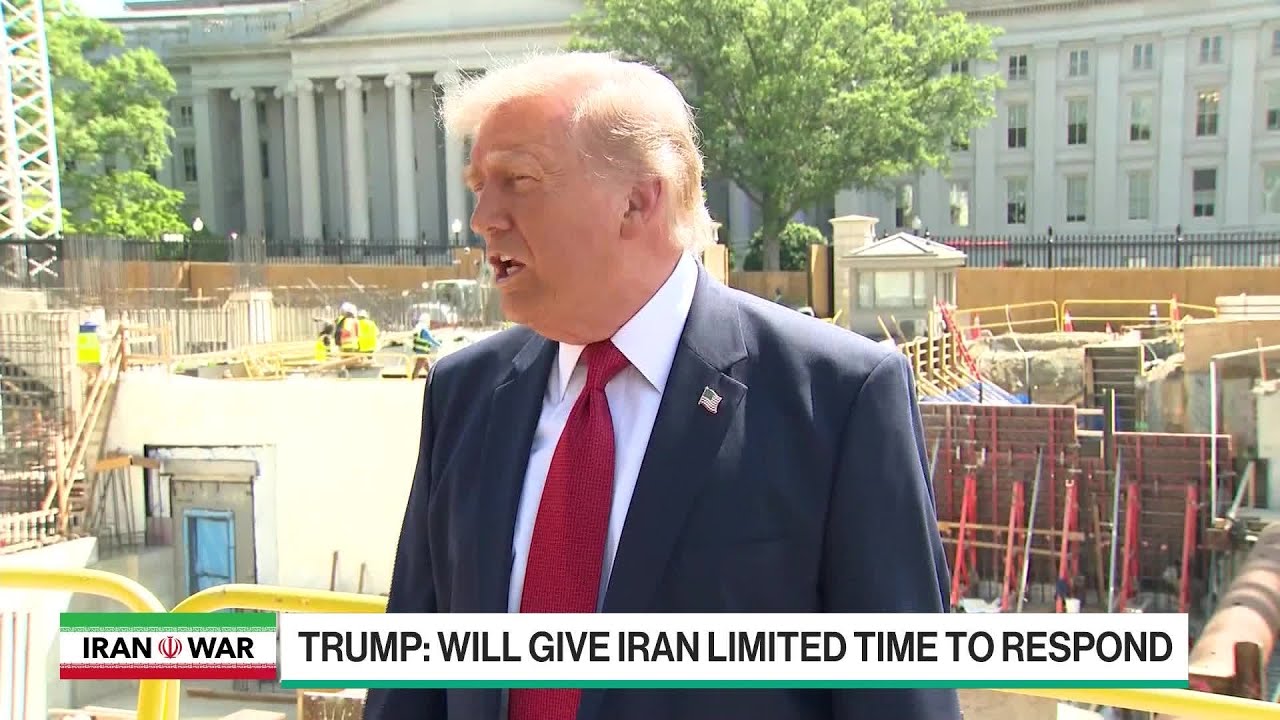
Speaking to reporters, Trump framed the current juncture as a critical inflection point, stating unequivocally that the United States would extend “one shot” at reaching a comprehensive agreement with Tehran—an agreement that would, in his words, ensure that “we’d have to open the strait. That would open immediately.” The strategic emphasis on the Strait of Hormuz, a vital maritime chokepoint through which a significant portion of the world’s oil supply transits, underscores the global economic implications of the standoff.
According to Newsmax, the president’s formulation of a “one shot” approach signals a narrowing window for diplomacy, suggesting that patience within the administration may not be indefinite. Yet, in a striking juxtaposition, Trump simultaneously emphasized that he is “in no hurry” to escalate the conflict, dismissing speculation that domestic political considerations—particularly the looming midterm elections—are influencing the pace of decision-making.
“I’m in no hurry,” Trump asserted, as quoted by Newsmax. “People say due to the midterms, I’m in a hurry. I’m in no hurry.” This insistence on deliberation over haste reflects an effort to project strategic composure, even as the administration signals readiness to act should negotiations fail to yield a satisfactory outcome.
At the heart of the president’s remarks lies a stark acknowledgment of the human cost inherent in military conflict. In a candid and unvarnished statement, Trump remarked, “I just, ideally, I’d like to see a few people killed as opposed to a lot. We can do it either way, but I’d like to see few people killed.” As reported by Newsmax, this comment encapsulates the administration’s attempt to balance the imperatives of national security with a desire to minimize casualties, even as it contemplates the potential for large-scale military engagement.
The president’s comments also ventured beyond the immediate parameters of diplomacy to address the internal dynamics within Iran itself. Trump suggested that mounting economic hardship and widespread dissatisfaction among the Iranian populace could play a decisive role in shaping the trajectory of events. “There’s a lot of anger now in Iran because people are living so badly,” he observed, according to Newsmax. “There’s a lot of foment that we haven’t seen before so much, and we’ll see what happens.”
This assessment points to a broader strategic calculus in which internal instability within Iran is viewed as both a pressure point and a potential catalyst for change. By highlighting what he described as deteriorating living conditions and growing public unrest, Trump implicitly questioned the legitimacy and priorities of Iran’s leadership. “Some of the things they’re doing to me means they don’t have the good of the people in mind,” he said, as cited by Newsmax, adding that Iranian leaders “have to have the good of the people.”
Such remarks reflect a longstanding element of U.S. policy toward Iran, in which economic sanctions and diplomatic pressure are intended not only to constrain the regime’s capabilities but also to influence its domestic standing. The suggestion that internal discontent could alter the strategic landscape introduces an additional layer of complexity to an already multifaceted confrontation.
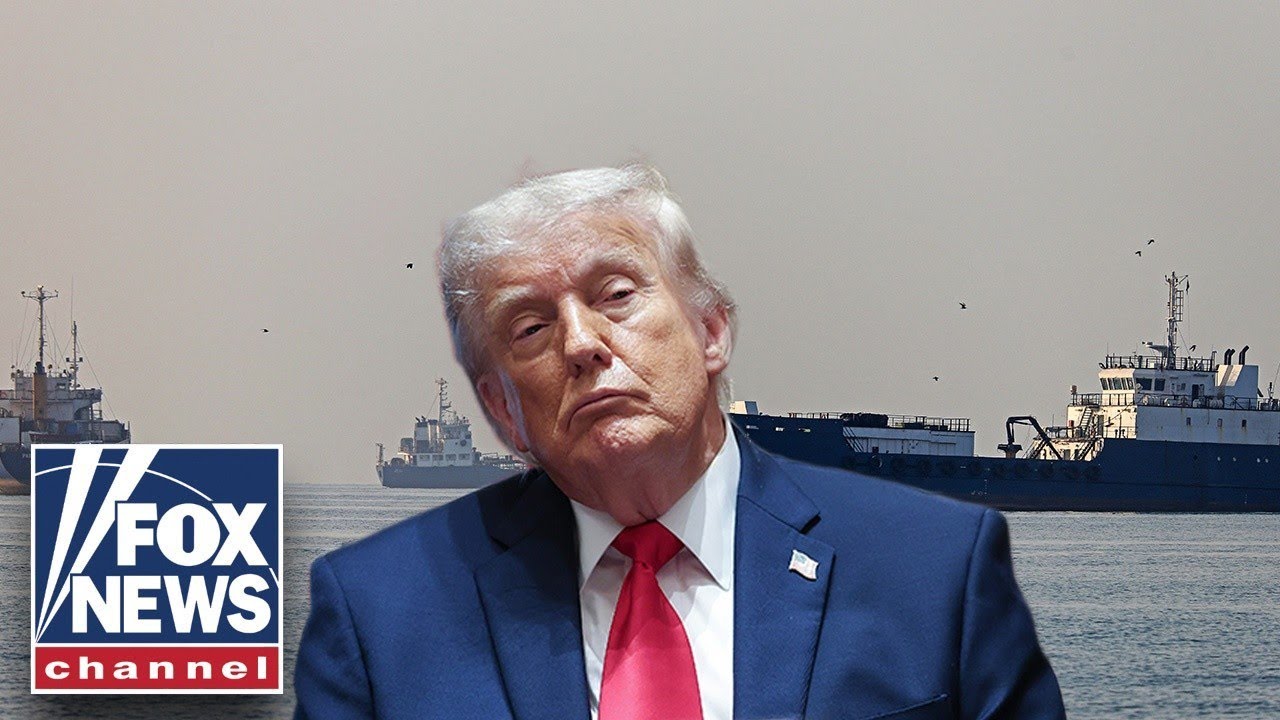
The Strait of Hormuz, meanwhile, remains a focal point of both economic and military significance. Its reopening, as envisioned by the president, would not merely represent a tactical concession but a substantive shift in regional dynamics. The waterway serves as a critical artery for global energy markets, and any disruption to its flow has immediate and far-reaching consequences for international commerce and energy security.
By insisting that any agreement must include the immediate reopening of the strait, Trump has effectively elevated this issue to a non-negotiable condition, thereby narrowing the scope of potential compromise. As the Newsmax report emphasized, this demand underscores the administration’s prioritization of global economic stability alongside its broader strategic objectives.
At the same time, the president’s remarks leave little doubt that the United States is prepared to pursue alternative courses of action should diplomacy falter. While he refrained from detailing specific military plans, the implication of readiness was unmistakable. The administration’s posture, as described by Newsmax, reflects a dual-track approach in which negotiation and deterrence operate in tandem.
This approach is not without its risks. The delicate balance between signaling strength and avoiding provocation requires a degree of precision that is difficult to maintain in a region characterized by entrenched rivalries and volatile alliances. Any miscalculation could precipitate a rapid escalation, with consequences that extend far beyond the immediate theater of conflict.
Yet, for all the uncertainty, the president’s emphasis on a singular diplomatic opportunity suggests a recognition that the costs of conflict—both human and economic—are profound. The framing of the situation as a “one shot” deal conveys a sense of finality, as though the administration is preparing for a decisive moment that will shape the contours of U.S.-Iran relations for years to come.
As Newsmax has reported, the coming days are likely to prove pivotal. Whether the Iranian leadership will respond to the overture remains an open question, as does the extent to which internal pressures within Iran might influence its negotiating posture. What is clear, however, is that the stakes are exceptionally high, encompassing not only regional stability but also the broader architecture of international security.
In this context, Trump’s remarks can be seen as both a warning and an invitation—a warning of the consequences of intransigence, and an invitation to pursue a path that could avert further escalation. The insistence on reopening the Strait of Hormuz serves as a tangible benchmark against which the success or failure of any agreement will be measured.
Ultimately, the unfolding situation represents a convergence of diplomatic ambition, strategic calculation, and geopolitical reality. As the administration navigates this complex terrain, the world will be watching closely, aware that the decisions made in this moment may reverberate far beyond the immediate crisis.
For now, as Newsmax reported, the message from Washington is both clear and consequential: there is one opportunity for resolution, and the window for seizing it may not remain open for long.



