
























|
Getting your Trinity Audio player ready...
|
By: Fern Sidman
A profound sense of unease is taking hold within the Jewish American community, according to a comprehensive new report issued by the American Jewish Committee. The findings, stark in both their scope and implications, reveal that an overwhelming majority—nine out of ten Jewish Americans—now feel less secure than they did just one year ago. This striking shift in perception underscores a broader and deeply troubling trend: the escalation of antisemitism and the growing normalization of fear in everyday life.
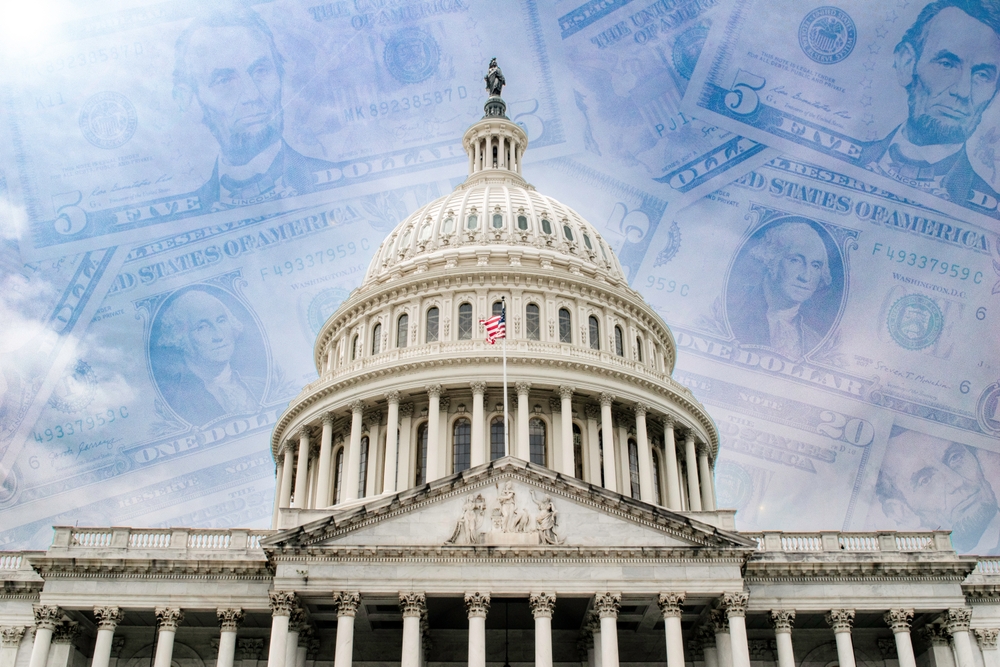
The report, which has drawn significant attention from civic leaders and policymakers alike, offers not merely a statistical snapshot but a vivid portrait of a community grappling with heightened vulnerability. As advocates prepare to present these findings before lawmakers at the Connecticut State Capitol, the data are being translated into urgent appeals for policy reform, enhanced security measures, and a more robust societal response to rising hatred.
For many Jewish Americans, the implications of this climate extend far beyond abstract concerns. Fear, as articulated by community leaders, has become an active force shaping decisions, behaviors, and identities. David Waren, president of the Jewish Federation of Greater Hartford, described the phenomenon in stark terms, emphasizing its pervasive influence.
According to Waren, the anxiety permeating the community is not confined to isolated incidents but is instead woven into the fabric of daily life. Families are reconsidering where to send their children to college, weighing not only academic quality but also perceived safety. Individuals are altering how they present themselves in public spaces, often concealing visible markers of their faith or heritage to avoid unwanted attention.
Such adaptations, while pragmatic, come at a profound psychological cost. The need to suppress outward expressions of identity reflects a broader erosion of the sense of security that many had long taken for granted. As Waren noted, this environment is “profoundly frightening,” a characterization that resonates with the report’s findings and the lived experiences of countless individuals.
Catalysts of Concern
Among the incidents contributing to this heightened sense of insecurity is a particularly alarming attack on a synagogue in Michigan earlier this year. The episode, cited by community leaders as emblematic of the current threat landscape, involved an individual who approached dangerously close to a group of approximately 150 children in a preschool setting.
Waren emphasized the gravity of the situation, noting that the potential consequences could have been catastrophic. The mere proximity of the assailant to such a vulnerable population has left an indelible mark on the collective consciousness of the community. It serves as a stark reminder that places traditionally regarded as sanctuaries—houses of worship, educational institutions, and communal spaces—are not immune to acts of violence.
This incident, while singular in its specifics, reflects a broader pattern of escalating threats that has contributed to the pervasive sense of unease documented in the American Jewish Committee’s report.
Quantifying Perception: A Stark Divide
The report’s statistical findings provide a compelling framework for understanding the depth of concern within the Jewish community. Nearly half of respondents—46 percent—identified antisemitism as a “very serious” problem, while an additional 47 percent characterized it as “somewhat of a problem.” Taken together, these figures indicate near-universal recognition of antisemitism as a pressing issue.
However, the report also reveals a striking disparity between the perceptions of Jewish Americans and those of the general public. When surveyed, a broader sample of more than 1,000 individuals from the general population offered markedly different assessments. Only 28 percent described antisemitism as a very serious problem, while 42 percent considered it somewhat problematic. Notably, a small but significant minority—five percent—asserted that antisemitism is not a problem at all.
This divergence in perception highlights a critical challenge: the difficulty of mobilizing a comprehensive societal response when the severity of the issue is not universally acknowledged. The gap suggests that the experiences of Jewish Americans are not fully understood or appreciated by the wider public, potentially hindering efforts to address the problem effectively.
Concealment and Identity
The human dimension of these statistics is perhaps most poignantly illustrated by the ways in which individuals are altering their behavior to mitigate risk. Myra Clark-Siegel, who has spent nearly two decades with the American Jewish Committee, described a troubling trend of self-concealment.
According to Clark-Siegel, many Jewish Americans are choosing to hide visible symbols of their identity. Items such as the Star of David necklace, once worn openly as expressions of faith and heritage, are increasingly being tucked away beneath clothing. Similarly, religious men who traditionally wear head coverings such as a yarmulke or kippah are opting to obscure them with more neutral attire, such as baseball caps.
This phenomenon, she argued, is not merely a matter of personal preference but a direct response to fear. The necessity of such measures, particularly in a nation that prides itself on religious freedom and diversity, raises profound questions about the state of social cohesion and the resilience of democratic values.
Clark-Siegel described the situation as unacceptable, especially in light of the nation’s impending 250th anniversary—a milestone that invites reflection on the principles of liberty and equality upon which the country was founded.
Legislative Efforts and Advocacy
In response to these concerns, advocates are intensifying their engagement with policymakers, seeking concrete measures to enhance safety and combat antisemitism. The upcoming meeting at the Connecticut State Capitol represents a focal point for these efforts, providing an opportunity to present the report’s findings and advocate for targeted interventions.
The state legislature has already taken initial steps, including the passage of a bill establishing a task force to address antisemitism in schools. However, community leaders argue that additional measures are urgently needed. Among their priorities are increased funding for security at synagogues and other Jewish institutions, as well as enhanced training for law enforcement agencies to better recognize and respond to hate crimes.
Another critical area of focus is the role of social media in amplifying misinformation and fostering hostility. The American Jewish Committee has identified digital platforms as a significant vector for the publication of antisemitic content, which can rapidly reach large audiences and incite real-world consequences.
Advocates are calling for collaboration between lawmakers and technology companies to develop strategies for mitigating these risks. Such efforts may include stricter content moderation policies, improved mechanisms for reporting and removing harmful material, and educational initiatives aimed at countering false narratives.
A Broader Societal Imperative
While the report centers on the experiences of Jewish Americans, its implications extend far beyond a single community. Clark-Siegel emphasized that antisemitism often serves as an early indicator of broader societal tensions. Historically, hatred directed at Jewish populations has frequently preceded or accompanied discrimination against other groups.
“The hatred that starts typically pointing at the Jewish community never ends with the Jewish community,” she observed, underscoring the need for a comprehensive, society-wide response. This perspective frames the issue not only as a matter of protecting a specific population but also as a test of collective values and social resilience.
The concept of a “whole of society approach” has gained traction among advocates, reflecting the recognition that combating antisemitism requires coordinated action across multiple sectors, including government, education, civil society, and the private sector.
The Impact of Global Events
The report also highlights the influence of international developments on domestic perceptions of safety. In particular, the terrorist attacks carried out by Hamas against Israel on October 7, 2023, have had a measurable impact on the sense of security among Jewish Americans.
Fifteen percent of respondents indicated that these events made them feel significantly less safe, while an additional 36 percent reported a moderate decrease in their sense of security. These findings illustrate the interconnectedness of global and local dynamics, as events abroad reverberate within communities at home.
Toward a Path Forward
As lawmakers prepare to engage with these findings, the challenge lies in translating awareness into action. Advocates are urging elected officials to take a clear and unequivocal stance against antisemitism, both in rhetoric and in policy. This includes publicly condemning hateful expressions and ensuring that individuals or groups promoting such views are not afforded platforms in political or social arenas.
At the same time, there is a recognition of the need to balance the protection of free speech with the imperative to prevent harm. As Clark-Siegel noted, the defense of open discourse must not come at the expense of tolerating hatred.
The forthcoming discussions at the state capitol will serve as a critical test of the political will to address these issues. For the Jewish community, and for society as a whole, the stakes are considerable. The findings of the American Jewish Committee’s report have illuminated a troubling reality, but they have also provided a foundation for informed and decisive action.
In an era marked by rapid change and growing polarization, the ability to confront and counteract antisemitism will be a defining measure of the nation’s commitment to its core ideals. The path forward will require vigilance, collaboration, and an unwavering dedication to the principles of dignity and inclusion.



