















|
Getting your Trinity Audio player ready...
|
By: Fern Sidman
In a moment of heightened geopolitical volatility and strategic uncertainty, Secretary of State Marco Rubio issued a pointed warning to Iran regarding its ambitions in critical maritime corridors, while simultaneously expressing cautious optimism that Tehran may yet engage in meaningful nuclear negotiations. His remarks, delivered in Rome following high-level diplomatic engagements, underscore the fragile intersection of diplomacy, deterrence, and military escalation currently defining U.S.-Iran relations.
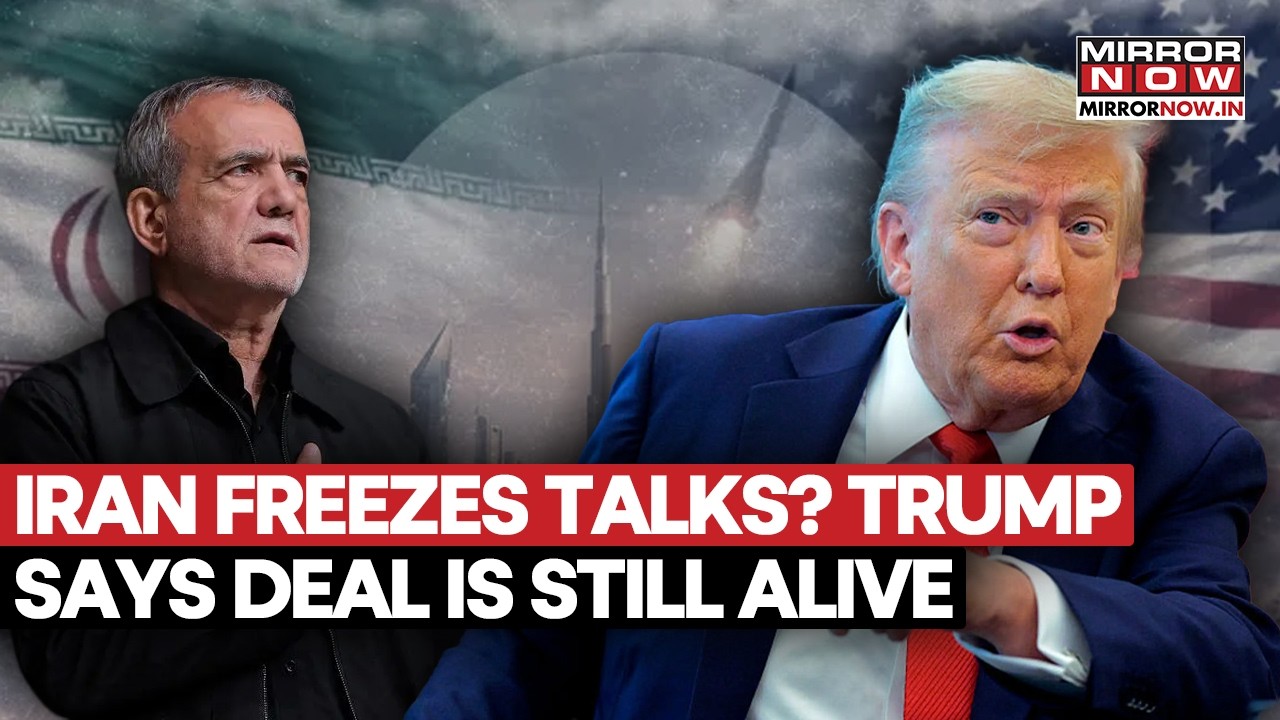
According to a report on Friday by Israel National News, Rubio emphasized that Washington is awaiting an imminent response from Tehran regarding a proposed framework aimed at curbing Iran’s nuclear ambitions. “We should know something today. I mean, we’re expecting a response from them,” Rubio told reporters, signaling that the next phase of diplomacy may hinge on Iran’s willingness to engage substantively.
He added that the administration hopes the anticipated reply will “put us into a serious process of negotiation,” a statement that reflects both urgency and a measured expectation that diplomacy, while strained, remains viable.
Rubio’s most forceful comments, however, were directed at reports suggesting that Iran may be seeking to establish an institutional mechanism to regulate traffic through international waterways—an apparent reference to the Strait of Hormuz, one of the world’s most strategically vital maritime chokepoints.
“That would be very problematic. That would actually be unacceptable,” Rubio declared, as cited by Israel National News. “The normalizing of their controlling of international waterways is both illegal and it’s just something that’s unacceptable.”
He expanded on the broader implications of such a move, framing it as a challenge not only to U.S. interests but to the international order itself. “And the world has to start asking itself, what is it willing to do if Iran tries to normalize a control of an international waterway? I think that’s unacceptable,” Rubio added.
These remarks reflect growing concern in Washington and among its allies that Iran may seek to leverage its geographic position to exert influence over global energy flows, thereby reshaping the balance of power in the region.
Despite the urgency of the situation, Rubio acknowledged that the United States has yet to receive a formal response from Tehran. He attributed part of the delay to internal complexities within Iran’s political system.
“Their system is still highly fractured and a bit dysfunctional as well, so that may be serving as an impediment,” he observed, as reported by Israel National News.
This assessment highlights the challenges inherent in negotiating with a state whose decision-making apparatus is often characterized by competing factions and opaque processes. Nevertheless, Rubio expressed hope that Iran’s eventual response would be substantive.
“I hope it’s a serious offer. I really do,” he said, underscoring the administration’s preference for a diplomatic resolution.
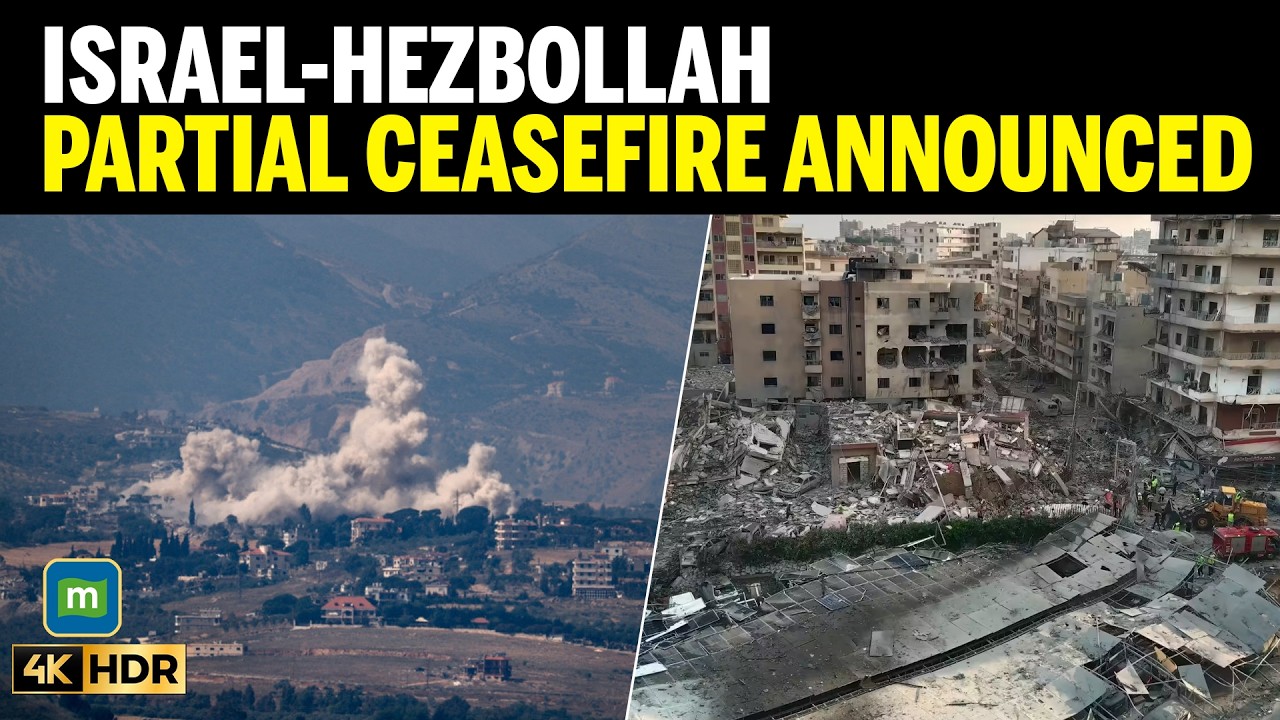
Beyond the Iranian nuclear issue, Rubio also addressed ongoing efforts to stabilize relations between Israel and Lebanon, a process that remains complicated by the presence of Hezbollah, which he described in unequivocal terms.
“We expect talks. I don’t know if we’ve set the exact date yet, but we expect that there will be additional talks,” Rubio said regarding future diplomatic engagements between the two countries.
According to the Israel National News report, Rubio emphasized that Italy could play a “very productive role and a constructive role” in supporting the Lebanese government and facilitating dialogue.
“In the end, we all share the same goal, and by all I mean, including the Lebanese government and the Israeli government, that we want the relations between Israel and Lebanon, its legitimate government, to be very strong,” he stated.
However, Rubio made clear that Hezbollah remains a central obstacle to achieving that objective. “The reason why Lebanon faces bombings, the reason why Lebanon faces violence, is because of Hezbollah,” he said. “It is Hezbollah that’s imposing this on them.”
He further characterized Hezbollah as “an Iranian agent,” underscoring the group’s dependence on Tehran for financial and military support.
“Hezbollah wouldn’t exist without Iran’s support,” Rubio asserted, as cited by Israel National News.
Rubio articulated a clear vision for Lebanon’s future—one in which the central government exercises full sovereignty without interference from armed non-state actors.
“The goal is a strong Lebanese government that doesn’t have an armed Hezbollah operating within its national territory imposing a threat to any of its neighbors,” he said.
He also suggested that international partners, including Italy, could play a role in disrupting Hezbollah’s financial networks. “Italy could assist in cutting off the illicit financing that supports Hezbollah and the danger they pose,” Rubio noted.
Despite acknowledging that Hezbollah has been weakened in recent confrontations, Rubio cautioned that the group retains significant capabilities.
“I think Hezbollah has been both weakened, but still capable of inflicting damage and doing terroristic activities, as we’ve seen,” he said.
Importantly, Rubio ruled out the possibility of negotiating with Iran over Hezbollah’s activities. “We’re not going to negotiate with Iran over Hezbollah, because Hezbollah is dangerous other than if they’re willing to stop funding them and supporting them,” he stated.
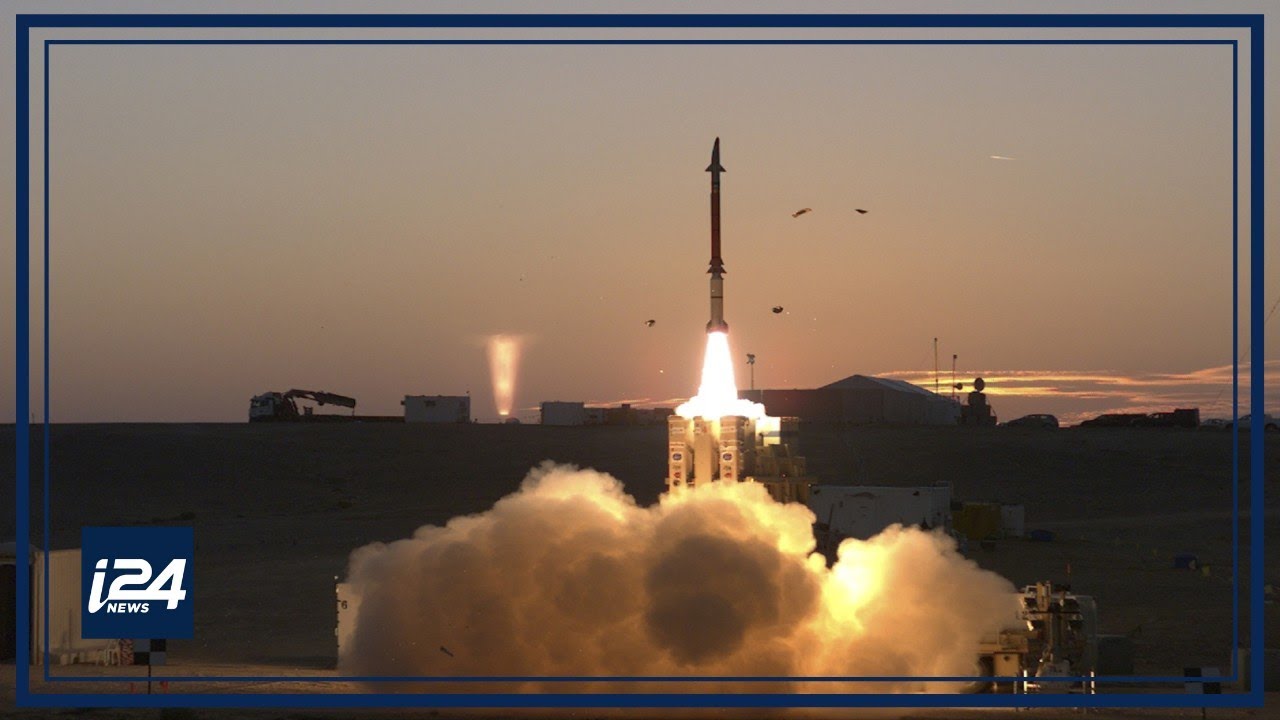
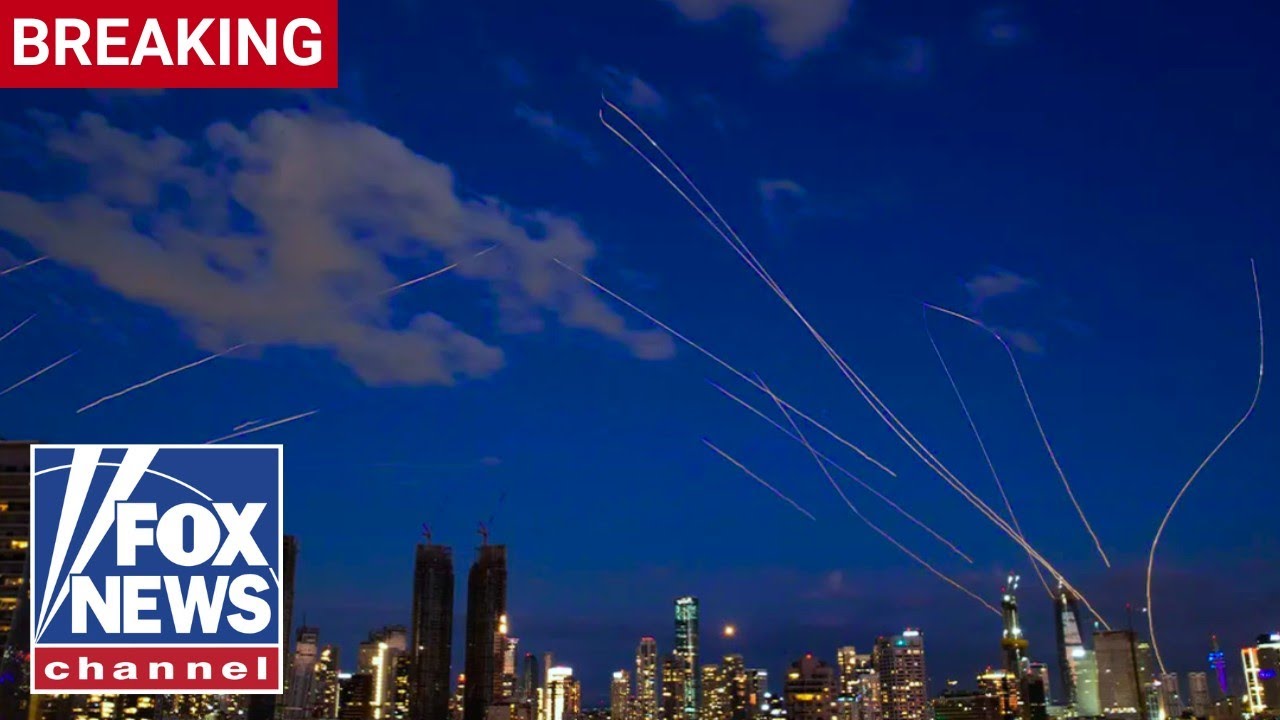
Rubio’s remarks come in the wake of a series of military exchanges between the United States and Iran near the Strait of Hormuz. As reported by Israel National News, U.S. forces conducted strikes on Iranian targets, including Qeshm Port and Bandar Abbas, as well as the Bandar Kargan naval checkpoint in Minab.
Iranian media, meanwhile, claimed that Iranian naval forces launched missile and drone attacks against U.S. destroyers operating in the area.
The U.S. military, through United States Central Command, provided its own account, stating that American forces intercepted incoming threats and carried out self-defense strikes.
“Iranian forces launched missiles, drones, and small boats,” CENTCOM reported. “No U.S. assets were struck.”
The command added that U.S. forces targeted Iranian military infrastructure, including missile and drone launch sites, command and control facilities, and intelligence networks.
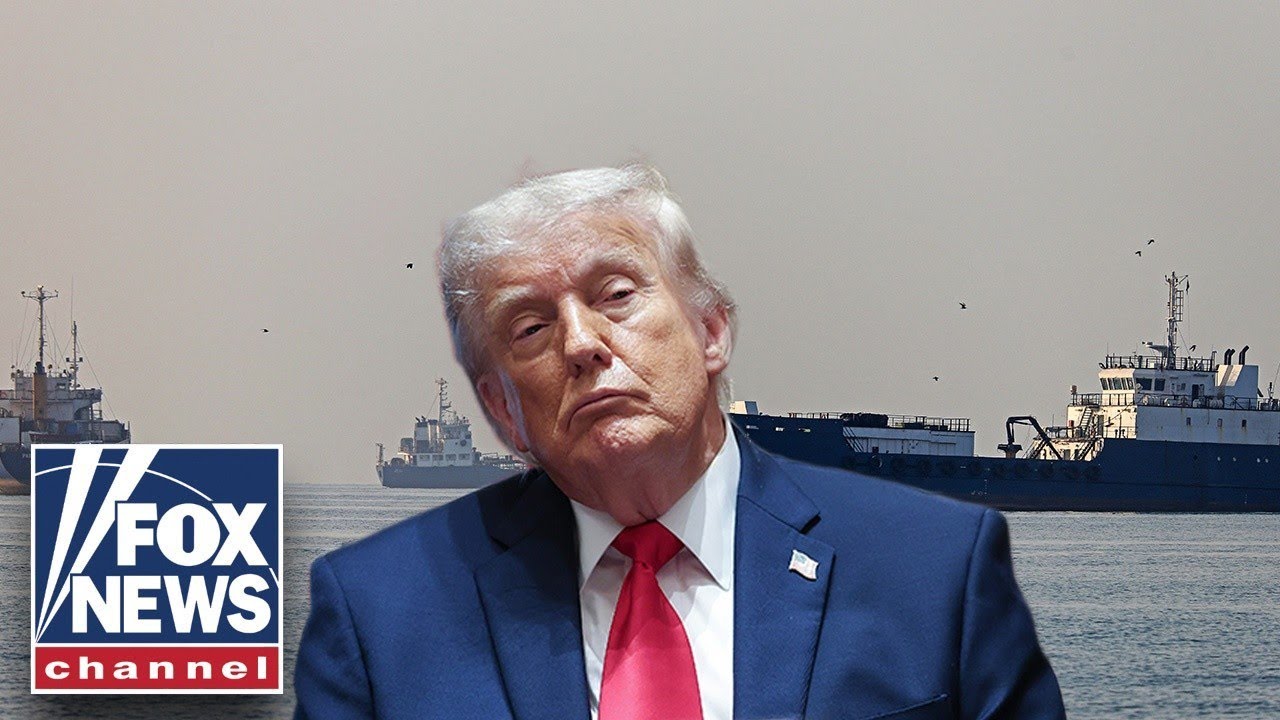
President Donald Trump offered a characteristically blunt assessment of the confrontation, describing the strikes as a “love tap” and insisting that the ceasefire remains intact.
In a post on his Truth Social platform, Trump claimed that U.S. destroyers had transited the Strait of Hormuz “very successfully” despite coming under fire.
“There was no damage done to the three Destroyers, but great damage done to the Iranian attackers,” he wrote, adding that Iranian small boats were “completely destroyed.”
Trump’s remarks, as noted by Israel National News, reflect a broader effort to project strength while maintaining the appearance of strategic restraint.
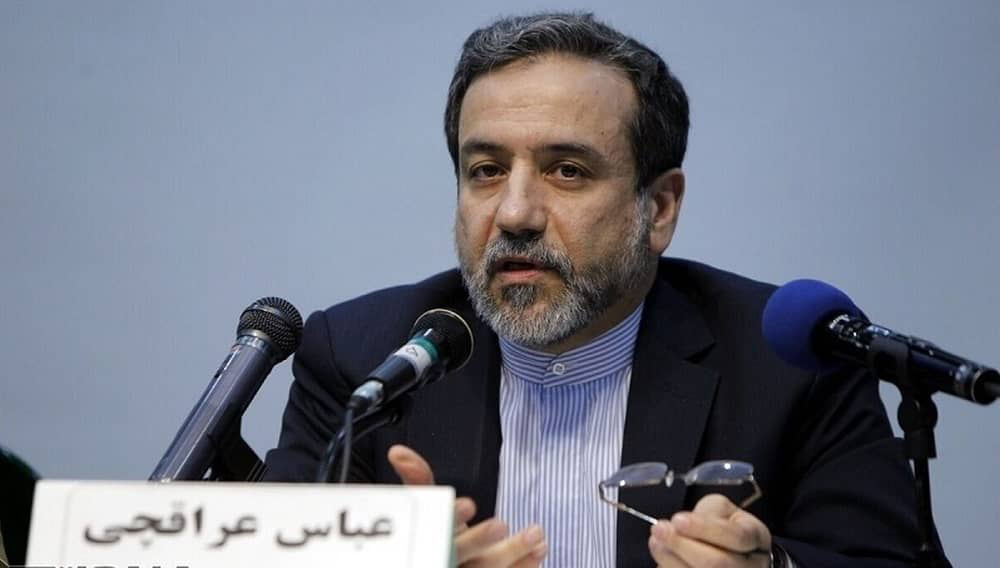
Iranian Foreign Minister Abbas Araghchi responded with a sharply critical statement, accusing the United States of prioritizing military action over diplomacy.
“Every time a diplomatic solution is on the table, the U.S. opts for a reckless military adventure,” Araghchi wrote. “Is it a crude pressure tactic? Or the result of a spoiler once again duping POTUS into another quagmire?”
He continued, “Whatever the causes, the outcome is the same: Iranians never bow to pressure and diplomacy is always the victim.”
Araghchi also disputed a reported intelligence assessment regarding Iran’s missile capabilities, asserting that the country’s arsenal remains robust.
“The CIA is wrong. Our missile inventory and launcher capacity are not at 75% compared to Feb 28. The correct figure is 120%,” he claimed. “As for our readiness to defend our people: 1,000%.”
A confidential assessment cited by The Washington Post painted a more measured picture, concluding that Iran retains approximately 75% of its prewar mobile missile launchers and about 70% of its missile stockpiles.
The report also indicated that Iran has restored access to underground storage facilities and repaired damaged systems, suggesting that its military capabilities remain significant despite recent strikes.
These findings stand in contrast to President Trump’s assertion that Iran’s missile arsenal has been “mostly decimated,” highlighting the uncertainty and competing narratives that characterize the current conflict.
As Israel National News reported, the interplay between diplomatic overtures and military actions has created a precarious and highly volatile environment. Rubio’s warnings regarding maritime control, combined with ongoing negotiations and escalating tensions, underscore the complexity of the challenges facing policymakers.
The coming days may prove vital in determining whether the current trajectory leads toward renewed conflict or a fragile but enduring diplomatic breakthrough. For now, the situation remains fluid, with the stakes extending far beyond the immediate region to encompass global security and economic stability.
In this intricate and high-stakes arena, the balance between deterrence and diplomacy will continue to shape the course of events—and the consequences of miscalculation could be profound.



