































|
Getting your Trinity Audio player ready...
|
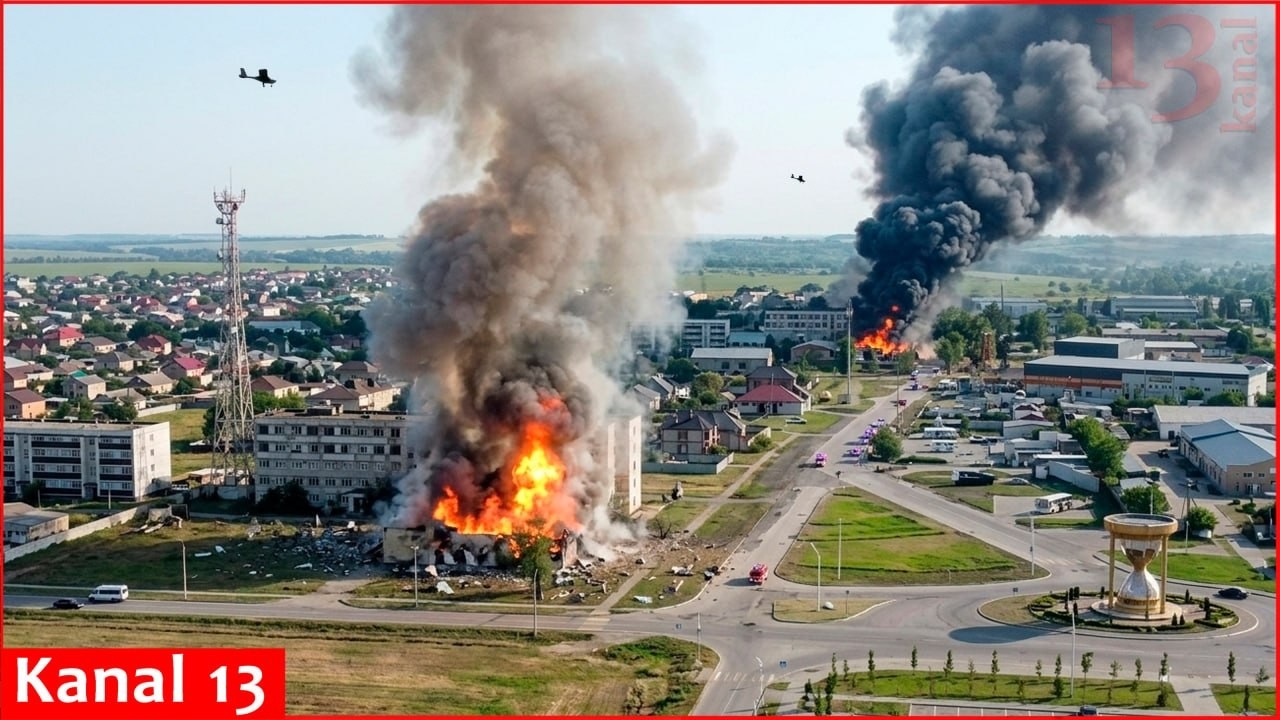
(TJV NEWS) A dramatic new phase in the war between Ukraine and Russia is unfolding, as Ukrainian forces unleash a series of high-impact drone strikes deep inside Russian territory—targeting critical oil infrastructure and military-linked technology sites in what analysts are calling a bold escalation of economic warfare.
According to reporting from the Kyiv Independent, Ukrainian forces struck a Russian oil refinery along with a defense-related technology company, signaling a widening campaign aimed not only at Russia’s fuel lifelines but also its military-industrial backbone. The strikes come as Kyiv increasingly leverages long-range drone technology to hit targets once thought far beyond its reach.
Meanwhile, Al Jazeera reported that a separate Ukrainian drone attack struck a key Russian Baltic Sea port, identified as Primorsk, one of the country’s most important oil export terminals. Regional officials confirmed the strike, underscoring growing vulnerabilities in Russia’s maritime energy infrastructure.
The twin strikes—on both refining capacity and export logistics—suggest a coordinated strategy designed to choke off Russia’s oil revenues, which remain a crucial funding source for its ongoing military operations.
A Strategic Shift: From Battlefield to Infrastructure
What makes these attacks particularly significant is their focus. Instead of concentrating solely on front-line military targets, Ukraine appears to be intensifying efforts to cripple Russia’s war economy from within.
Energy facilities have become prime targets. Oil refineries, storage depots, and export terminals represent not just economic assets, but critical pillars of Russia’s ability to sustain its war effort. By striking these nodes, Ukraine is effectively waging a war of attrition against Moscow’s financial engine.
Recent weeks have seen a surge in such attacks. Ukrainian drones have hit multiple oil-related facilities across Russia, igniting fires, halting operations, and even triggering environmental disasters in some regions. These strikes have disrupted fuel supplies and forced temporary shutdowns of key infrastructure.
The Baltic port attack is especially notable. Primorsk serves as a major gateway for Russian oil exports to global markets. Damage to such a facility could ripple across international energy markets while simultaneously tightening the financial pressure on the Kremlin.
Defense Industry in the Crosshairs
Equally striking is the reported targeting of a Russian defense technology company. While details remain limited, the move signals Ukraine’s intent to degrade Russia’s ability to produce advanced military systems.
This reflects a broader shift toward targeting the “means of war” rather than just the “weapons of war.” By hitting manufacturing and technology hubs, Ukraine is attempting to slow Russia’s capacity to replenish its arsenal.
The use of domestically developed drone systems has been central to this strategy. Ukrainian defense firms—many rapidly established since the invasion—have focused on producing long-range strike drones capable of penetrating deep into Russian territory. These systems have proven increasingly effective, enabling Kyiv to bypass traditional front-line constraints.
Expanding Reach, Rising Risks
The scope and range of these attacks underscore how dramatically the conflict has evolved. Ukrainian drones are now reaching hundreds, even thousands, of kilometers into Russia, targeting high-value infrastructure with growing precision.
However, the escalation also carries risks. Attacks on energy infrastructure, particularly near sensitive sites, raise concerns about environmental damage and potential civilian impact. International agencies have repeatedly warned about the dangers of strikes near critical facilities, especially in regions tied to energy production and transport.
At the same time, Russia has responded with intensified aerial assaults on Ukrainian cities and infrastructure, continuing a cycle of retaliation that shows no sign of slowing.
A War Without Boundaries
The latest strikes highlight a stark reality: the war is no longer confined to trenches and contested front lines. It has expanded into a sprawling conflict where energy grids, industrial plants, and export hubs are as much a battleground as any military position.
Ukraine’s strategy appears clear—hit Russia where it hurts most economically and strategically, forcing Moscow to defend not just its borders, but its entire internal infrastructure network.
As both sides escalate, the conflict is entering an increasingly unpredictable phase—one where the line between military targets and economic lifelines continues to blur, and where the consequences are felt far beyond the battlefield.
With oil fires burning and drone warfare intensifying, the message from Kyiv is unmistakable: no corner of Russia’s war machine is beyond reach.



