






























|
Getting your Trinity Audio player ready...
|
Gov. Mike Braun Reveals $15 Million Investment to Boost Israeli Tech Presence in Indiana
By: Yisroel David
In a bold maneuver designed to position Indiana at the forefront of global technological innovation, the Indiana Economic Development Corporation has unveiled a $60 million partnership intended to attract Israeli technology start-ups to the state. The initiative, reported on Monday by WFYI.org, represents a significant convergence of economic ambition, geopolitical alignment, and domestic political discourse—one that has elicited both enthusiastic support and pointed criticism.
At its core, the partnership seeks to integrate Israeli start-ups into Indiana’s economic ecosystem by fostering collaboration with universities, health care institutions, and private-sector enterprises. By facilitating this cross-continental exchange of ideas and resources, state officials aim to cultivate a fertile environment for innovation, job creation, and long-term economic growth. The financial architecture of the initiative reflects a shared commitment between public and private stakeholders: Indiana has pledged $15 million, while the Iron Nation platform is expected to contribute an additional $30 million, with further fundraising efforts anticipated to bridge the remaining gap.
Governor Mike Braun framed the initiative as a strategic imperative in an increasingly competitive global economy. In remarks cited by WFYI.org, Braun emphasized the necessity of engaging with industries that will define the future, underscoring Indiana’s determination not merely to participate but to excel in these domains. His endorsement signals a broader vision in which the state leverages international partnerships to enhance its economic resilience and technological capacity.
Central to this effort is Iron Nation, an investment platform established in the aftermath of the October 7 attacks in Israel. Conceived as a mechanism to channel capital into emerging Israeli enterprises, Iron Nation has rapidly evolved into a conduit for international collaboration. Its involvement in the Indiana initiative highlights the extent to which economic and geopolitical considerations have become intertwined, particularly in the context of Israel’s globally recognized technology sector.
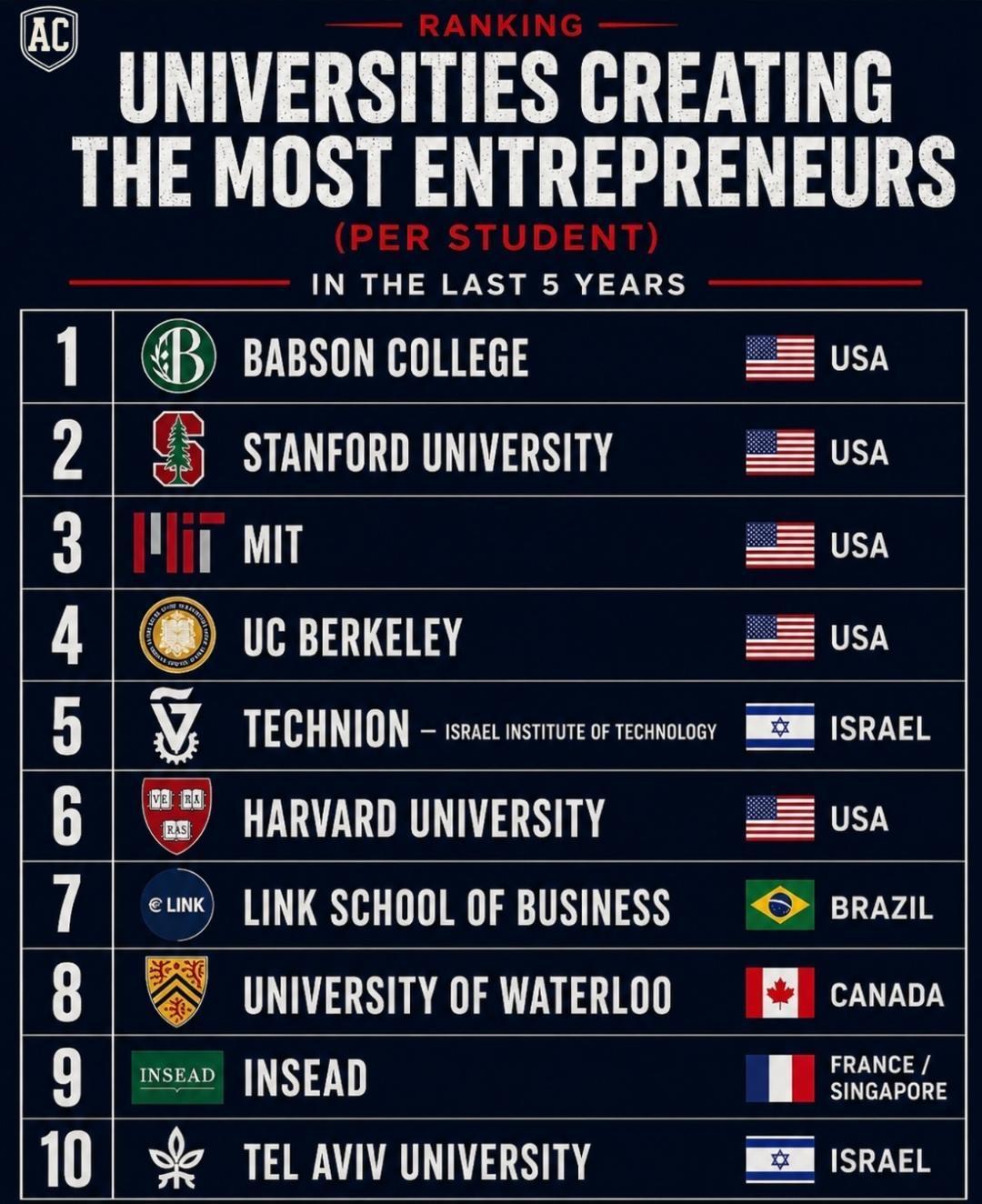
As WFYI.org reported, Luke Messer, a key United States partner in the project, has articulated the rationale behind the partnership in terms of both opportunity and strategic alignment. He described Israel’s technology sector as one of the most robust in the world, rivaled only by the innovation hubs of New York and San Francisco. For Indiana, he argued, the initiative represents a gateway to this dynamic ecosystem—a pipeline through which cutting-edge enterprises can establish a presence within the state.
Messer further emphasized that the partnership is not solely about capital investment but also about cultivating relationships that transcend national boundaries. By embedding Israeli start-ups within Indiana’s institutional framework, the initiative seeks to foster a mutually beneficial exchange of expertise and innovation. This approach reflects a broader trend in economic development, wherein regional growth is increasingly dependent on global connectivity.
Yet the initiative’s significance extends beyond its economic dimensions. As noted by WFYI.org, Messer also highlighted the political symbolism inherent in the partnership. In his view, supporting Israeli enterprises constitutes an expression of solidarity at a time of heightened geopolitical tension. This perspective aligns with Indiana’s broader pattern of engagement with Israel, which includes the purchase of Israeli bonds—a financial strategy that state officials have defended as both economically advantageous and politically meaningful.
State Treasurer Daniel Elliott has characterized these bonds as among the state’s most successful investments, reinforcing the argument that economic cooperation with Israel yields tangible benefits. However, such assertions have not quelled dissent among critics who view the partnership through a markedly different lens.
Opposition to the initiative has been vocal and multifaceted. Malkah Bird, representing a pro-Palestinian advocacy group, articulated concerns that the investment constitutes a misallocation of public resources. As reported by WFYI.org, Bird contended that taxpayer funds should not be directed toward ventures that, in her view, are entangled with broader political and ethical controversies. Her critique underscores the extent to which the initiative has become a focal point for debates about the intersection of economics, ethics, and foreign policy.
This tension between economic aspiration and moral scrutiny is not unique to Indiana but reflects a broader global discourse. In an era characterized by heightened awareness of corporate and governmental responsibility, investment decisions are increasingly subject to ethical evaluation. The Indiana-Israel partnership thus occupies a complex space in which financial considerations coexist with deeply held convictions about justice and accountability.
While the immediate focus of the initiative lies in economic development, its broader implications invite reflection on historical and cultural contexts that continue to shape contemporary attitudes. In this regard, it is instructive to consider the historical experiences of Jewish communities in Europe, particularly during the Holocaust. Poland, where much of that tragedy unfolded, offers a poignant example of the complexities inherent in such narratives.
During the Second World War, Poland was subjected to brutal occupation by Nazi Germany, and millions of Polish citizens, both Jewish and non-Jewish, suffered under the regime’s violence. At the same time, historical scholarship has documented instances in which antisemitic sentiment within segments of Polish society contributed to the persecution of Jewish neighbors. While many Poles risked their lives to shelter and protect Jews, others participated in acts of denunciation, exploitation, and violence.
The legacy of these events remains a subject of intense scholarly and public debate. It underscores the importance of confronting uncomfortable aspects of history while acknowledging acts of courage and solidarity. In the context of the Indiana initiative, this historical perspective serves as a reminder of the enduring significance of fostering constructive relationships that transcend past divisions.
Returning to the present, proponents of the Indiana-Israel partnership argue that economic collaboration can serve as a vehicle for promoting understanding and stability. Messer, as cited by WFYI.org, encapsulated this view by asserting that trade has the capacity to build bridges between nations. By facilitating the exchange of ideas and resources, such partnerships may contribute to a more interconnected and cooperative global landscape.
Nevertheless, the success of the initiative will depend on its ability to navigate the competing pressures that surround it. On one hand, it must deliver tangible economic benefits, including job creation, technological advancement, and increased investment. On the other, it must address the concerns of those who question the ethical dimensions of such engagement.
The process of raising additional funds over the coming months will likely serve as a critical test of the initiative’s viability. Securing the full $60 million required for its implementation will necessitate the support of private investors and corporate partners, whose participation will be influenced by both economic incentives and reputational considerations.
As the report at WFYI.org emphasized, the Indiana Economic Development Corporation’s announcement marks a significant moment in the state’s ongoing effort to redefine its economic identity. By aligning itself with one of the world’s leading technology sectors, Indiana seeks to position itself as a hub of innovation capable of competing on a global stage.
In the final analysis, the partnership encapsulates the complexities of contemporary economic development. It is at once an ambitious bid for growth, a statement of political alignment, and a catalyst for public debate. Its outcome will be shaped not only by market forces but also by the broader society and ethical currents that influence public perception.
Whether the initiative ultimately fulfills its promise remains to be seen. What is certain, however, is that it has already sparked a conversation that extends far beyond the confines of economic policy. As chronicled by WFYI.org, it challenges policymakers, investors, and citizens alike to grapple with the intricate interplay between opportunity and responsibility in an increasingly interconnected world.