













|
Getting your Trinity Audio player ready...
|
U.S. Extends Israel–Lebanon Ceasefire By Three Weeks Amid Persistent Hezbollah Violations
By: Fern Sidman
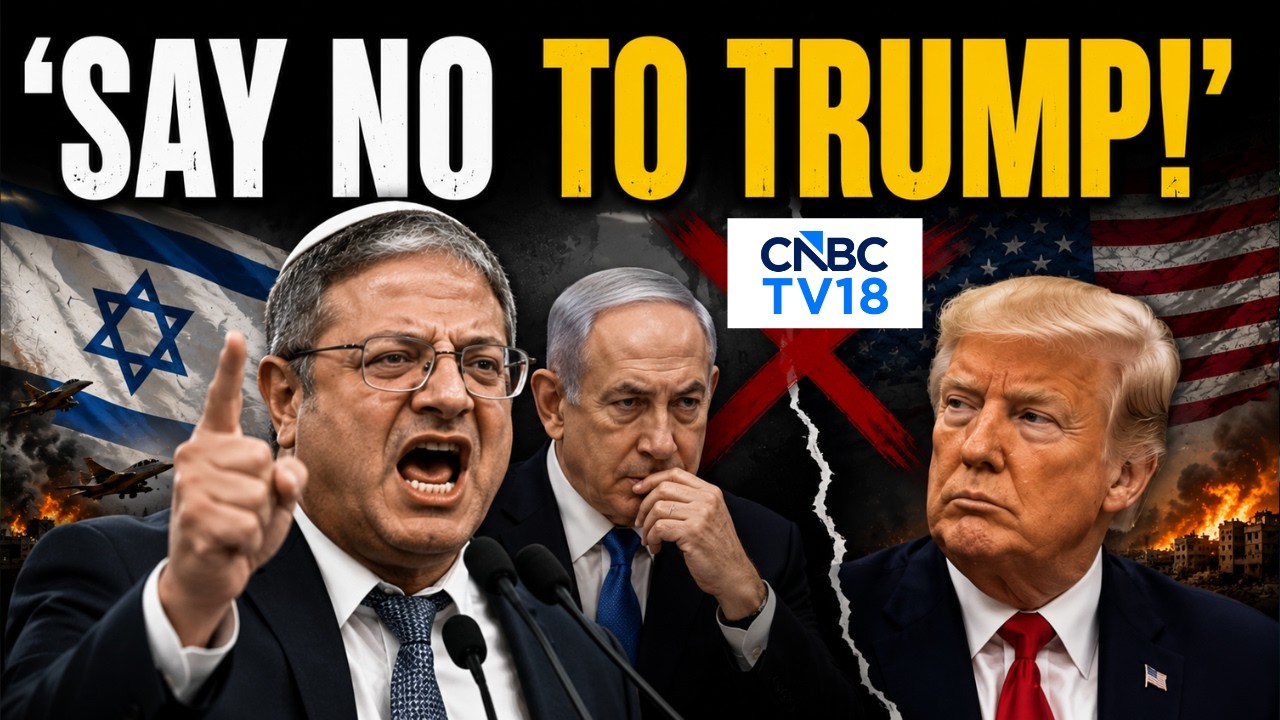
In a development that underscores both the urgency of diplomacy and the volatility of the regional security landscape, President Donald Trump announced a three-week extension of the ceasefire between Israel and Lebanon, following high-level talks at the White House. The decision, reported on Thursday by Israel National News, comes at a moment when repeated violations by Hezbollah continue to test the durability of the fragile truce.
The extension reflects a calculated effort by Washington to preserve a diplomatic pathway even as hostilities simmer beneath the surface. Yet the timing of the announcement—coinciding with renewed rocket fire and military engagements—illustrates the precarious balance between negotiation and escalation.
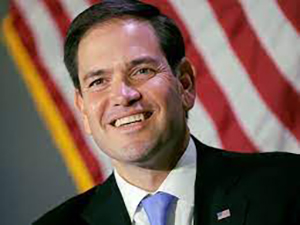
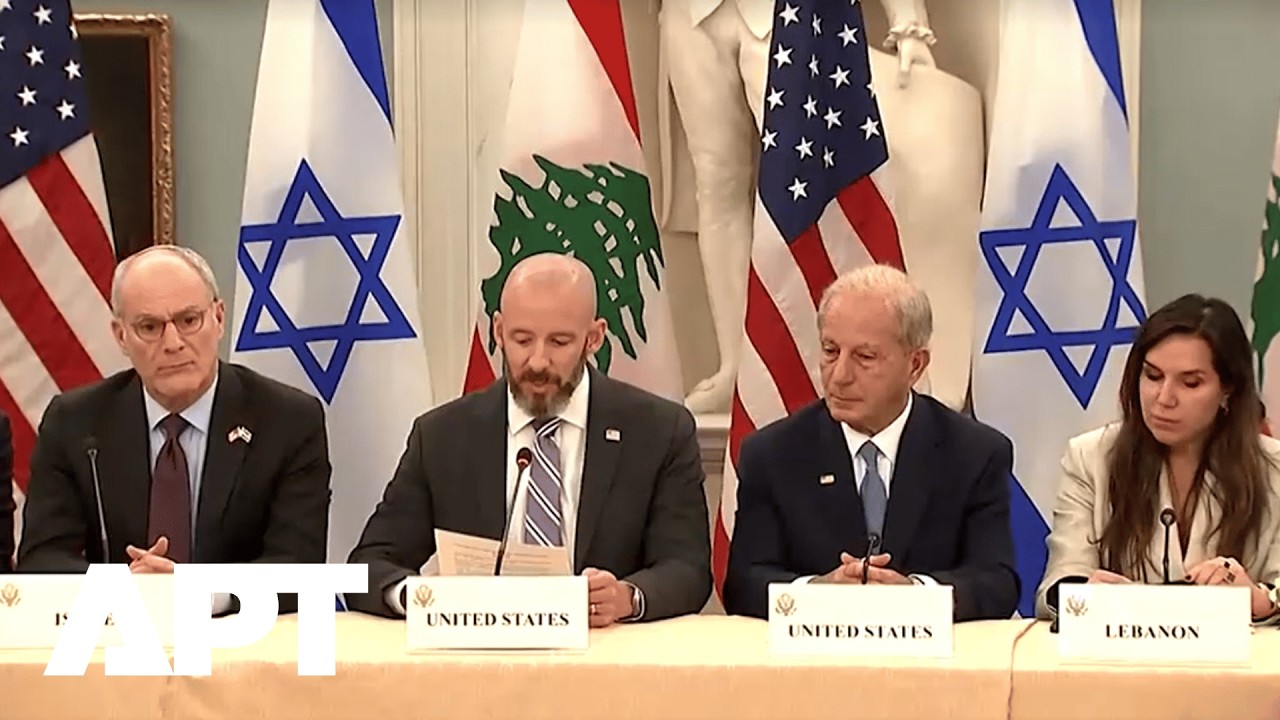
The announcement followed a series of direct discussions held in the Oval Office, involving senior American officials and representatives from both Israel and Lebanon. Among those present were Vice President JD Vance, Secretary of State Marco Rubio, and key diplomatic envoys including Ambassador Mike Huckabee and Ambassador Michel Issa.
According to the information provided in the Israel National News report, the discussions were characterized by a constructive tone, with participants emphasizing the importance of preventing further deterioration. Trump described the meeting as highly successful, signaling confidence in the potential for continued engagement despite the persistent challenges.
Central to the U.S. position is a commitment to assist Lebanon in strengthening its capacity to assert control over its territory and counter destabilizing forces. This objective reflects a broader strategic aim: to reduce the influence of non-state actors and reinforce state authority as a foundation for long-term stability.
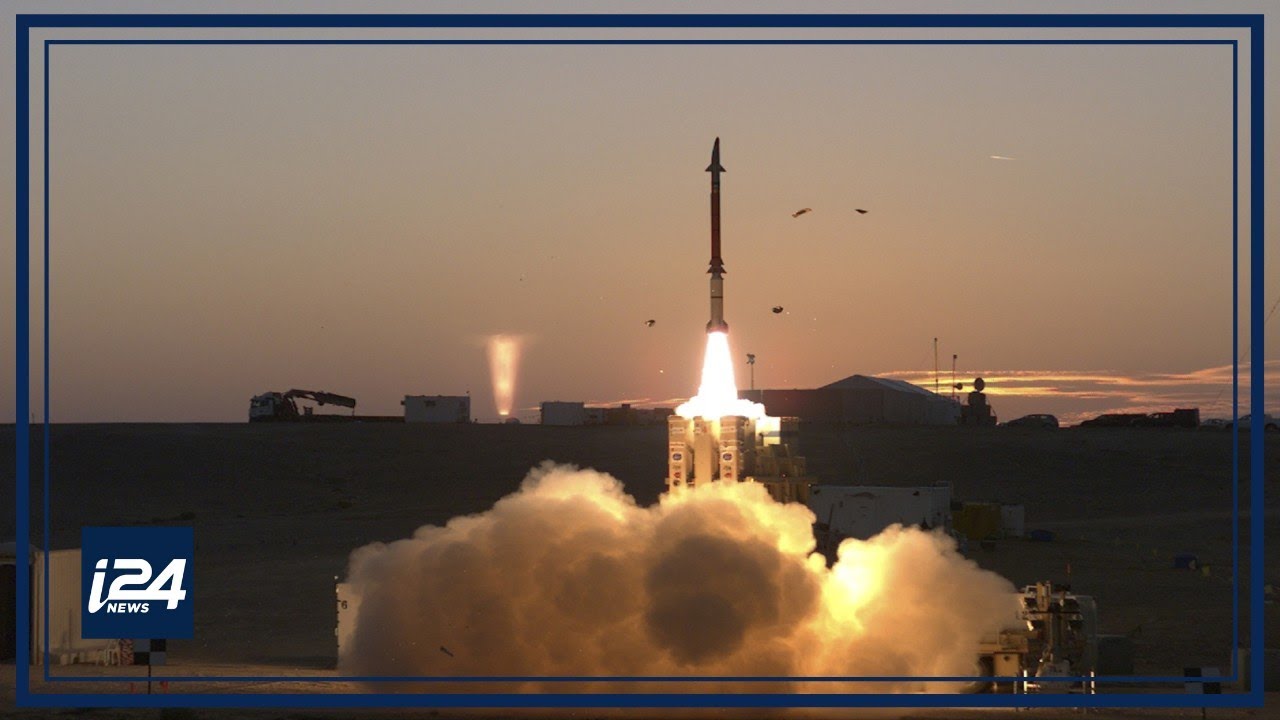
The extension of the ceasefire did not occur in a vacuum. Just hours before the announcement, Hezbollah launched a series of rockets toward the northern Israeli locality of Shtula, located in the Western Galilee. The projectiles were successfully intercepted by Israeli air defense systems, and no casualties or damage were reported.
The Israel Defense Forces confirmed that multiple launches had crossed into Israeli territory, triggering warning sirens in accordance with established protocols. While the immediate threat was neutralized, the incident served as a stark reminder of the persistent volatility along the border.
Israel National News reported that this was not an isolated occurrence but part of a pattern of ceasefire violations attributed to Hezbollah. Each incident incrementally erodes the credibility of the truce, raising questions about the feasibility of sustaining it over an extended period.
In response to ongoing threats, Israeli forces have continued to conduct targeted operations aimed at neutralizing hostile activities. Earlier on the same day, Israeli airstrikes eliminated three Hezbollah operatives who had attempted to launch a surface-to-air missile at an Israeli aircraft.
The attempted attack, though unsuccessful, represented a significant escalation in terms of capability and intent. The swift response by Israeli forces reflects a doctrine of immediate retaliation designed to deter further aggression.
Additional incidents further illustrate the complexity of the operational environment. An explosive unmanned aerial vehicle launched toward Israeli troops in southern Lebanon resulted in minor injuries to a reservist, who received medical treatment. Shortly thereafter, Israeli forces struck infrastructure associated with the attack.
In another episode, rockets were fired at Israeli units operating south of a designated defense line near Aainata. While some of the projectiles were intercepted, others landed in proximity to the troops, though without causing injuries. Israeli forces subsequently identified and dismantled launch systems prepared for further use.
These events, as detailed in the Israel National News report, underscore the ongoing cycle of provocation and response that defines the current phase of the conflict.
The ceasefire itself is rooted in a framework established through U.S. mediation, which includes provisions allowing Israel to act in self-defense against imminent threats. This clause has been a focal point of both support and criticism, as it provides operational flexibility while complicating efforts to maintain a stable cessation of hostilities.
From Israel’s perspective, the right to self-defense is non-negotiable, particularly in light of repeated violations. Lebanese officials, meanwhile, have sought to balance their engagement in negotiations with domestic considerations, emphasizing that decisions regarding war and peace must remain under state authority.
Hezbollah, for its part, has expressed opposition to the negotiation process, accusing the Lebanese government of making concessions without sufficient consensus. This internal tension adds another layer of complexity to the diplomatic landscape, as the government’s ability to implement agreements is influenced by competing power within the country.
The relationship between Israel and Lebanon is shaped by decades of conflict and unresolved tensions. Technically at war since 1948, the two countries have experienced multiple periods of escalation and relative calm, often mediated by external actors.
The current ceasefire, initially announced as a ten-day truce following talks in Washington, was intended as a temporary measure to de-escalate immediate hostilities. Its extension by three weeks represents both a continuation of that effort and an acknowledgment of the challenges inherent in achieving a lasting resolution.
The Israel National News report highlighted that the historical backdrop of the conflict informs the cautious approach adopted by all parties. Trust remains limited, and each violation reinforces skepticism about the durability of any agreement.
The United States has positioned itself as a central mediator in the current crisis, leveraging its diplomatic influence to facilitate dialogue between the parties. Trump’s direct involvement in the talks reflects a hands-on approach, aimed at maintaining momentum and preventing a return to full-scale conflict.
The decision to extend the ceasefire can be seen as an attempt to buy time—time for negotiations to progress, for tensions to subside, and for mechanisms of de-escalation to take hold. Whether this strategy will succeed remains uncertain, particularly in light of ongoing provocations.
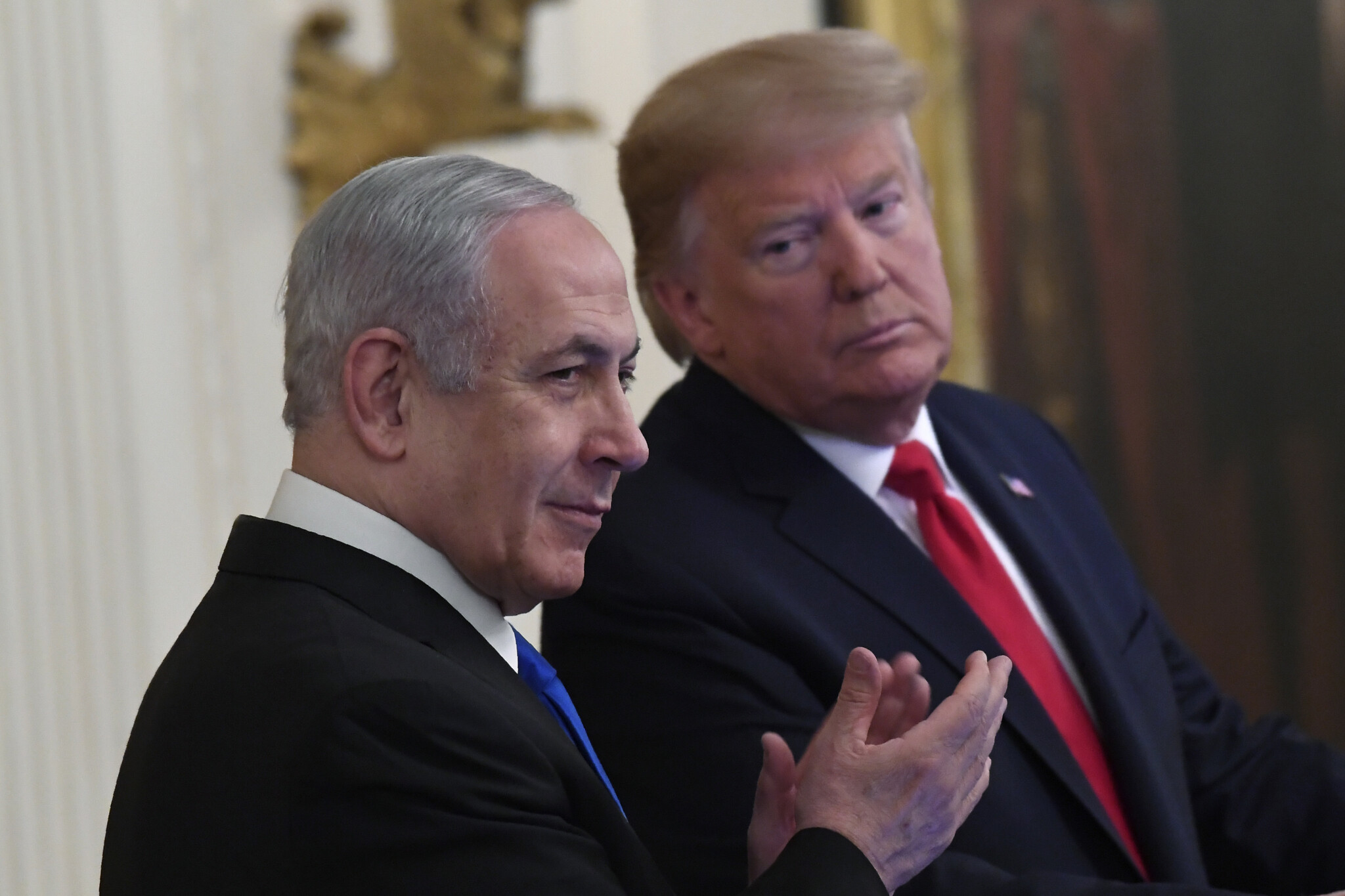
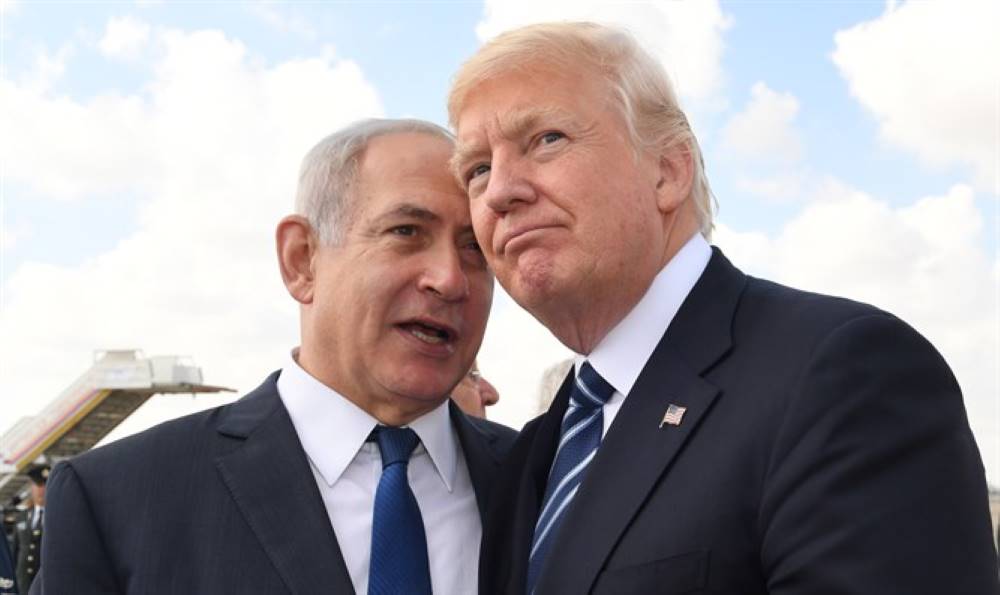
The planned future meetings, including a potential summit involving Benjamin Netanyahu and Joseph Aoun, suggest a willingness to elevate the dialogue to the highest levels of leadership. Such engagements, if realized, could provide an opportunity to address broader issues beyond the immediate ceasefire.
The extension of the truce occurs within a broader regional context characterized by heightened tensions and interconnected conflicts. Developments along the Israel–Lebanon border are closely watched by neighboring states and international actors, given their potential to trigger wider instability.
Hezbollah’s actions are often viewed through the lens of its regional affiliations and strategic objectives, while Israel’s responses are shaped by its security doctrine and threat perceptions. The interplay of these factors creates a dynamic environment in which localized incidents can have far-reaching implications.
As the three-week extension begins, the prospects for a sustained cessation of hostilities remain uncertain. The continued pattern of violations raises doubts about the willingness or ability of all parties to adhere to the terms of the agreement.
At the same time, the extension provides a window—however narrow—for diplomatic efforts to gain traction. The success of these efforts will depend on a range of factors, including the behavior of non-state actors, the cohesion of political leadership, and the effectiveness of mediation.
The Israel National News report underscored that the coming weeks will be critical in determining the trajectory of the conflict. Each incident, each response, and each diplomatic initiative will contribute to shaping the outcome.
The extension of the Israel–Lebanon ceasefire represents a moment of cautious optimism tempered by realism. It reflects a recognition that, while the path to peace is fraught with obstacles, the alternative—unrestrained conflict—carries far greater risks.
For the United States, the decision underscores its role as a key intermediary, navigating the dynamics of a region in flux. For Israel and Lebanon, it offers a temporary reprieve and an opportunity to explore avenues for de-escalation.
Yet the underlying tensions remain unresolved, and the durability of the truce will depend on the actions of those who operate both within and beyond the formal structures of the state. As the situation continues to evolve, the balance between diplomacy and deterrence will remain a defining feature of this critical chapter in Middle Eastern affairs.



