





























|
Getting your Trinity Audio player ready...
|
NYC Comptroller Reiterates Support for Israel Bonds as Mamdani Faces Backlash Over Antisemitism Response
By: Jeff Gorman
A mounting confrontation at the intersection of finance, public policy, and international relations is unfolding in New York City, where a dispute over investment strategy and the definition of antisemitism has evolved into a broader ideological struggle with far-reaching implications. At the center of this escalating debate are the city’s continued investments in Israeli government bonds, the policy posture of Mayor Zohran Mamdani, and the growing concerns voiced by financial leaders, lawmakers, and community advocates.
As reported on Thursday in The Algemeiner, New York’s chief financial officer has forcefully defended the city’s longstanding investment relationship with Israel, even as political pressure intensifies to sever those ties. The dispute has exposed deep divisions over how the city should balance fiduciary responsibility, foreign policy considerations, and the urgent need to confront a documented surge in antisemitic incidents.
At the forefront of the controversy stands New York City Comptroller Mark Levine, who has taken a firm stance in defense of the city’s pension fund investments in Israeli bonds. Levine has emphasized that these financial instruments are not merely symbolic gestures but represent prudent, historically reliable assets that have consistently delivered returns for public employees.
According to the information provided in The Algemeiner report, Levine underscored the remarkable track record of these bonds, noting that they have never defaulted in over seven decades. This reliability, he argued, is the cornerstone of his office’s fiduciary obligation: to safeguard and grow the retirement savings of city workers, independent of political currents.
“This is not political, and it should not be politicized,” Levine stated, reinforcing the principle that investment decisions must remain insulated from ideological campaigns. His remarks reflect a broader concern among financial professionals that politicizing investment portfolios could undermine both performance and stability.
Levine further highlighted what he described as a striking inconsistency in public discourse. While New York maintains investments in a range of foreign markets, including countries with complex geopolitical profiles, criticism has been disproportionately focused on its financial ties to Israel. This selective scrutiny, he suggested, raises questions about the motivations underlying the current push for divestment.
The debate has intensified under the administration of Mayor Mamdani, whose political identity is closely aligned with progressive activism and whose public record includes strong support for efforts to economically isolate Israel. As The Algemeiner report noted, Mamdani has advocated for ending the city’s investments in Israeli bonds, aligning himself with movements that call for comprehensive economic disengagement.
These movements, often grouped under the banner of boycott, divestment, and sanctions, seek to exert pressure on Israel through international economic and cultural isolation. Critics argue that such efforts extend beyond policy critique and into the realm of delegitimization, raising profound concerns about their broader implications.
Mamdani’s position has placed him in direct opposition to Levine, setting the stage for a high-profile confrontation that extends beyond financial policy into questions of governance, identity, and civic responsibility. The resulting tension reflects a broader national conversation about the role of municipal governments in addressing international issues and the limits of political activism in public administration.
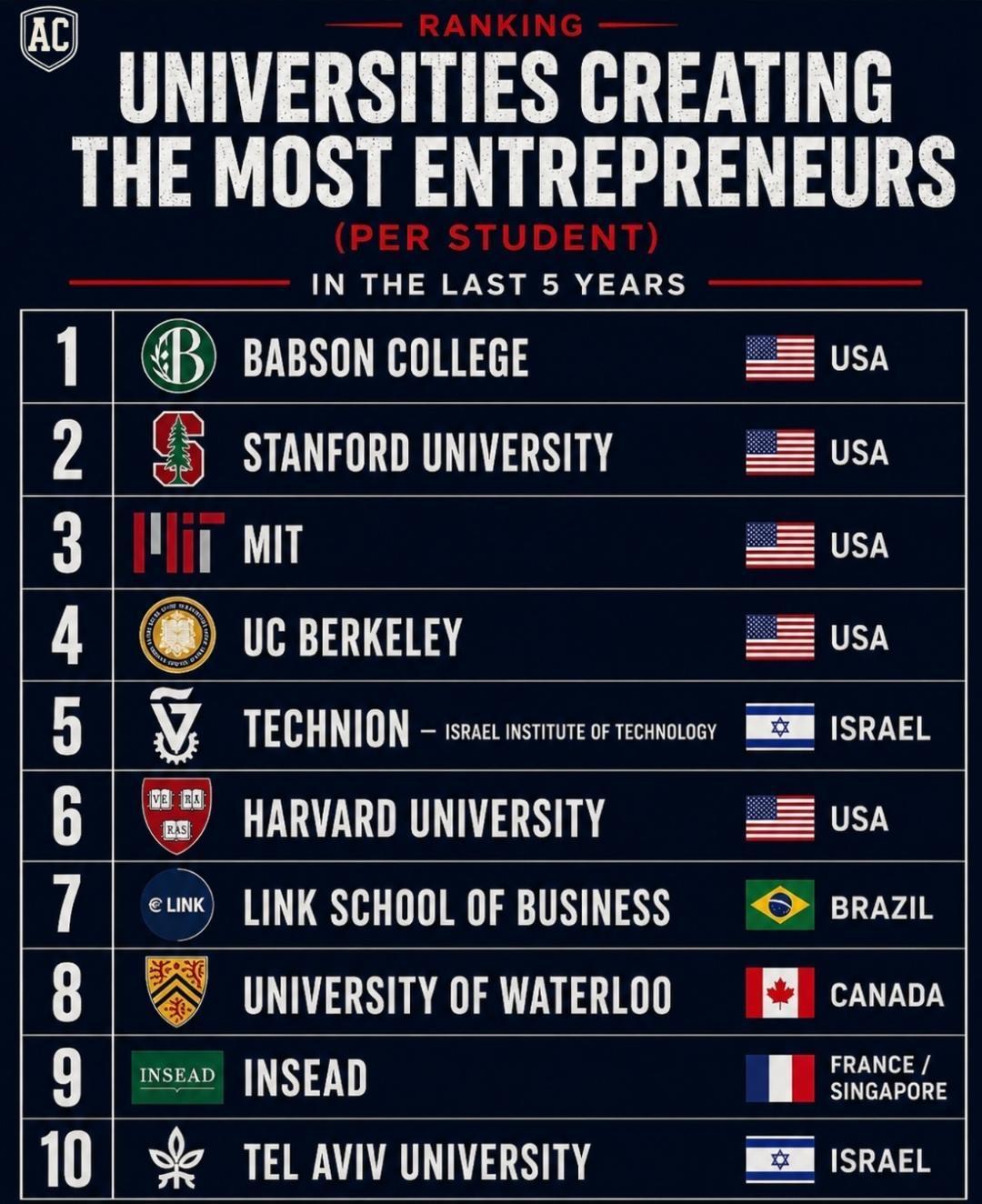
Beyond the ideological dimensions of the debate lies a substantial body of economic evidence underscoring the depth of the relationship between New York and Israel. The Algemeiner has drawn attention to data demonstrating the significant contributions of Israeli-founded companies to the city’s economy.
A comprehensive study conducted by the United States-Israel Business Alliance reveals that hundreds of Israeli-founded firms operate within New York City, collectively generating billions of dollars in economic activity. These companies not only provide direct employment to tens of thousands of individuals but also support a broader ecosystem of jobs through supply chains, services, and related industries.
The figures are striking: tens of thousands of jobs, billions in earnings, and a substantial contribution to overall economic output. These enterprises span a wide range of sectors, from financial technology to cybersecurity, and have become integral to the city’s innovation landscape.
The Algemeiner reported that the number of high-value Israeli-founded startups, often referred to as unicorns due to their billion-dollar valuations, has increased dramatically in recent years. This growth underscores the dynamic nature of the economic partnership and highlights the potential risks associated with policies that could disrupt it.
Business leaders have warned that efforts to divest from Israeli investments could trigger unintended consequences, including the relocation of companies and the loss of jobs. Such outcomes would not only affect the immediate stakeholders but could also reverberate throughout the broader economy.
Parallel to the financial dispute is an equally contentious debate over how New York City defines and addresses antisemitism. Under the Mamdani administration, the city has moved away from adopting a formal, codified definition, opting instead for a case-by-case approach.
This shift marks a departure from previous policy, which had incorporated the widely recognized framework developed by the International Holocaust Remembrance Alliance. That definition, adopted by numerous governments and institutions worldwide, provides a comprehensive description of antisemitism along with illustrative examples.
According to The Algemeiner report, city officials have defended the decision to abandon a fixed definition, arguing that rigid frameworks may inadvertently conflate legitimate political criticism with discriminatory conduct. They contend that a more flexible approach allows for nuanced evaluation of individual cases.
However, critics have expressed deep concern that the absence of a clear standard could lead to inconsistency and weaken the city’s ability to respond effectively to hate crimes. Without a shared framework, they argue, it becomes more difficult to identify patterns, enforce accountability, and ensure that victims receive appropriate protection.
The policy debate is unfolding against a backdrop of alarming data regarding antisemitic incidents in New York City. Statistics cited in The Algemeiner report indicate that such incidents constitute a significant proportion of all reported hate crimes, far exceeding the demographic representation of the Jewish community.
Statements from New York City Police Commissioner Jessica Tisch have reinforced these concerns, highlighting a notable increase in confirmed hate crimes and emphasizing that a majority are directed against Jewish individuals and institutions. This trend has intensified calls for decisive action and clear policy guidance.
Advocacy groups and community leaders have argued that the current moment demands clarity, consistency, and a robust commitment to combating antisemitism in all its forms. They warn that ambiguity in policy may inadvertently embolden perpetrators and undermine public confidence.
The convergence of financial, political, and social issues has placed New York City at a critical juncture. The decisions made in the coming months will shape not only the city’s investment strategy but also its approach to one of the most pressing social challenges of the time.
For Levine, the priority remains clear: to uphold the fiduciary responsibilities of his office and ensure the financial security of public employees. For Mamdani, the focus appears to be on aligning municipal policy with broader ideological commitments, even at the risk of economic disruption.
The Algemeiner report characterized this moment as a defining test of governance, one that will require balancing competing imperatives with careful judgment and foresight. The stakes are considerable, encompassing economic stability, social cohesion, and the city’s reputation as a global leader.
As the debate continues to unfold, it reflects a deeper tension between principle and pragmatism. On one side are those who argue for the primacy of financial responsibility and economic partnership; on the other are advocates for a more activist approach to policy, informed by ideological convictions.
The challenge lies in navigating these competing perspectives without compromising the core values that underpin the city’s identity. As The Algemeiner report makes clear, the outcome will have implications that extend far beyond the immediate controversy, influencing how New York addresses issues of investment, governance, and social justice in the years to come.
In this complex and evolving landscape, one truth remains evident: the decisions made today will resonate well into the future, shaping not only the city’s economic trajectory but also its moral and civic character.



