



















|
Getting your Trinity Audio player ready...
|
By: Fern Sidman
Prime Minister Benjamin Netanyahu departed for New York on Wednesday evening under the weight of mounting diplomatic pressure, warning in unequivocal terms that Israel would not be bound by the recent recognition of an independent Palestinian state by several Western governments.
“The shameful capitulation of some leaders to Palestinian terror does not obligate Israel in any way,” Netanyahu’s office said in a blunt statement issued shortly before his departure for the United Nations General Assembly. “There will be no Palestinian state.”
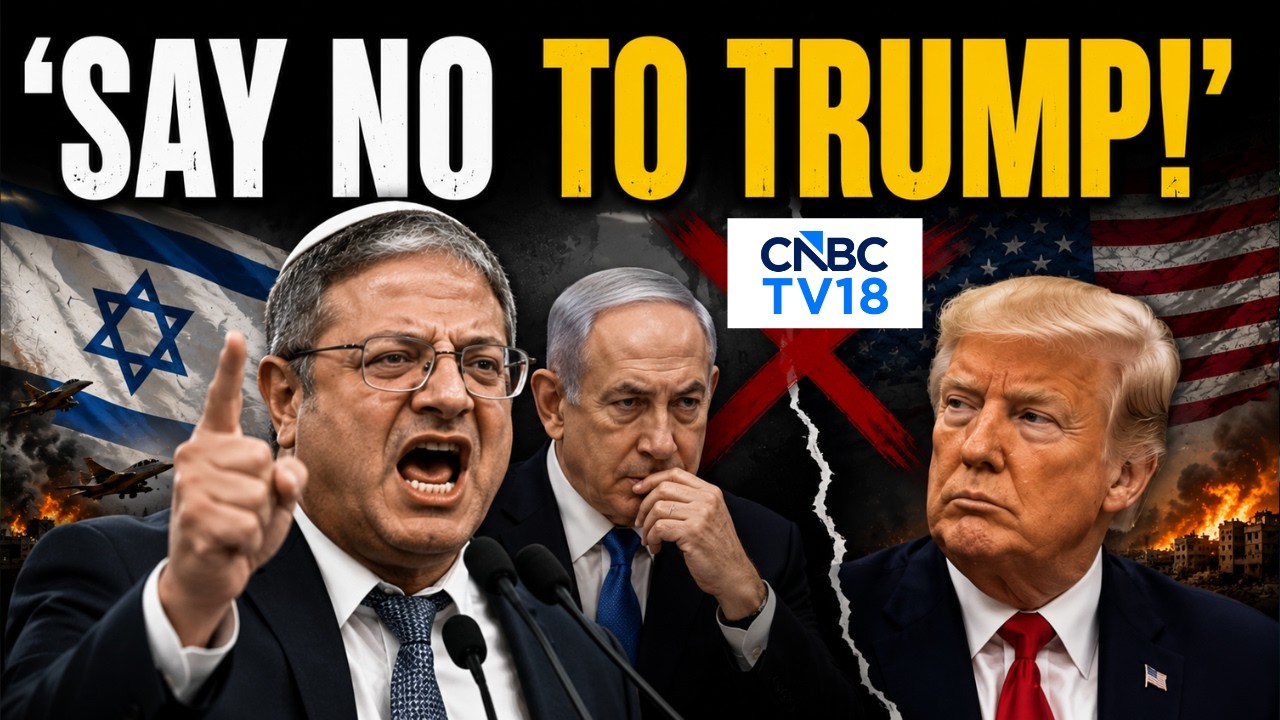
The Times of Israel reported on Wednesday that the comments, unusually sharp even by Netanyahu’s standards, reflected both his frustration with the growing international momentum behind Palestinian statehood and his determination to reframe the debate on Israel’s terms at the UN. The issue is expected to dominate his bilateral meetings in New York and Washington, including a high-profile session with President Donald Trump on Monday.
In recent days, countries including the United Kingdom, France, Canada, and Portugal have announced their recognition of an independent Palestinian state, adding their weight to a cause already supported by more than half of the UN’s nearly 200 members. The Times of Israel report noted that the announcements were timed ahead of the annual UNGA session, a signal of solidarity with Palestinian aspirations and a rebuke to Israel’s military campaign in Gaza.
On Sunday, following recognition declarations by the UK, Canada, and Australia, Netanyahu accused their leaders of “handing a huge reward to terror.” But, he stressed, Israel would articulate its official response only after his return from Washington. Within his coalition, hardliners have pressed for annexation of parts of Judea and Samaria, particularly the Jordan Valley, as a forceful countermeasure.
A senior Israeli official, however, told The Times of Israel that the Trump administration has privately cautioned Israel against such moves, fearing annexation would further destabilize an already combustible region. Still, the official emphasized that Jerusalem does not view Washington’s warnings as the “end of the discussion,” and Netanyahu plans to raise the issue directly with Trump.
So far, the Trump White House has avoided a public stance on annexation, instead casting blame on Western capitals for “forcing Israel’s hand” by recognizing Palestinian statehood. This ambiguity has allowed Netanyahu to maintain his options while testing the limits of American tolerance.
Netanyahu’s departure for New York was accompanied by visible dissent at home. As The Times of Israel report said, hundreds of demonstrators massed outside Ben Gurion Airport on Wednesday, waving Israeli flags and banners demanding a hostage deal with Hamas. Yellow placards bore the faces of the remaining captives still held in Gaza, with calls for President Trump to pressure Netanyahu into prioritizing their release.
Other protesters directed their anger at Netanyahu’s appointment of David Zini as head of the Shin Bet, branding him a potential “rubber stamp” for the prime minister. Some donned orange prison jumpsuits, staging mock scenes of Netanyahu behind bars, while others dressed as Gulf sheikhs waving fake cash — a pointed reference to allegations of back-channel dealings between Netanyahu’s office and Qatar.
The protests, broadcast live by Israeli media, illustrated the deep divisions within Israeli society as the war in Gaza grinds into its second year. For Netanyahu, the spectacle was a reminder that while he confronts external diplomatic challenges abroad, domestic discontent continues to shadow his every move.
In an op-ed for the New York Times, National Unity party chief Benny Gantz lent unexpected support to Netanyahu’s rejection of Palestinian statehood — though with a nuanced framing. The Times of Israel report highlighted Gantz’s argument that international recognition of Palestine amounted not only to a rebuke of Netanyahu personally but to a rejection of Israel’s longstanding bipartisan security consensus.
“This view is mistaken and counterproductive to global stability, regional normalization, and Israel’s own security,” wrote Gantz, a former IDF chief of staff and defense minister. He argued that opposition to Palestinian statehood is rooted in the “hard realities” of the region, not in Netanyahu’s political calculations.
Gantz pointed to the example of Gaza after Israel’s 2005 withdrawal, arguing that the Palestinian Authority under Mahmoud Abbas has consistently incited violence and glorified terrorism rather than building the institutions of statehood. “Recognition without responsibility is an illusion,” he wrote, a line that was widely cited in Israeli media and noted in The Times of Israel report.
The debate over recognition is hardly new, but its timing and scope have shaken Jerusalem. The Times of Israel report noted that more than 145 UN member states already recognize Palestine, but the decisions by major Western powers carry symbolic weight and diplomatic consequences that smaller nations do not.
For Netanyahu and his allies, these recognitions amount to rewarding Hamas in the aftermath of the October 7 massacre — a precedent they argue would embolden terror groups worldwide. For European leaders, by contrast, recognition is framed as a step toward reviving the long-dormant two-state solution and creating pressure on Israel to change course.
The danger, Israeli officials warn, is that such moves will only harden attitudes in Jerusalem and accelerate trends toward unilateral annexation. “The West thinks it is advancing peace,” one coalition lawmaker told The Times of Israel, “but in fact it is killing the very possibility of it.”
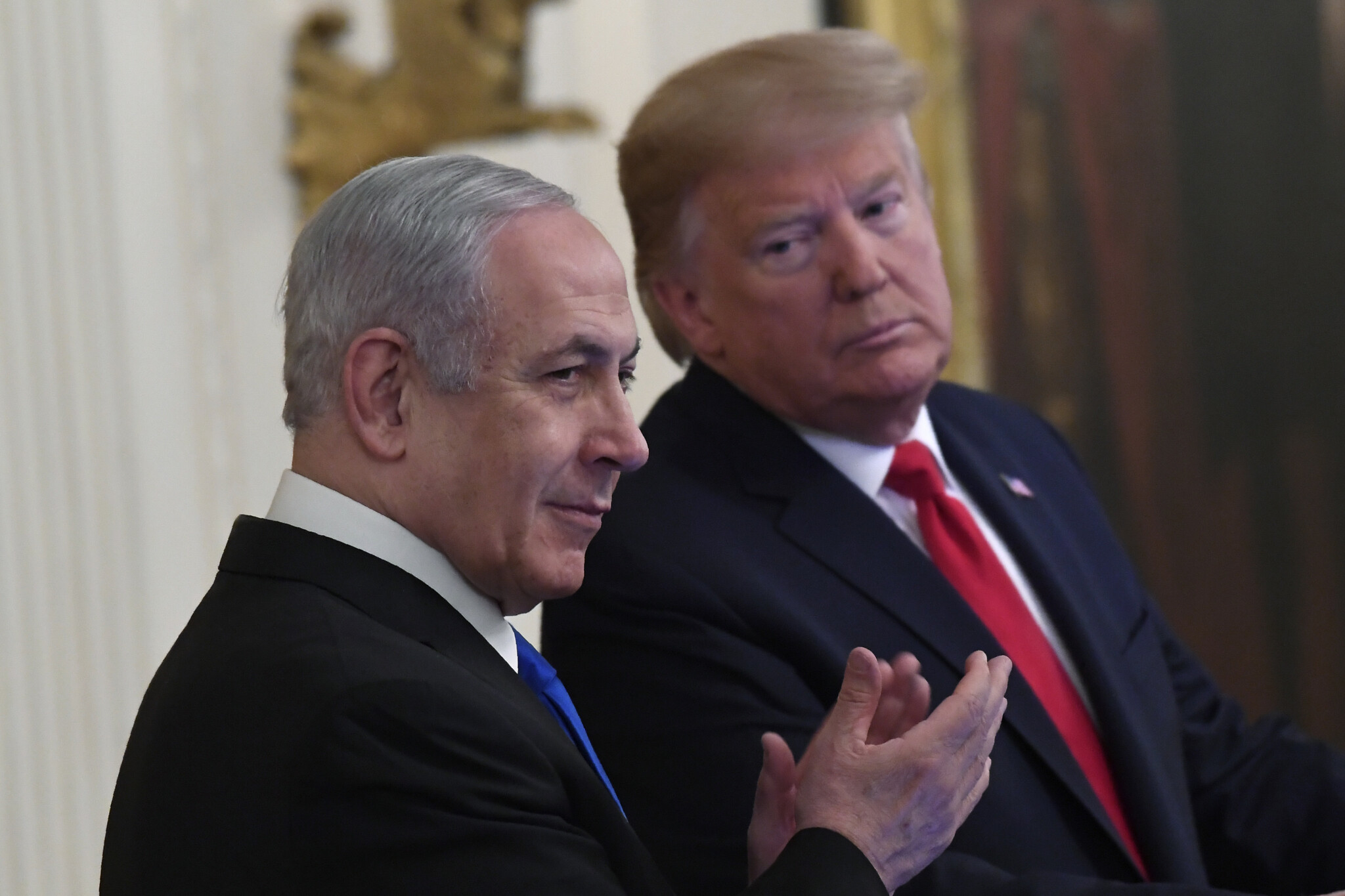
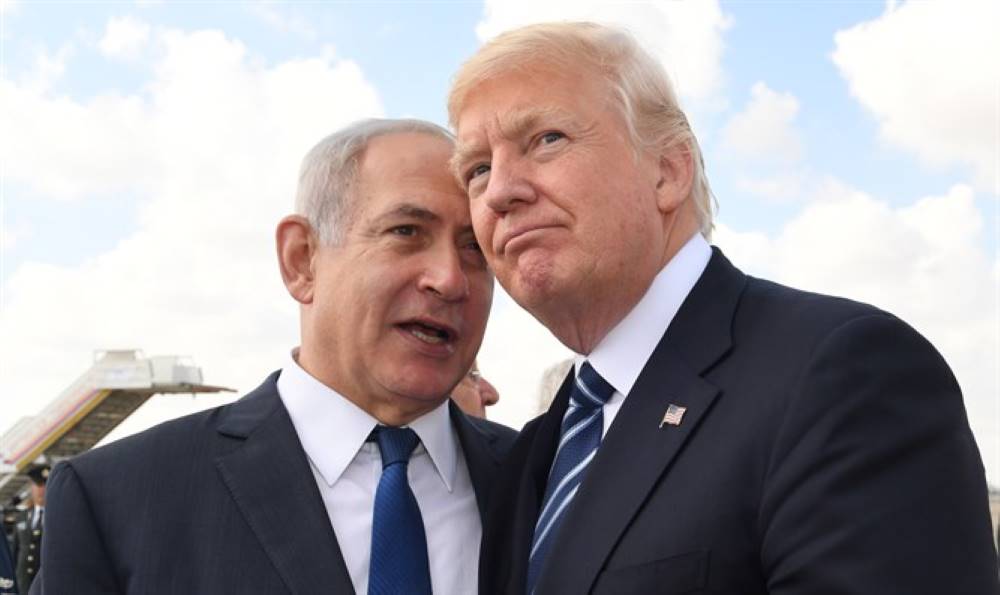
The climax of Netanyahu’s trip is expected to be his White House meeting with President Trump. As The Times of Israel reported, Trump remains a pivotal figure in Israel’s foreign policy calculations, having long rejected formal recognition of Palestinian statehood and warning that annexation of Judea and Samaria could be Israel’s ultimate response to Western moves.
Privately, however, American officials have expressed concern that Netanyahu may use the current diplomatic momentum to pursue irreversible steps, potentially collapsing what remains of the peace process. The Times of Israel reported that Trump’s advisers are divided, with some urging him to back Netanyahu more openly and others counseling restraint to avoid alienating Western allies.
For Netanyahu, the meeting is an opportunity not only to consolidate U.S. backing but also to showcase his defiance of European capitals and to argue that Israel will never be coerced into concessions.
Beyond the immediate political maneuvering, the episode reveals a deeper clash of worldviews. Western governments appear intent on reviving the two-state paradigm, even if only symbolically, while Israel — across much of its political spectrum — sees such moves as dangerously detached from regional realities.
The Times of Israel report noted that even within the Israeli opposition, from Gantz to Lapid, there is little appetite for formal Palestinian statehood under current conditions. The concern is not theoretical: Hamas’s entrenchment in Gaza, the weakness of the Palestinian Authority, and ongoing regional volatility leave Israelis deeply skeptical of the viability of a neighboring state.
For Netanyahu, this skepticism is a cornerstone of his political survival, but as Gantz’s op-ed demonstrates, it is also a widely held conviction that transcends partisan lines.
As Netanyahu makes his case at the United Nations, he does so from a position of both strength and vulnerability. His categorical rejection of Palestinian statehood resonates deeply with many Israelis who view Western recognition as naive at best and dangerous at worst. Yet his government faces intensifying criticism at home, with protesters demanding accountability and families of hostages pleading for resolution.
The Times of Israel has captured the tension well: Israel stands at a crossroads, caught between external diplomatic pressures, internal social unrest, and the unyielding reality of a conflict that shows no signs of resolution.
For Netanyahu, the stakes could not be higher. His ability to navigate the UN stage, reassure Washington, and withstand domestic opposition may determine not only the trajectory of his premiership but also the future contours of Israel’s relationship with the international community.



