














|
Getting your Trinity Audio player ready...
|
The U.S. extends the Israel-Hezbollah ceasefire by 45 days as rocket fire, drone attacks, and IDF strikes continue. The Times of Israel reports on fragile negotiations and rising tensions.
By: Chaya Abecassis
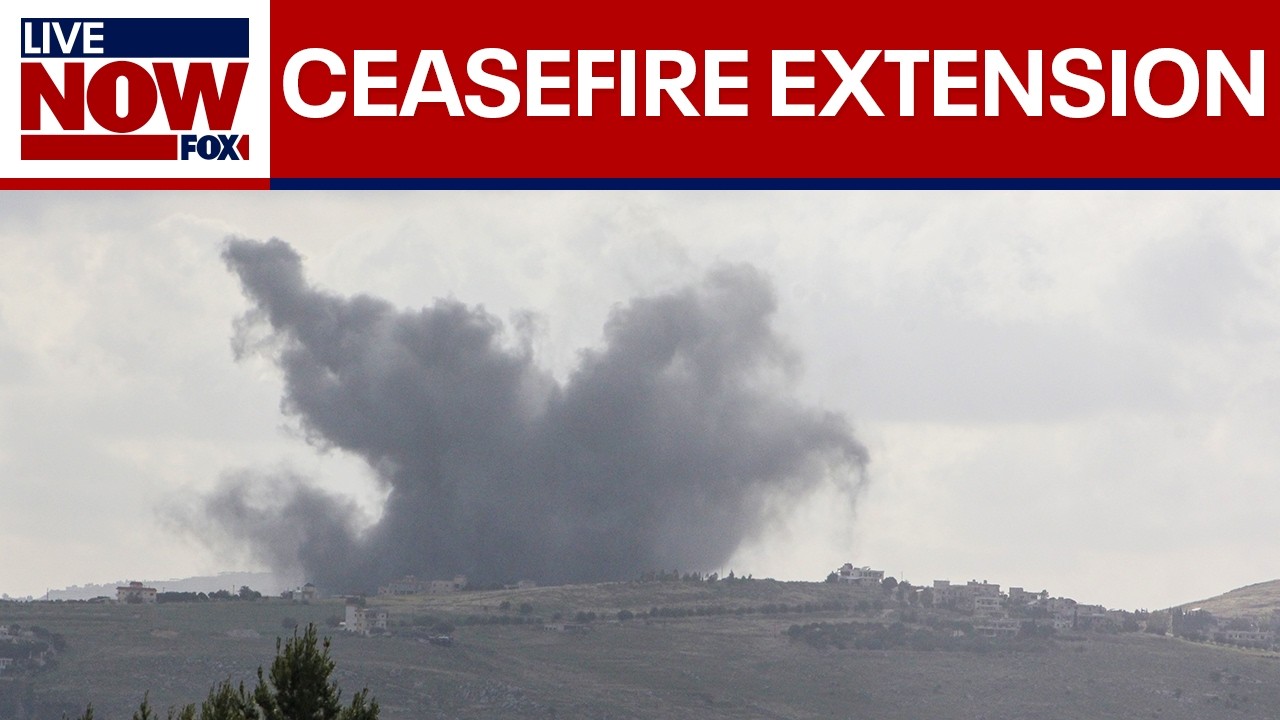
In a development that underscores both the urgency and fragility of Middle Eastern diplomacy, the United States has announced a 45-day extension of the ceasefire between Israel and Hezbollah, even as hostilities continue to erupt along the volatile northern border. The decision, reached after a third round of negotiations in Washington, reflects a calculated effort to prevent full-scale war while acknowledging that the current truce remains dangerously unstable.
As reported on Friday by The Times of Israel, the extension follows what U.S. officials described as “highly productive” negotiations, though events on the ground reveal a starkly different reality—one in which rockets, drones, and retaliatory strikes persist despite diplomatic overtures.
The ceasefire extension emerged from two days of high-level discussions in Washington, marking a significant moment in the ongoing Israel-Hezbollah conflict. For the first time, the talks included senior military officials from both sides, signaling a shift toward more operationally grounded negotiations.
State Department spokesperson Tommy Pigott emphasized the importance of the extension in facilitating further dialogue.
“The discussions were highly productive,” Pigott said, according to The Times of Israel. “This extension will enable further progress.”
The diplomatic roadmap now includes a political negotiation track scheduled for June 2 and June 3, alongside a newly established security track set to begin at the Pentagon on May 29. This dual-track approach is designed to address both strategic and tactical concerns, particularly those related to border security and military escalation.
“We hope these discussions will advance lasting peace,” Pigott added, “full recognition of each other’s sovereignty and territorial integrity, and establishing genuine security along their shared border.”
Yet, as The Times of Israel report consistently noted, such aspirations remain aspirational amid ongoing violence.
Israeli officials have responded to the ceasefire extension with cautious optimism, emphasizing that any long-term agreement must prioritize the safety of Israeli citizens and soldiers.
Israeli Ambassador to the United States Yechiel Leiter described the talks as “frank and constructive” while underscoring the uncertainty ahead.
“There will be ups and downs, but the potential for success is great,” Leiter stated. “What will be paramount throughout negotiations is the security of our citizens and our soldiers.”
That concern is grounded in reality. Since the escalation began, Hezbollah has launched thousands of rockets and hundreds of drones toward Israeli territory, targeting both military and civilian areas. In response, the Israel Defense Forces have conducted extensive operations to dismantle the group’s infrastructure.
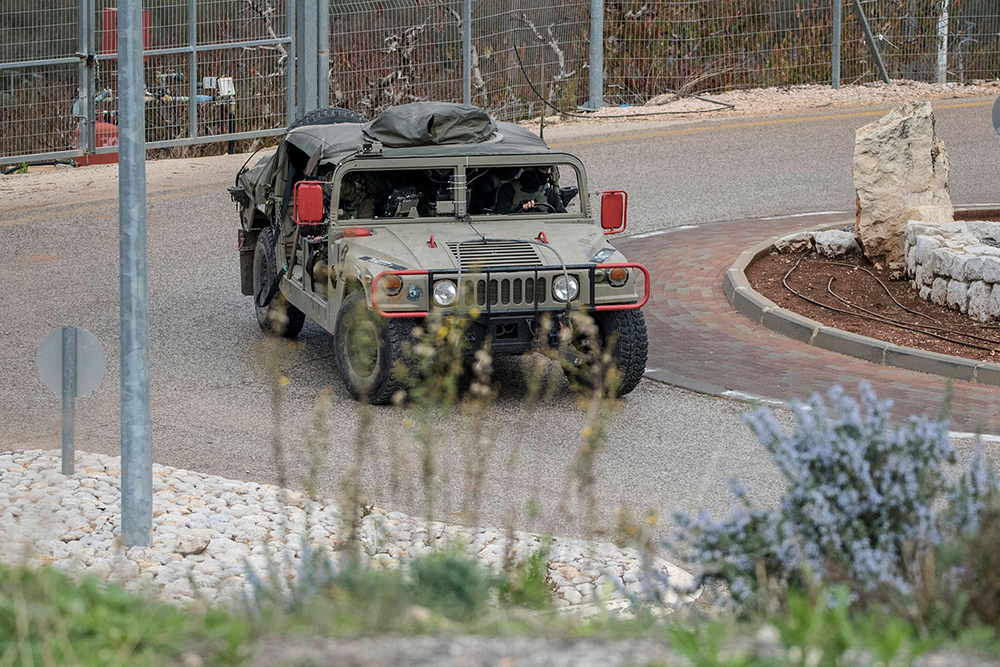
A central component of Israel’s strategy has been the creation of a buffer zone in southern Lebanon, aimed at preventing Hezbollah from launching attacks on northern Israeli communities. However, this effort has been met with persistent resistance from Hezbollah, which continues to target Israeli forces operating in the region.
Lebanon’s leadership has welcomed the ceasefire extension while articulating its own set of priorities centered on sovereignty and reconstruction.
“Lebanon will continue to engage constructively in negotiations while safeguarding its sovereignty and protecting the safety of its people,” the Lebanese delegation said in a statement cited by The Times of Israel.
The delegation outlined key objectives, including the restoration of territorial sovereignty, the return of displaced populations, reconstruction of damaged infrastructure, and the establishment of an independent verification mechanism.
“Lebanon is negotiating for a future in which its borders are respected,” the statement continued, “and its people can live in lasting peace and security.”
Lebanese Prime Minister Nawaf Salam reinforced this position, criticizing the cycle of conflict that has repeatedly destabilized the country.
“Lebanon has had enough ‘reckless’ wars for foreign interests,” Salam said, calling for broader international support.
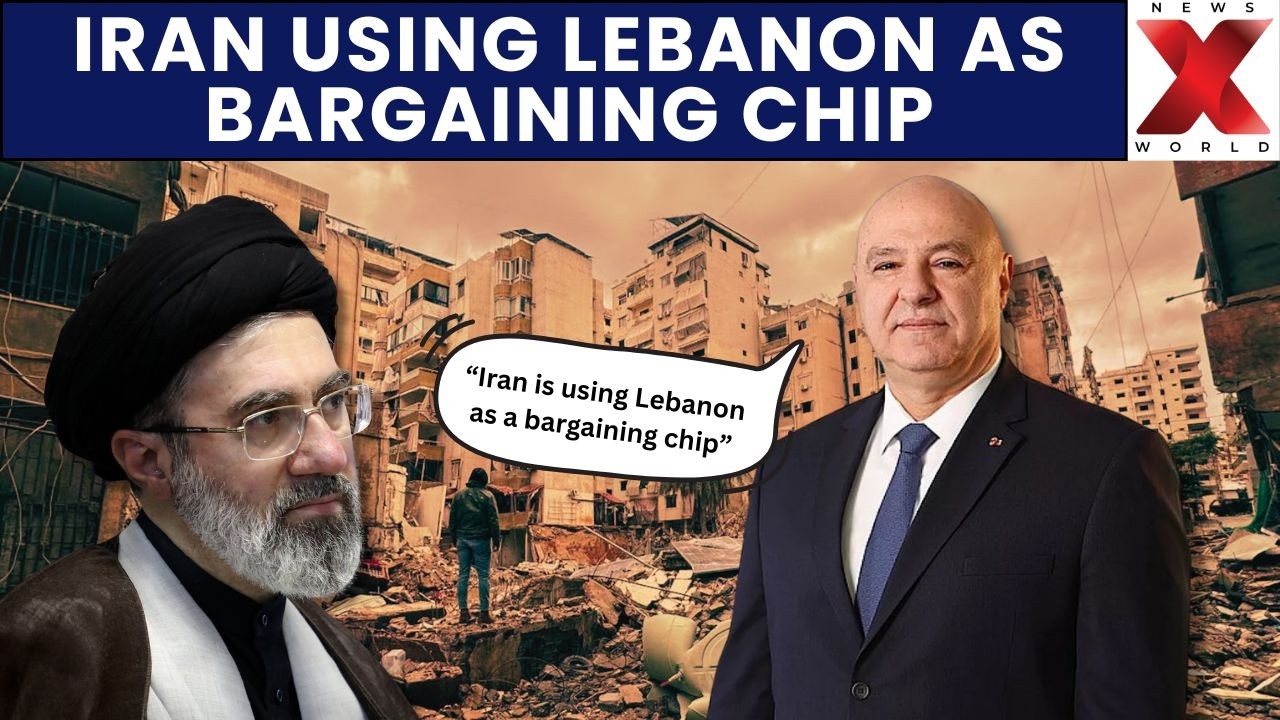
His remarks were widely interpreted, as noted by The Times of Israel, as a reference to Hezbollah’s alignment with Iran, which has drawn Lebanon into regional conflicts.
Despite the ceasefire extension, violence has continued at a steady pace, raising questions about the effectiveness of the agreement.
On Friday alone, Hezbollah launched multiple drones toward northern Israel, with impacts reported in Kiryat Shmona and Metula. Additional projectiles struck open areas, while several were intercepted by Israeli air defense systems.
The IDF also reported rocket and mortar attacks targeting Israeli troops in southern Lebanon. In one incident, Hezbollah attempted to shoot down an Israeli drone using a surface-to-air missile, though the attempt “failed.”
These developments highlight what The Times of Israel has described as a “ceasefire in name only,” with both sides continuing limited but persistent military activity.
Israel has continued to conduct targeted airstrikes against Hezbollah infrastructure, including a significant operation in the Tyre district.
According to Lebanon’s health ministry, the strikes wounded at least 37 people, including six hospital personnel, nine women, and four children. The IDF stated that the targets were linked to Hezbollah’s military operations and followed prior evacuation warnings.
United Nations humanitarian coordinator Imran Riza condemned the ongoing violence.
“Diplomatic efforts now offer a critical opportunity to stop the violence,” Riza said, calling the human toll “unacceptable.”
Local residents described scenes of renewed displacement.
“There are only women, children, and the elderly here,” said Hafez Ramadan, a resident near one of the strike sites. “Because of this strike, people have been displaced again.”
The scale of the Israel-Hezbollah conflict remains significant. According to figures cited by The Times of Israel:
Hezbollah has launched approximately 5,500 rockets at Israeli forces in southern Lebanon.
An additional 2,500 rockets have been fired into Israel.
At least 75 rocket impact sites have been recorded within Israeli territory
Around 300 drones have been launched, with 25 striking Israel.
In response, Israel has struck over 5,000 Hezbollah targets, including command centers and weapons depots, and has reportedly killed more than 2,000 operatives.
Casualties include:
19 IDF soldiers and one Defense Ministry civilian contractor killed.
Two Israeli civilians killed by Hezbollah rockets
One Israeli civilian killed by accidental Israeli artillery fire
At the heart of the negotiations lies a fundamental disagreement that continues to hinder progress.
Israel demands that Hezbollah disarm and withdraw from southern Lebanon, while Lebanon insists on a complete Israeli withdrawal and an end to all military operations.
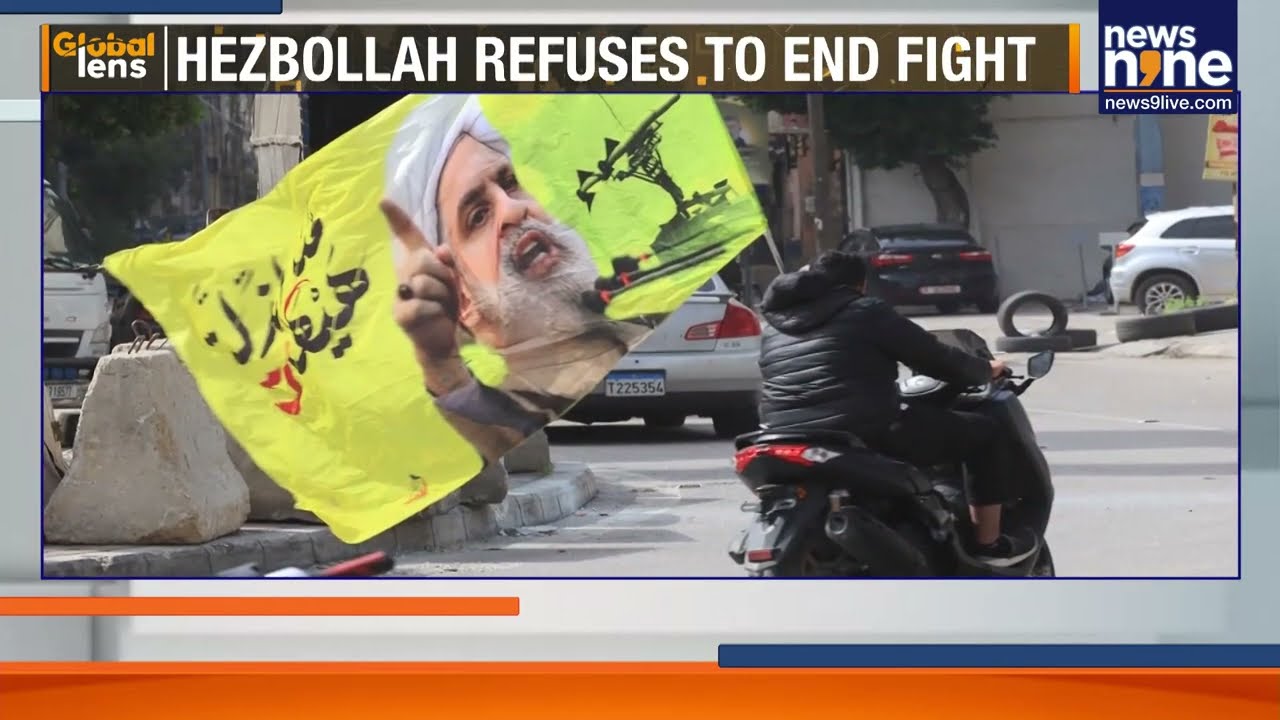
Hezbollah has rejected the premise of the talks altogether, declaring that its weapons are “not up for discussion.”
This position, as The Times of Israel report emphasized, reflects the group’s broader strategic alignment with Iran and complicates efforts to achieve a lasting resolution.
The 45-day extension of the Israel-Hezbollah ceasefire provides a temporary window for diplomacy, but it does not resolve the underlying tensions driving the conflict.
Instead, it creates a precarious equilibrium—one in which negotiations continue even as violence persists.
As The Times of Israel report observed, the situation represents a paradox: a ceasefire that coexists with daily hostilities, and a diplomatic process unfolding in the shadow of ongoing war.
Whether this extended truce will lead to a durable agreement or merely delay further escalation remains uncertain.
For now, the region stands at a critical juncture—caught between the hope of diplomacy and the reality of continued conflict.



