




























The End of an Era: Aqueduct Racetrack Nears Final Finish Line After 132 Years in Queens
Historic New York City Racetrack Set to Close This Month
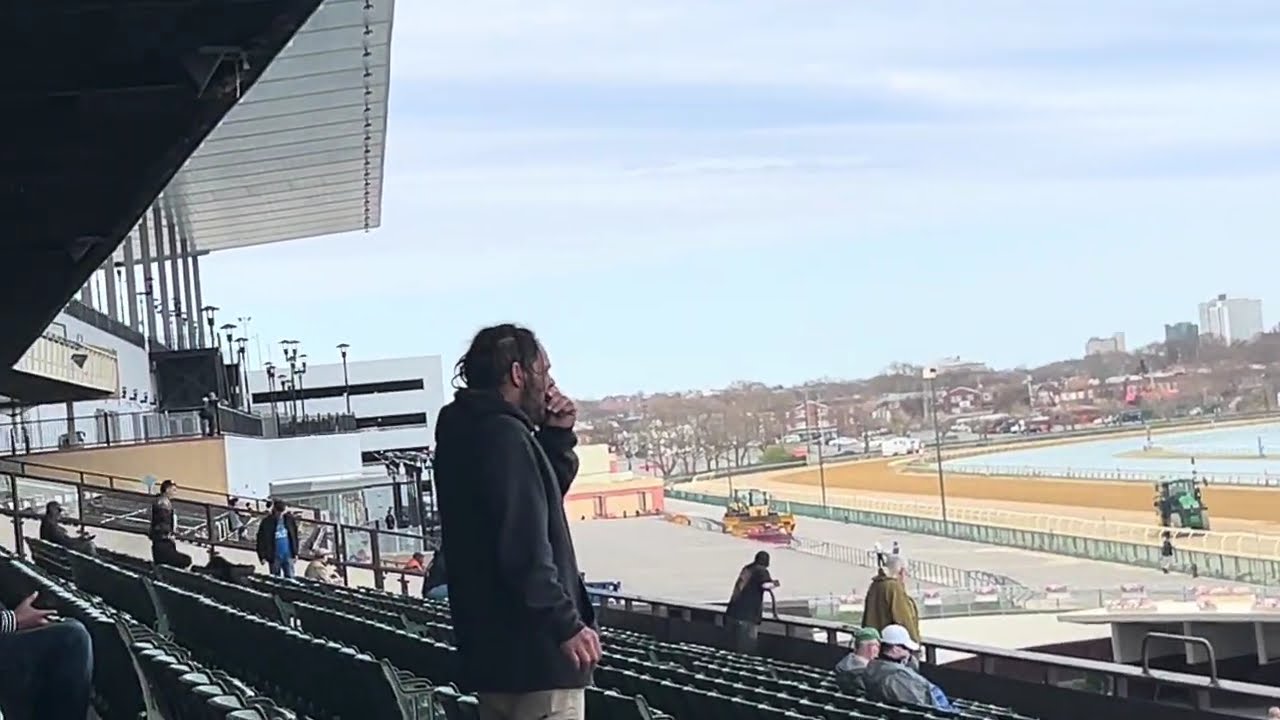
(TJV NEWS) For more than a century, Aqueduct Racetrack has been a fixture in Queens, drawing horse racing fans, gamblers, trainers and some of the sport’s greatest champions through its gates.
Now, after 132 years of history, the famed “Big A” is preparing for its final race day on June 28, bringing an end to one of New York City’s most recognizable sporting landmarks.
The New York Racing Association (NYRA) has announced a farewell celebration for the track’s closing weekend on June 27 and 28, marking the end of live racing at the only horse racing venue located within New York City limits. According to NYRA, thousands of fans are expected to attend the historic final weekend.
A Track Built in the 19th Century
Aqueduct Racetrack first opened on September 27, 1894, in South Ozone Park, Queens. The facility took its name from the nearby Brooklyn Water Works aqueduct system that once carried water into New York City.
Over the decades, Aqueduct became one of the most important tracks in American horse racing. The venue hosted countless major races and served as home to some of the sport’s biggest legends. According to NYRA, horses such as Man o’ War, Kelso, Dr. Fager, Forego, Easy Goer, Cigar and Smarty Jones all helped build their reputations at Aqueduct. Secretariat also made his racing debut at the track on July 4, 1972.
The track survived world wars, economic downturns, changing gambling habits and the rise of casinos. For generations of New Yorkers, a trip to Aqueduct became a tradition.
Why Is Aqueduct Closing?
The closure is not the result of financial collapse or an immediate crisis.
Instead, New York racing officials are consolidating thoroughbred racing operations at a newly rebuilt Belmont Park. The massive redevelopment of Belmont will allow year-round racing and training, eliminating the need to continue operating Aqueduct as a racing facility.
Once Belmont Park reopens later this year, racing dates traditionally held at Aqueduct will move there permanently. The shift will leave New York City without a horse racing track for the first time in modern history.
What Happens to the Property?
The future of the 100-acre site is already being planned.
Governor Kathy Hochul’s administration recently launched a public planning process to redevelop the state-owned property. Officials have proposed a mix of housing, retail space, community facilities and public open space. Community meetings are currently being held to gather input from Queens residents before a master plan is completed.
Empire State Development, the state’s economic development agency, has described the property as a major redevelopment opportunity in southeast Queens.
Fans Prepare to Say Goodbye
As news of the closure has spread, longtime racing fans have expressed sadness over the loss of one of New York’s oldest sporting institutions.
For many, Aqueduct represented more than horse racing. It was a neighborhood landmark, a gathering place and a piece of old New York that managed to survive into the 21st century.
NYRA plans to commemorate the final weekend with special programs, historical exhibits, souvenirs and even containers filled with authentic dirt from the track itself. The final live race at Aqueduct is scheduled for June 28.
The Final Chapter
When the gates close following the last race, Aqueduct will join a growing list of historic American racetracks that have disappeared from the sporting landscape.
Its grandstands may eventually give way to apartments, shops and parks, but its place in New York history is secure.
For 132 years, the Big A was where generations of New Yorkers came to chase a winning ticket, watch champions run and experience one of the city’s most enduring traditions.
On June 28, that tradition reaches its final finish line.