




















More Than 200 Killed in Anti-Drug Boat Strike Campaign
By Jared Evan
(TJV NEWS) The death toll from the Trump administration’s military campaign targeting suspected drug-smuggling boats in the Caribbean Sea and eastern Pacific Ocean has surpassed 200 people, according to a report by USA Today.
USA Today reported that the campaign began in September and has involved dozens of U.S. military strikes against vessels accused of participating in drug trafficking operations. The latest strike, which reportedly killed two people aboard a boat in the eastern Pacific, pushed the death toll above 200.
According to USA Today, the administration has described the targets as “narcoterrorists” and argues the operations are part of a broader effort to combat drug cartels and narcotics trafficking into the United States.
Death Toll Continues to Rise
USA Today reported that at least 207 people have now been killed in the campaign.
The report noted that some of those killed were never formally identified, while others were reported missing after strikes and later presumed dead. In several cases, survivors allegedly died after rescue efforts failed to reach them in time.
The campaign has expanded significantly since it began, with military strikes occurring across a wide area of the Caribbean and eastern Pacific.
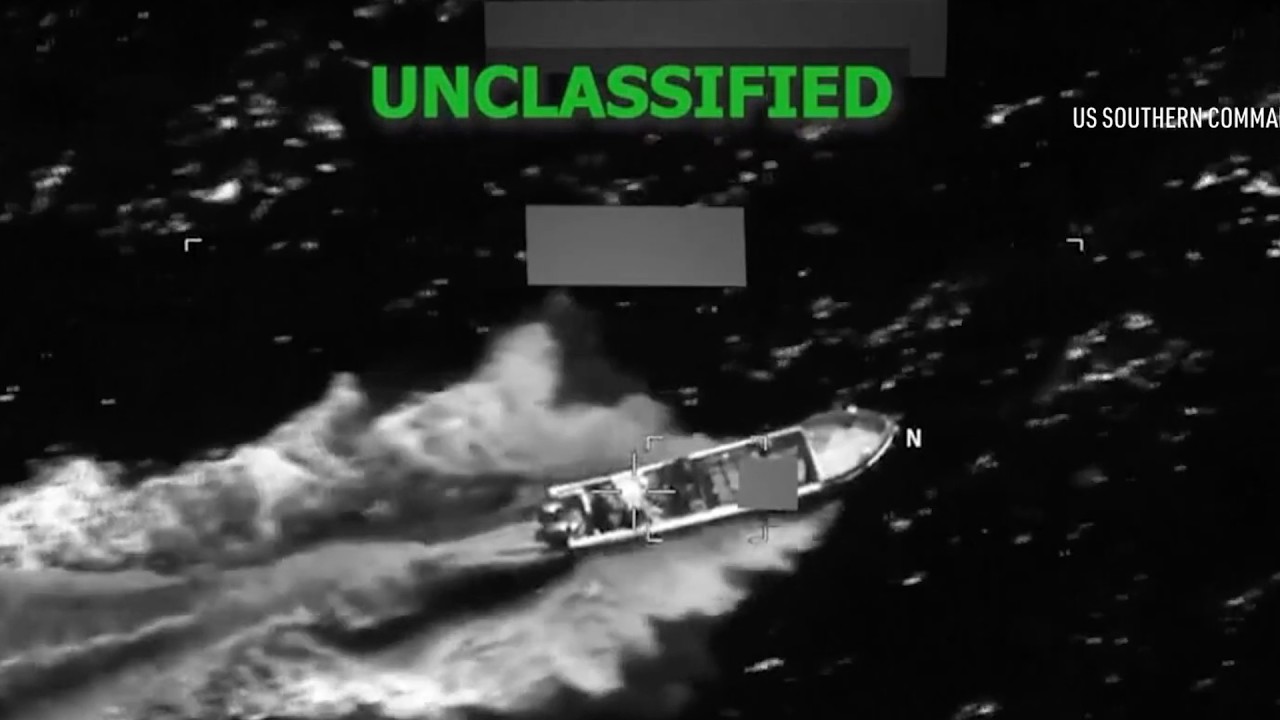
According to USA Today, U.S. Southern Command has released videos of some operations showing suspected trafficking vessels being destroyed at sea.
Critics Question Whether the Strikes Are Legal
One of the major issues highlighted by USA Today involves growing debate among legal scholars and human rights experts over whether the strikes comply with U.S. and international law.
According to the report, legal experts have argued that drug trafficking is generally considered a criminal matter rather than an armed conflict. Those critics contend that military force traditionally requires either a clear wartime authority, congressional authorization, or an imminent threat.
USA Today reported that some specialists in the law of armed conflict have described the strikes as potentially unlawful if the individuals targeted were not actively engaged in hostilities against the United States.
The administration has maintained that the targeted groups qualify as terrorist organizations and therefore can be targeted under authorities used for counterterrorism operations, according to USA Today.
Questions About Evidence and Oversight
USA Today also reported that the administration has not publicly released detailed evidence supporting every strike.
Military statements have frequently cited intelligence assessments indicating that vessels were engaged in drug trafficking activity or linked to criminal organizations. However, much of the supporting intelligence remains classified.
That has prompted some critics to call for additional congressional oversight and greater transparency regarding how targets are selected, according to USA Today.
The report noted that lawmakers and legal observers have raised questions about what level of evidence is required before a vessel can be destroyed and whether enough safeguards exist to prevent mistakes.
Pentagon Says Campaign Is Disrupting Drug Networks
The Trump administration argues the operation has disrupted trafficking routes and forced criminal organizations to alter their activities.
According to USA Today, military officials have said the campaign has increased pressure on drug-smuggling organizations operating throughout Latin America and the Caribbean.
However, some military leaders have acknowledged that strikes alone are unlikely to solve the broader drug trafficking problem.
USA Today reported that officials have described the operations as one tool among many being used to combat transnational criminal organizations.
Growing Scrutiny as Campaign Continues
With the death toll now exceeding 200, the campaign is drawing increasing attention from legal experts, lawmakers, and international observers.
As USA Today reported, the debate is no longer focused solely on whether the strikes are effective. Questions are also being raised about the legal basis for the operations, the evidence used to identify targets, and the level of oversight surrounding one of the most aggressive anti-drug military campaigns in recent U.S. history.
For now, the administration continues to defend the strikes as a necessary response to drug trafficking networks, while critics argue that courts, Congress, and international bodies may eventually be asked to determine whether the operations crossed legal boundaries.



