



















Study Finds Qatar Has Invested More Than $400 Billion in U.S., Prompting Scrutiny on Capitol Hill
New Analysis Examines More Than Two Decades of Qatari Investment and Its Potential Impact on U.S. Policy, Education, Defense, and Public Discourse
By: Fern Sidman
A newly released study is intensifying debate in Washington over the growing scope of Qatar’s economic presence in the United States, with analysts warning that the Gulf nation’s vast investments may carry implications extending far beyond commerce.
According to a report on Thursday by The Algemeiner, the Foundation for Defense of Democracies (FDD), a Washington-based national security think tank, has published a comprehensive report examining what it describes as Qatar’s extensive and strategically positioned financial footprint throughout the American economy.
The study contends that since 2000, Qatar has invested more than $400 billion in the United States, while suggesting that the true figure could be substantially higher when broader investment commitments and economic agreements are included in the calculation.
The report, authored by FDD Senior Research Analyst Natalie Ecanow and prominently discussed by The Algemeiner, argues that Qatar’s investments span virtually every major sector of American life, including education, health care, infrastructure, defense, finance, media, public policy organizations, and lobbying operations.
The findings arrive at a moment when relations between Washington and Doha continue to deepen, economically, militarily, and diplomatically.
According to The Algemeiner’s coverage of the report, FDD analysts maintain that the scale of Qatar’s investments has reached a level that warrants closer examination by policymakers and the public alike.
One of the report’s most striking observations concerns the disparity between Qatar’s modest population size and the magnitude of its global financial influence.
According to figures cited by The Algemeiner from the FDD study, Qatar has a citizen population of slightly more than 300,000 people.
Yet despite its relatively small citizenry, the country has accumulated one of the world’s largest sovereign wealth portfolios through decades of natural gas and energy revenues.
Ecanow’s analysis estimates that Qatar has spent the equivalent of approximately $1.2 million per citizen in efforts to expand its global influence. The report argues that these expenditures are not concentrated in any single sector but instead are dispersed across an extraordinarily broad spectrum of American institutions. “This relationship between business ventures and political influence takes on special importance when a foreign power is providing the funds,” Ecanow writes in the report, according to The Algemeiner report.
She further argues that many of the entities making these investments are directly connected to Qatar’s governing structure. “In each case here, the investment vehicle or grantor is either government-controlled or run by members of Qatar’s ruling family,” Ecanow writes. “None are independent commercial actors in the way that British Petroleum or Toyota Motors are.”
The implication, according to the report, is that financial transactions involving Qatar may carry geopolitical dimensions distinct from those associated with private-sector investments originating from democratic allies or multinational corporations. The report emerges against the backdrop of growing economic engagement between the United States and Qatar.
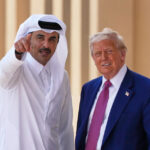
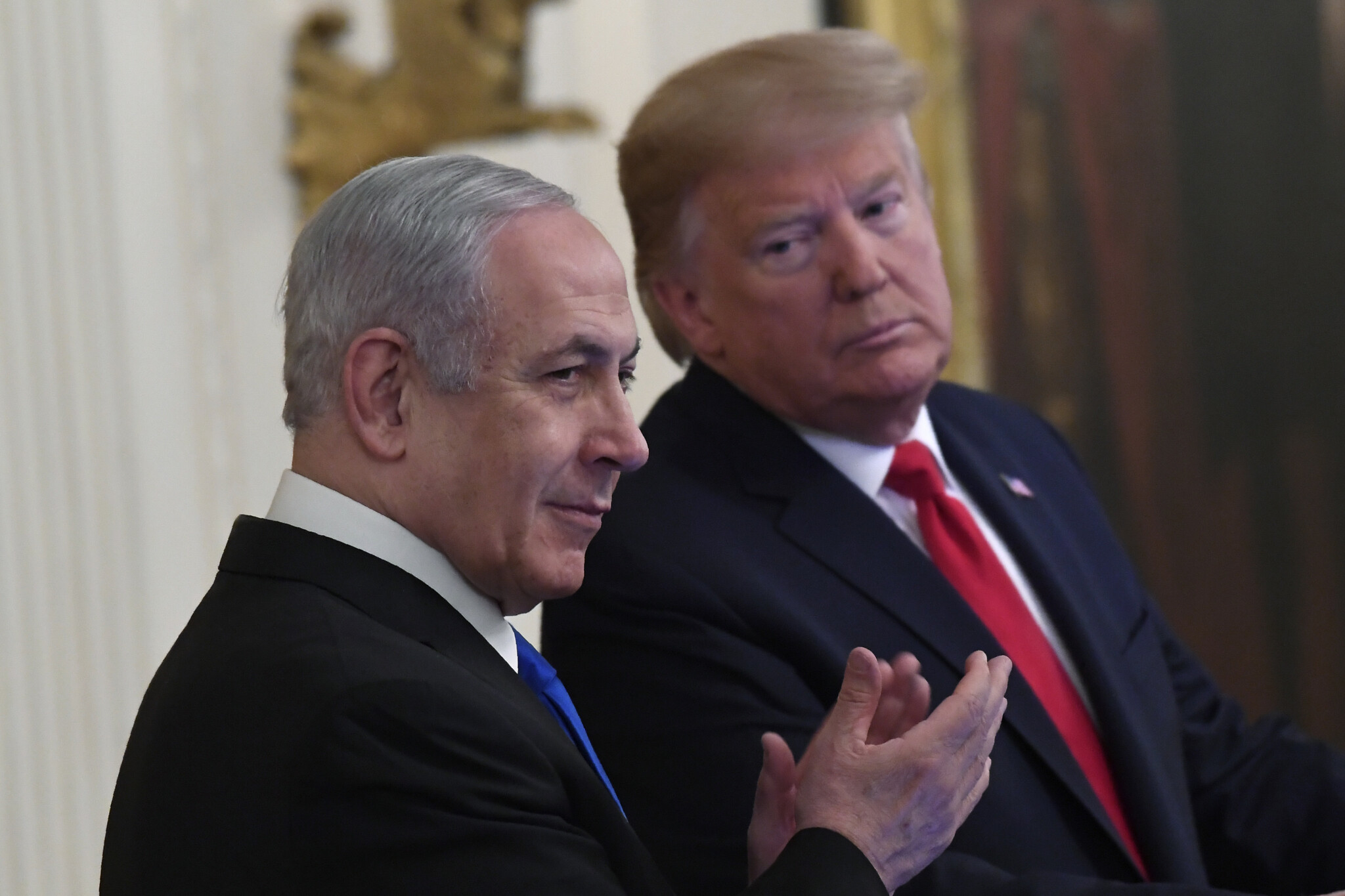
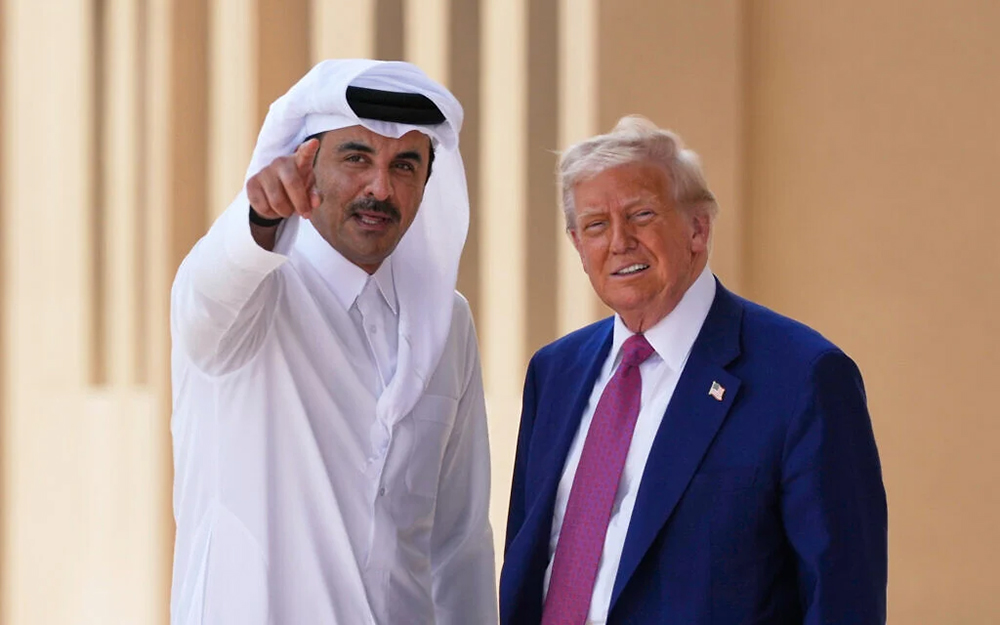
As The Algemeiner noted in its coverage, President Trump has publicly encouraged expanded Qatari investment in the United States. In May, Trump signed an economic agreement that officials indicated could generate approximately $1.2 trillion in economic output. Supporters of closer U.S.-Qatar ties argue that such investment contributes to economic growth, infrastructure development, job creation, and enhanced strategic cooperation. Critics, however, contend that economic relationships involving foreign governments require heightened scrutiny, particularly when those governments possess significant geopolitical ambitions.
The report also references widespread discussion surrounding a Boeing 747 aircraft being refurbished for potential governmental use. According to accounts cited in The Algemeiner report, the aircraft has been valued at approximately $400 million, further fueling debate about the optics and implications of Qatar’s financial engagement with the United States.
The core argument advanced by the FDD report is that Qatar’s investments should not be viewed solely through an economic lens. Instead, the study contends that many of these expenditures function as instruments of influence designed to strengthen Doha’s position within American political and institutional circles.
According to The Algemeiner report, the report identifies substantial expenditures on lobbying firms, public relations operations, policy organizations, and advocacy initiatives. FDD estimates that more than 70 lobbying and public relations firms have received approximately $240 million connected to Qatari interests. The report also estimates that at least $22.6 million has been directed toward think tanks and policy institutions.
FDD Executive Director Jonathan Schanzer expresses particular concern about what he characterizes as efforts to cultivate influence through sponsorships and public-facing events.
“Some of these investments include naked influence-peddling — from sponsorship of the annual congressional baseball game to annual White House correspondents’ dinner parties,” Schanzer writes in the report’s foreword, according to The Algemeiner report. “The Qataris spend an enormous amount on lobby groups and public relations, which helps ensure that their investments continue with minimal scrutiny.”
Such assertions are likely to generate debate among policymakers, foreign policy analysts, and advocates of closer U.S.-Qatar relations.
Among the most controversial aspects of the report is its examination of Qatar’s historical relationship with Hamas. As reported by The Algemeiner, FDD analysts argue that concerns regarding Qatar extend beyond ordinary geopolitical competition. “It is the country’s tendency to support jihadi causes in the Middle East that raises significantly more concern,” Schanzer writes. “The country’s horrific track record in this regard distinguishes Qatar from other Gulf states that spread their wealth in America.”
For years, Qatar has faced criticism from various analysts and governments regarding its relationships with Islamist movements across the region. Qatar has often defended its diplomatic engagements as necessary components of mediation efforts and regional diplomacy.
Nevertheless, according to The Algemeiner’s discussion of the FDD report, the think tank contends that these relationships should remain a central consideration when evaluating Qatar’s expanding influence in American institutions.
One of the largest areas of Qatari involvement identified in the report concerns defense and military cooperation. According to figures cited in The Algemeiner report, Qatar has invested approximately $8 billion in the development and maintenance of Al Udeid Air Base.
The installation serves as the largest U.S. military facility in the Middle East and remains a critical component of American operations throughout the region. The report indicates that Qatar intends to invest an additional $10 billion in the base in coming years. Meanwhile, Qatar has also become a major purchaser of American military equipment.
According to the FDD analysis, arms agreements between Qatar and the United States have totaled approximately $56 billion since 2011. Supporters of the bilateral relationship view these arrangements as evidence of strong strategic cooperation. Critics argue that such extensive defense ties can complicate policy debates when questions arise regarding regional conduct or political influence.
The report highlighted by The Algemeiner also examines Qatar’s presence within American educational institutions. FDD estimates that at least $8 million has been directed toward public schools since 2010. The report argues that educational funding deserves careful oversight because of its potential long-term cultural and political impact.
Meanwhile, the financial sector has reportedly attracted approximately $25 billion in Qatari investments. These investments encompass banks, investment firms, and broader Wall Street-related institutions.
The report suggests that such holdings provide Qatar with substantial economic influence within key segments of the American financial system.
While defense and education receive considerable attention, aviation and infrastructure represent the largest categories identified by the report. According to The Algemeiner’s summary of the findings, FDD estimates that more than $246 billion has been directed toward aviation, transportation, infrastructure, and related sectors. Such investments include partnerships, acquisitions, and financing arrangements involving critical assets and industries.
The report contends that these investments contribute to a broader strategy aimed at embedding Qatar deeply within essential components of the American economy.
The publication of the FDD study has added momentum to an ongoing debate regarding the role of foreign capital in shaping American institutions. Supporters of foreign investment frequently note its importance in generating employment, supporting innovation, strengthening markets, and fostering international partnerships. Others argue that investment originating from foreign governments should be examined differently from ordinary commercial activity.
According to The Algemeiner report, the FDD report falls firmly into the latter camp. Its authors contend that the combination of government-controlled investment vehicles, extensive lobbying expenditures, educational funding, defense partnerships, and media engagement creates a uniquely influential position for Qatar within the United States.
Whether policymakers ultimately embrace those conclusions remains to be seen. What appears certain, however, is that the report has intensified scrutiny of a relationship that has become increasingly consequential over the past two decades.
As discussions continue in Washington, the study highlighted by The Algemeiner is likely to remain a focal point in broader debates over foreign influence, national security, transparency, and the intersection of economics and geopolitics in an increasingly interconnected world.