















By: Justin Winograd
Senior Israeli security officials increasingly believe that Iran is exploiting ongoing indirect negotiations with the United States as a strategic instrument designed not to achieve a diplomatic breakthrough, but rather to gain valuable time to restore critical military capabilities, strengthen its geopolitical position, and shield itself from additional international pressure.
According to a report in The Jerusalem Post, Israeli intelligence and defense officials have concluded that discussions between Washington and Tehran have entered a prolonged period of stagnation, with little indication that substantive progress is being achieved despite continued diplomatic engagement.
Behind closed doors, Israeli officials reportedly view the negotiations through a far more skeptical lens. Rather than interpreting the talks as a pathway toward de-escalation, they believe Iran’s leadership is utilizing the diplomatic process as a protective mechanism that allows the Islamic Republic to pursue broader strategic objectives while avoiding more severe economic penalties or the prospect of renewed military confrontation.
The Jerusalem Post reported that Israeli officials assess the current diplomatic framework as providing Tehran with breathing room at a particularly critical moment. While international attention remains focused on negotiations, Iranian authorities are allegedly using the opportunity to address vulnerabilities exposed during recent military confrontations, reorganize elements of their defense infrastructure, and evaluate the future trajectory of their nuclear and military programs.
For Jerusalem, the concern extends far beyond the immediate status of diplomatic discussions.
Israeli defense planners reportedly fear that every additional week of diplomatic paralysis creates opportunities for Iran to improve its strategic position while reducing the effectiveness of potential future military options available to Israel and its allies.
According to The Jerusalem Post report, Israeli intelligence officials believe Iran is carefully managing the pace of negotiations in a manner intended to prevent either a diplomatic collapse or a decisive breakthrough. Such an approach allows Tehran to maintain a measure of international legitimacy while avoiding difficult concessions regarding its nuclear activities and regional ambitions.
This assessment comes at a particularly delicate juncture in Middle Eastern affairs, as governments throughout the region continue evaluating the consequences of months of military confrontation and diplomatic maneuvering.
Israeli officials reportedly have intensified monitoring efforts across multiple sectors within Iran.
According to The Jerusalem Post report, intelligence agencies are paying especially close attention to developments involving Iran’s enriched uranium stockpiles, internal political rivalries among competing factions of the Iranian leadership, and evolving military relationships that could influence the balance of power across the region.
Each of these factors is considered critical to understanding Tehran’s long-term intentions. The question of uranium enrichment remains perhaps the most consequential concern.
Israeli officials cited by The Jerusalem Post expressed alarm regarding Iran’s continued possession of approximately 460 kilograms of uranium enriched to 60 percent purity. Although not equivalent to weapons-grade material, uranium enriched to that level significantly shortens the technological pathway toward higher enrichment thresholds, making it a matter of profound concern for Israeli security planners.
One senior Israeli official quoted by The Jerusalem Post described the issue as deeply troubling, emphasizing that the future disposition of Iran’s enriched uranium stockpile remains among the most pressing unanswered questions confronting policymakers.
For Israeli defense officials, the concern is not simply the quantity of enriched material but also its location and survivability.
According to assessments referenced by The Jerusalem Post, substantial portions of the stockpile remain housed within hardened underground facilities designed to withstand military attack and complicate any future effort to neutralize the program through force.
The existence of such facilities has long been a central challenge for military strategists.
Israeli analysts reportedly believe that Tehran may be using the diplomatic lull to modify infrastructure associated with its nuclear program, potentially improving resilience against future military operations while simultaneously preserving plausible deniability regarding its intentions.
The Jerusalem Post report noted that Israeli officials increasingly view negotiations as serving a dual purpose for Iran. Publicly, Tehran can point to ongoing diplomatic engagement as evidence of its willingness to pursue dialogue. Privately, however, Israeli officials believe the regime may be leveraging that same process to enhance strategic flexibility and reduce external pressure. Another key factor influencing Israeli calculations is Tehran’s assessment of American political priorities.
According to The Jerusalem Post report, Israeli officials believe Iranian leaders have concluded that Washington is unlikely to pursue major military action during several high-profile events scheduled to take place in the United States.
Among those events are the 2026 FIFA World Cup and the celebrations surrounding the 250th anniversary of American independence on July 4. Israeli officials reportedly believe Iranian decision-makers view those occasions as periods during which the United States would seek to avoid large-scale military escalation that could disrupt domestic priorities or generate international uncertainty. If that perception exists within the Iranian leadership, Israeli officials fear it could encourage Tehran to adopt a more aggressive negotiating posture.
The Jerusalem Post reported that Israeli assessments suggest Iran may believe it possesses greater leverage than it did previously, enabling it to prolong talks while awaiting more favorable circumstances. Such calculations, if accurate, could significantly complicate efforts to achieve meaningful diplomatic progress.
The broader geopolitical landscape only adds to the complexity. Israeli officials cited by The Jerusalem Post describe an Iranian leadership grappling with significant internal disagreements regarding the country’s future direction. Some factions reportedly favor an extended ceasefire period and a concentrated focus on economic recovery and reconstruction following recent military confrontations. Others, particularly more hardline elements, are said to advocate continued resistance and retaliation against Israel and other regional adversaries.
These internal divisions create additional uncertainty for policymakers attempting to anticipate Tehran’s next moves. While competing factions may disagree regarding tactics, Israeli intelligence officials reportedly remain uncertain about how those debates will ultimately influence strategic decision-making at the highest levels of government.
Consequently, Israel continues to maintain a high degree of operational readiness. The Jerusalem Post reported that Israeli defense officials have emphasized the importance of sustained vigilance by intelligence agencies and ongoing preparedness by the Israel Air Force for potential long-range operations should circumstances require military intervention.
Such preparations do not necessarily indicate imminent action. Rather, they reflect the reality that Israeli security planners continue evaluating a broad range of scenarios, including the possibility that diplomacy may fail to produce tangible results.
Indeed, one of the central conclusions emerging from the assessments cited in The Jerusalem Post report is that diplomatic deadlock itself may represent a significant strategic risk. Unlike a successful agreement, which could establish clearer parameters and obligations, or a complete breakdown, which would force governments to reevaluate their options, prolonged stalemate creates ambiguity.
That ambiguity can benefit actors seeking additional time while frustrating those attempting to achieve definitive outcomes. Israeli officials reportedly believe Iran has become increasingly adept at operating within such environments. By maintaining participation in negotiations while avoiding major concessions, Tehran can reduce international pressure without fundamentally altering its strategic posture.
The Jerusalem Post’s report suggests that many Israeli officials view this dynamic as one of the most challenging aspects of the current situation. Compounding those concerns is the perception that American and Israeli priorities are not entirely identical.
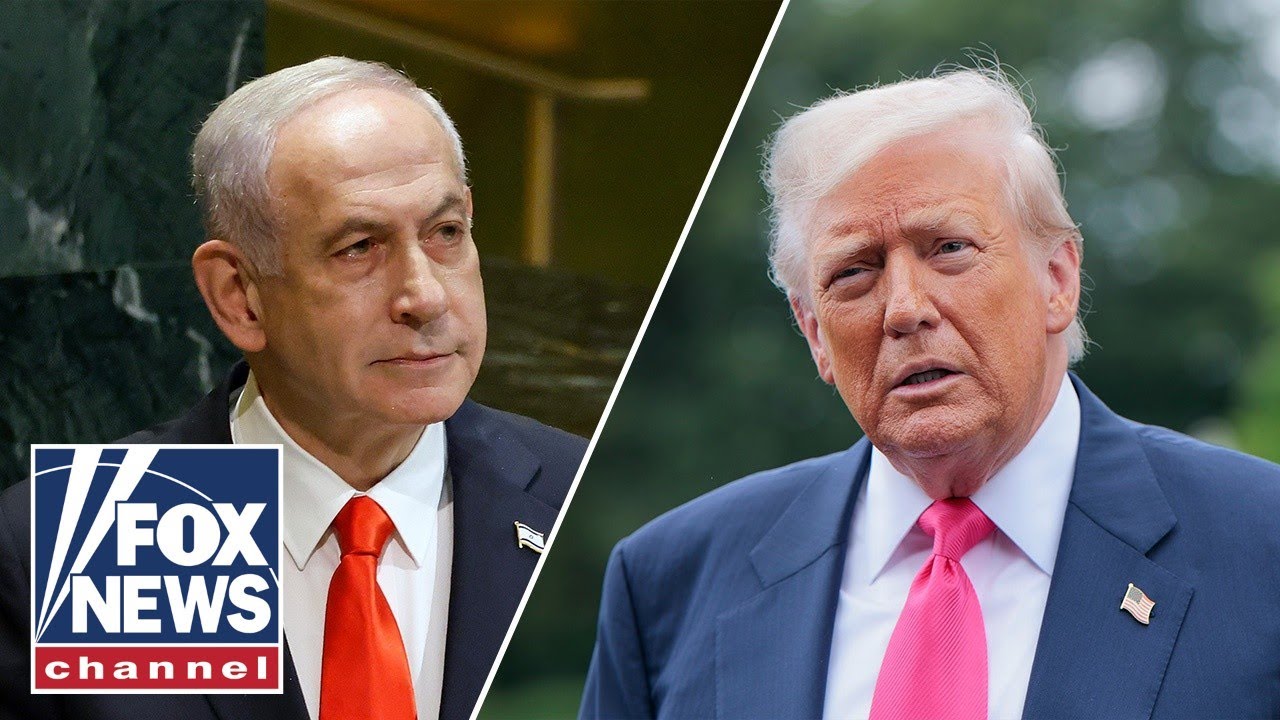
According to Israeli officials quoted by The Jerusalem Post, President Trump’s primary focus remains concentrated on preventing nuclear weapons development and preserving freedom of navigation through the Strait of Hormuz.
While those objectives are unquestionably important from Israel’s perspective, Israeli officials reportedly believe additional issues require equal attention. These include Iran’s ballistic missile program, efforts to rebuild military and defense industries damaged during previous confrontations, and continued support for armed groups operating throughout the Middle East.
Israeli officials reportedly fear that insufficient attention to those issues could allow Iran to strengthen aspects of its regional influence even if progress is achieved on nuclear-related matters. The Jerusalem Post report noted that many within Israel’s security establishment regard these concerns as inseparable components of a broader strategic challenge.
Addressing only one element, they argue, may leave other sources of instability unresolved. As a result, Israeli leaders continue to emphasize a comprehensive approach that encompasses military capabilities, regional influence, economic resources, and nuclear activities simultaneously.
Looking ahead, Israeli officials appear increasingly focused on contingency planning. According to The Jerusalem Post report, defense planners are preparing for the possibility that current diplomatic conditions may persist for an extended period and that negotiations could remain deadlocked for days, weeks, or potentially longer.
Such an outcome would require sustained intelligence collection, continued military readiness, and close coordination with allies. It would also necessitate ongoing monitoring of developments inside Iran, particularly regarding uranium enrichment, military reconstruction efforts, and evolving political dynamics within the regime.
For now, however, uncertainty remains the defining characteristic of the situation. Negotiations continue, yet meaningful progress appears elusive. Military tensions have diminished but not disappeared.
Political divisions inside Iran persist, while questions regarding the future of its nuclear program remain unresolved. As The Jerusalem Post report highlighted, Israeli officials view this combination of factors as deeply concerning. Their assessment suggests a growing belief that diplomacy, rather than serving as a vehicle for resolution, may be functioning as a strategic shield behind which Tehran is working to rebuild, reposition, and prepare for the next phase of an increasingly complex regional confrontation.
Whether those concerns ultimately prove justified remains to be seen. What is clear, however, is that Israeli policymakers are preparing for a scenario in which diplomacy alone may not be sufficient to address the challenges they believe continue to emerge from Tehran.