





















|
Getting your Trinity Audio player ready...
|
Rep. Jared Moskowitz Targeted by Antisemitic Voicemails as Threats Against Jews Rise in U.S
Report reveals a surge of antisemitic threats against Rep. Jared Moskowitz, including violent voicemails invoking Holocaust imagery and targeting Jews, raising national concern.
By: Yisroel David
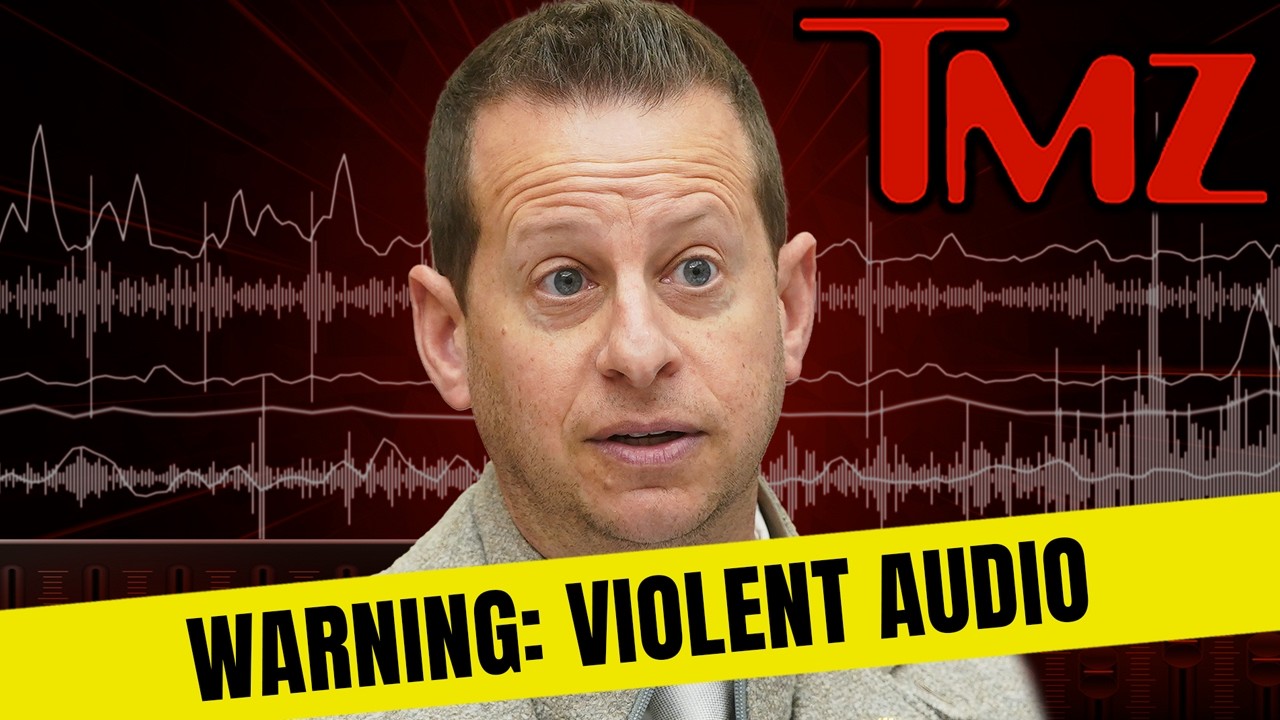
A deeply unsettling wave of antisemitic threats targeting Rep. Jared Moskowitz of Florida has ignited renewed concern over the intensifying climate of anti-Jewish hatred in the United States. According to a report on Friday by The Jewish News Syndicate (JNS), the Jewish congressman has been inundated with a series of vicious voicemails over the past six months, many of which contain explicit calls for violence against Jews, grotesque Holocaust references, and deeply rooted conspiracy theories.
The recordings, reviewed by JNS, offer a chilling glimpse into the normalization of hate speech in contemporary political discourse, where antisemitic rhetoric is not only proliferating but increasingly directed at public officials.
“These voicemails were from the last six months and represent a small sample size of the hateful voicemails the office receives,” a spokesperson for Moskowitz told JNS, underscoring that the examples made public reflect only a fraction of the abuse directed at the congressman’s office.
The content of the messages reveals a disturbing pattern of incitement. Callers repeatedly deployed antisemitic slurs, questioned Jewish identity, and issued direct threats against both Moskowitz and Jews more broadly.
One caller, in a particularly alarming message, stated bluntly: “The U.S. government needs to kill Jews.”
The same individual went on to delegitimize Jewish identity, declaring, “Israel is an abomination of fake Jews from Europe. Fake Jews.” The rhetoric escalated further as the caller framed Zionism as a betrayal of American values, asserting, “Zionism is treason to we the people and our U.S. Constitution,” before delivering a chilling threat: “If they claim to be God’s chosen people, you kill him dead.”
Such language reflects longstanding antisemitic tropes that seek to both erase Jewish identity and justify violence against Jews. As documented by JNS, these messages are not isolated outbursts but part of a broader pattern of ideological hostility.
Equally disturbing were explicit invocations of the Holocaust, weaponized as tools of intimidation. One caller referenced mass extermination in grotesque terms, stating, “How about 9 million of them. Trains are boarding to Germany. Showers available on request.”
The imagery is unmistakable, evoking the systematic murder of Jews during the Holocaust. Such rhetoric not only trivializes historical atrocities but signals an alarming willingness to echo the language of genocide.
The same caller directed personal attacks at Moskowitz, accusing him of heinous crimes and employing dehumanizing insults. These accusations, devoid of any factual basis, reflect a broader tactic of vilification frequently used against Jewish public figures.
Other messages targeted Moskowitz’s identity as an American. In one nearly 2-minute tirade, a caller declared, “You’re not a f****** American at all. You’re the Hitler.”
This inversion of historical reality—casting a Jewish lawmaker as a Nazi figure—illustrates the distorted narratives that underpin much of contemporary antisemitism. By reversing victim and perpetrator, such rhetoric seeks to erode moral clarity and legitimize hostility.
Another caller referenced media personality Tucker Carlson while launching into an antisemitic rant, stating, “You filthy maggots calling him a Nazi. You’re a piece of s***.” The blending of political grievance with antisemitic invective reflects a growing trend in which ideological disputes are used as vehicles for hate.
As JNS has reported, these incidents are emblematic of a broader and deeply concerning trend. Antisemitic rhetoric is increasingly visible across multiple platforms, often cloaked in political language but unmistakable in its intent.
For Rep. Moskowitz, the implications are both personal and professional. As a Jewish member of Congress, he is uniquely exposed to attacks that conflate his identity with contentious geopolitical issues, particularly U.S. support for Israel. The voicemails frequently referenced American foreign policy, suggesting that hostility toward Israel is being redirected toward Jewish individuals.
This conflation is a defining feature of modern antisemitism. Legitimate political debate is supplanted by collective blame, with Jews targeted not for their actions but for their identity.
The response to the revelations has been swift. The Democratic Majority for Israel issued a strong condemnation, describing the messages as “hateful and disgusting” and warning of the broader implications.
“All Americans deserve to live in peace without fear of prejudice and violence,” the organization stated, as quoted by JNS. “This behavior runs contrary to everything we believe in as a nation.”
Such statements reflect a growing consensus among advocacy groups that antisemitism must be confronted consistently and without qualification. The normalization of such rhetoric, they argue, creates conditions in which more serious acts of violence can occur.
Beyond the political ramifications, the human toll of these threats cannot be overlooked. For Moskowitz and his staff, the steady stream of hostile messages represents a persistent and unsettling reality. Public service, already fraught with challenges, becomes even more precarious when accompanied by threats of violence and hatred.
As the JNS report emphasized, the emotional and psychological impact of such harassment is significant, even if difficult to quantify. The need for enhanced protections—both for elected officials and for Jewish communities more broadly—has become increasingly urgent.
The broader implications of this episode extend far beyond a single congressional office. The language contained in the voicemails reflects a deeper societal issue: the reemergence and evolution of antisemitic ideology in modern America.
Far from being confined to the margins, such rhetoric is finding new avenues of expression, often amplified by digital platforms and political polarization. The persistence of these ideas underscores the necessity of vigilance and education.
Confronting antisemitism requires more than condemnation. It demands a sustained commitment to accountability, the enforcement of laws against hate-based threats, and a cultural rejection of rhetoric that dehumanizes any group.
As the JNS report makes clear, the experiences of Rep. Jared Moskowitz are not isolated. They are part of a broader pattern that demands urgent attention from policymakers, community leaders, and the public at large.
At its core, this issue transcends politics. It speaks to the fundamental values that define American society—tolerance, pluralism, and the rule of law.
The wave of antisemitic threats directed at Moskowitz serves as a stark reminder that these values cannot be taken for granted. They must be actively defended against those who seek to undermine them through hatred and intimidation.
“All Americans deserve to live in peace without fear,” the Democratic Majority for Israel stated. Ensuring that principle endures will require not only words, but decisive action.
In the face of such hatred, silence is not neutrality. It is complicity.