













NYC Professor Calls for Toppling ‘US Empire,’ Defends IRGC at DSA ‘Islamic Revolution’ Event
By: Chaya Abecassis
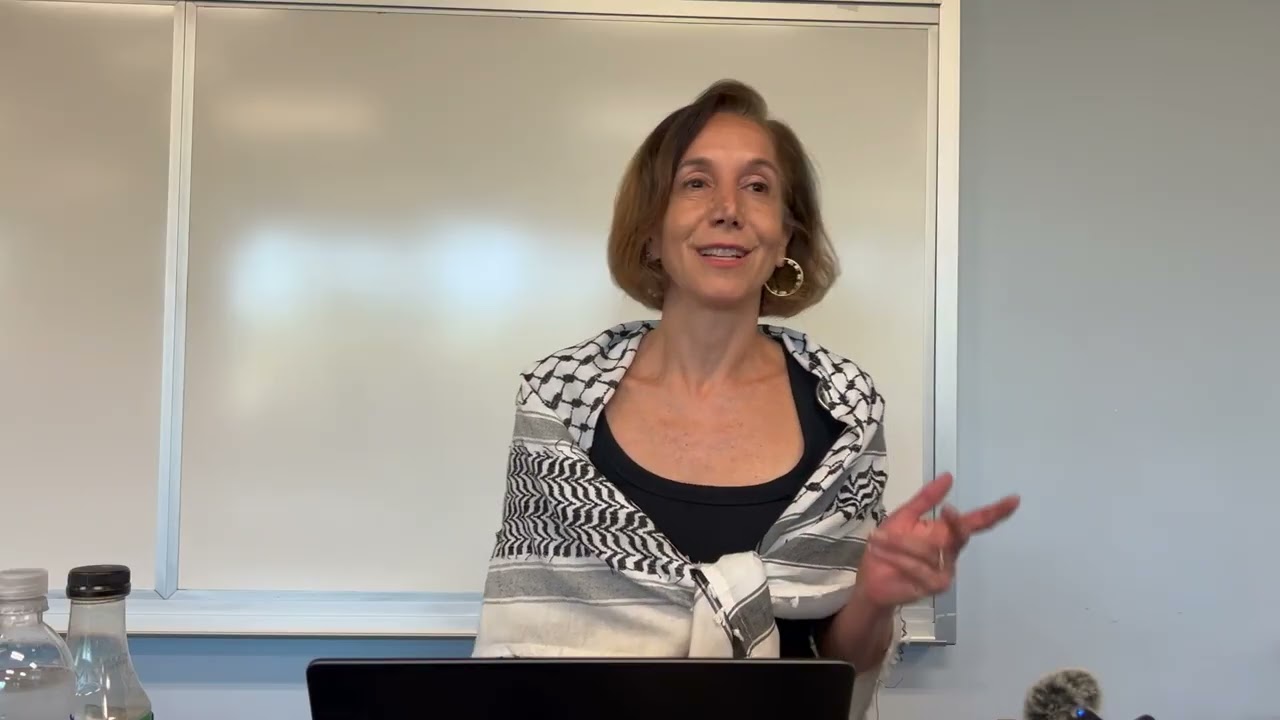
A political firestorm has erupted following remarks delivered by New York City political science professor Corinna Mullin during a recent gathering of the Democratic Socialists of America’s New York City chapter, where she offered a forceful critique of American foreign policy and expressed views on Iran that have drawn sharp condemnation from Iranian-American activists, democracy advocates, and critics across the political spectrum.
According to an exclusive report on Saturday in The New York Post, Mullin delivered an approximately 90-minute presentation described as an “Islamic Revolution Teach-in,” during which she argued that Iran has achieved strategic successes in its confrontation with the United States and its regional allies. The remarks, which were made before an audience of several dozen attendees, have since generated intense debate regarding the boundaries of academic discourse, political activism, and the propriety of publicly defending institutions associated with the Iranian government.
The controversy has also reignited scrutiny of Mullin’s previous activism, her academic career, and her relationship with institutions within New York City’s higher education system.
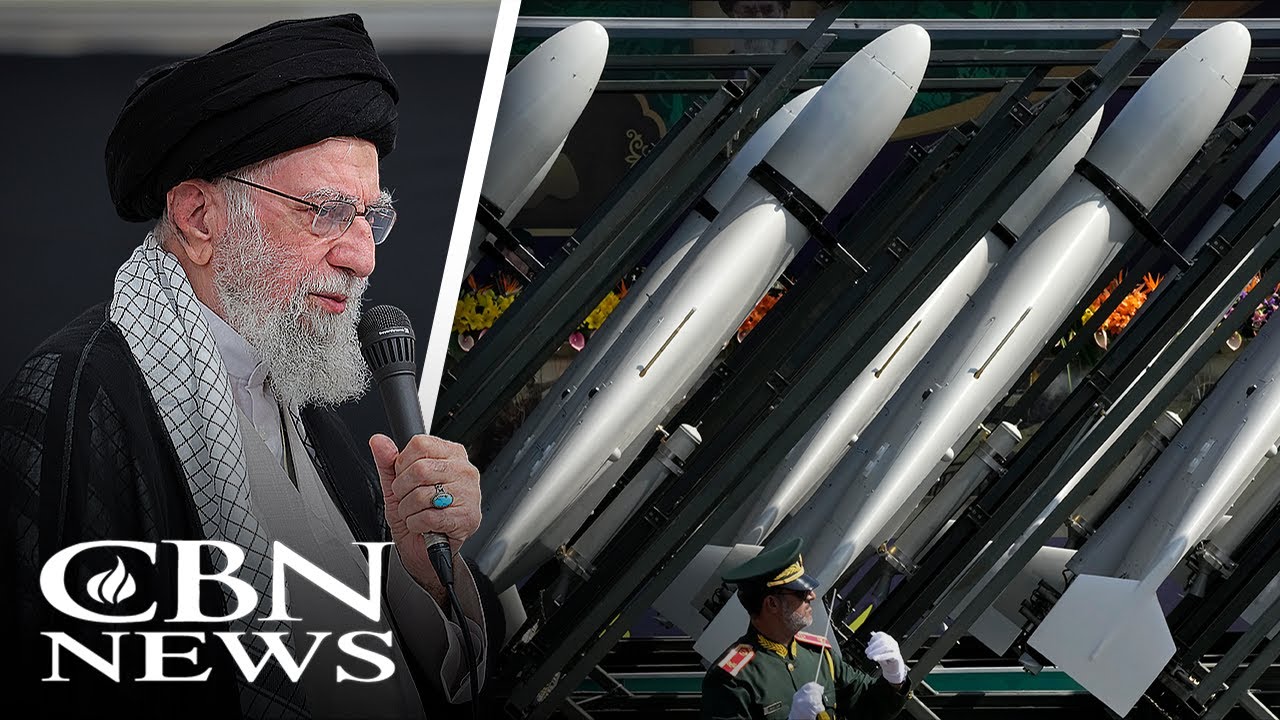
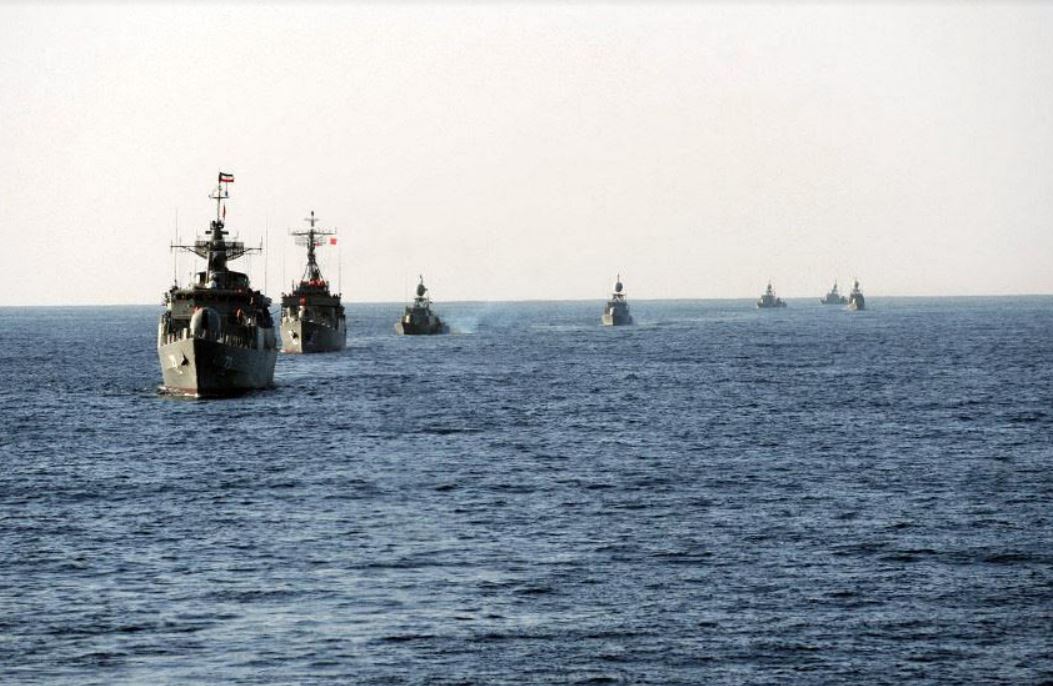
During the event, as reported by The New York Post, Mullin praised aspects of Iran’s military capabilities and argued that the country’s domestic defense industry had demonstrated effectiveness in challenging American influence throughout the Middle East. She contended that Iran’s military development had imposed significant costs on the United States and had complicated Washington’s ability to project power throughout the region.
The New York Post reported that Mullin characterized Iran’s military achievements as evidence of the country’s resilience and independence, framing her comments within a broader critique of what she described as American imperial power. According to the newspaper’s account of the meeting, she argued that opposition to U.S. foreign policy should remain a central priority for activists and political organizers.
Those comments immediately became the focal point of criticism from opponents who contend that any favorable discussion of institutions connected to the Iranian state ignores the government’s extensive record of repression and human rights abuses.
The New York Post noted that Mullin, whose academic work has focused extensively on anticolonialism, international politics, and critiques of Western power structures, presented Iran through a framework that emphasized economic sovereignty, resistance to foreign intervention, and support for what she characterized as working-class interests.
Throughout her presentation, according to The New York Post report, Mullin argued that military spending by Iran should be viewed within the context of national self-defense and resistance to external pressure. She suggested that nations facing geopolitical threats often allocate substantial resources toward military development in order to preserve their autonomy and protect domestic populations.
Her remarks reportedly included assertions that the Iranian state functions in support of working-class interests, a characterization that critics immediately challenged.
The controversy surrounding the event intensified further when members of the audience reportedly expressed enthusiastic support for Mullin’s presentation. The New York Post reported that several attendees praised her remarks and encouraged her to continue beyond her allotted speaking time.
Among those quoted by The New York Post was Democratic Socialists of America organizer Cass Roach, who reportedly argued that fear of being perceived as sympathetic toward the Iranian government has hindered broader anti-war activism in the United States.
Those comments have since become a major point of contention among critics who argue that opposition to war should not require minimizing or overlooking abuses committed by authoritarian governments.
The debate has unfolded against the backdrop of growing tensions in the Middle East and an increasingly polarized political environment in the United States, where discussions about Iran frequently intersect with broader disagreements concerning foreign policy, military intervention, sanctions, and regional security.
Mullin’s critics have argued that her presentation failed to acknowledge serious allegations regarding Iran’s treatment of political dissidents, women, journalists, religious minorities, and civil society activists. Human rights organizations have for years documented arrests, imprisonment, and other forms of repression directed at critics of the Iranian government.
Particularly controversial were reported comments in which Mullin praised aspects of gender inclusion within Iranian society. Critics argued that such statements overlooked widely documented restrictions affecting women and girls under Iranian law.
The New York Post reported that Mullin presented Iran as a society that prioritizes human welfare and social justice. Those characterizations were met with immediate backlash from Iranian-American advocates who contend that such descriptions bear little resemblance to the lived experiences of many Iranian citizens.
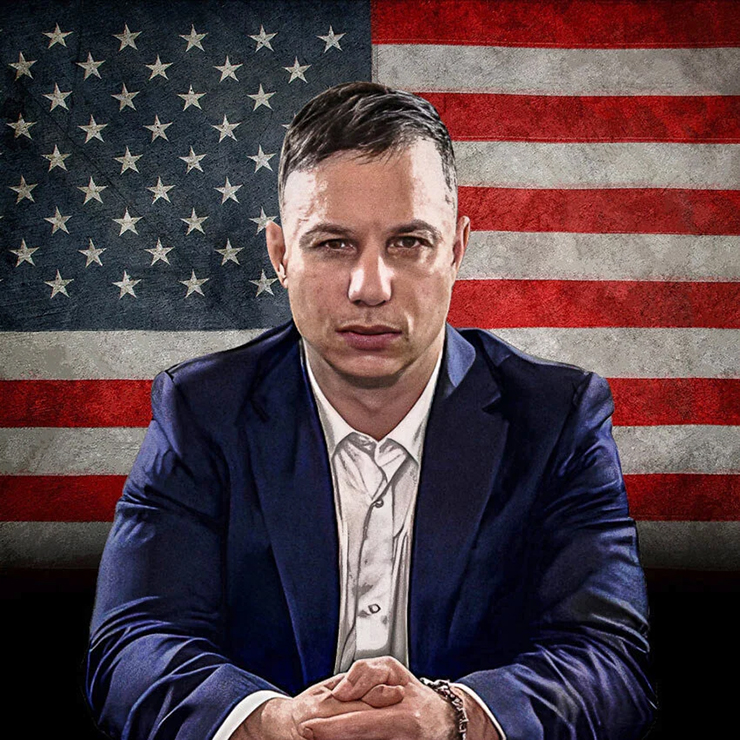
One of the most forceful responses came from Andrew Ghalili, Policy Director at the National Union for Democracy in Iran.
Speaking to The New York Post, Ghalili sharply criticized Mullin’s remarks and accused her of sanitizing institutions associated with the Iranian government. He argued that organizations linked to Iran’s security apparatus have long been responsible for severe violations of human rights and political freedoms.
According to The New York Post, Ghalili stated that efforts to portray such institutions as defenders of social justice represent a profound moral and factual distortion.
His comments reflect a broader frustration among many Iranian dissidents and expatriates who contend that segments of the Western political left have at times romanticized governments and movements that oppose the United States while paying insufficient attention to their domestic human rights records.
The controversy has also renewed public attention on Mullin’s own professional history. The New York Post reported that Mullin was previously dismissed from the City University of New York following her participation in activism connected to campus anti-Israel protests in 2024. Those demonstrations became the subject of widespread public debate and attracted significant media attention.
Following legal and administrative challenges, Mullin was later reinstated. However, questions reportedly remain regarding her current teaching status and institutional affiliations.
The New York Post report noted that inquiries directed toward both the City University of New York and The New School concerning Mullin’s employment status and her recent remarks were not immediately answered. Neither institution publicly commented on the controversy at the time of the newspaper’s reporting.
The incident also has implications that extend beyond the particulars of one professor or one political meeting. It highlights the growing tensions surrounding academic freedom and political activism in higher education.
Supporters of expansive free expression protections argue that professors and scholars must remain free to advance controversial, unpopular, or provocative viewpoints without fear of professional retaliation. They contend that universities exist precisely to foster debate about difficult political questions.
Critics counter that academic freedom does not shield ideas from scrutiny and that educators bear a responsibility to engage with historical facts and human rights concerns in a balanced and intellectually rigorous manner.
The clash between those competing principles has become increasingly visible on campuses across the United States, particularly as conflicts in the Middle East have generated passionate activism among students, faculty members, and political organizations.
The New York Post’s report has placed Mullin at the center of that broader national debate. For supporters, her presentation represented an attempt to challenge prevailing narratives about international politics and American power. For critics, it exemplified a troubling willingness to excuse or downplay the actions of authoritarian regimes when those governments position themselves in opposition to the United States.
As reactions continue to reverberate across political, academic, and activist circles, the controversy underscores how discussions about Iran, American foreign policy, and ideological movements remain among the most divisive issues in contemporary public life.
What began as a meeting of a local political organization has now evolved into a broader dispute over the limits of political advocacy, the responsibilities of university educators, and the role that intellectuals play in shaping public understanding of some of the world’s most contentious geopolitical conflicts.
The episode is likely to remain a flashpoint in ongoing debates over academia, activism, foreign policy, and freedom of expression for the foreseeable future.



