

























Goldman Rejects Anti-Israel House Measure as Challenger Lander Aligns With Left-Wing Critics of Jewish State
By: Tzirel Rosenblatt
The House of Representatives on Thursday decisively rejected a War Powers Resolution introduced by Michigan Democratic Rep. Rashida Tlaib that sought to limit American involvement related to Israel’s military operations against Hezbollah in Lebanon, according to a report on Friday at VIN News.
The measure was defeated by a substantial bipartisan margin, with 324 lawmakers voting against the resolution and 92 supporting it, underscoring the significant divisions that continue to shape congressional debate over U.S. policy toward Israel, Lebanon, and the broader Middle East.
Among those voting against the proposal was New York Democratic Rep. Dan Goldman, whose congressional district encompasses portions of Manhattan and Brooklyn and includes a substantial Jewish population. Goldman has consistently supported continued American assistance to Israel and has repeatedly argued that Israel faces ongoing security threats from both Hamas in Gaza and Hezbollah in Lebanon.
According to the information provided in the VIN News report, the failed resolution represented one of the latest efforts by progressive lawmakers to challenge existing U.S. support for Israeli military operations. Supporters of the measure argued that Congress should assert greater authority over military involvement and seek to reduce the risk of regional escalation. Opponents, however, contended that the proposal would undermine Israel’s ability to defend itself against armed terror groups backed by Iran.
The vote comes at a particularly sensitive moment in American politics, as debates surrounding Israel, Gaza, Lebanon, and U.S. foreign policy continue to generate sharp disagreements within both political parties, but especially among Democrats.
Goldman’s opposition to the resolution is consistent with his broader record on Middle East policy.
Throughout his tenure in Congress, Goldman has supported military assistance packages for Israel and has emphasized the strategic relationship between Washington and Jerusalem. He has frequently argued that Hezbollah, Hamas, and other Iranian-backed organizations pose significant security threats not only to Israel but also to broader regional stability.
Supporters of Goldman’s position contend that maintaining robust support for Israel serves both American and allied interests in a region that remains one of the world’s most volatile geopolitical arenas.
The overwhelming defeat of the resolution suggests that a large bipartisan majority of House members continue to support that view, even as criticism of Israeli military operations has become increasingly vocal in certain political circles.
Political analysts noted that the margin of defeat was particularly striking given the intense public debate surrounding the conflict and ongoing pressure from activist organizations seeking to alter American policy.
The House vote has also drawn attention because of its implications for New York’s evolving political landscape. According to the VIN News report, former New York City Comptroller Brad Lander, who is challenging Goldman in the Democratic primary for New York’s 10th Congressional District, publicly expressed disappointment over the resolution’s failure.
Lander indicated that he would have supported the measure and aligned himself with members of the Congressional Progressive Caucus who favored restricting U.S. involvement related to the conflict.
In comments referenced by VIN News, Lander criticized both American and Israeli leadership regarding the situation in Lebanon and expressed concerns about the humanitarian consequences of the conflict. His position reflects a broader movement within parts of the Democratic Party that has become increasingly critical of Israeli military operations and more supportive of efforts to impose conditions on American assistance. Such proposals risk weakening a key American ally at a time when Israel faces ongoing threats from armed groups operating across multiple fronts.
The dispute between Goldman and Lander highlights a larger ideological divide that has emerged within the Democratic Party over Israel and the Middle East.
For decades, support for Israel enjoyed broad bipartisan consensus in Washington. Recent years have witnessed growing disagreement among Democratic lawmakers regarding the appropriate balance between supporting Israel’s security and addressing humanitarian concerns arising from regional conflicts.
The debate has intensified since the Hamas attacks of October 2023 and the subsequent military campaigns that followed in Gaza and elsewhere in the region.
Many centrist Democrats continue to emphasize Israel’s right to defend itself against terrorist organizations and view military assistance as an essential component of that effort. Progressive Democrats, meanwhile, have increasingly called for restrictions on military aid, greater diplomatic pressure, and stronger criticism of Israeli government policies.
The vote on Tlaib’s resolution provided another clear illustration of those competing perspectives.
Despite vocal advocacy from progressive lawmakers, the resolution failed to attract sufficient support to pose a serious challenge in the House.
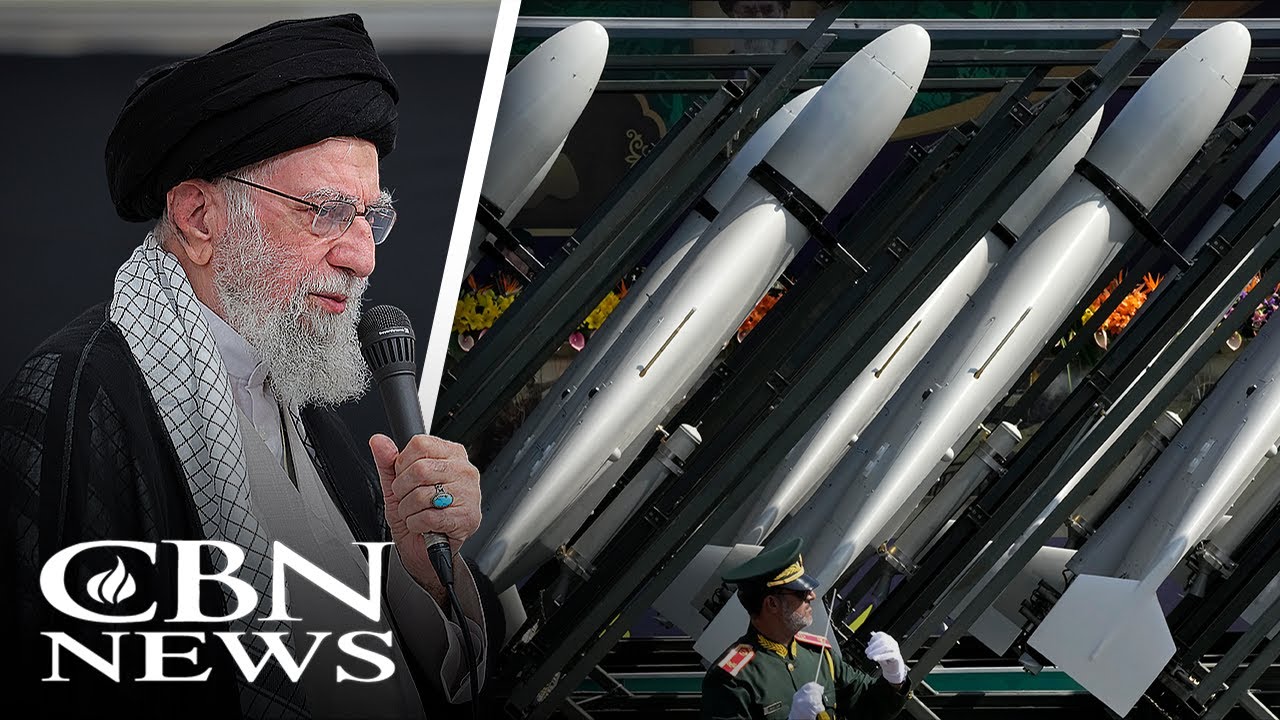
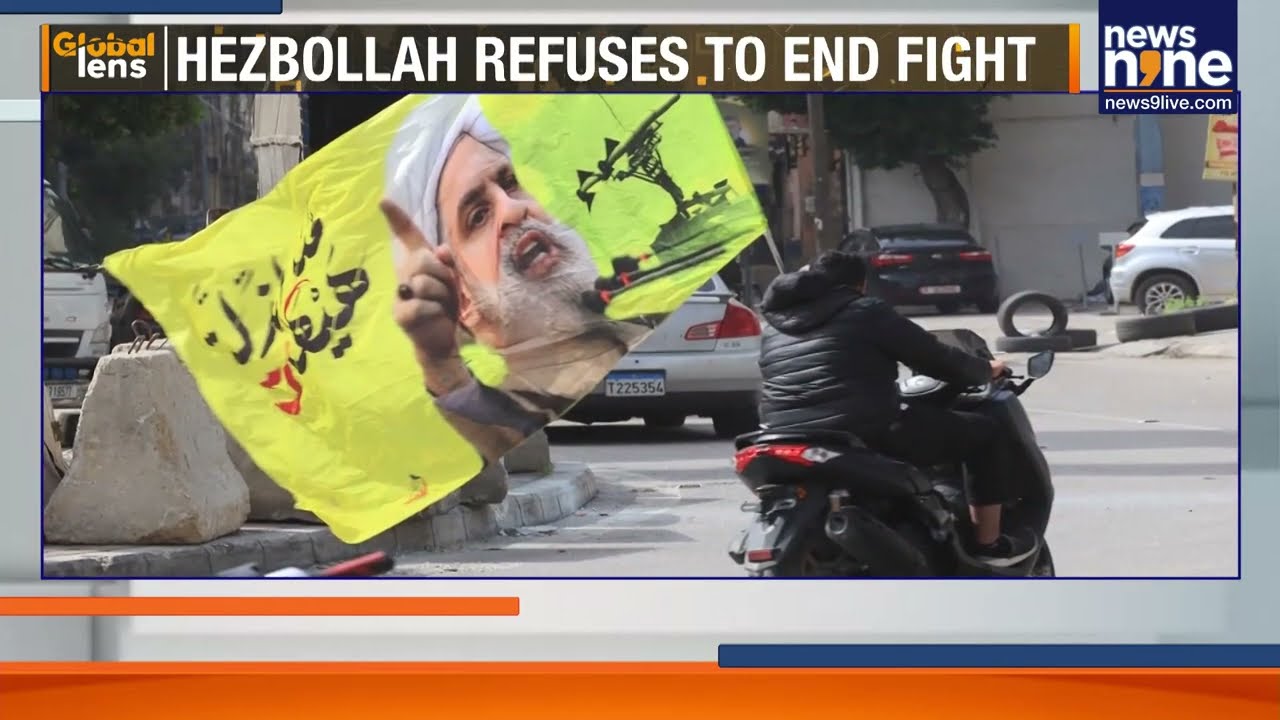
At the center of the debate is Hezbollah, the Iran-backed terror organization that has long maintained a significant military presence in Lebanon. The United States has designated Hezbollah as a terrorist organization, and American officials have repeatedly accused the group of destabilizing activities throughout the Middle East. Israeli officials argue that Hezbollah’s extensive missile arsenal and military infrastructure pose an immediate threat to Israeli civilians living near the northern border.
Those concerns have intensified amid broader regional tensions involving Iran and its network of allied organizations. Supporters of continued American backing for Israel argue that limiting support during such circumstances would send a dangerous signal to hostile actors throughout the region. Opponents counter that military escalation risks expanding the conflict and increasing civilian casualties.
As the June 23 Democratic primary approaches, foreign policy has emerged as one of several issues distinguishing Goldman and Lander. While domestic concerns such as housing, transportation, public safety, and economic affordability remain central to many voters, the Israel debate has become increasingly significant within portions of the district.
Observers note that New York’s 10th Congressional District contains diverse constituencies with varying perspectives on Middle East policy. The district’s substantial Jewish population has traditionally maintained strong interest in U.S.-Israel relations, while progressive activists have increasingly advocated for alternative approaches.
Goldman and Lander have consequently found themselves representing different wings of the Democratic coalition on one of the party’s most contentious issues.
Beyond the immediate political ramifications, Thursday’s vote offered a snapshot of the current balance of opinion in Congress. Despite growing debate over Middle East policy, lawmakers overwhelmingly rejected the effort to curtail support connected to Israel’s campaign against Hezbollah. For supporters of the U.S.-Israel alliance, the result demonstrated enduring bipartisan backing for Israel’s security needs.
As regional tensions continue and political campaigns intensify, the issues raised by the resolution are likely to remain at the forefront of congressional and electoral debates in the months ahead. According to reporting cited by VIN News, the vote not only reflected divisions over foreign policy but also served as a revealing indicator of the broader ideological struggle unfolding within the Democratic Party as it grapples with competing visions of America’s role in the Middle East.



