


























|
Getting your Trinity Audio player ready...
|
By: Fern Sidman
As negotiations continue over a proposed agreement intended to bring an end to the latest phase of confrontation between the United States, Israel, and the Islamic Republic of Iran, a growing chorus of concern is emerging within Israel’s defense establishment regarding what many officials view as a potentially dangerous omission from the developing framework.
According to a report on Thursday by The Jerusalem Post, senior Israeli military officials are increasingly alarmed that Iran’s expanding ballistic missile arsenal may remain largely untouched by any final diplomatic arrangement, creating the possibility that future conflicts could inflict significantly greater devastation on Israel’s civilian population than many policymakers currently anticipate.
The concerns reflect a broader strategic debate unfolding inside Israel’s security establishment as military planners attempt to assess the long-term consequences of a ceasefire and diplomatic process that may address aspects of Iran’s nuclear ambitions while leaving untouched one of Tehran’s most formidable conventional military capabilities.
For the Israel Defense Forces and particularly the Home Front Command, the issue extends far beyond abstract diplomatic discussions. It concerns the practical reality of protecting millions of Israeli civilians against increasingly sophisticated missile systems capable of striking deep inside the country with devastating force.
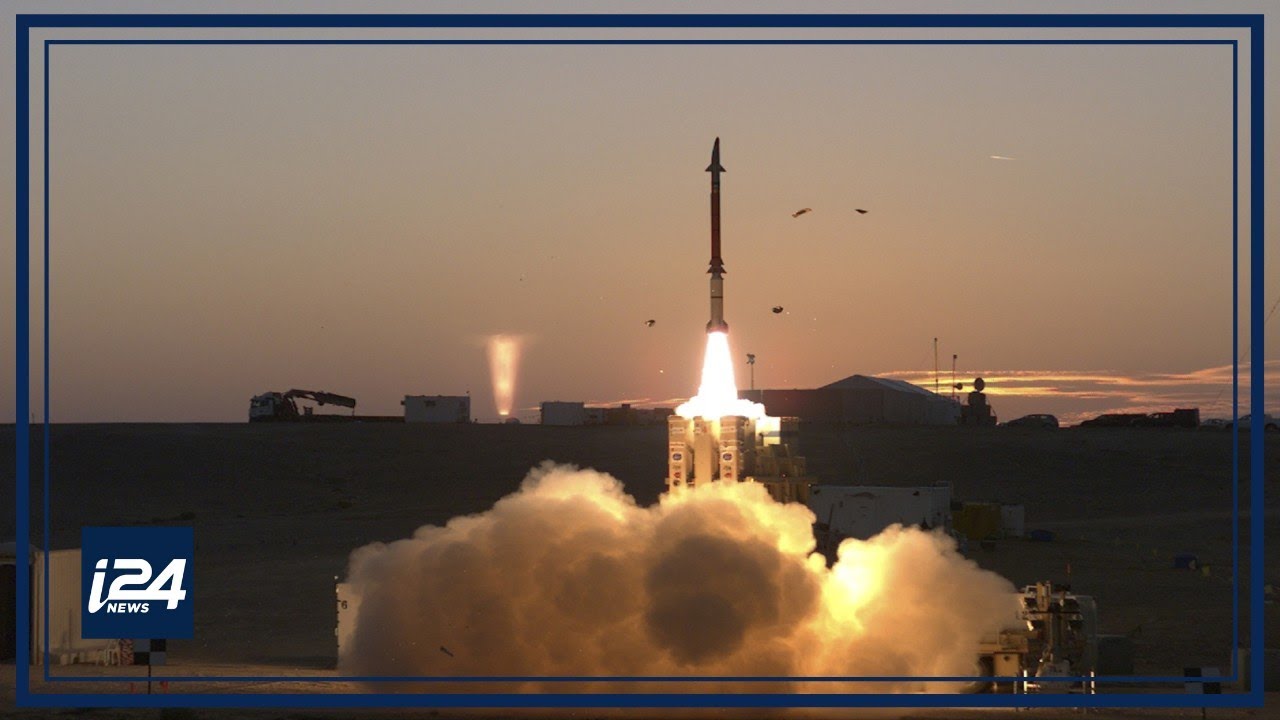
According to The Jerusalem Post report, Israeli military assessments indicate that Iran not only possesses substantial ballistic missile capabilities but continues to invest heavily in developing larger, faster, and more advanced systems capable of penetrating missile defenses and causing extensive destruction.
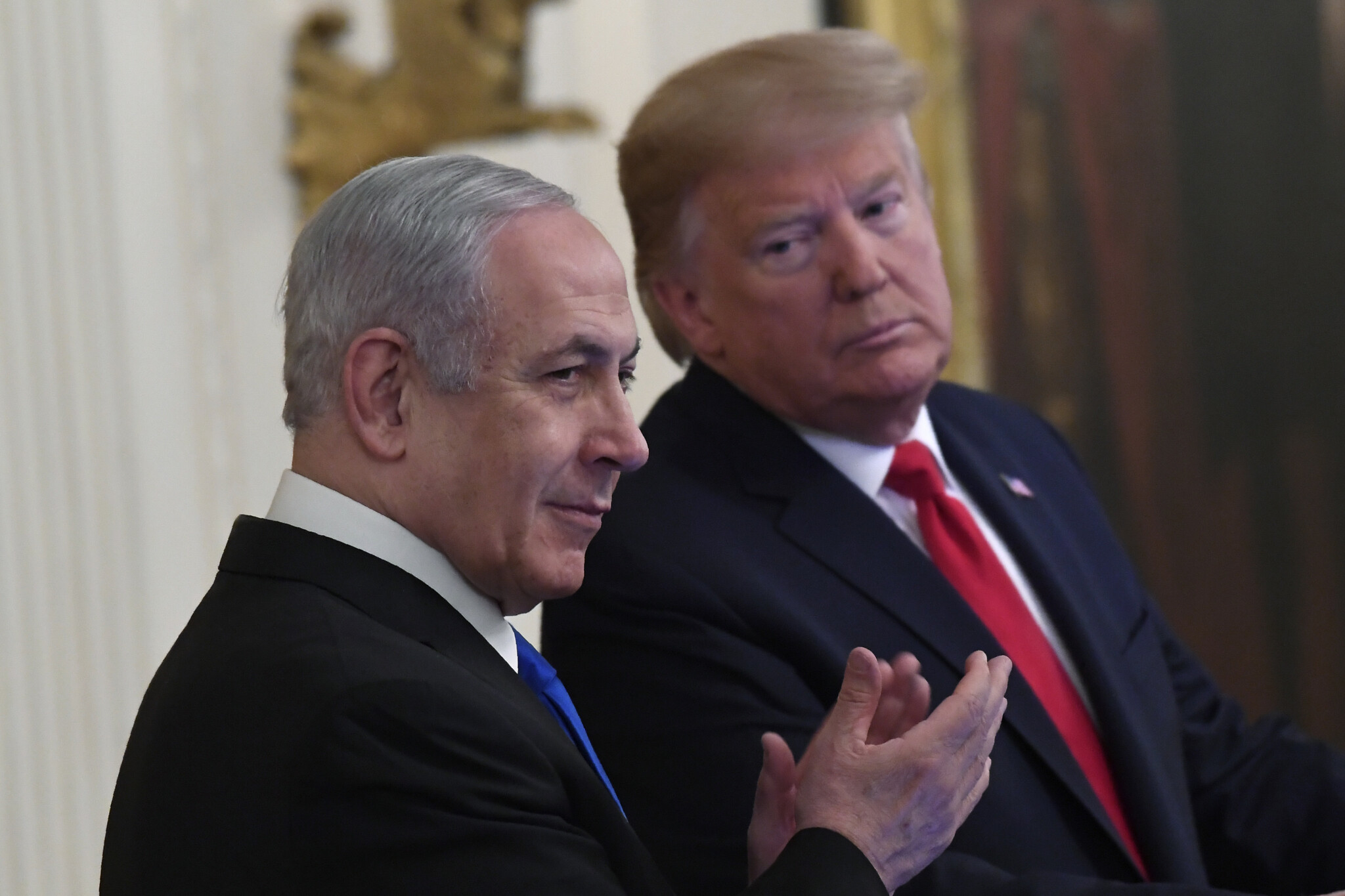
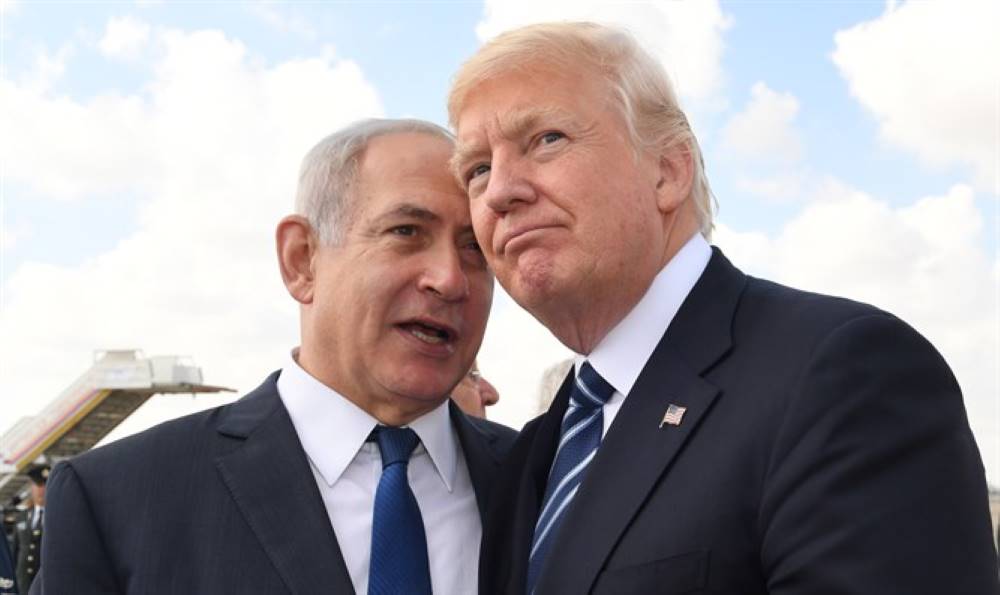
These concerns have become increasingly pronounced as details of the emerging diplomatic framework backed by President Trump have begun to surface.
Israeli officials cited by The Jerusalem Post fear that the proposed agreement is expected to leave the ballistic missile issue either largely unaddressed or entirely outside the scope of negotiations.
For military planners tasked with evaluating future threats, such an outcome raises difficult questions about whether a diplomatic agreement could successfully reduce immediate tensions while simultaneously preserving one of Iran’s most significant offensive capabilities.
A senior defense source familiar with the assessments reportedly indicated that while nuclear issues understandably dominate international attention, ballistic missiles represent an equally critical component of Iran’s strategic arsenal.
Military analysts note that ballistic missiles have become a cornerstone of Iranian defense doctrine over the past two decades.
Unlike conventional air forces, which require extensive infrastructure and are vulnerable to preemptive attacks, ballistic missile forces can be dispersed, concealed, and launched with relatively little warning.
Iran has invested enormous resources into developing a missile network capable of reaching targets throughout the Middle East, including virtually every major population center in Israel.
According to The Jerusalem Post report, Home Front Command officials have been carefully reviewing lessons learned from the most recent conflict.
The command originally prepared for a military confrontation expected to last between 30 and 60 days.
That planning reflected the assessment that any major conflict involving Iran would likely evolve into a prolonged campaign characterized by sustained missile attacks, air operations, cyber warfare, and regional proxy activity.
However, military officials acknowledged that many of the critical decisions regarding the trajectory of the conflict remained outside Israel’s direct control.
The Jerusalem Post reported that Israeli military leaders stated that they did not determine when the fighting would begin, when it would intensify, when pauses would occur, or when hostilities would formally conclude.
Those decisions, officials noted, were heavily influenced by the United States and broader diplomatic considerations.
The report indicated that President Trump at one point established a 4-week timeline for military operations before subsequently extending that period to six weeks as conditions evolved.
Israeli officials reportedly viewed those extensions as evidence of the fluid nature of the conflict and the challenges inherent in managing a rapidly changing battlefield.
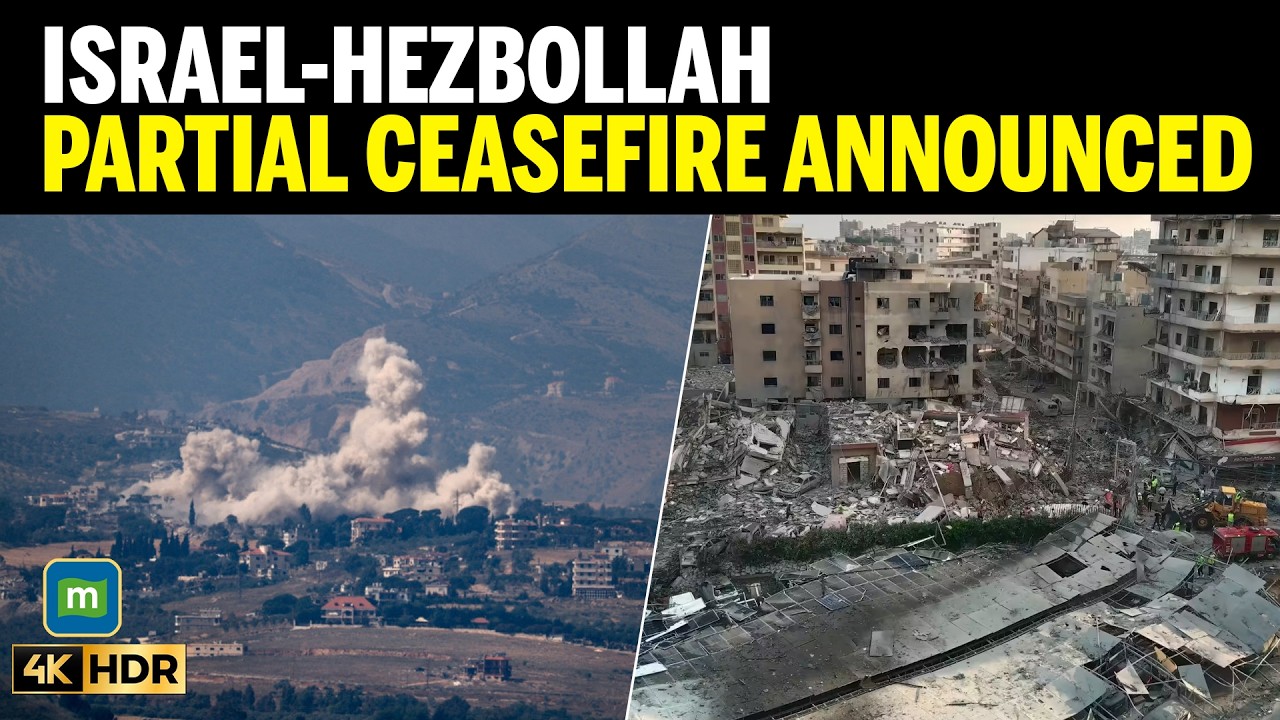
Yet despite the extensions, concerns persisted regarding what defense officials characterized as unresolved risks associated with the possibility of renewed hostilities following the ceasefire reached on April 7.
Military planners remain wary that pauses in active combat do not necessarily eliminate underlying threats.
Instead, they often create periods during which adversaries regroup, replenish stockpiles, refine tactics, and prepare for future confrontations.
The ballistic missile issue sits at the center of those concerns.
Even amid uncertainty surrounding the negotiations, Israeli defense officials acknowledged that the most recent conflict produced outcomes that, in some respects, exceeded expectations.
Home Front Command assessments concluded that the overall damage sustained by Israel during the 2026 war was lower than the destruction experienced during the intense 12-day conflict with Iran in June 2025, as was indicated in The Jerusalem Post report.
That finding surprised some analysts who had anticipated a much higher level of devastation.
Military officials attributed part of the reduced damage to the unprecedented degree of American military involvement during the conflict.
Unlike previous confrontations in which Israel often carried the overwhelming burden of military operations, the 2026 campaign reportedly involved simultaneous American and Israeli strikes against Iranian military infrastructure.
These coordinated attacks significantly reduced Tehran’s ability to launch large-scale missile barrages, according to The Jerusalem Post report.
By targeting launch facilities, command centers, logistical hubs, and other critical infrastructure, Israeli and American forces reportedly degraded portions of Iran’s offensive capabilities before they could be fully employed.
Defense experts note that such preemptive and simultaneous operations can dramatically influence the effectiveness of missile campaigns.
Every launcher destroyed before firing represents missiles that never enter the battlefield.
Every disrupted command center complicates operational coordination.
Every logistical node eliminated reduces the adversary’s ability to sustain prolonged operations.
The report also highlighted another factor that contributed to reducing the impact on Israel.
According to military assessments cited by The Jerusalem Post, when Iran did launch missiles, more than 60%—and according to some estimates substantially more—were directed toward countries other than Israel.
That distribution of fire significantly reduced the concentration of attacks aimed at Israeli population centers and strategic assets.
Nevertheless, military officials caution against drawing overly optimistic conclusions from those statistics.
Future conflicts may unfold under entirely different circumstances.
Strategic conditions could change.
Regional alliances could shift.
Operational priorities could evolve.
Most importantly, Iran’s missile inventory may continue to expand and improve if left unaddressed by future agreements.
Israeli defense planners are particularly concerned about advancements in missile accuracy, maneuverability, survivability, and payload capacity.
Modern ballistic missiles increasingly incorporate sophisticated guidance systems capable of improving precision against both military and civilian targets.
Such developments could potentially magnify the consequences of future attacks even if the number of missiles launched remains unchanged.
The Home Front Command has therefore intensified efforts to enhance civilian preparedness.
Officials continue investing in warning systems, shelter infrastructure, emergency response capabilities, and public resilience initiatives designed to mitigate the effects of future missile attacks.
Yet military leaders privately acknowledge that defensive measures alone cannot fully neutralize the threat posed by an expanding ballistic missile arsenal.
For that reason, many within Israel’s defense establishment continue arguing that any comprehensive agreement with Iran should directly address missile capabilities alongside nuclear concerns.
Supporters of that approach contend that focusing exclusively on nuclear issues risks overlooking a major source of instability.
Critics of the emerging framework fear that a deal which postpones or limits nuclear risks while leaving missile development untouched could ultimately create new strategic challenges in the years ahead.
As negotiations continue, Israeli officials remain closely engaged with their American counterparts while carefully monitoring every development.
As was reported by The Jerusalem Post, the central concern remains unchanged: that future wars could unfold under less favorable conditions than those experienced during the most recent conflict.
The combination of evolving missile technology, regional uncertainty, and unresolved strategic disputes has left many military planners convinced that the current ceasefire should not be mistaken for a permanent resolution.
Instead, they view it as a temporary pause within a broader confrontation whose ultimate contours remain uncertain.
For Israel’s defense establishment, the lesson emerging from recent experience is clear. Diplomatic progress may reduce immediate dangers, but the long-term challenge posed by Iran’s ballistic missile program remains one of the most consequential security questions facing the Jewish state.
As negotiations move forward and world leaders debate the contours of a potential agreement, Israeli military officials appear determined to ensure that the issue does not disappear from the strategic conversation.
In their view, the future security of Israel’s civilian population may depend upon it.



