






















|
Getting your Trinity Audio player ready...
|
By: Max Schleifer
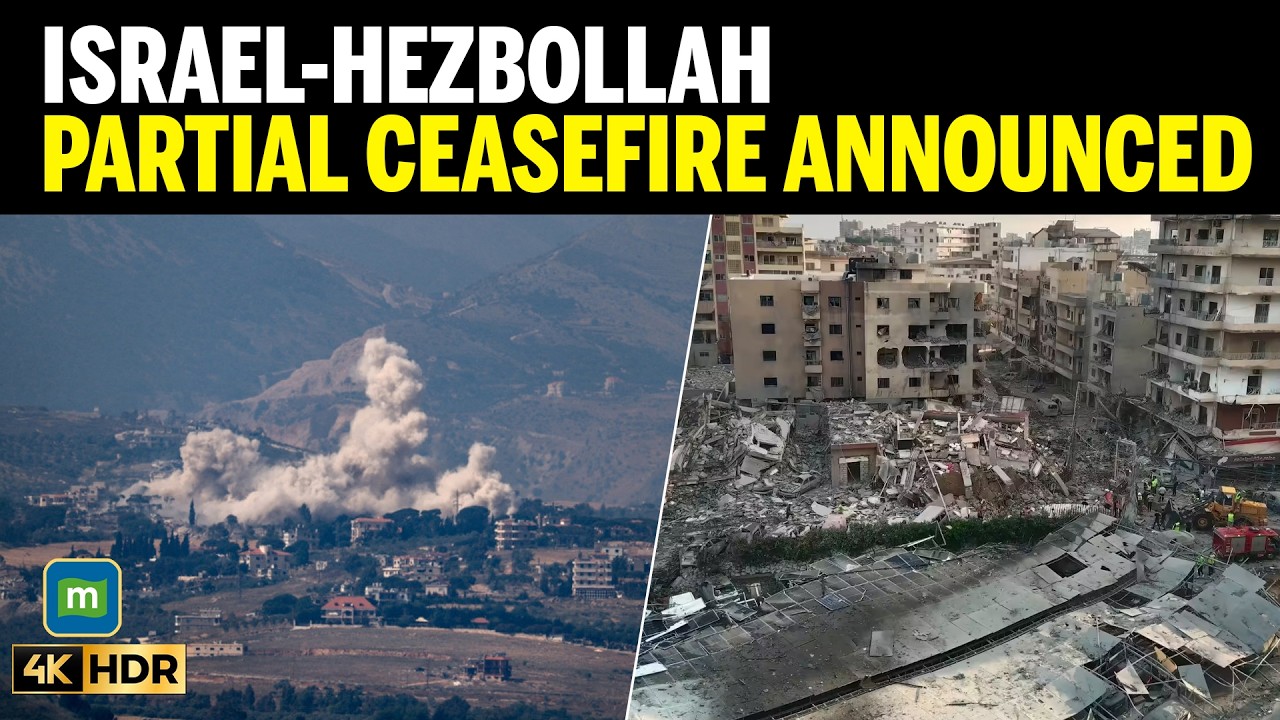
As tensions along Israel’s northern frontier continue to intensify amid persistent Hezbollah aggression and mounting regional instability, American officials have reportedly instructed Israel to provide advance notification before conducting targeted eliminations in Lebanon while simultaneously clarifying that Washington does not support the destruction of large residential or commercial structures during such operations. The revelations, first reported by Channel 12 and widely discussed on Thursday by Israel National News as a principal source of reference, underscore the increasingly delicate balance between Israel’s operational imperatives and the Biden administration’s efforts to prevent the conflict from spiraling into a broader regional conflagration.
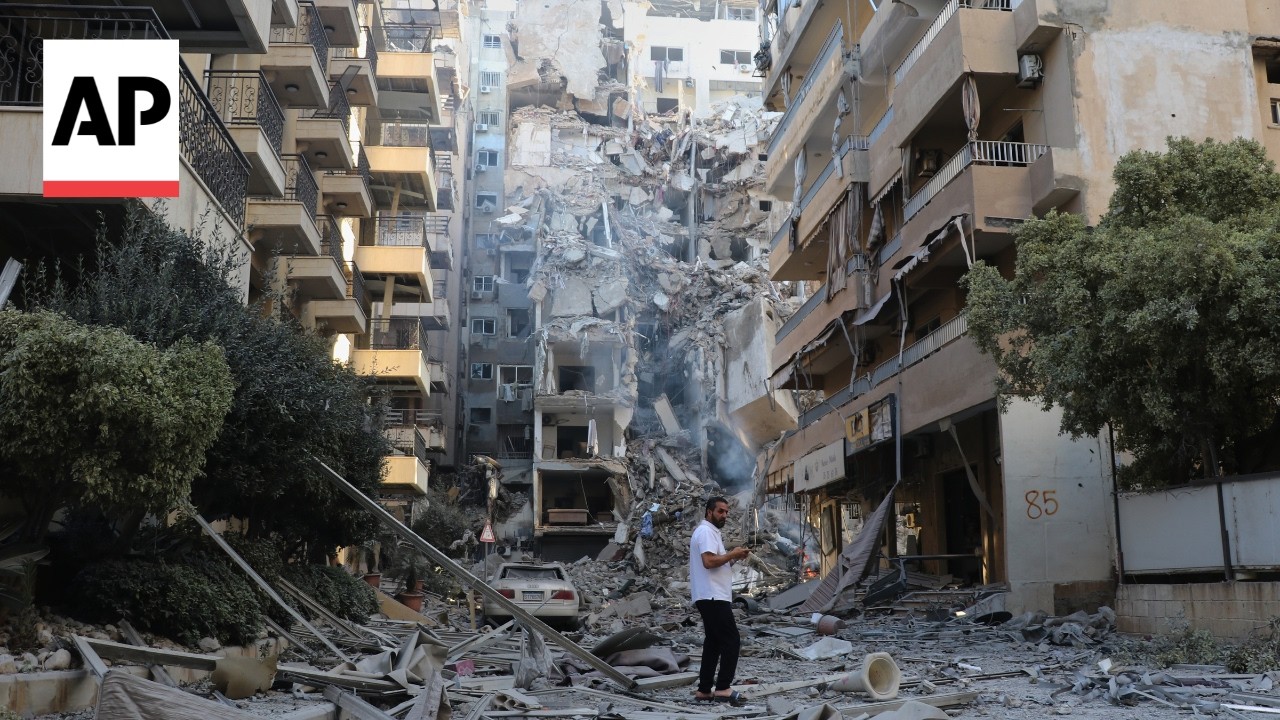
According to Israeli sources cited in the report, the United States was informed in advance regarding a recent Israeli strike in Beirut that reportedly targeted Ali al-Husseini, a senior commander overseeing the missile array of Hezbollah’s Imam Hussein Division, a force closely associated with Iranian strategic interests and the broader Tehran-backed axis operating throughout the region.
While the Americans were reportedly not surprised by the operation itself, the episode highlighted the expanding framework of coordination that now governs Israeli military activity in Lebanon. Israel National News reported that extensive military, diplomatic, and intelligence channels remain active between Jerusalem and Washington, with Israeli officials increasingly compelled to brief their American counterparts before major operational actions are undertaken.
The attempted elimination of al-Husseini was viewed inside Israel’s defense establishment as potentially significant due to his alleged role in advancing Hezbollah’s missile infrastructure and coordinating strategic capabilities linked to Iran’s regional military apparatus. Israeli defense analysts quoted by Israel National News emphasized that Hezbollah’s evolving missile and drone programs remain among the gravest threats confronting Israel’s national security establishment.
“He was not viewed as a symbolic figure,” one Israeli source reportedly familiar with the discussions said. “He was considered part of the operational spine connecting Hezbollah’s missile units to Iranian strategic planning.”
The report suggested that Israeli officials held extensive consultations before deciding upon the operational framework ultimately employed in Beirut. During those deliberations, multiple options were examined, including broader aerial strikes against Hezbollah strongholds. However, according to Channel 12 and subsequently cited by Israel National News, American objections to collapsing buildings during targeted operations significantly narrowed Israel’s available tactical choices.
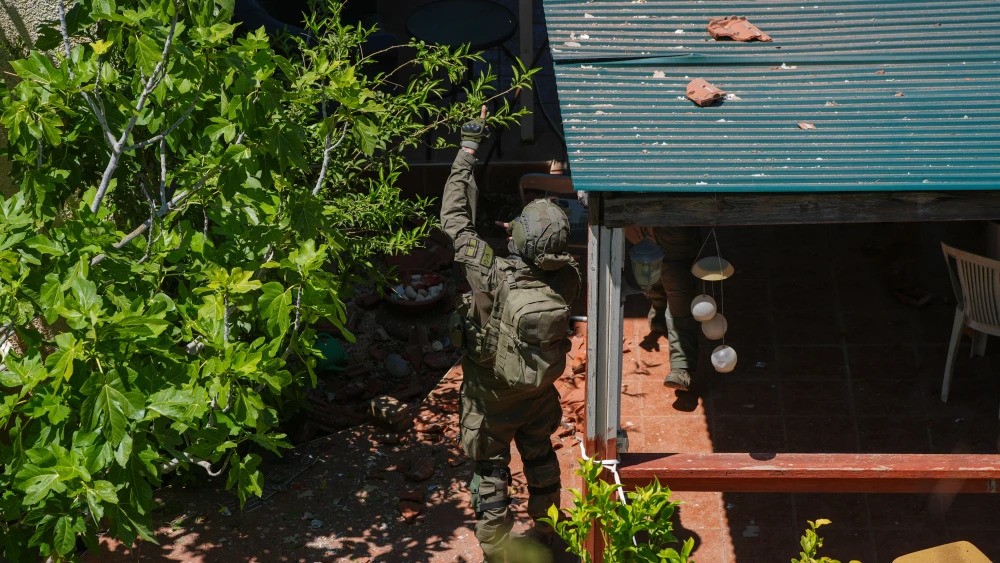
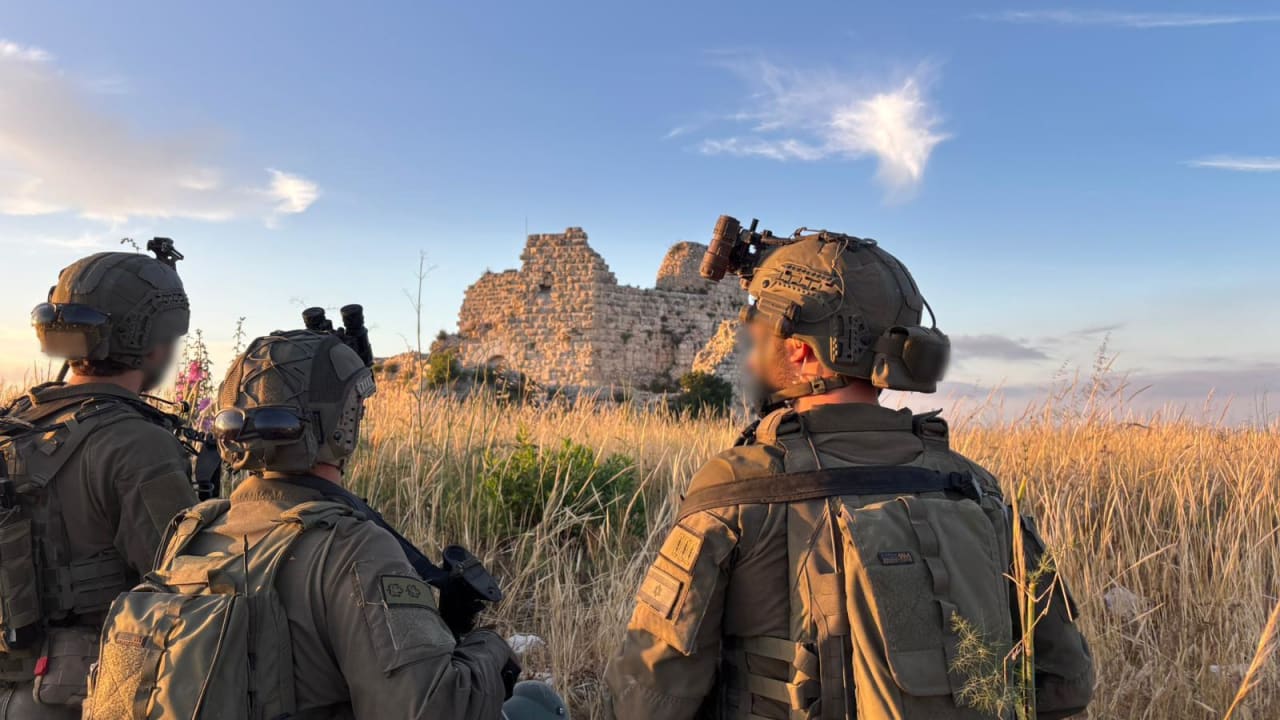
As a result, Israeli planners reportedly selected a more limited operational approach involving ground territorial actions rather than large-scale aerial bombardment capable of causing extensive structural destruction.
The American position reflects growing concern in Washington regarding the possibility that highly destructive strikes inside Beirut or southern Lebanon could trigger international condemnation, destabilize ongoing diplomatic efforts, or provoke a wider confrontation involving Iran and its regional proxies.
At the same time, the United States has continued to publicly affirm Israel’s right to defend itself against Hezbollah attacks, particularly after months of sustained rocket fire, missile launches, and explosive drone attacks directed at northern Israeli communities.
The situation along the northern border has deteriorated dramatically since Hezbollah intensified hostilities following the October 7 Hamas massacre and the subsequent war in Gaza. Tens of thousands of Israeli civilians remain displaced from communities near the Lebanese frontier, while Hezbollah has continued launching drones, anti-tank missiles, and barrages of rockets into Israeli territory.
Israeli officials quoted by Israel National News have increasingly warned that Hezbollah’s drone warfare capabilities pose a uniquely dangerous challenge. Unlike traditional rocket fire, explosive drones are capable of penetrating air defenses, evading radar systems, and striking strategic or civilian targets with little warning.
According to the report, Israeli military officials now acknowledge that limited ground incursions inside Lebanon may not fully resolve the escalating drone threat. In fact, some within the Israeli defense establishment reportedly fear that expanding Israeli troop deployments across larger areas of southern Lebanon could inadvertently create additional targets for Hezbollah drone operations.
“The drone issue remains highly problematic,” one Israeli source reportedly stated. “Every expansion of troop presence potentially increases vulnerability.”
The growing sophistication of Hezbollah’s aerial capabilities has profoundly altered the strategic calculus confronting Israel’s military leadership. While the Israeli Air Force maintains overwhelming superiority in conventional air power, Hezbollah’s asymmetrical warfare tactics — heavily supported by Iranian technology and training — continue to create operational complications that traditional military doctrine was not designed to address.
Israel National News reported that Israel’s current objective is not necessarily to launch a full-scale war against Hezbollah at this stage, but rather to exact a substantial operational and psychological price on the terror organization in response to its sustained aggression.
Nevertheless, Israeli officials reportedly remain deeply concerned that additional explosive drone incidents could occur in multiple locations in the coming weeks.
“This is not a closed chapter,” one source reportedly warned. “Further incidents are possible at any moment.”
The American insistence on prior notification also reveals the degree to which Washington remains anxious about sudden escalatory developments that could rapidly engulf the region. The Middle East currently sits at an extraordinarily volatile crossroads, with simultaneous tensions involving Iran, Hezbollah, Hamas, the Houthis in Yemen, and ongoing negotiations surrounding Tehran’s nuclear ambitions.
American policymakers appear determined to maintain sufficient visibility into Israeli operations to prevent surprises that could undermine diplomatic initiatives or inadvertently trigger direct Iranian intervention.
At the same time, Israeli officials remain adamant that Jerusalem retains the sovereign right to act decisively against existential threats.
Prime Minister Benjamin Netanyahu has repeatedly emphasized that Israel will not permit Hezbollah to entrench advanced missile systems and offensive infrastructure along the northern border. Defense Minister Israel Katz has similarly warned that continued Hezbollah provocations could eventually compel Israel to undertake far broader military measures.
Military analysts interviewed by Israel National News noted that the current coordination mechanisms between Israel and the United States reflect both extraordinary strategic cooperation and occasional friction over tactics.
On one hand, Washington continues supplying Israel with critical military assistance, intelligence cooperation, and diplomatic backing. On the other hand, American officials have increasingly sought to influence how Israeli operations are conducted, particularly regarding civilian infrastructure and escalation management.
Some Israeli commentators have privately expressed concern that operational restrictions imposed through diplomatic pressure could complicate Israel’s ability to neutralize rapidly evolving threats.
Others argue that maintaining close strategic alignment with Washington remains indispensable given the broader regional landscape and Iran’s expanding influence.
The Beirut strike targeting al-Husseini therefore emerged as more than a singular military event. It became emblematic of the complex strategic environment now confronting Israel: a nation simultaneously fighting a multifront conflict, preserving international alliances, countering Iranian expansionism, and attempting to restore deterrence after unprecedented security challenges.
The broader question now confronting Israeli policymakers is whether limited tactical operations and calibrated retaliatory measures can successfully deter Hezbollah without triggering full-scale war.
Many defense officials increasingly doubt that such equilibrium can hold indefinitely.
Hezbollah’s leadership, meanwhile, continues projecting defiance. The Iranian-backed organization has repeatedly denied responsibility for certain attacks while simultaneously glorifying what it calls “resistance operations” against Israel.
Despite diplomatic efforts aimed at containing the violence, military experts cited by Israel National News warn that the northern front remains extraordinarily combustible.
Every targeted elimination, every drone interception, every cross-border strike now carries the potential to ignite a dramatically wider confrontation involving multiple regional actors.
For now, the operational choreography between Jerusalem and Washington remains intact, albeit under growing strain.
Israel continues asserting its determination to defend its citizens and eliminate emerging threats, while the United States attempts to restrain escalation without undermining Israel’s strategic objectives.
Whether those dual goals can continue to coexist amid an increasingly volatile battlefield may become one of the defining geopolitical questions confronting the Middle East in the months ahead.



