




























|
Getting your Trinity Audio player ready...
|
By: Julie Herndon
A fourth wave of rocket fire struck central Israel on Friday, sending millions of civilians scrambling for safety and underscoring the persistent volatility of a conflict that continues to test the resilience of the country’s population and emergency infrastructure. While no fatalities were reported in this latest barrage, the psychological and physical toll of repeated attacks remains profound, as communities from Tel Aviv to Jerusalem and beyond endured another day of sirens, interceptions, and uncertainty.
According to a report on Friday by Ynet News, one of the most notable incidents occurred in the city of Rehovot, where a residential home sustained significant damage after being struck by debris from an intercepted missile. The destruction inside the house was extensive, with shattered walls, broken windows, and structural disruption evident throughout the property. Yet in a testament to Israel’s civil defense measures, the family inside the home survived unharmed, having taken refuge in a reinforced security room designed precisely for such emergencies.
Emergency responders arriving at the scene confirmed that while the physical damage was considerable, no direct injuries were sustained by the occupants. However, several individuals in the surrounding area suffered minor injuries while rushing to shelters during the sirens—an increasingly common occurrence as civilians react to the urgency of incoming threats.
The barrage marked the fourth such attack on central Israel within a single day, reflecting a sustained and coordinated effort to target densely populated regions. As Ynet News reported, warning sirens sounded repeatedly across a broad swath of the country, including the Shfela and Lachish regions, the Jerusalem area, and parts of the West Bank.
In the Dan region—home to Tel Aviv and its surrounding metropolitan area—alerts were triggered as residents were instructed to seek immediate shelter. The repetition of these warnings throughout the day created an atmosphere of heightened tension, with daily routines repeatedly interrupted by the need to respond to potential danger.
The geographic spread of the alerts highlights the expansive reach of the missile launches, demonstrating both the scale of the threat and the capacity of Israel’s early warning systems to provide critical, life-saving notifications.
Simultaneously, communities in northern Israel faced their own wave of alerts. Sirens sounded along the Lebanese border, particularly in areas near the Upper Galilee, as rocket fire and suspected drone activity prompted further defensive measures.
Residents in these northern communities were instructed to enter shelters following warnings of incoming projectiles and a possible aerial infiltration. The dual-front nature of the alerts—central and northern regions experiencing simultaneous threats—illustrates the complexity of the current security environment.
As noted by Ynet News, the involvement of multiple theaters in a single day’s events reflects a broader pattern of escalation, in which various fronts are activated in tandem, stretching defensive resources and testing the coordination of response systems.
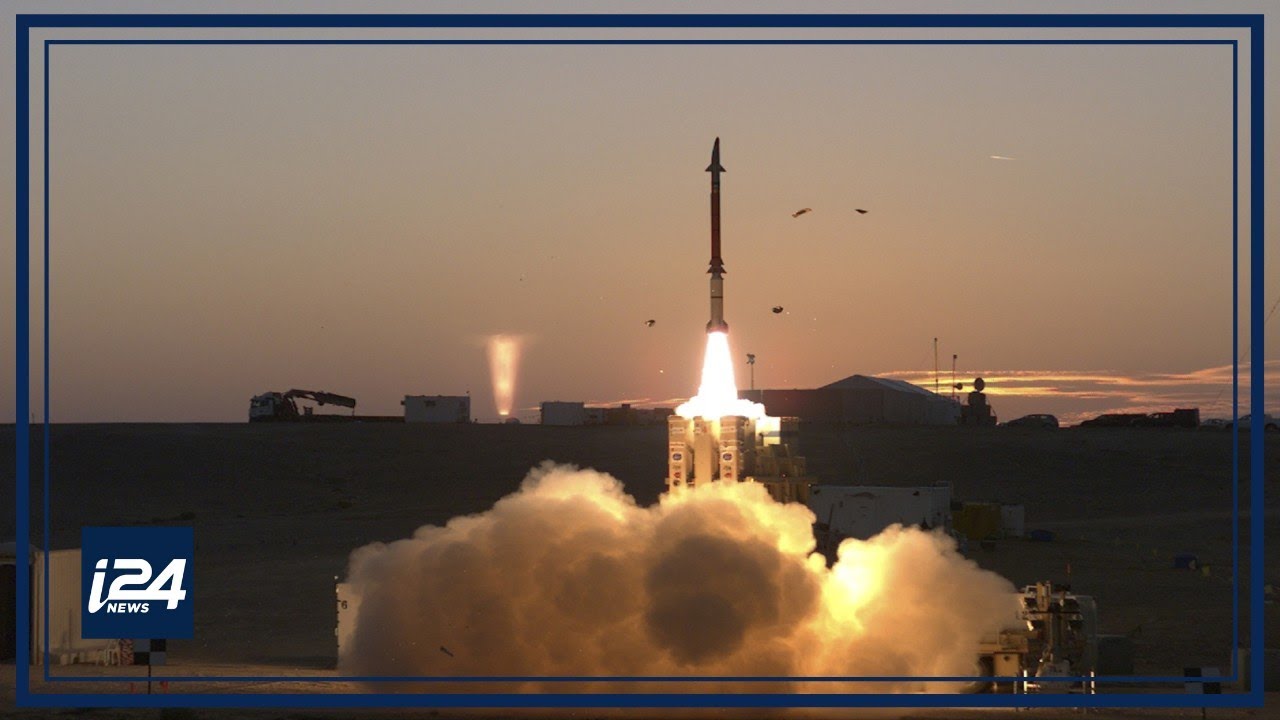
Central to Israel’s ability to mitigate the impact of these attacks is its layered missile defense system, which includes advanced interception technologies designed to neutralize incoming threats before they reach populated areas. In the Rehovot incident, it was precisely such an interception that prevented what could have been a far more devastating outcome.
However, as this case also demonstrates, the interception process is not without its own risks. Falling debris from destroyed projectiles can still cause damage and pose a danger to civilians, particularly in densely populated areas.
Despite these challenges, the overall effectiveness of the defense systems is evident in the absence of fatalities during the latest barrage. As the Ynet News report emphasized, the combination of early warning systems, public preparedness, and reinforced infrastructure has played a critical role in safeguarding lives.
The experience of the family in Rehovot serves as a microcosm of the broader civilian response to ongoing threats. The use of reinforced rooms—standard in many Israeli homes—has become a cornerstone of national preparedness, providing a measure of protection against both direct hits and secondary hazards such as shrapnel and debris.
Yet the psychological impact of repeated alarms and the constant need to seek shelter cannot be overlooked. For many residents, particularly those in frequently targeted areas, the sound of sirens has become an almost routine aspect of daily life, a reality that carries significant emotional and mental health implications.
The minor injuries reported during the rush to shelters further highlight the urgency with which civilians must act, often under conditions of extreme stress. These incidents, while not life-threatening, are indicative of the broader strain placed on communities by sustained periods of heightened alert.
The absence of fatalities in this latest wave of attacks offers a measure of relief, but it does not diminish the seriousness of the situation. The continued launch of rockets and drones, coupled with the activation of multiple fronts, suggests that the conflict remains far from resolution.
As Ynet News reported, the pattern of repeated barrages reflects a strategic effort to maintain pressure on Israeli population centers, testing both the physical defenses and the psychological resilience of the civilian population.
At the same time, the effectiveness of Israel’s defensive measures underscores the importance of preparedness and technological innovation in mitigating the impact of such threats.
Friday’s events serve as a stark reminder of the realities faced by civilians in conflict zones, where the line between normalcy and emergency can shift in an instant. The image of a damaged home in Rehovot—its occupants safe but its interior in ruins—captures both the vulnerability and the resilience that define this moment.
As the sirens fade and the immediate danger subsides, the broader questions remain unresolved. How long can such a cycle continue? What measures can be taken to reduce the frequency and intensity of these attacks? And what will it take to restore a sense of stability to a region that has become accustomed to living under threat?
For now, the answer lies in the enduring capacity of communities to adapt, to respond, and to persevere in the face of ongoing uncertainty.



