



















|
Getting your Trinity Audio player ready...
|
Washington, Tehran Eye Fresh Talks in Pakistan Later This Week Even as Naval Blockade Persists
By: Julie Herndon
In a moment defined by both escalating strength and cautious diplomacy, efforts to bring an end to the ongoing conflict with Iran appear poised to reenter a critical phase, with renewed negotiations potentially unfolding in Pakistan within days. As reported by Reuters on Tuesday and further analyzed by The Algemeiner, the evolving situation reflects a complex interplay between military leverage, geopolitical strategy, and fragile diplomatic engagement.
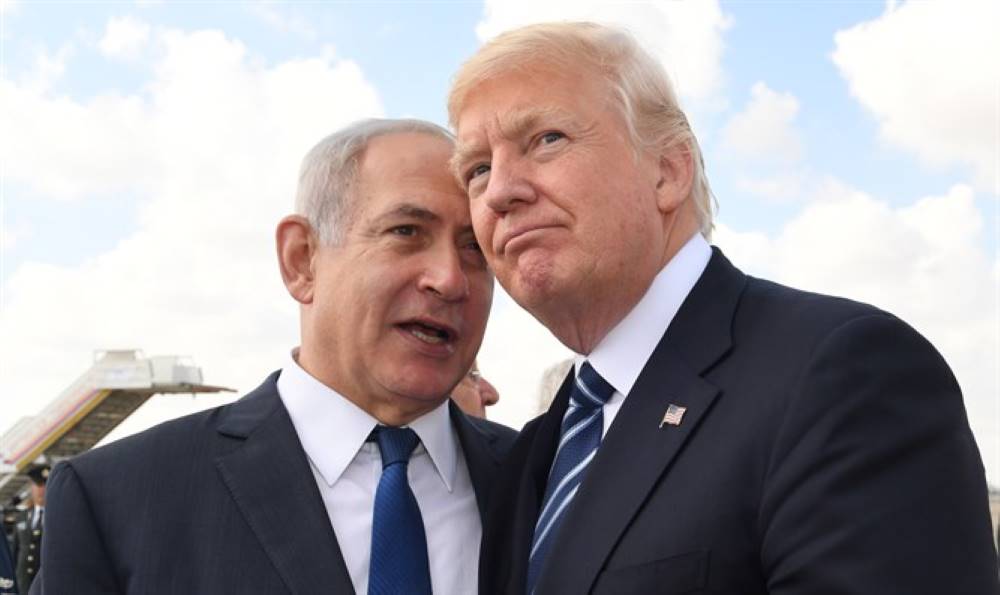
President Donald Trump indicated that discussions between American and Iranian representatives could resume imminently, suggesting that meaningful developments may occur within a narrow and consequential timeframe. His remarks, delivered in an interview, conveyed both urgency and cautious optimism, underscoring the administration’s belief that sustained pressure combined with negotiation could yield a comprehensive resolution.
The possibility of renewed talks follows the collapse of high-level negotiations held in Islamabad over the weekend. Those discussions, the most significant direct engagement between the two adversaries since the aftermath of the 1979 Islamic Revolution, concluded without a breakthrough. Nevertheless, officials from the United States, Pakistan, and Iran have signaled that the diplomatic channel remains open, with backchannel communications reportedly narrowing gaps on key issues.
Central to the current standoff is the strategic importance of the Strait of Hormuz, a narrow maritime corridor through which a substantial portion of the world’s oil and gas supplies flows. Since the onset of hostilities earlier this year, Iran has effectively restricted access to the waterway, permitting passage only under conditions it dictates. This move has reverberated across global energy markets, underscoring the geopolitical weight of the crisis.
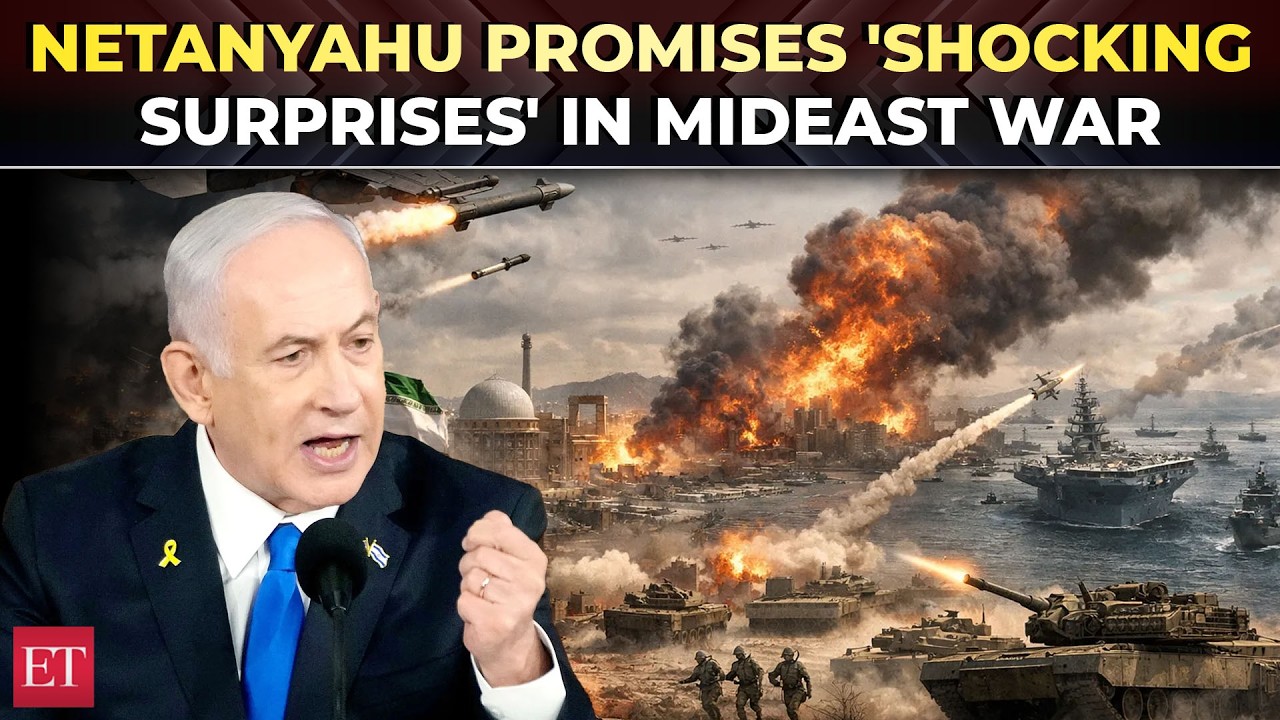
In response, the United States has implemented a sweeping maritime blockade targeting Iranian ports, a measure designed to exert economic and logistical pressure while avoiding direct escalation. According to the Reuters report, the operation involves more than 10,000 personnel, multiple warships, and a significant aerial presence. Within the first day of enforcement, several commercial vessels reportedly altered course in compliance with American directives, illustrating the immediate impact of the action.
Despite the intensity of the military posture, there are indications that the strategy has also created conditions conducive to renewed diplomacy. Oil markets, which had surged amid fears of prolonged disruption, showed signs of stabilization as reports of potential negotiations emerged. Benchmark prices fell below the psychologically significant threshold of $100 per barrel, reflecting cautious confidence among investors that the crisis may yet be contained.
The broader economic implications remain significant. The International Monetary Fund has revised its global growth outlook downward, warning that prolonged instability in energy markets could push the worldwide economy toward recession. Similarly, the International Energy Agency has adjusted its projections for both supply and demand, highlighting the far-reaching consequences of sustained geopolitical tension.
At the heart of the diplomatic impasse lies the issue of Iran’s nuclear program. American negotiators, led by Vice President JD Vance, have advanced a proposal calling for a long-term suspension of Iran’s nuclear activities, coupled with stringent verification mechanisms. This framework, as described in The Algemeiner report, seeks to address longstanding concerns about proliferation while providing a pathway toward broader normalization.
Iran, however, has resisted elements of the proposal, advocating for a significantly shorter duration of restrictions. This divergence underscores the difficulty of reconciling competing strategic priorities, even as both sides express a willingness to continue dialogue. Sources familiar with the negotiations suggest that incremental progress has been achieved, raising the possibility that a more comprehensive agreement could eventually emerge.
Complicating the diplomatic landscape is the ongoing conflict involving the Iran-backed group Hezbollah. Israeli operations targeting Hezbollah positions in Lebanon have continued despite the broader ceasefire, reflecting the interconnected nature of regional tensions. While the United States and Israel maintain that these actions fall outside the scope of the ceasefire, Iran has argued otherwise, adding another layer of complexity to the negotiations.
The role of Pakistan as a mediator has been pivotal, providing a neutral venue for dialogue and facilitating communication between the parties. However, the success of these efforts depends on the ability to bridge not only technical differences but also deep-seated mistrust. The history of relations between Washington and Tehran, marked by decades of confrontation and intermittent engagement, continues to cast a long shadow over the proceedings.
Meanwhile, the ceasefire established last week has largely held, offering a fragile respite from direct confrontation. Both sides have adhered to its terms despite continued rhetorical escalation, suggesting a mutual interest in avoiding further military escalation. President Trump’s decision to pause the bombing campaign, coupled with his warning that more severe measures could follow if maritime access is not restored, reflects a strategy that combines restraint with deterrence.
Public opinion within the United States has also played a role in shaping the administration’s approach. Polling data cited by Reuters indicates a modest decline in support for military action, highlighting the domestic considerations that accompany foreign policy decisions. Rising energy prices and broader economic concerns have further underscored the importance of achieving a resolution.
International reactions to the crisis have been varied. European allies, including the United Kingdom and France, have expressed reluctance to participate directly in the blockade while offering support for efforts to secure maritime stability. China, a major importer of Iranian oil, has criticized the American action, warning that it could exacerbate tensions. These differing perspectives illustrate the global stakes involved and the challenge of forging a unified response.
Despite these complexities, the prospect of renewed negotiations offers a measure of hope. The combination of military pressure and diplomatic engagement has created a dynamic in which both sides face incentives to compromise. Whether this approach will ultimately succeed remains uncertain, but it reflects a recognition that durable solutions require both power and dialogue.
As the situation continues to evolve, the coming days may prove determinating. The potential resumption of talks in Pakistan represents an opportunity to build on the progress achieved thus far and to address the remaining bone of contention. For policymakers, the challenge lies in navigating a path that balances strategic interests with the imperative of stability.
In the final analysis, the current moment encapsulates the complexities of modern geopolitics. It is a landscape in which military power, economic considerations, and diplomatic efforts intersect in intricate and often unpredictable ways. As The Algemeiner and Reuters have emphasized, the outcome of this process will have far-reaching implications, not only for the immediate parties involved but for the broader international order.
The unfolding developments serve as a reminder that even in times of heightened tension, the pursuit of dialogue remains essential. Whether through formal negotiations or informal channels, the search for common ground continues to shape the trajectory of the crisis. In this delicate balance between confrontation and cooperation, the possibility of resolution endures, offering a cautious but meaningful prospect for the future.



