








|
Getting your Trinity Audio player ready...
|
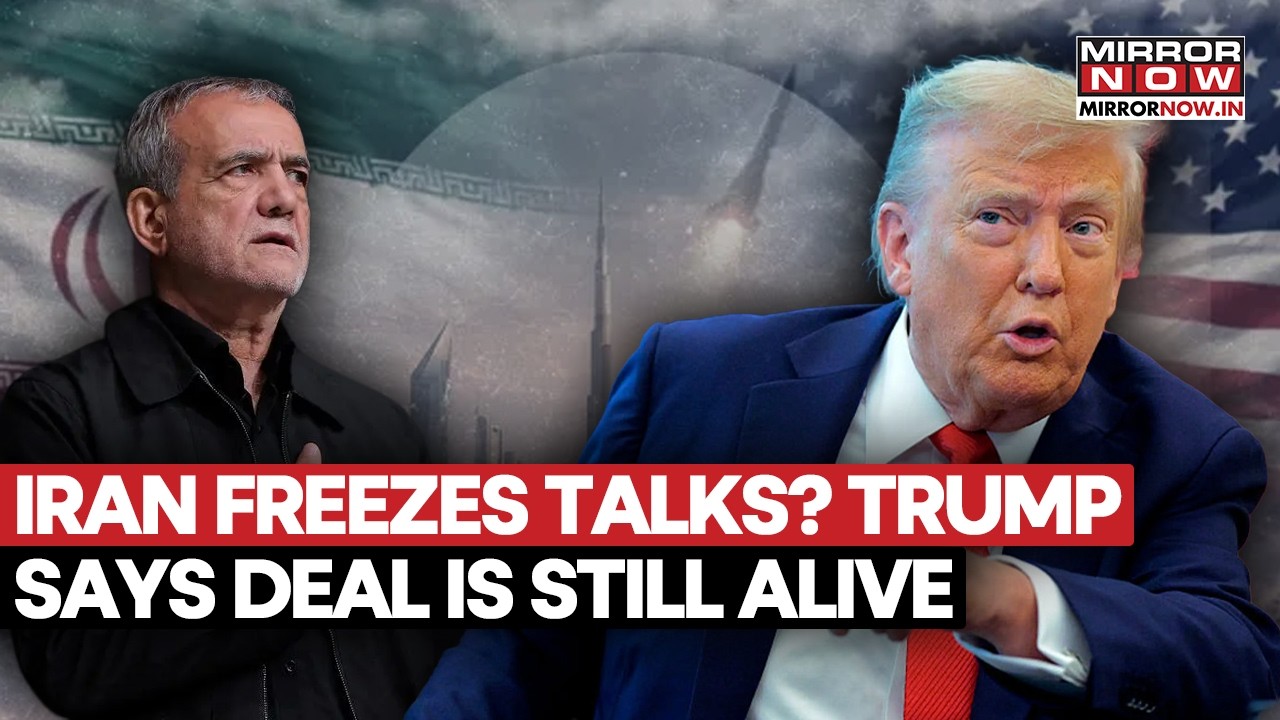
(TJV NEWS) President Donald Trump is signaling that a potential breakthrough with Iran may be within reach, as global oil markets tumble and new details emerge about a controversial proposal aimed at ending the conflict.
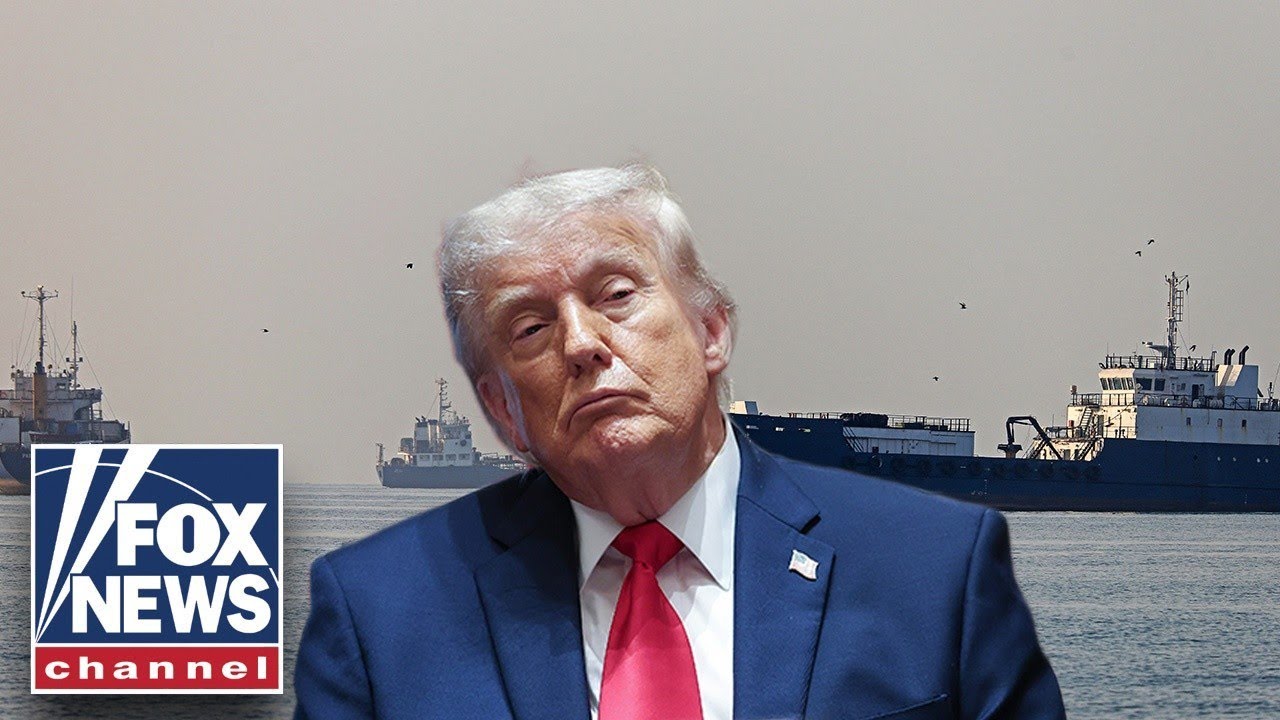
According to Newsmax reporting, Trump pointed to the reopening of the Strait of Hormuz as a major development, declaring the vital shipping lane effectively back in operation. The move follows weeks of escalating tensions that saw Iran disrupt traffic through one of the world’s most critical energy chokepoints, sending oil prices soaring and rattling global markets.
Now, however, the situation appears to be shifting. Iran has indicated that the strait is once again open for commercial shipping during an ongoing cease-fire, a step that immediately triggered a sharp decline in oil prices. Crude fell significantly as traders reacted to the reduced risk of supply disruptions, offering relief after weeks of volatility.
Trump has embraced the development as validation of his hardline strategy. As Newsmax reports, he has maintained that U.S. pressure—including a naval blockade targeting Iranian activity—forced Tehran to the table. Despite the reopening of the waterway, the blockade remains in place, with the administration insisting it will continue until a formal agreement is reached.
The Strait of Hormuz has been central to the crisis serving as a key artery for global oil shipments. Any disruption there carries worldwide consequences, which is why even a temporary reopening has had such an immediate impact on markets.
At the same time, a more complex diplomatic effort may be unfolding behind closed doors.
According to Axios U.S. officials are considering a proposal that could include up to $20 billion in incentives tied to Iran’s civilian nuclear program. The reported plan—outlined across several pages—would aim to de-escalate tensions by combining economic relief with strict nuclear-related conditions, potentially forming the backbone of a broader agreement.
The proposal highlights the delicate balancing act underway. Earlier efforts at diplomacy faltered, and tensions spiked after the U.S. moved to impose a naval blockade in mid-April. Since then, both sides have continued to posture publicly while quietly exploring possible off-ramps to avoid further escalation.
While the reopening of Hormuz marks a significant step, major uncertainties remain. Iran still holds the ability to disrupt the waterway again, and there is no finalized deal in place. Tehran has also pushed back on some of Trump’s more optimistic rhetoric, suggesting negotiations are still unresolved.
Even so, the sharp drop in oil prices and the return of shipping traffic point to a possible turning point.
For now, markets are reacting with cautious optimism. But with a fragile cease-fire and high-stakes negotiations still in play, the situation remains volatile—and any setback could quickly reverse the progress seen in recent days.
President Donald Trump also used the moment to take aim at NATO, arguing that the alliance must take on a far greater share of the burden in dealing with global security threats, including tensions with Iran. He reiterated his long-standing position that many NATO members are not contributing enough financially, saying the United States has carried the alliance for too long while European nations fall short of their defense spending commitments. Trump suggested that if the situation in the Middle East escalates further, NATO countries should be prepared to step up both militarily and economically.
At the same time, Trump framed the Iran standoff as a test of NATO’s relevance in modern conflicts, warning that the alliance cannot remain passive while critical global trade routes like the Strait of Hormuz are threatened. He indicated that cooperation among NATO members would be essential to maintaining stability, but made clear that U.S. support would not come without expectations of greater reciprocity. His remarks reflect a broader push to reshape NATO into what he sees as a more balanced partnership, rather than one heavily reliant on American resources.