




















|
Getting your Trinity Audio player ready...
|
Trump and Xi Forge New Era of Cooperation While Managing Global Challenges
By: Ariella Haviv
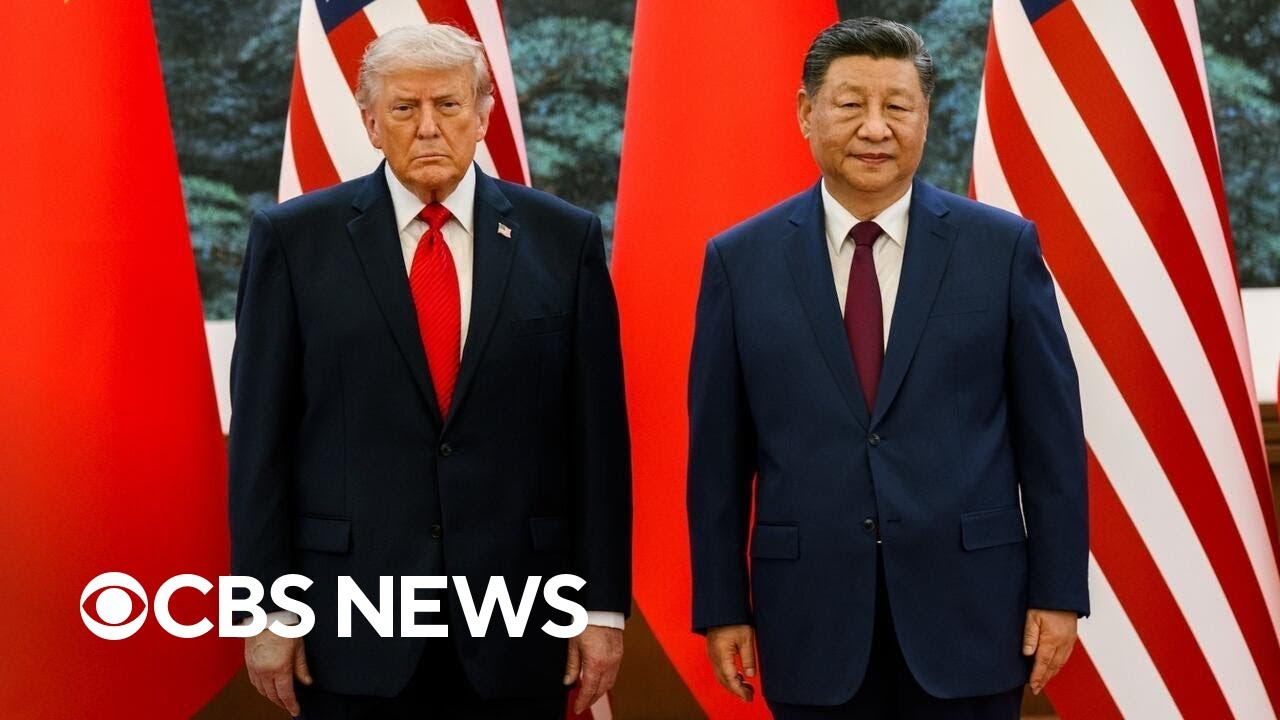
In a moment laden with geopolitical consequence and carefully calibrated rhetoric, Chinese President Xi Jinping emerged from a high-stakes summit with United States President Donald Trump declaring what he described as a “new positioning” in bilateral relations—an ambitious framework that seeks to harmonize cooperation with controlled competition while navigating some of the most volatile fault lines in international affairs. As reported on Thursday by World Israel News, the meeting in Beijing signaled a deliberate attempt by both powers to recalibrate a relationship that has oscillated between rivalry and reluctant partnership.
According to official statements cited in the World Israel News report, Xi emphasized that the two leaders had reached a consensus on the necessity of cultivating a “constructive” and “strategically stable” relationship that would shape interactions over the next three years and potentially beyond. The articulation of such a timeline underscores the long-term ambitions underpinning the dialogue, suggesting that both Washington and Beijing recognize the imperative of establishing a durable modus vivendi in an increasingly fragmented global order.
Xi’s characterization of the emerging framework was notable for its nuanced balance. As World Israel News reported, he described the envisioned relationship as one rooted “primarily on cooperation but with measured competition,” a formulation that reflects both the opportunities and inherent tensions embedded in U.S.-China engagement. The Chinese leader elaborated that this approach aims to foster “a normal stability in which differences are controllable, and a lasting stability in which peace can be expected,” language that conveys both aspiration and caution in equal measure.
The emphasis on cooperation extended across a broad array of sectors. World Israel News detailed that Xi called for expanded engagement in trade, public health, agriculture, tourism, and law enforcement, as well as enhanced “people-to-people exchanges.” Such proposals reflect Beijing’s strategic interest in preserving economic interdependence while mitigating the risk of political estrangement. At the same time, they signal an acknowledgment that global challenges—from supply chain resilience to pandemic preparedness—require a degree of collaboration between the world’s two largest economies.
Yet even as Xi underscored the virtues of cooperation, he delivered a pointed warning regarding one of the most sensitive issues in the bilateral relationship: Taiwan. The democratically governed island, which Beijing claims as part of its sovereign territory, remains a central flashpoint with the potential to destabilize the entire regional architecture. According to World Israel News, Xi urged the United States to exercise “utmost caution” in its handling of the Taiwan question.
“If handled poorly, the two countries could collide or even enter into conflict, pushing the entire China-U.S. relationship into an extremely dangerous situation,” Xi warned, as cited by World Israel News. The starkness of this language served as a reminder that beneath the diplomatic overtures lies a profound divergence in strategic priorities—one that neither side can afford to ignore.
The summit’s significance extended well beyond the bilateral dimension, encompassing critical issues in the Middle East that have reverberated across global markets and security frameworks. Of particular importance was the shared concern over Iran’s actions in the Strait of Hormuz, a maritime corridor through which a substantial portion of the world’s energy supplies transit. As World Israel News reported, both Trump and Xi appeared aligned in their insistence that the strait remain open to ensure the uninterrupted flow of commerce.
An American official, speaking anonymously and quoted in reporting referenced by World Israel News, indicated that the two leaders “agreed that the Strait of Hormuz must remain open to support the free flow of energy.” This convergence of interests is notable given the broader context of U.S.-China rivalry, suggesting that certain global imperatives—such as energy security—can serve as a basis for pragmatic cooperation.
The same official further elaborated on China’s position, noting that “President Xi also made clear China’s opposition to the militarization of the Strait and any effort to charge a toll for its use.” This stance reflects Beijing’s broader strategic calculus, which prioritizes stability in key trade routes while avoiding direct entanglement in regional conflicts. As World Israel News highlighted, Xi also expressed “interest in purchasing more American oil to reduce China’s dependence on the Strait in the future,” a remark that underscores the interplay between geopolitical considerations and economic strategy.
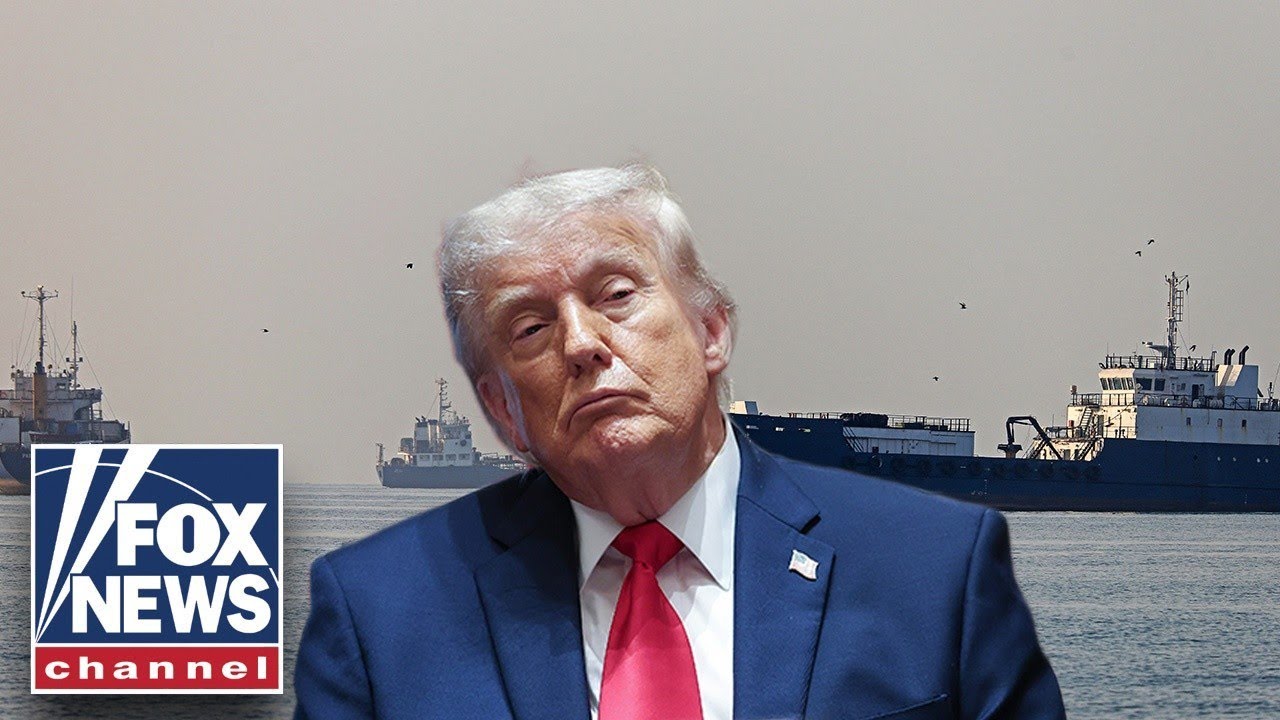
In an interview with Fox News’ Sean Hannity, President Trump said that Xi has committed to withholding military equipment from Iran following their high-level discussions.
Trump noted that while China continues to purchase Iranian oil, Xi expressed a strong desire to see the Strait of Hormuz remain open and free of interference.
“He said he’s not going to give military equipment, that’s a big statement… But at the same time, he said you know they buy a lot of their oil there and they’d like to keep doing that. He’d like to see Hormuz straight opened,” Trump said.
In addition to maritime security, the leaders reportedly addressed the contentious issue of Iran’s nuclear ambitions. According to the World Israel News report, there was a clear and unequivocal alignment on this front. “Both countries agreed that Iran can never have a nuclear weapon,” the American official stated. This consensus, while significant, raises complex questions about the means by which such an objective might be achieved, particularly given China’s longstanding preference for diplomatic engagement over coercive measures.
Beijing’s approach to Iran has historically been characterized by a delicate balancing act. As the World Israel News report noted, China has frequently opposed stringent Western sanctions, advocating instead for dialogue and negotiation as the primary instruments of conflict resolution. At the same time, China has maintained robust economic and strategic ties with Tehran, including participation in multilateral frameworks such as the Shanghai Cooperation Organization and the BRICS bloc.
This dual-track strategy has come under increasing scrutiny in light of recent reports suggesting that Chinese entities may be involved in facilitating military support to Iran through indirect channels. World Israel News referenced allegations that Chinese weapons manufacturers are preparing transfers via third parties and shell companies designed to obscure the origins of the shipments. While these claims remain subject to verification, they have nonetheless fueled apprehension among Western officials about the extent of Beijing’s engagement with Tehran.
The juxtaposition of these developments—public commitments to nonproliferation alongside allegations of covert support—highlights the complexities inherent in China’s foreign policy. On one hand, Beijing seeks to position itself as a responsible global actor committed to stability and peace. On the other, its strategic partnerships and economic interests may lead it to adopt positions that diverge from those of the United States and its allies.
For Washington, the implications are equally multifaceted. The alignment with China on certain issues, such as the openness of the Strait of Hormuz and the prevention of nuclear proliferation, offers a potential avenue for collaboration. However, the underlying tensions—whether related to Taiwan, trade disputes, or competing spheres of influence—remain deeply entrenched.
The summit between Trump and Xi, as portrayed in the World Israel News report, thus represents both an opportunity and a challenge. It reflects a recognition by both leaders that the stakes of their relationship are too high to allow unchecked rivalry to prevail. At the same time, it underscores the reality that fundamental differences in ideology, governance, and strategic objectives will continue to shape the contours of their engagement.
In the broader context of international relations, the notion of “cooperation with measured competition” may well become a defining paradigm of the coming era. It encapsulates the tension between interdependence and rivalry that characterizes the current global landscape. Whether this framework can deliver the “lasting stability” envisioned by Xi remains an open question—one that will depend on the willingness of both nations to navigate their differences with prudence and foresight.
As World Israel News noted, the significance of the summit is likely to resonate far beyond the immediate participants. It offers a glimpse into the evolving dynamics of great power relations and the intricate interplay between regional conflicts and global governance. In a world marked by uncertainty and rapid change, the ability of the United States and China to manage their relationship effectively will have profound implications for peace, prosperity, and the future of the international order.



