


























|
Getting your Trinity Audio player ready...
|
Tentative US-Iran Framework Emerges as White House Confirms Proposed 60-Day Ceasefire and Nuclear Negotiations
By: Yisroel David
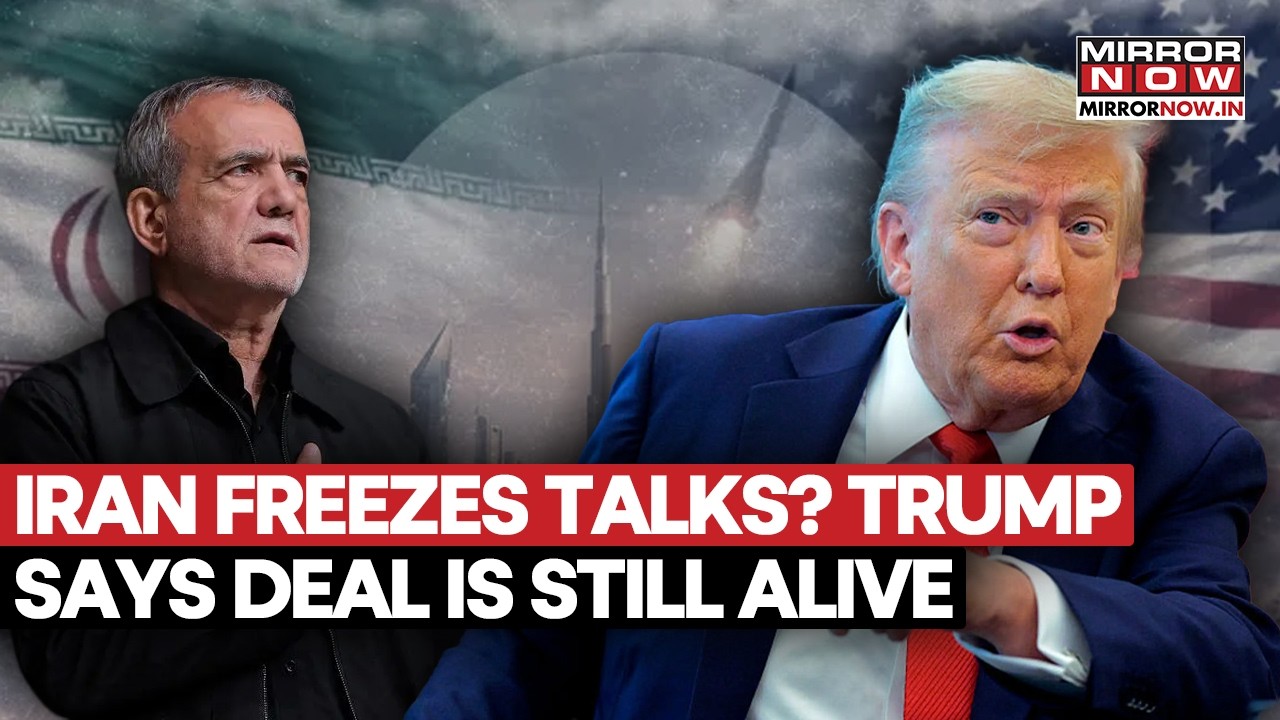
A potentially transformative diplomatic breakthrough appeared to edge closer to reality on Thursday after the White House confirmed reporting by Axios indicating that American and Iranian negotiators have reached a tentative agreement on a proposed 60-day memorandum of understanding aimed at extending the current ceasefire and opening formal negotiations over Tehran’s nuclear program.
The emerging framework, if ultimately approved by both governments, could mark the most consequential diplomatic development between Washington and Tehran in years, arriving after weeks of intensifying military confrontation, mounting instability across the Middle East, and growing international fears of a broader regional conflagration.
According to Axios which first reported the development citing 2 U.S. officials and a regional source directly involved in mediation efforts, the memorandum remains provisional and has not yet received final authorization from President Trump.
Nevertheless, the White House’s confirmation of the Axios report immediately elevated the significance of the negotiations and triggered widespread speculation regarding the potential contours of a larger strategic realignment involving Iran, maritime security in the Persian Gulf, sanctions relief, and the future of Tehran’s nuclear ambitions.
Axios reported that most core provisions of the proposed arrangement had been finalized by Tuesday, pending ratification by senior leadership figures in both Washington and Tehran.
American officials involved in the talks told Axios that Iranian representatives later informed mediators that the necessary approvals had been secured within Iran’s governing system and that Tehran stood prepared to sign the agreement.
Iran, however, has not publicly confirmed those assertions, a silence that many analysts interpret as either strategic ambiguity or evidence that sensitive internal deliberations continue among senior Iranian officials.
The proposed memorandum reportedly centers upon two immediate objectives: preserving stability in the Strait of Hormuz and initiating structured negotiations concerning Iran’s nuclear activities.
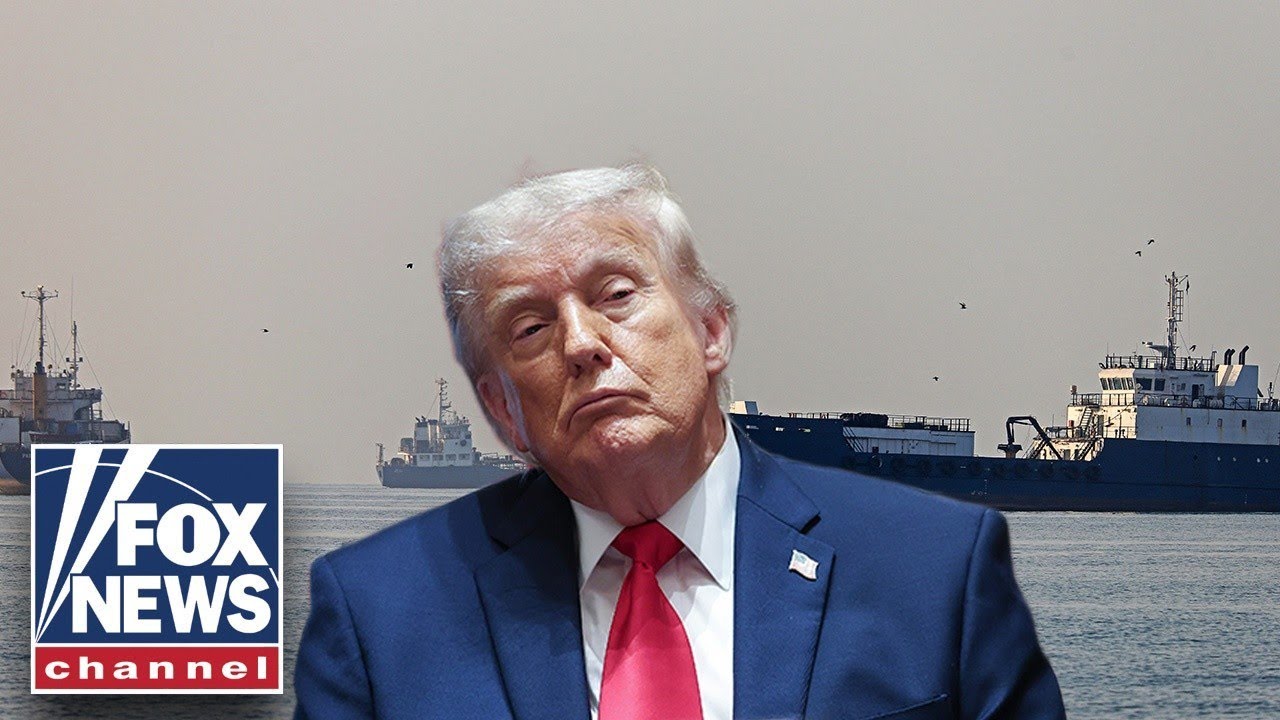
Under the framework described by Axios, commercial shipping through the Strait of Hormuz would remain fully unrestricted throughout the 60-day period.
A senior U.S. official quoted by Axios stated that the arrangement would specifically prohibit “tolls or harassment” of vessels transiting the strategic waterway and would obligate Iran to remove all naval mines deployed in the area within 30 days.
The Strait of Hormuz, through which a substantial percentage of the world’s oil and liquefied natural gas supplies pass, has long represented one of the most geopolitically volatile maritime chokepoints on earth.
Any sustained disruption to shipping through the strait carries the potential to trigger severe global economic consequences, including dramatic spikes in energy prices, supply chain instability, and heightened military confrontation among major powers.
Consequently, the proposed guarantees concerning unrestricted navigation are being viewed in diplomatic circles as one of the memorandum’s most strategically consequential components.
Axios further reported that the U.S. naval blockade currently affecting Iranian maritime activity would be lifted gradually in conjunction with the restoration of stable commercial shipping operations.
That provision alone signals a potentially substantial de-escalation following weeks of rising tensions and military brinkmanship between American and Iranian forces.
Yet perhaps the most closely scrutinized portion of the proposed agreement concerns Iran’s nuclear program.
According to the Axios report, the memorandum would include a formal Iranian commitment not to pursue nuclear weapons.
During the 60-day negotiation period, American and Iranian officials would focus intensively on the disposition of Tehran’s stockpile of highly enriched uranium as well as broader questions involving uranium enrichment activities.
Those issues remain among the most contentious and technically complex elements of any prospective agreement.
American negotiators have repeatedly emphasized that Washington’s central objective is preventing Iran from obtaining nuclear weapons capability while simultaneously ensuring regional stability.
Axios reported that the United States would also agree during the negotiations to discuss sanctions relief measures and the possible release of frozen Iranian assets.
The memorandum would additionally establish discussions concerning mechanisms designed to facilitate Iran’s access to humanitarian goods and commercial supplies.
Those provisions are likely intended both to incentivize Iranian cooperation and to address mounting economic pressures inside the Islamic Republic, where sanctions, inflation, and economic stagnation have fueled persistent domestic unrest.
Still, despite the apparent progress, Axios emphasized that President Trump himself has not yet granted final approval.
According to one U.S. official cited in the Axios report, Trump informed mediators that he wished to spend “several days” reviewing the proposal before making a final determination.
That hesitation underscores both the political sensitivity and the strategic gravity of the emerging agreement.
Indeed, Axios noted that Trump and his advisers had previously believed they were nearing agreements with Iran at several earlier stages during the conflict, only for negotiations to collapse before completion.
Consequently, administration officials appear acutely aware that optimism surrounding the current framework could yet prove premature.
The tentative nature of the memorandum also reflects the extraordinary complexity of U.S.-Iran relations, which remain burdened by decades of hostility, mutual suspicion, proxy warfare, and competing geopolitical ambitions.
For the Trump administration, the challenge lies in balancing diplomacy with a posture of maximum strategic leverage.
Throughout the negotiations, American officials have repeatedly stressed that any arrangement must impose meaningful constraints upon Iran’s nuclear infrastructure while simultaneously safeguarding global commerce and regional stability.
The administration’s insistence upon detailed negotiations concerning highly enriched uranium demonstrates particular concern regarding Tehran’s breakout capabilities.
Western intelligence agencies and nuclear experts have long warned that Iran’s accumulation of highly enriched uranium dramatically shortens the theoretical timeline necessary to produce nuclear weapons should the regime choose to pursue them.
Consequently, the question of what becomes of Iran’s uranium stockpile is expected to dominate negotiations during the proposed 60-day period.
Axios reported that negotiators are specifically focused on “the disposition” of Iran’s enriched material, language suggesting that multiple options remain under consideration.
Those possibilities could include monitored storage arrangements, international supervision mechanisms, dilution processes, or transfers to third-party states.
At the same time, the negotiations occur against a backdrop of profound regional instability.
The ongoing conflict environment has already drawn in multiple actors across the Middle East, including Iranian-backed militias, maritime forces, and regional governments increasingly anxious about escalation.
The prospect of a formalized ceasefire extension therefore carries enormous implications not only for Washington and Tehran but also for Gulf states, Israel, European allies, and international energy markets.
Market analysts have closely monitored every development surrounding the Strait of Hormuz in recent weeks, aware that even temporary disruptions can produce immediate volatility in global oil prices.
The apparent willingness of both sides to preserve unrestricted navigation through the strait may therefore provide at least temporary reassurance to investors and allied governments concerned about energy security.
Still, skepticism remains widespread.
Critics of diplomacy with Iran argue that Tehran has repeatedly used negotiations to buy time, alleviate pressure, and preserve elements of its nuclear infrastructure.
Others caution that temporary understandings lacking robust enforcement mechanisms may merely postpone rather than resolve the underlying strategic conflict.
Within Washington, debates are already intensifying regarding the wisdom of sanctions relief and the release of frozen Iranian assets absent more permanent nuclear restrictions.
Likewise, hardline factions inside Iran may resist concessions perceived as compromising national sovereignty or strategic deterrence capabilities.
Axios’s reporting makes clear that the memorandum is intended not as a final settlement but as a transitional framework designed to stabilize conditions sufficiently for broader negotiations to proceed.
Whether that strategy succeeds may depend largely upon the willingness of both governments to sustain political discipline amid inevitable provocations and internal opposition.
The memorandum’s humanitarian provisions could also become politically significant.
Axios reported that negotiators envision mechanisms enabling Iran to receive goods and humanitarian assistance during the negotiation period.
Such measures may prove particularly important given worsening economic hardship within Iran and mounting international criticism regarding humanitarian conditions created by sanctions and regional conflict.
At the same time, American officials appear determined to avoid any perception that Washington is granting unilateral concessions without reciprocal Iranian commitments.
Indeed, much of the Trump administration’s approach has emphasized that sanctions relief and economic normalization would remain contingent upon verifiable progress concerning Iran’s nuclear activities and regional conduct.
The White House confirmation of the Axios report therefore represents not merely a diplomatic update but a potentially pivotal moment in one of the most dangerous geopolitical confrontations currently facing the international system.
For now, however, uncertainty continues to overshadow the negotiations.
President Trump’s reluctance to immediately approve the arrangement suggests that significant deliberations remain underway inside the administration.
The memory of previous near-breakthroughs that ultimately collapsed appears to weigh heavily upon decision-makers.
Nevertheless, the existence of a tentative framework — acknowledged publicly by the White House and extensively detailed by Axios — indicates that both Washington and Tehran may now perceive sufficient strategic incentive to pursue at least a temporary stabilization effort.
Whether that effort ultimately evolves into a durable diplomatic settlement or joins the long list of failed U.S.-Iran negotiations remains uncertain.
What is already clear, however, is that the coming days may prove decisive not only for American-Iranian relations but also for the future stability of the Middle East, the security of global energy markets, and the broader international order itself.



