




















|
Getting your Trinity Audio player ready...
|
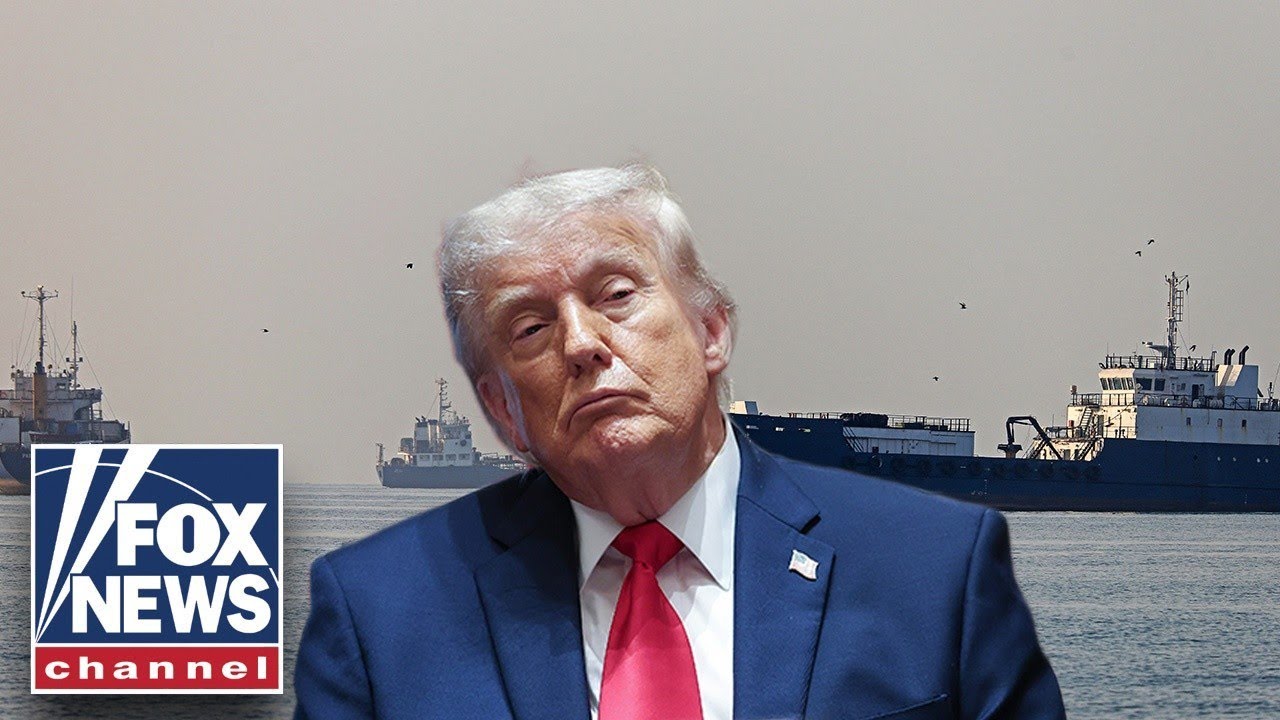
(TJV NEWS) The New York Times reports that President Trump’s effort to forcibly reopen the Strait of Hormuz is colliding with deep uncertainty among global shipping companies, as commercial operators struggle to assess whether the waterway is safe—or effectively still under Iranian control amid ongoing attacks and military escalation.
According to the Times, the administration has launched an emergency maritime initiative aimed at escorting or “guiding” stranded commercial vessels through the strait after weeks of disruptions that have left hundreds of ships stuck in or around the Persian Gulf. The operation, framed by Trump as a way to restore global trade flows, comes as shipping lanes remain highly unstable due to Iranian threats, naval confrontations, and reported strikes on commercial vessels.
The NYT reports that Iran has responded with warnings that any foreign military effort to manage or escort shipping through the strait will be treated as a hostile act. Iranian officials have continued to assert control over transit through the waterway, demanding coordination with their naval forces and signaling that vessels entering without authorization could be targeted.
Shipping companies, meanwhile, are described as deeply divided and hesitant. According to the Times, many operators say they lack clear guidance on how the U.S. operation will function in practice, including whether naval escorts will remain continuously present or how insurance and liability will be handled if ships are attacked mid-transit.
The report highlights that the uncertainty is compounded by recent incidents of violence at sea, including attacks on commercial vessels and reports of projectiles striking tankers in or near the strait. These episodes have rattled insurers and led some major carriers to suspend or reroute voyages entirely, effectively shrinking commercial traffic through one of the world’s most important energy corridors.
The New York Times notes that the Strait of Hormuz remains strategically critical, carrying roughly a fifth of global oil shipments, meaning even partial disruption has immediate effects on energy markets and freight costs worldwide. The current standoff has already pushed shipping premiums higher and forced some companies to delay or cancel sailings altogether.
At the center of the dispute is a fundamental clash: the Trump administration’s push to reassert freedom of navigation through military-backed escort operations, and Iran’s effort to maintain de facto control over access through the strait using naval enforcement and regulatory restrictions.
The Times reports that this has left the shipping industry caught in the middle of an escalating geopolitical confrontation, with commercial operators effectively forced to choose between attempting transit under military protection—or avoiding the region entirely until conditions stabilize.
For now, the result is a partially functioning global chokepoint: not fully closed, but operating under constant risk, military presence, and unresolved questions about who ultimately controls one of the world’s most vital maritime arteries.



