






























|
Getting your Trinity Audio player ready...
|
(NEWSMAX) Brent crude climbed back above about $114 a barrel Monday despite a U.S.-Iran ceasefire, as renewed attacks and escalating rhetoric in the Strait of Hormuz rattled markets, CNBC reported, citing trading data and market reaction.
The gains followed a wave of fresh Iranian missile and drone attacks targeting shipping lanes and energy infrastructure, including reported strikes near a UAE oil hub and vessels transiting the strait, which heightened fears of supply disruptions through the critical chokepoint, Reuters and MarketWatch reported, as cited by CNBC.
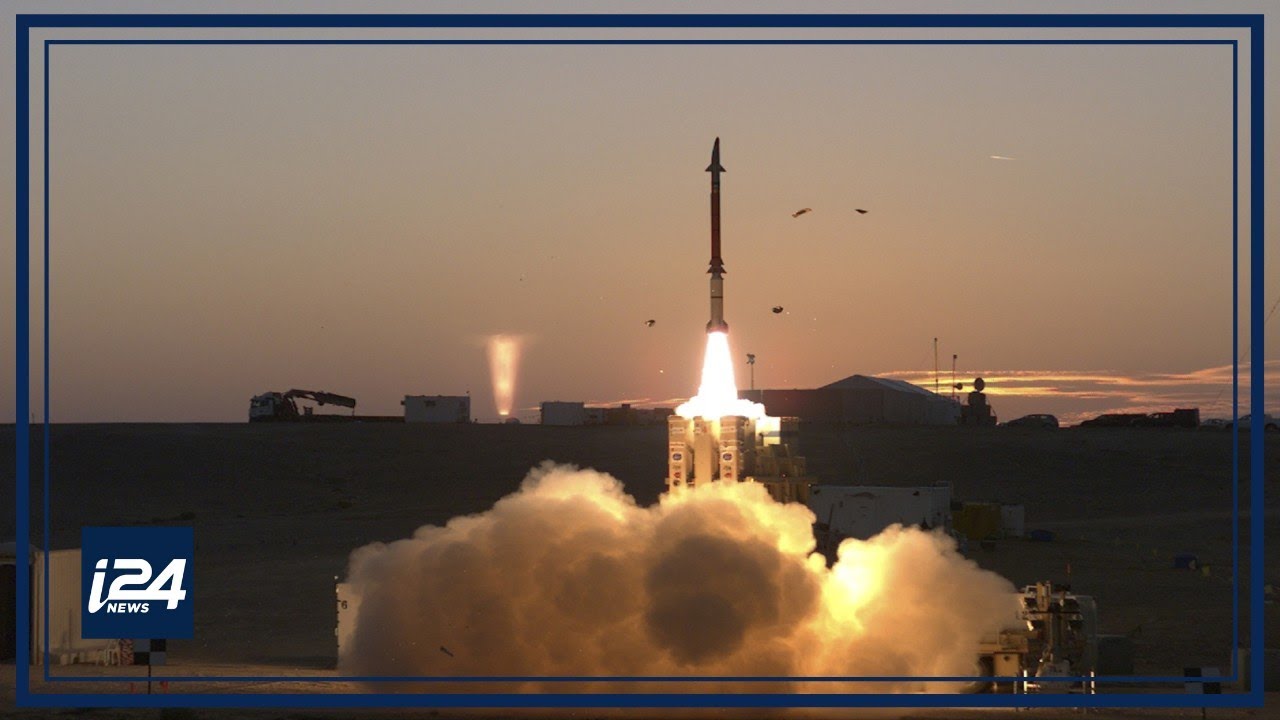
Iran also directed threats toward U.S. naval forces and commercial traffic in the waterway, warning foreign militaries to stay clear, while U.S. officials said drones and missiles were launched toward vessels in the region, according to Washington Post reporting cited by CNBC and other outlets.
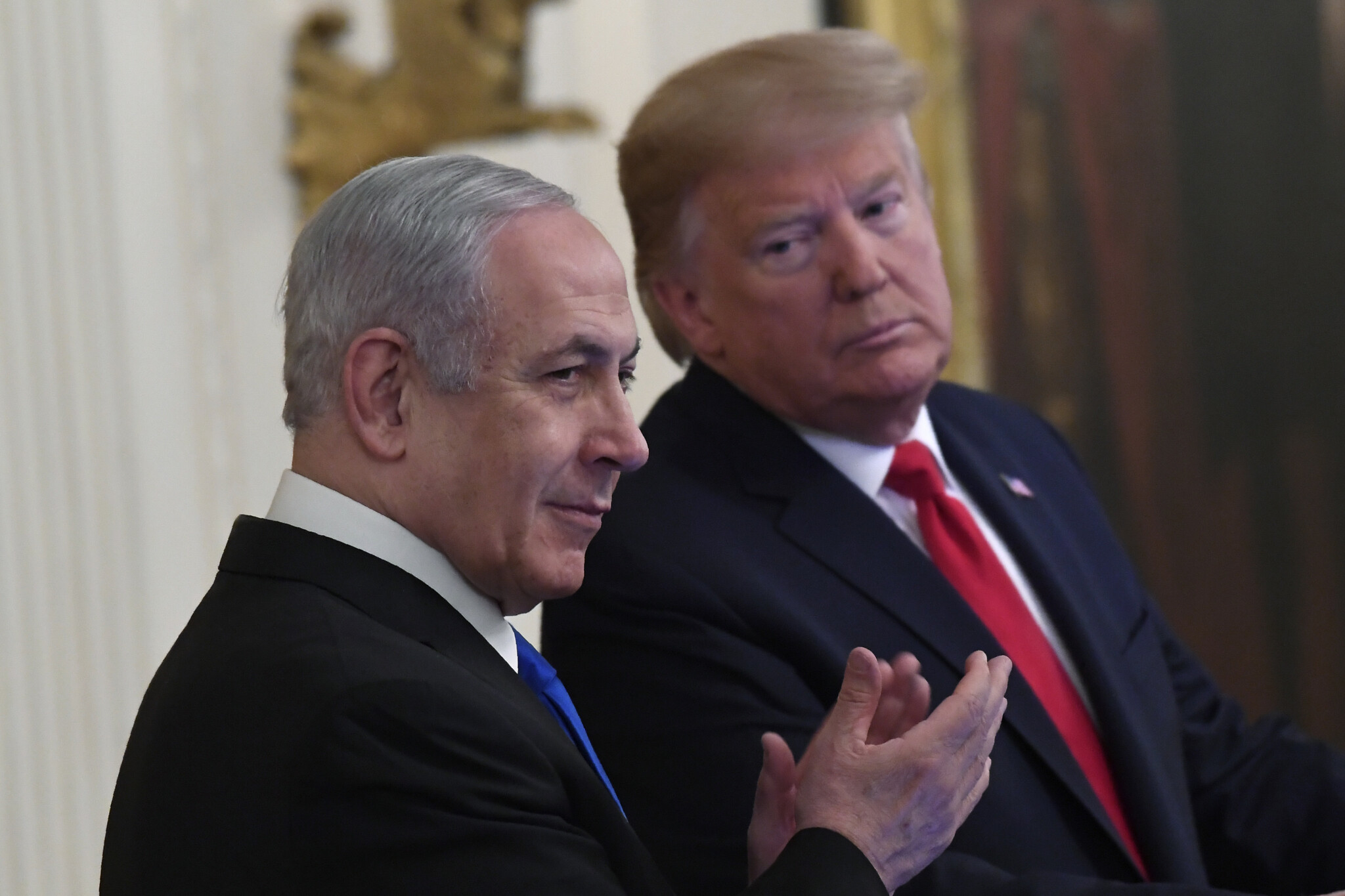
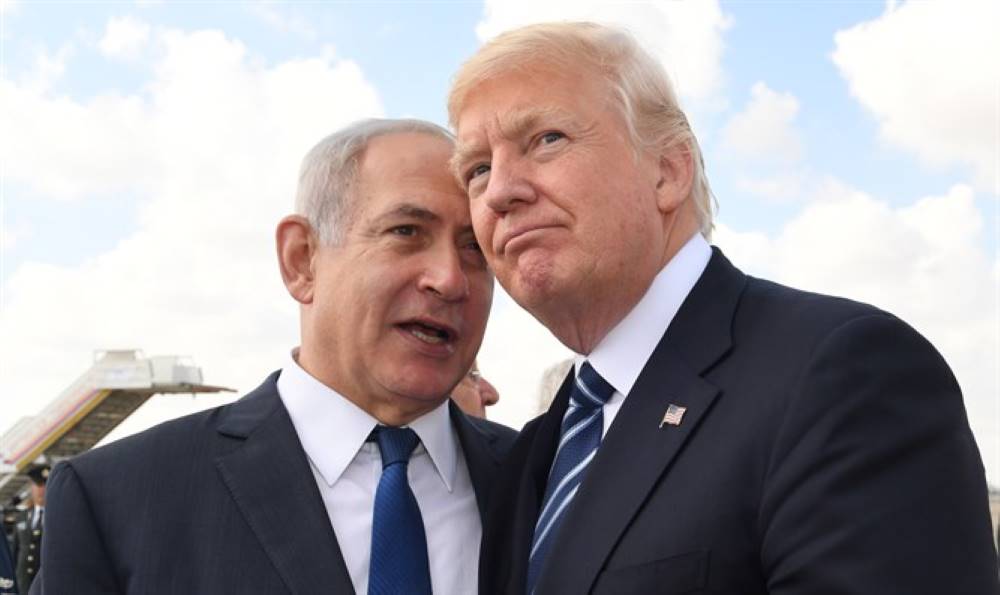
U.S. forces responded by engaging Iranian boats and expanding naval escort operations, while President Donald Trump warned Tehran against further aggression and threatened severe retaliation if American ships were struck, according to reports from the New York Post and Business Insider cited in broader market coverage.
The exchange of fire and increasingly sharp rhetoric on both sides has deepened skepticism about the durability of the ceasefire, with analysts telling the Wall Street Journal and others that continued attacks and disputed claims underscore how fragile the truce remains, as cited by CNBC.
U.S. gasoline prices have also surged alongside crude, with the national average for regular hitting about $4.46 per gallon Monday while California topped $6, according to AAA data cited by CNBC.
The conflict has already strained one of the world’s most critical energy corridors, with ship attacks, damaged tankers and reduced traffic through the Strait of Hormuz contributing to what analysts describe as a significant supply shock, Reuters reported, as cited by CNBC.
Even with a ceasefire technically in place, Iran has warned that U.S. naval operations violate the agreement while Washington has pushed ahead with escort missions, keeping tensions elevated and the outlook for stable energy flows uncertain, according to Washington Post reporting cited by CNBC.
Analysts say continued clashes or an extended disruption could push oil prices higher still, as markets increasingly price in the risk that diplomacy fails and the conflict widens, CNBC reported, citing market strategists.



