




















|
Getting your Trinity Audio player ready...
|
By: Jeff Gorman
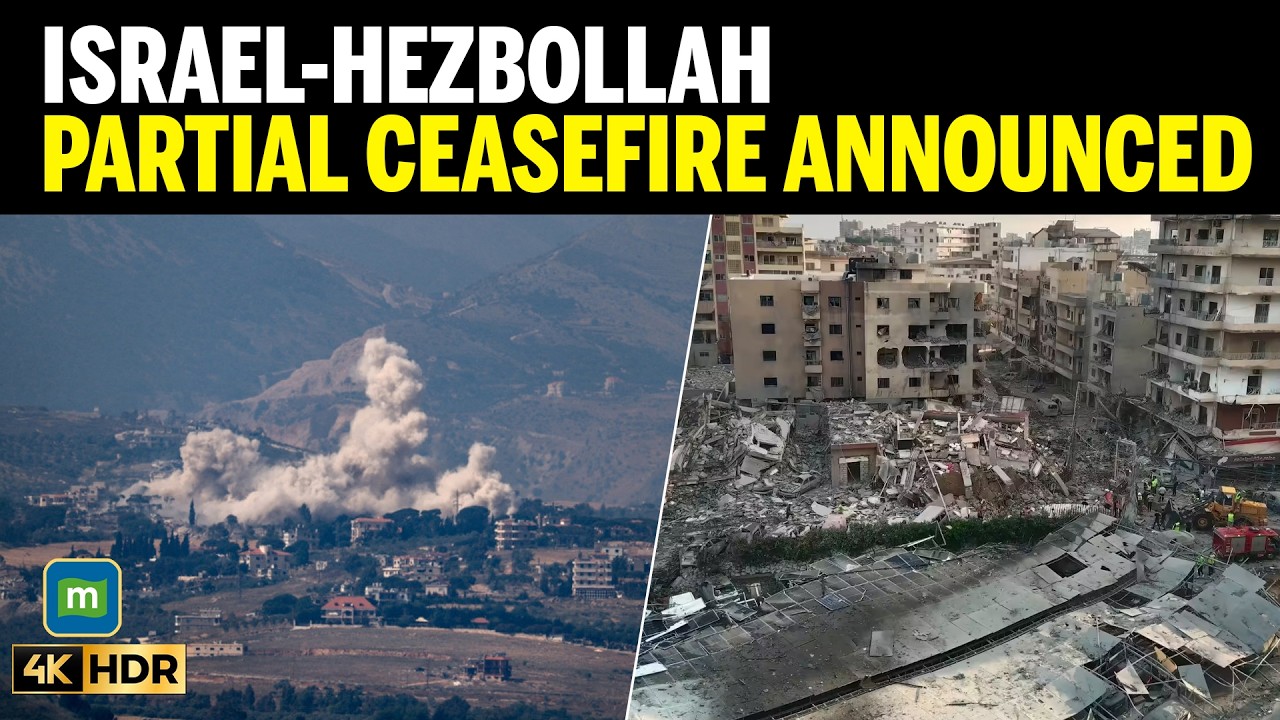
In the fragile aftermath of a United States-brokered ceasefire, the situation unfolding across southern Lebanon has exposed a striking dissonance between diplomatic assurances and the realities on the ground. As reported extensively by Israel National News, the early hours following the agreement’s implementation revealed a landscape far more volatile and fluid than anticipated by policymakers in Jerusalem and Washington alike.
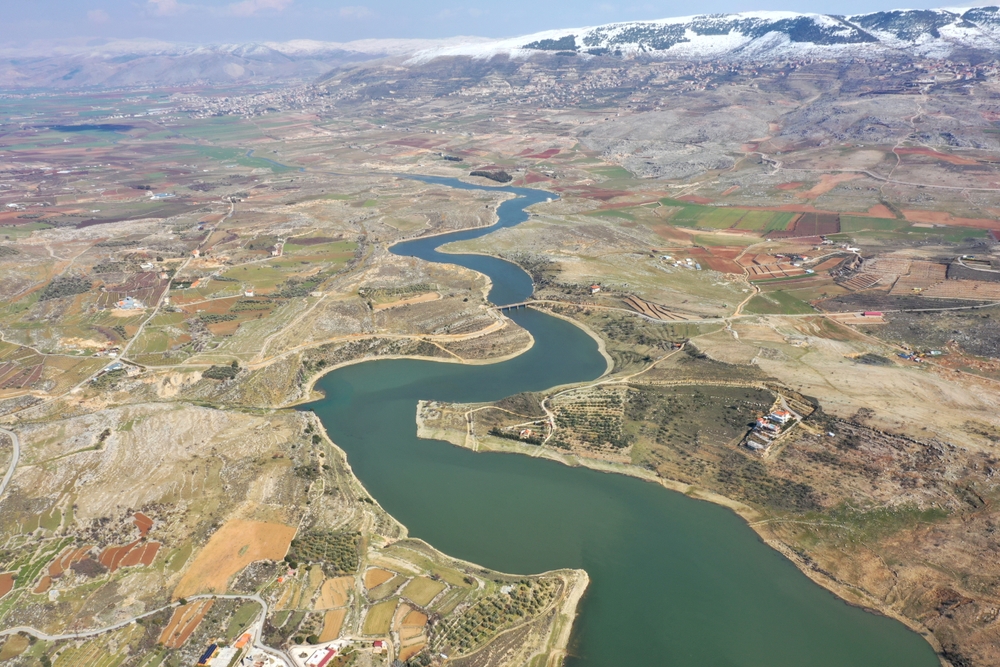
The ceasefire, heralded as a potential turning point in the protracted confrontation between Israel and Hezbollah, was intended to impose a temporary halt to hostilities while establishing firm restrictions on movement within a strategically sensitive region. Central to these restrictions was the Litani River, long regarded as a critical geographic boundary in Israel’s security doctrine. Israeli officials had made unequivocally clear that the area south of the river would remain tightly controlled, with infrastructure deliberately degraded to prevent the rapid reconstitution of hostile capabilities.
Yet within mere hours of the ceasefire’s commencement, these carefully articulated parameters began to unravel. Reports from southern Lebanon, particularly the coastal town of al-Qasmiya in the Tyre district, described a swift and coordinated effort to restore key transportation routes that had been previously targeted by the Israel Defense Forces. Bridges that had been rendered inoperable through sustained military strikes were, according to eyewitness accounts and regional media, repaired with remarkable speed, enabling the resumption of vehicular traffic by early morning.
The pace of reconstruction was striking. Initial efforts reportedly involved local civilians who, driven by a desire to return to their homes, began clearing debris and reestablishing passageways through improvised means. These grassroots initiatives were soon supplemented by the arrival of Lebanese Army engineering units, whose equipment and technical expertise accelerated the process. Within approximately seven hours, at least one major bridge had been rendered partially operational, allowing a steady stream of vehicles to traverse the once-contested route.
Parallel developments were observed at the Az-Zrariyah crossing in the Tayr Felsay area, where similar scenes unfolded. Footage circulating on regional platforms depicted cautious but determined motorists navigating the reconstructed span, their movements emblematic of a broader surge of civilian return. These images stood in stark contrast to the expectations articulated by Israeli leadership, underscoring the challenges inherent in translating military objectives into enforceable realities on the ground.
The divergence between policy and practice was particularly evident in light of prior statements by Israeli Defense Minister Israel Katz. Katz had pledged that critical infrastructure facilitating movement southward would be systematically dismantled and that the return of displaced residents would be strictly curtailed until security conditions were unequivocally stabilized. These assurances were framed as essential components of a broader strategy aimed at preventing Hezbollah from exploiting civilian movement to reestablish operational footholds.
Similarly, Eyal Zamir had emphasized the designation of the entire area south of the Litani River as a restricted operational zone. His directives underscored the intent to deny Hezbollah operatives any opportunity to regroup or reposition within proximity to Israel’s northern communities. The establishment of such a buffer was portrayed as a non-negotiable prerequisite for ensuring long-term security and deterring future aggression.
Despite these declarations, the immediate post-ceasefire environment has been characterized by a rapid erosion of these constraints. Convoys of civilian vehicles began moving southward almost as soon as the agreement took effect at midnight, signaling both a deep-seated determination among local populations to return and a potential gap in the mechanisms designed to enforce the ceasefire’s terms. This mass movement, while ostensibly civilian in nature, carries significant strategic implications, given the longstanding practice of militant groups operating within or alongside civilian populations.
In an effort to mitigate the situation, the Israel Defense Forces issued urgent warnings through its Arabic-language spokesperson, Lieutenant Colonel Avichay Adraee. Addressing residents of southern Lebanon directly, Adraee cautioned against returning to areas south of the Litani River, citing ongoing security concerns and the continued presence of Israeli forces. His message emphasized the risks posed by lingering hostilities and the potential for renewed clashes, urging civilians to prioritize their safety and that of their families.
Concurrently, the Lebanese Army sought to temper the influx of returning residents. In a statement issued during the early morning hours, military officials called on civilians to delay their return, pointing to ongoing Israeli military activity and alleged violations of the ceasefire agreement. This appeal, however, appeared to have limited effect, as the momentum of the return movement continued to build, driven by a potent combination of necessity, resilience, and a desire to reclaim normalcy.
The unfolding developments highlight the inherent fragility of ceasefire arrangements in complex conflict environments. While such agreements may succeed in halting overt hostilities, their efficacy often hinges on the ability of all parties to enforce and adhere to detailed provisions governing movement, access, and military posture. In the absence of robust enforcement mechanisms, even well-intentioned accords can quickly give way to a reversion of preexisting dynamics.
As the Israel National News report observed, the situation in southern Lebanon serves as a stark reminder of the limitations of diplomatic interventions when confronted with deeply entrenched realities. The rapid restoration of infrastructure and the swift resumption of civilian movement underscore the difficulty of maintaining a controlled environment in a region marked by decades of conflict and instability.
Moreover, the events of the past twenty-four hours raise critical questions about the durability of the ceasefire itself. The presence of Israeli forces within the designated operational zone, coupled with the potential for Hezbollah to exploit the renewed movement of civilians, creates a volatile equilibrium that could easily be disrupted. Any perceived breach of the agreement, whether by state or non-state actors, carries the risk of triggering a renewed cycle of escalation.
For Israel, the challenge lies in balancing the imperative of safeguarding its northern border with the complexities of operating within a densely populated and politically sensitive environment. The reemergence of civilian activity in areas previously designated as restricted complicates the operational landscape, potentially constraining the freedom of action required to address residual threats.
For Lebanon, the situation reflects the broader difficulties of asserting state authority in regions where non-state actors wield significant influence. The involvement of the Lebanese Army in facilitating infrastructure repairs, while ostensibly aimed at supporting civilian needs, may also be interpreted as a tacit acknowledgment of the limitations of centralized control.
In the final analysis, the early hours of the ceasefire have revealed a reality that is both sobering and instructive. The gap between diplomatic aspiration and operational execution remains wide, shaped by a confluence of factors that defy simple resolution. As the situation continues to evolve, the international community will be closely watching to determine whether the ceasefire can be stabilized or whether it will ultimately succumb to the same forces that have undermined previous attempts at de-escalation.
For now, the roads of southern Lebanon—newly reopened and teeming with returning residents—stand as a powerful symbol of both hope and uncertainty. They embody the enduring human desire for home and normalcy, even as they traverse a landscape still fraught with danger. And in their passage, they illuminate the complex interplay between peace and conflict, a dynamic that continues to define the region’s uncertain future.